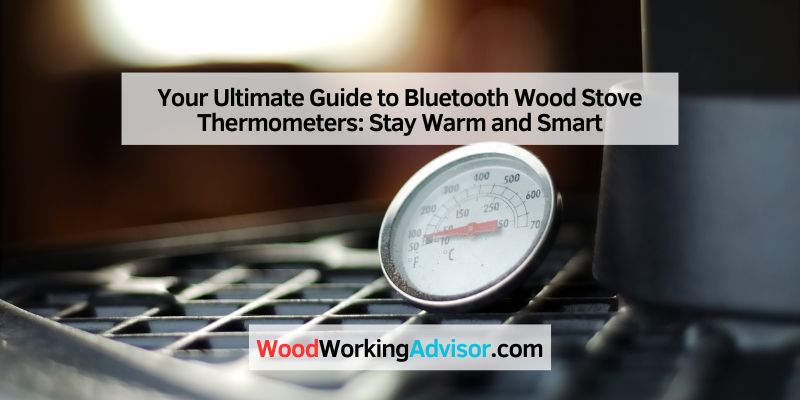
Your Ultimate Guide to Bluetooth Wood Stove Thermometers: Stay Warm and Smart
Hey there! If you’re like me, you love the cozy warmth of a wood-burning stove in your home. There’s something magical about the crackle of logs and the glow of a fire on a chilly evening. But keeping that fire burning just right? That can be a bit tricky. I’ve spent years tinkering with my wood stove, trying to get the perfect burn without wasting wood or risking overheating. That’s where a Bluetooth wood stove thermometer comes in—it’s a game-changer! This nifty device lets you monitor your stove’s temperature right from your phone, so you can stay in control without hovering over the fire.
In this article, I’ll walk you through everything I’ve learned about Bluetooth wood stove thermometers, from how they work to why they’re worth every penny. Let’s dive in and make your wood-burning experience smarter, safer, and more efficient.
What Is a Bluetooth Wood Stove Thermometer?
Picture this: you’re curled up on the couch with a hot cup of coffee, and instead of getting up every 20 minutes to check your stove, you just glance at your phone. That’s the magic of a Bluetooth wood stove thermometer. It’s a small device with a temperature sensor that attaches to your stove or flue pipe. The sensor measures the heat and sends real-time data to an app on your smartphone or tablet via Bluetooth. No wires, no fuss—just instant updates on how hot your fire is burning.
I remember the first time I used one. I was amazed at how easy it was to see if my stove was too hot or too cool without standing right in front of it. These thermometers help you maintain the perfect temperature for efficient burning, which saves wood and reduces creosote buildup in your chimney. Plus, they often come with alerts to warn you if the stove gets too hot, which is a lifesaver for preventing damage or even chimney fires.
Why You Need a Bluetooth Wood Stove Thermometer
You might be wondering, “Do I really need a fancy thermometer for my wood stove?” Trust me, I asked myself the same thing before I got one. But after using a Bluetooth thermometer for a few winters, I can’t imagine going back. Here’s why it’s a must-have:
- Convenience: You can check the stove’s temperature from anywhere in your house—or even your backyard—as long as you’re within Bluetooth range (usually about 30-100 feet, depending on the model).
- Efficiency: Keeping your stove in the optimal temperature range (typically 400-650°F for stovetop or 400-900°F for flue) means you burn less wood and get more heat.
- Safety: Overheating can damage your stove or cause a chimney fire. A Bluetooth thermometer sends alerts to your phone if temperatures get too high, giving you peace of mind.
- Environmentally Friendly: Proper burning reduces smoke and creosote, which is better for your chimney and the air quality in your neighborhood.
I used to rely on those old-school magnetic thermometers, but they were hard to read and didn’t tell me much unless I was right there. With a Bluetooth thermometer, I can fine-tune my fire while binge-watching my favorite show. It’s like having a personal assistant for your wood stove!
How Does a Bluetooth Wood Stove Thermometer Work?
Let’s break it down. A Bluetooth wood stove thermometer typically comes with two main parts: a sensor and a receiver or app. The sensor is a small probe or magnetic device you place on your stove’s surface or inside the flue pipe. It measures the temperature and sends that data wirelessly to your smartphone via Bluetooth Low Energy (BLE), which is super efficient and doesn’t drain your phone’s battery.
The app is where the magic happens. It shows you real-time temperature readings, often with a graph so you can see trends over time. Some apps even let you set custom alerts—like a notification if the stove dips below 400°F (time to add more wood) or climbs above 650°F (time to dial back the air). I love how my app gives me a little nudge when the fire needs attention, so I don’t have to guess.
Setting it up is a breeze. You attach the sensor to the right spot on your stove (more on that later), download the app, and pair it with your phone. Most models use batteries (like AAA or coin cells), and some have a small display on the sensor itself for quick checks without your phone.
Types of Bluetooth Wood Stove Thermometers
Not all Bluetooth thermometers are the same. Depending on your stove and needs, you’ll want to pick the right type. Here’s a quick rundown of the main options I’ve come across:
| Type | Where It’s Placed | Best For | Pros | Cons |
|---|---|---|---|---|
| Stovetop Thermometer | On the stove’s surface | Single-wall stoves, monitoring surface temperature | Easy to install, magnetic base, accurate for surface heat | Doesn’t measure flue gas temperature, less precise for catalytic stoves |
| Stovepipe Thermometer | On the flue pipe | Single-wall flue pipes, monitoring exhaust gas temperature | Good for tracking combustion efficiency, helps prevent creosote buildup | May need drilling for some models, not ideal for double-wall pipes |
| Stovepipe Probe Thermometer | Inside the flue pipe | Double-wall flue pipes, precise internal gas temperature readings | Highly accurate, best for catalytic stoves | Installation can be tricky, requires a small hole in the pipe |
I))^I’ve tried all three types, and my favorite is the stovetop version because it’s so easy to set up—just stick it on with the magnet and you’re good to go. But if you have a catalytic stove, a probe thermometer might be better for precise readings.
Key Features to Look for in a Bluetooth Wood Stove Thermometer
When I went shopping for my thermometer, I learned that not all models are created equal.{keyword_1}Here are the features I recommend looking for to get the best one for your needs:
- Accuracy: Look for a thermometer with a tight accuracy range, like ±1°F or ±5°F. This ensures you’re getting reliable readings.
- Bluetooth Range: Check the range of the Bluetooth connection. Most models offer 30-100 feet, but some premium ones go up to 300 feet.
- Battery Life: Long battery life (6-12 months or more) means less hassle. Some models, like the Flame Boss, claim up to 1,500 hours.
- App Quality: A user-friendly app with clear displays, graphs, and customizable alerts makes a big difference. I love apps that let me set specific temperature thresholds.
- Durability: The sensor needs to withstand high heat (up to 1,500°F for flue probes). Look for high-quality materials like stainless steel.
- Additional Features: Some thermometers offer extras like dual sensors (for stovetop and flue), color-changing displays, or integration with smart home systems like Home Assistant.
My go-to is a model with a magnetic stovetop sensor and a simple app that shows me temperature trends. It’s been super reliable for three winters now.
How to Install and Use a Bluetooth Wood Stove Thermometer
Installing a Bluetooth wood stove thermometer is straightforward, but placement is key. Here’s how I set mine up:
- Choose the Right Spot: For stovetop thermometers, place the sensor on the hottest part of the stove’s surface, usually the middle or near the front. For stovepipe thermometers, attach it to the flue pipe about 12-18 inches above the stove. Probe thermometers need a small hole drilled into the flue pipe—follow the manufacturer’s instructions carefully.
- Secure the Sensor: Most sensors are magnetic or come with a clamp. Make sure it’s snug against the surface for accurate readings. If it’s a probe, ensure it’s inserted correctly to avoid leaks.
- Pair with Your Phone: Download the app and follow the pairing instructions. It usually takes just a minute to connect via Bluetooth.
- Test It Out: Start a small fire and check the app to make sure the readings make sense. My first time, I noticed the app showed a lower temperature than expected, so I adjusted the sensor’s position, and it worked perfectly.
- Set Alerts: Use the app to set high and low temperature alerts. I set mine to ping me at 650°F (too hot) and 400°F (too cool) to keep the fire in the sweet spot.
Pro tip: Check the sensor’s battery every few months. I learned the hard way when mine died mid-winter, and I had to scramble for replacements.
Benefits of Using a Bluetooth Wood Stove Thermometer
I can’t stress enough how much a Bluetooth thermometer has improved my wood-burning routine. Here are the biggest benefits I’ve noticed:
- Real-Time Monitoring: I can check the stove’s temperature from the kitchen while cooking dinner. It’s a huge time-saver.
- Fuel Savings: By keeping the stove in the optimal burn zone, I use less wood. I’ve cut my wood consumption by about 20% since I started using it.
- Safety First: The high-temperature alerts have saved me from a couple of close calls when the fire got too hot. No more worrying about chimney fires.
- Better Combustion: Proper temperature control means cleaner burning, which reduces smoke and keeps my chimney cleaner.
- Peace of Mind: Whether I’m upstairs or outside, I know exactly what’s going on with my stove. It’s like having a fire nanny.
Comparing Bluetooth Thermometers to Traditional Thermometers
I used traditional magnetic thermometers for years, so I know how they stack up against Bluetooth models. Here’s a quick comparison:
| Feature | Bluetooth Thermometer | Traditional Magnetic Thermometer |
|---|---|---|
| Accuracy | ±1-5°F, highly precise | ±10°F, less accurate |
| Remote Monitoring | Yes, via smartphone app | No, must be read in person |
| Alerts | Customizable high/low alerts | None, passive monitoring only |
| Ease of Use | Easy setup, app-based interface | Simple but requires manual checking |
| Cost | $50-$200 | $15-$30 |
| Data Tracking | Graphs and history via app | No data tracking |
Traditional thermometers are cheap and simple, but they’re like driving a car without a dashboard. Bluetooth thermometers give you so much more control and information.
Tips for Maximizing Efficiency with Your Bluetooth Thermometer
Here are some tricks I’ve learned to get the most out of my Bluetooth thermometer:
- Calibrate Regularly: Check the thermometer’s accuracy every month or two. I use an infrared thermometer to double-check readings.
- Use Kiln-Dried Wood: Dry wood burns hotter and cleaner, making it easier to maintain optimal temperatures. I noticed a big difference when I switched from seasoned to kiln-dried wood.
- Keep the App Updated: App updates often improve performance and add features. I missed out on a cool graphing feature once because I hadn’t updated.
- Clean the Sensor: Ash and soot can build up on the sensor, affecting accuracy. I wipe mine down every couple of weeks.
- Experiment with Placement: If your readings seem off, try moving the sensor slightly. I found a spot closer to the center of my stovetop gave me better results.
Common Mistakes to Avoid
I’ve made my share of mistakes with my wood stove thermometer, so let me save you some trouble:
- Wrong Placement: Putting the sensor too close to the edge or back of the stove can give inaccurate readings. The middle is usually the hottest spot.
- Ignoring Alerts: Don’t brush off those high-temperature notifications. I once ignored one, and my stove got so hot it warped a small part of the flue pipe.
- Cheap Models: Bargain thermometers often have poor accuracy or short battery life. Spend a little extra for a reliable brand like Flame Boss or Auber.
- Forgetting Maintenance: Clean the sensor and check batteries regularly. A dead battery in the middle of a cold night is no fun.
- Not Reading the Manual: Every model is a bit different. I skipped the manual once and missed out on setting up custom alerts, which made my life harder than it needed to be.
Top Bluetooth Wood Stove Thermometers on the Market
After trying a few models and talking to other wood stove enthusiasts, here are my top picks:
- Flame Boss WiFi Thermometer: This one’s a favorite for its ±1°F accuracy and long Bluetooth range (up to 300 feet). The app is super intuitive, and it has a magnetic sensor for easy stovetop use. It’s pricier (around $180), but worth it for the quality.
- Auber AT210-COMBO: A solid choice for flue monitoring, with a probe sensor and a clear digital display. It’s about $120 and has a great app for tracking temperature trends.
- TempSure WiFi Monitor: This one’s great for smart home integration. It’s around $150 and offers both stovetop and flue sensors. The app sends alerts for high and low temps.
- Meater Pro: Originally designed for grilling, this Bluetooth thermometer works great for stovetop monitoring. It’s around $100, with a sleek design and a long-lasting battery.
- Aduro Smart Response: This model is unique because it’s designed specifically for wood stoves. It’s about $200 but includes two sensors and a detailed app guide for optimal placement.
Each of these has its strengths, so choose based on your stove type and budget. I’ve been happiest with the Flame Boss for its reliability and range.
Cost and Value: Is It Worth It?
At first, I balked at spending $100+ on a thermometer. My old magnetic one cost $20! But after using a Bluetooth thermometer, I can say it’s worth every cent. The average price range is $50-$200, depending on features like range, app quality, and sensor type. Here’s why I think it’s a smart investment:
- Savings on Wood: By optimizing burn temperatures, I’ve saved about 20-30% on wood costs each winter.
- Stove Longevity: Avoiding overheating protects your stove from damage, saving you thousands on repairs or replacement.
- Time and Effort: No more constant trips to check the stove. I can relax and let the app do the work.
- Safety: The peace of mind from high-temperature alerts is priceless. Chimney fires are a real risk, and this helps prevent them.
If you’re on a tight budget, start with a cheaper model like the Meater Pro. But if you can swing it, a premium option like the Flame Boss or Aduro will last longer and perform better.
My Personal Experience with a Bluetooth Wood Stove Thermometer
When I first got my Bluetooth thermometer, I was skeptical. Would it really make a difference? But the first winter I used it, I was hooked. I have a single-wall wood stove in my cabin, and I used to struggle with keeping the fire just right. Too hot, and I’d waste wood; too cool, and the room wouldn’t heat up. The thermometer changed everything.
One night, I was watching TV when my phone buzzed with a high-temperature alert. The stove was hitting 700°F—way too hot! I adjusted the air vent from the couch, and the temperature dropped back to normal. Without that alert, I might have had a serious problem. Another time, I was outside splitting wood when the app told me the fire was dying out. I headed inside, tossed in a log, and the fire was back to perfect in no time. It’s like having a co-pilot for your stove.
Conclusion
After years of using a wood stove, I can honestly say a Bluetooth wood stove thermometer is one of the best investments I’ve made. It’s not just a gadget—it’s a tool that saves wood, protects your stove, and makes your life easier. Whether you’re a seasoned wood-burner or just got your first stove, this device will help you burn smarter, safer, and more efficiently. From real-time monitoring to fuel savings, the benefits are clear as day. I love the freedom of checking my stove from anywhere in the house, and I’m sure you will too.
So, if you’re ready to take your wood-burning game to the next level, grab a Bluetooth thermometer. Pick one that fits your stove and budget, set it up right, and enjoy the cozy warmth of a perfectly managed fire. Trust me, you won’t look back.
FAQs
What is the best place to put a Bluetooth wood stove thermometer?
For stovetop thermometers, place the sensor in the middle of the stove’s surface, where it’s hottest. For stovepipe thermometers, attach it 12-18 inches above the stove on the flue pipe. Probe thermometers go inside the flue pipe, following the manufacturer’s instructions. Always avoid edges or cooler areas for the most accurate readings.
Can I use a Bluetooth meat thermometer for my wood stove?
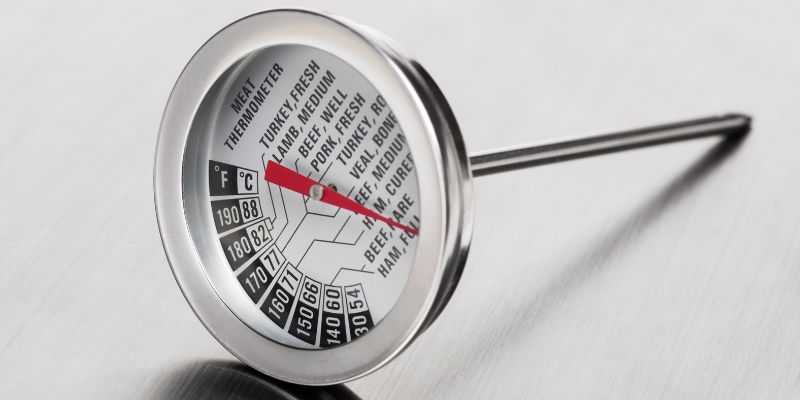
Yes, some Bluetooth meat thermometers, like the Meater Pro, can work for stovetop monitoring, but they may not handle high flue temperatures (up to 1,500°F). Check the maximum temperature rating (usually 570°F for meat thermometers) before using it. For flue monitoring, get a thermometer designed for wood stoves, like the Auber AT210-COMBO.
How accurate are Bluetooth wood stove thermometers?
Most quality Bluetooth thermometers are accurate within ±1-5°F, which is much better than traditional magnetic thermometers (±10°F). I’ve found models like the Flame Boss to be spot-on when I cross-check with an infrared thermometer.
Do Bluetooth thermometers work with all wood stoves?
Yes, they work with most wood stoves, but you need to choose the right type. Stovetop thermometers are best for single-wall stoves. Stovepipe or probe thermometers are ideal for double-wall or catalytic stoves. Check your stove’s manual for specific recommendations.
How long do the batteries last in a Bluetooth wood stove thermometer?
Battery life varies by model. Most last 6-12 months with regular use. Some, like the Flame Boss, claim up to 1,500 hours. I replace my batteries every fall to be safe, and I’ve never had one die mid-season.
Can I monitor my stove’s temperature from outside the house?
As long as you’re within Bluetooth range (30-300 feet, depending on the model), you can monitor from outside. Some WiFi-enabled models, like the TempSure, let you check from anywhere with an internet connection, but they’re pricier.
How do I know if my stove is burning at the right temperature?
The optimal burn zone is typically 400-650°F for stovetop readings or 400-900°F for flue readings. Your Bluetooth thermometer’s app will show if you’re in this range. Too low (below 400°F) means a smoldering fire and creosote buildup. Too high (above 650°F for stovetop or 900°F for flue) risks overheating.