Burnt Wood Flooring: Fixing A Burn Mark vs. The Shou Sugi Ban Look
“Burnt wood flooring” means two very different things: an accidental burn mark you want to repair, or the deliberate charred shou sugi ban look some homeowners choose intentionally. The fix for one has nothing to do with the other — and mixing them up matters for safety, not just aesthetics.
Fixing An Accidental Burn Mark
Best For Small Burn Marks And Scratches
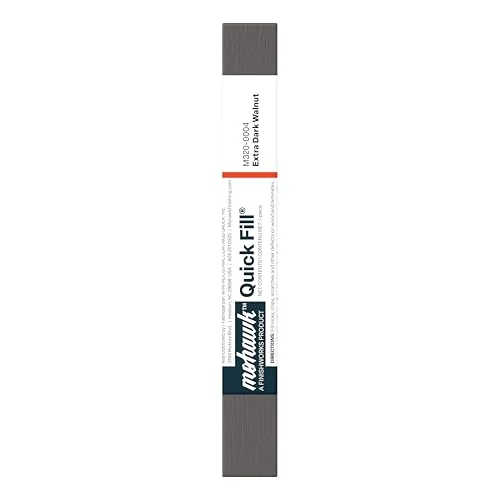 |
Mohawk Quick Fill Burn-In Stick, Extra Dark Walnut – $12.56 The actual product professionals use for the wax-fill repair method — applied with a flameless heat source per the manufacturer’s own instructions, not an open torch.
|
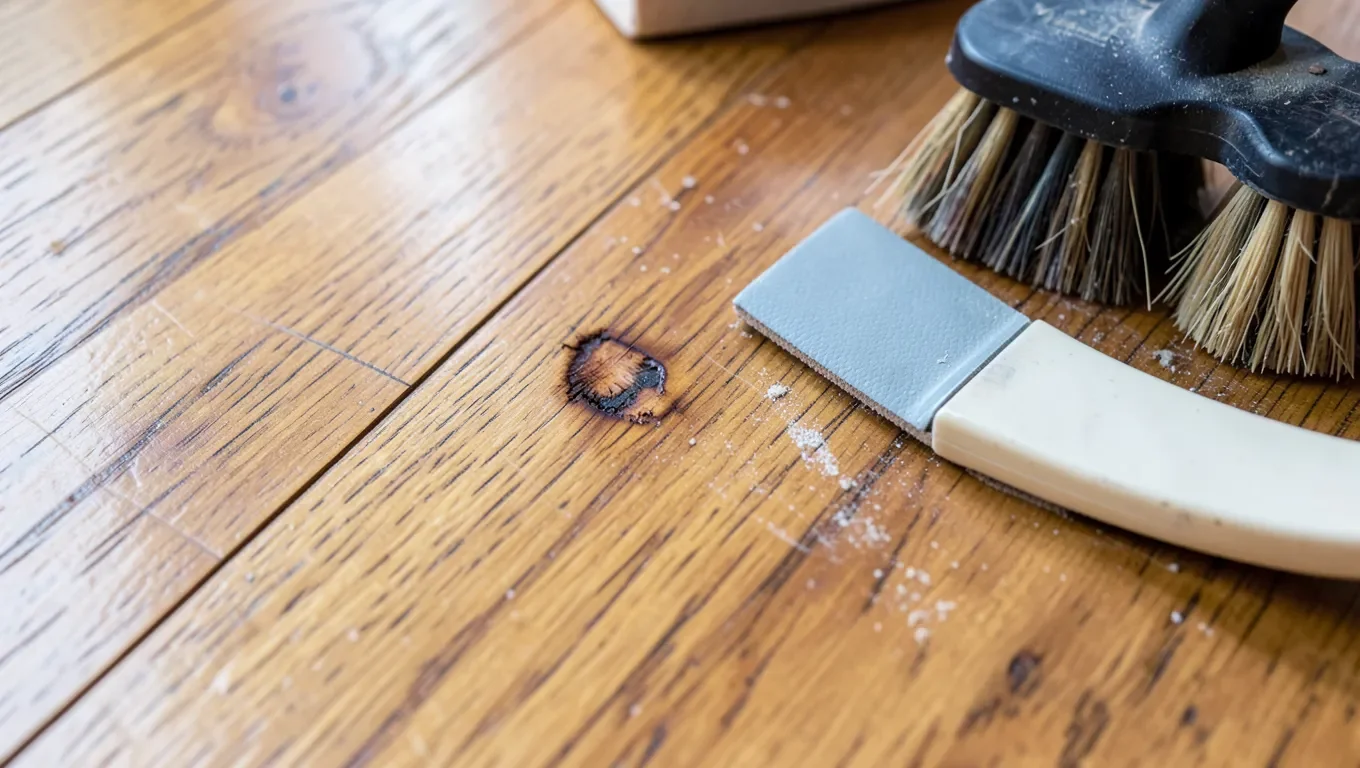
For a small, shallow burn mark (a dropped cigarette, an errant spark, a hot pan set down too long), the repair is a sanding-and-blending job, not a full board replacement, in most cases:
- Gently sand the finish around and over the burnt area with fine-grit sandpaper, working with the wood grain, until the burnt/blackened wood is removed or significantly lightened.
- Wipe away all sanding dust with a tack cloth — residual dust will show through the repair.
- For a mark too deep to fully sand out, use a burn-in stick (like the product above) with a flameless heat source — the manufacturer’s own instructions call for a heat gun or dedicated burn-in knife, not an open flame, to melt the fill material into the damaged area.
- Level the filled area with a plastic scraper or leveling card, then blend the sheen with the surrounding finish (polyurethane or the floor’s existing topcoat) so the repair doesn’t stand out as a glossy or dull patch.
For a deep char that’s burned through the finish into structural wood, or damage covering a large area, a professional floor refinisher or a board replacement is the more realistic fix — a DIY sand-and-fill repair works well for cosmetic surface damage, not structural charring.
The Deliberate Charred Look: Shou Sugi Ban
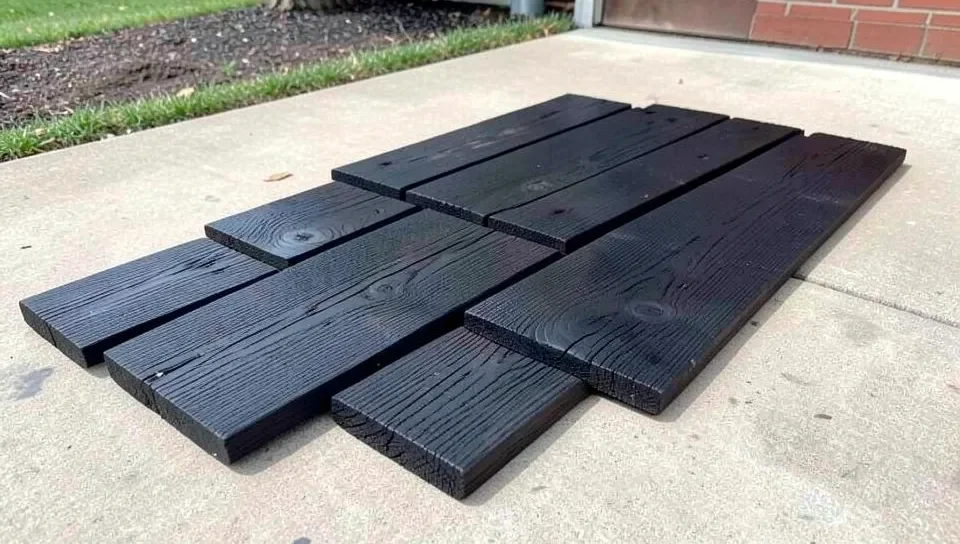
Important safety correction: shou sugi ban (yakisugi), the traditional Japanese wood-charring technique, is done with an open propane torch on loose boards laid outdoors on a non-flammable surface (a concrete driveway or metal worktop) — BEFORE installation, never by torching an already-installed indoor floor. Torch work indoors carries real risks: carbon monoxide and smoke buildup in an enclosed space, and fire risk to walls, subfloor, and structure from an open flame used at floor level indoors. If you want the charred aesthetic for a floor, char the boards outdoors first, then brush off loose soot, oil or seal them, and install them like any other finished flooring — not the reverse. For the full technique (torch handling, brushing, sealing, wood species selection), see our complete shou sugi ban guide rather than attempting it from a summary.
Real Safety Precautions If You Do Char Boards Yourself
- Work outdoors only, on a driveway, patio, or other non-flammable surface — never in a garage, basement, or any enclosed space, regardless of ventilation.
- Keep a fire extinguisher within reach the entire time, not just nearby “somewhere.”
- Wear safety glasses and fire-resistant gloves — the torch flame and hot char surface are both real burn hazards during the process, not just after.
- Don’t work on a windy day — wind can redirect the flame toward yourself, nearby structures, or unintended materials.
- Clear the immediate area of anything flammable — dry leaves, mulch, stored lumber, or anything else that could ignite from a stray spark.
- Let boards fully cool before stacking or moving them — a board that looks cooled on the surface can retain heat inside.
Buying Pre-Charred Flooring Instead
If the torch process itself isn’t something you want to do yourself, pre-charred shou sugi ban-style flooring products exist from specialty suppliers — the char and sealing work is done at the factory, and installation follows normal flooring practice from there. This sidesteps the fire-safety question entirely, since no open flame is involved in your own installation process, and is a reasonable choice for anyone who wants the look without doing the charring themselves.
Preventing Burn Marks In The First Place
- Use a hearth pad or non-combustible mat under any wood-burning stove, fireplace insert, or space heater sitting on or near a hardwood floor — the single most common cause of accidental floor charring.
- Never set a hot pan, iron, or curling tool directly on a wood floor even briefly — heat transfer through finish and wood happens faster than it looks.
- Keep space heaters on a stable, non-flammable base and away from rugs, curtains, or anything that could tip the heater onto the floor.
- Address a small burn immediately rather than letting it sit — a fresh, shallow mark sands out far more easily than one that’s been walked on and ground in over months.
Frequently Asked Questions
Can you fix a burnt wood floor?
Yes, for shallow cosmetic burns — sand out or lighten the burnt area, then blend with a burn-in stick and refinish to match. Deep charring or structural damage usually needs a professional refinish or board replacement instead.
Can shou sugi ban be used as flooring?
Yes, but the charring is done to loose boards outdoors before installation, never by torching an already-installed indoor floor — doing it indoors risks fire and carbon monoxide/smoke buildup. Pre-charred flooring products are also available if you’d rather not do the torch work yourself.
How do you remove burn stains from hardwood floors?
Sand the burnt area with fine-grit sandpaper going with the grain, remove dust with a tack cloth, fill any remaining depth with a burn-in stick applied via a flameless heat source, then blend the finish sheen with the surrounding floor.
Conclusion
An accidental burn mark is a sand-and-blend repair job you can usually do yourself. The deliberate shou sugi ban look is a different process entirely — done to loose boards outdoors before installation, never with a torch on an already-installed indoor floor. Confusing the two isn’t just a style mix-up; it’s the difference between a weekend repair and a real fire hazard.
Sponsored / affiliate links. As an Amazon Associate I earn from qualifying purchases. I may earn additional commission from eligible campaigns.