Camping Tents with Wood Stoves: Your Ultimate Guide to Cozy Outdoor Adventures
Hey there, fellow outdoor lover! If you’re dreaming of cozy nights under the stars, warmed by the gentle crackle of a wood stove inside your tent, you’re in the right place. I’ve spent countless weekends camping in all kinds of weather, and let me tell you, there’s something magical about a tent with a wood stove. It’s like bringing a piece of home into the wilderness. In this guide, I’m sharing everything I’ve learned about camping tents with wood stoves. From picking the perfect tent to safety tips and maintenance, I’ve got you covered. Let’s dive into the world of hot tent camping and make your next adventure unforgettable!
What Are Camping Tents with Wood Stoves?
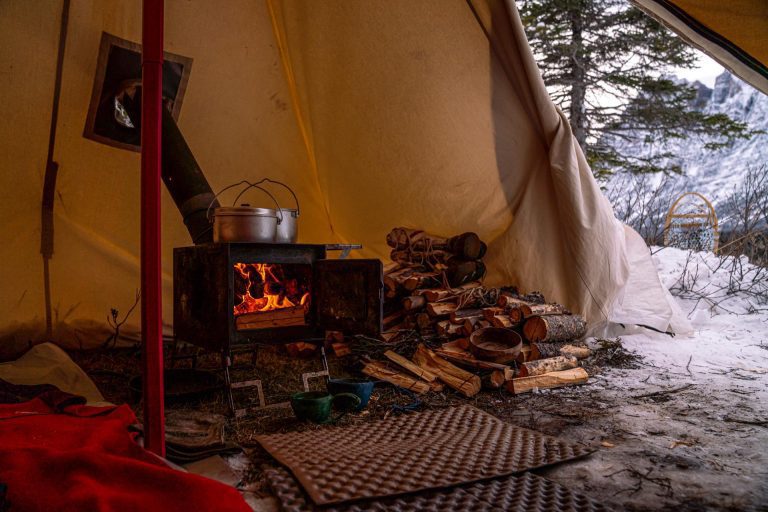
Picture this: It’s a chilly night, the stars are twinkling, and you’re snuggled up in your tent with the warmth of a wood stove keeping the cold at bay. Camping tents with wood stoves, often called “hot tents,” are designed for cold-weather camping. These tents are typically made of durable materials like canvas, which can withstand the heat of a stove. They come with a built-in stove jack—a reinforced hole in the tent’s roof or wall where the stovepipe exits safely.
I remember my first hot tent experience in the Rockies. The temperature dropped to 20°F, but inside my canvas tent, the wood stove created a cozy haven. It’s not just about warmth; these stoves let you cook, dry wet gear, and create a homey vibe. Hot tents are perfect for winter camping, hunting trips, or anyone who loves year-round outdoor adventures.
Hot tents differ from regular tents because they’re built to handle heat and fire safely. Most are made from canvas or heavy-duty cotton, which is naturally fire-resistant, unlike synthetic materials like nylon or polyester. The stove jack is key—it ensures the stovepipe directs smoke and heat out without melting or catching fire.
Why Choose a Tent with a Wood Stove?
Why go for a hot tent? Let me share a story. A few years back, I camped in Montana during a snowy November weekend. Without a wood stove, I would’ve been shivering in my sleeping bag. Instead, I was sipping hot cocoa, toasting marshmallows, and feeling like I was in a cabin. Here’s why these tents are a game-changer:
- Warmth in Any Weather: A wood stove keeps you comfortable even when temperatures dip below freezing. It’s like having a portable fireplace.
- Versatility: You can cook meals, boil water, or dry damp clothes and boots. It’s a multi-purpose tool for outdoor living.
- Ambiance: The glow and crackle of a wood stove create a cozy, inviting atmosphere. It’s perfect for relaxing after a day of hiking or hunting.
- Extended Camping Season: With a hot tent, winter doesn’t mean the end of camping. You can enjoy the outdoors year-round.
- Eco-Friendly: Wood stoves use natural fuel, reducing reliance on propane or gas, which is better for the environment.
Sure, hot tents are heavier than backpacking tents, but for car camping or basecamp setups, the extra weight is worth it. The comfort and warmth make every trip feel luxurious.
Types of Tents Compatible with Wood Stoves
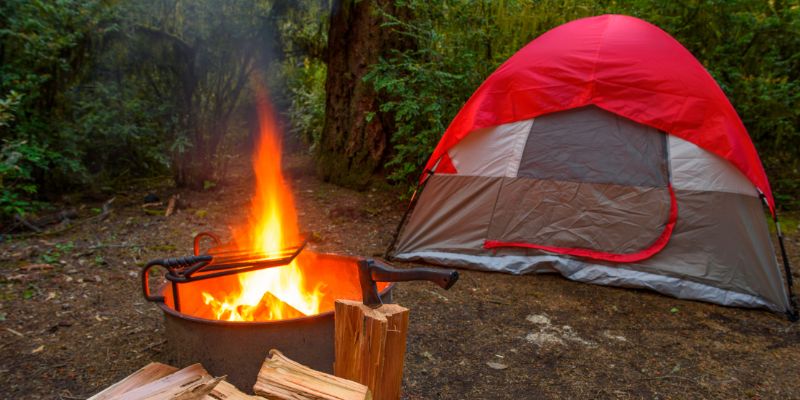
Not every tent can handle a wood stove. I learned this the hard way when I tried using a cheap nylon tent with a makeshift stove setup—let’s just say it was a near-disaster! Here’s a breakdown of the best tent types for wood stoves:
| Tent Type | Material | Best For | Pros | Cons |
|---|---|---|---|---|
| Canvas Wall Tent | Heavy-duty cotton canvas | Hunting, family camping, long-term setups | Durable, spacious, excellent heat retention, customizable stove placement | Heavy, requires more setup time |
| Bell Tent | Cotton canvas | Glamping, group camping | Stylish, open floor plan, good ventilation, easy to set up | Less headroom in some areas, heavier |
| Tipi/Teepee | Canvas or polyester blend | Solo or small group camping | Lightweight for canvas, wind-resistant, cultural aesthetic | Limited space, less common with stove jacks |
| Yurt Tent | Canvas or synthetic | Luxury camping, long-term stays | Spacious, sturdy, great for groups, can stand up to harsh weather | Expensive, complex setup |
- Canvas Wall Tents: These are my go-to for hunting trips. They’re roomy, with vertical walls that maximize space. You can stand up, move around, and fit multiple cots or gear. They’re heavy but perfect for car camping.
- Bell Tents: These are Instagram-worthy! Their round shape and open layout make them great for glamping. I used one for a family trip, and the kids loved the cozy vibe.
- Tipi/Teepee Tents: Inspired by Native American designs, these are sleek and wind-resistant. They’re great for solo campers or small groups but can feel cramped.
- Yurt Tents: Think of these as deluxe hot tents. They’re spacious and sturdy but pricier and harder to set up. I’ve seen them used for semi-permanent campsites.
Always check that the tent has a stove jack or is rated for stove use. Synthetic tents without proper stove jacks can melt or catch fire.
Choosing the Right Wood Stove for Your Tent
Picking a wood stove is just as important as choosing the tent. I’ve tested a few stoves over the years, and each has its quirks. Here’s what to consider:
- Size and Weight: A small stove (like a cylinder stove) is great for solo or small tents. Larger stoves suit family-sized tents but are heavier. My first stove was a lightweight titanium model—perfect for backpacking but too small for a big tent.
- Material: Steel stoves are durable and retain heat well. Titanium is lighter but more expensive. Stainless steel is a good middle ground.
- Features: Look for a flat top for cooking, a damper to control airflow, and a spark arrestor to prevent embers from escaping. I love stoves with a glass window—watching the fire is mesmerizing!
- Fuel Capacity: Larger stoves hold more wood for longer burns. For overnight warmth, choose a stove that can burn for 4-6 hours without refueling.
- Compatibility: Ensure the stove’s stovepipe matches your tent’s stove jack size. Most jacks are 4-6 inches in diameter.
My favorite is a mid-sized steel stove with a damper and spark arrestor. It’s versatile, heats well, and doubles as a cooktop. Always buy from reputable brands like Winnerwell, Kni-Co, or Cylinder Stoves—they’re built for safety and durability.
Setting Up a Hot Tent Safely
Setting up a hot tent takes some know-how. My first attempt was a bit chaotic, but I’ve since nailed down a foolproof process. Here’s how to do it right:
- Choose a Flat Site: Find a level spot away from overhanging branches or dry grass. Clear rocks and debris to prevent tripping or tent damage.
- Pitch the Tent First: Set up your tent before installing the stove. Make sure the stove jack is positioned where you want the stovepipe to exit.
- Install the Stove: Place the stove on a heat-resistant mat or metal base to protect the tent floor. I learned this after scorching a tarp!
- Attach the Stovepipe: Connect the stovepipe sections securely and extend them through the stove jack. Use a spark arrestor at the top to catch embers.
- Secure the Tent: Stake down the tent firmly. Canvas tents are heavy, but wind can still cause problems.
- Test the Stove: Light a small fire to check for leaks or smoke. Ensure the stovepipe draws properly before loading more wood.
Ventilation is critical. I always crack a window or vent to let fresh air in and prevent carbon monoxide buildup. A CO detector is a must—trust me, it’s a small investment for peace of mind.
Safety Tips for Using a Wood Stove in a Tent
Safety is non-negotiable. I’ve heard horror stories of tent fires and CO poisoning, so I’m extra cautious. Here are my top safety tips:
- Use Dry, Seasoned Wood: Wet wood creates more smoke and creosote, which can clog the stovepipe. I stick to hardwoods like oak or maple.
- Install a CO Detector: Carbon monoxide is odorless and deadly. Place a battery-powered detector near your sleeping area.
- Keep Flammable Items Away: Store gear, bedding, and clothing at least 3 feet from the stove. I once singed a jacket by leaving it too close!
- Use a Heat Shield: A metal shield behind the stove protects the tent wall from radiant heat.
- Never Leave the Stove Unattended: Extinguish the fire before sleeping or leaving the tent. I let my stove die out overnight and rely on a good sleeping bag.
- Check the Stovepipe Regularly: Look for creosote buildup or damage. Clean it as needed to prevent chimney fires.
- Follow Manufacturer Guidelines: Every stove and tent is different. Read the manuals and follow their advice.
I also keep a fire extinguisher and a bucket of water nearby, just in case. Safety first means you can enjoy the warmth without worry.
Benefits of Hot Tent Camping
Hot tent camping transforms your outdoor experience. Here’s why I’m hooked:
- Comfort in Cold Weather: I’ve camped in sub-zero temps and stayed toasty. It’s a game-changer for winter adventures.
- Multi-Use Stove: Cooking bacon and eggs on a wood stove beats a camp stove any day. Plus, you can dry wet socks or gloves.
- Unique Ambiance: The flickering firelight and woodsy smell create a vibe that’s hard to beat. It’s like glamping without the hefty price tag.
- Year-Round Camping: No need to pack away your gear when summer ends. Hot tents make fall and winter camping just as fun.
- Connection to Nature: Using wood as fuel feels primal and sustainable. It’s a nod to traditional camping methods.
One of my favorite memories is sitting in my hot tent during a snowstorm, reading a book while the stove hummed. It’s moments like that that keep me coming back.
Maintenance and Care for Your Hot Tent and Stove
Taking care of your gear ensures it lasts for years. I’ve made my share of mistakes, like storing a damp tent and ending up with mildew. Here’s how to keep your hot tent and stove in top shape:
- Tent Care:
- Dry Before Storing: Always air out your tent after a trip. Hang it up for a few days to prevent mold.
- Clean Gently: Use a soft brush and mild soap to remove dirt. Avoid harsh chemicals that can damage the canvas.
- Store Properly: Keep your tent in a breathable bag or bin, not its original stuff sack, to avoid compression stress.
- Check Seams and Stove Jack: Inspect for wear and tear. Reapply seam sealer if needed to maintain waterproofing.
- Stove Care:
- Clean the Stovepipe: Remove creosote buildup with a chimney brush after every few uses.
- Empty Ashes Safely: Wait until ashes are cool, then dispose of them in a metal container away from the campsite.
- Inspect for Rust: Wipe down the stove after each trip and store it in a dry place.
- Check Gaskets and Seals: Replace worn gaskets to maintain a tight seal and efficient burn.
I set aside a day after each trip to clean and inspect my gear. It’s a small effort that pays off in the long run.
Accessories to Enhance Your Hot Tent Experience
The right accessories can take your hot tent setup to the next level. Here are some of my favorites:
- Heat-Resistant Mat: Protects your tent floor and makes cleanup easier.
- CO Detector: A must for safety, as I mentioned earlier.
- Camping Table: A small wooden table adds a homey touch and is great for meals or games.
- LED Lanterns or String Lights: These create a warm ambiance when the stove is off.
- Insulated Sleeping Pad: Keeps you warm even if the fire dies out overnight.
- Cooking Gear: A cast-iron skillet or kettle works perfectly on a stove’s flat top.
I love adding fairy lights to my bell tent—it makes it feel like a cozy retreat. A good sleeping pad is also a lifesaver for chilly nights.
Challenges of Hot Tent Camping and How to Overcome Them
Hot tent camping isn’t all rosy. Here are some challenges I’ve faced and how to tackle them:
- Weight and Portability: Canvas tents and stoves are heavy. Stick to car camping or use a sled for winter trips to transport gear.
- Setup Time: Hot tents take longer to pitch than lightweight backpacking tents. Practice at home to speed things up.
- Fuel Supply: Finding dry wood in the wilderness can be tough. Bring a small supply of seasoned wood or a hatchet to process fallen branches.
- Safety Concerns: Fire and CO risks are real. Follow safety protocols and never skip the CO detector.
- Cost: Hot tents and stoves are pricier than basic tents. Start with a mid-range setup and upgrade as you gain experience.
My first hot tent trip was overwhelming, but with practice, I’ve streamlined the process. It’s all about preparation and patience.
Where to Buy Quality Hot Tents and Stoves
Finding reliable gear is key. I’ve bought from a few retailers and learned what to look for. Here are my top picks:
- CanvasCamp: Great for canvas bell tents and stoves. Their Sibley series is durable and stylish.
- Elk Mountain Tents: Specializes in canvas wall tents with stove jacks. Perfect for rugged camping.
- Winnerwell: Known for high-quality portable wood stoves. Their Nomad series is a favorite.
- Kni-Co: Offers sturdy stoves designed for hot tenting, with excellent airflow control.
- REI: A good option for beginners, with a range of tents and accessories, though stove selection is limited.
Always read reviews and check return policies. I once bought a cheap stove online, and it arrived with a bent stovepipe—lesson learned!
Conclusion
Camping tents with wood stoves have transformed the way I experience the outdoors. From snowy mountain nights to crisp fall mornings, the warmth and comfort of a hot tent make every trip memorable. Whether you’re a seasoned camper or a newbie, a hot tent setup lets you embrace nature without sacrificing coziness. By choosing the right tent and stove, prioritizing safety, and maintaining your gear, you’re setting yourself up for countless adventures. So, grab a mug of cocoa, light that stove, and let the wilderness become your home away from home. Here’s to warm nights and starry skies—happy camping!
FAQs
What is a hot tent?
A hot tent is a camping tent, usually made of canvas, designed to safely house a wood-burning stove. It has a stove jack to vent the stovepipe and is ideal for cold-weather camping.
Are wood stoves safe to use in tents?
Yes, if used correctly. Always use a tent with a proper stove jack, install a CO detector, ensure proper ventilation, and follow safety guidelines like keeping flammable items away.
What’s the best material for a hot tent?
Canvas or heavy-duty cotton is best. These materials are fire-resistant and durable, unlike synthetic fabrics like nylon, which can melt or burn.
Can I cook on a wood stove in my tent?
Absolutely! Many wood stoves have a flat top for cooking. I’ve made everything from pancakes to stew on mine—just use cookware suited for high heat.
How do I keep my tent warm overnight?
For overnight warmth, use a stove that holds large logs for a long burn. Let the fire die out before sleeping and rely on a quality sleeping bag and insulated pad.
Where can I camp with a hot tent?
Most campgrounds allow hot tents, but check fire regulations. National forests often permit dispersed camping, which is great for hot tent setups.
How heavy are hot tents and stoves?
Canvas tents can weigh 20-100 pounds, depending on size. Stoves range from 10 pounds for portable models to 50+ pounds for larger ones. Plan for car camping or use a sled.
How do I clean a wood stove?
Wait for the stove to cool, then remove ashes into a metal container. Clean the stovepipe with a chimney brush to remove creosote. Wipe down the stove to prevent rust.