Can Ants Eat Wood Like Termites Shocking Truth
Many people wonder if ants behave like termites when it comes to wood. This question, “Can Ants Eat Wood Like Termites? Shocking Truth,” can seem tricky at first. But don’t worry, we’re going to break it down simply. You’ll get clear answers and easy-to-follow explanations. Let’s explore what ants actually do with wood and how it differs from termites.
Ants Versus Termites The Wood Eating Difference
Many homeowners worry about wood damage and often group ants and termites together as the culprits. The question of whether ants eat wood like termites is a common one, and the truth can be quite surprising. While both insects might be found near wood, their relationship with it is fundamentally different. Understanding this difference is key to knowing how to protect your home.
This section will clarify the distinct ways ants and termites interact with wooden structures. We’ll explore the specific behaviors that lead to this confusion and highlight the unique roles each insect plays in an ecosystem. By the end, you’ll have a clear picture of why this distinction matters for pest control and home maintenance.
Ants That Appear To Eat Wood
Some ant species, like carpenter ants, are known for burrowing into wood. This behavior often leads people to believe they are eating it, much like termites do. However, carpenter ants don’t digest wood. Instead, they excavate it to create nests and galleries for their colonies.
The primary motivation for carpenter ants is to find suitable nesting sites. They prefer moist or decaying wood because it’s easier to tunnel through. They will clear out the wood fiber, creating smooth, often clean tunnels. This process can still cause structural damage over time, even though they aren’t consuming the wood for nutrition.
Carpenter Ant Nesting Behavior
Carpenter ants are social insects that live in colonies. A colony typically consists of a queen, workers, and sometimes reproductive individuals. When scouting for a new nest site, they look for areas that offer shelter and are relatively undisturbed.
They use their strong mandibles to chew through the wood. This is a physical process of removal, not digestion. The excavated wood is then pushed out of the nest entrance, often creating small piles of sawdust-like frass. This frass can be a telltale sign of a carpenter ant infestation.
* Excavation for Shelter
Carpenter ants excavate wood to create living spaces for their colony. This includes tunnels for movement and chambers for raising young and storing food. They do not consume wood for sustenance.
* Moisture Preference
These ants are often found in areas with high moisture content, such as leaky roofs, damaged plumbing, or rotting wood. Moist wood is softer and easier to tunnel through.
* Damage Potential
Although they don’t eat wood, their tunneling can weaken wooden structures over time. Large colonies can cause significant damage, especially if they establish nests within the main beams or supports of a house.
Termites The True Wood Eaters
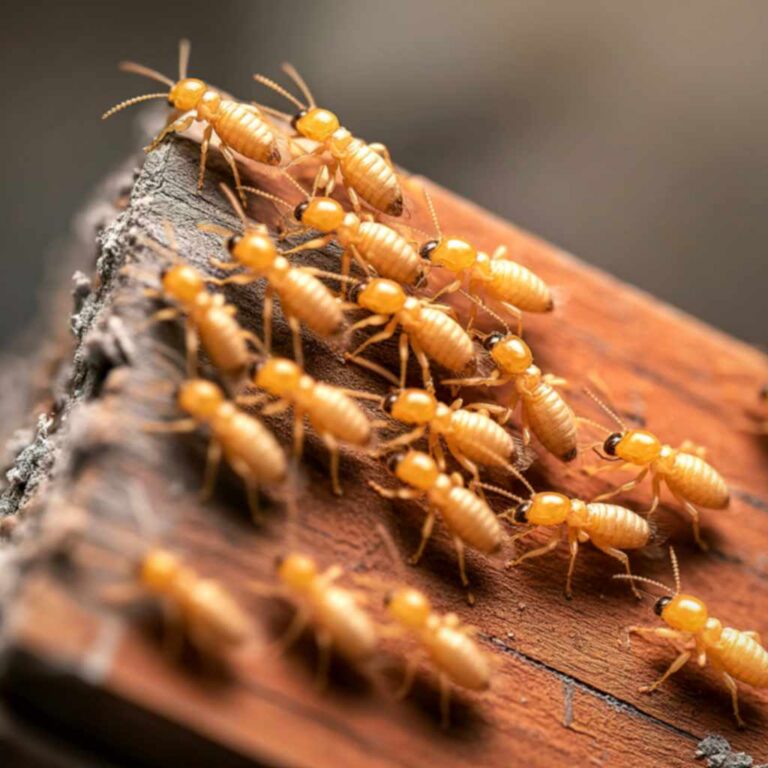
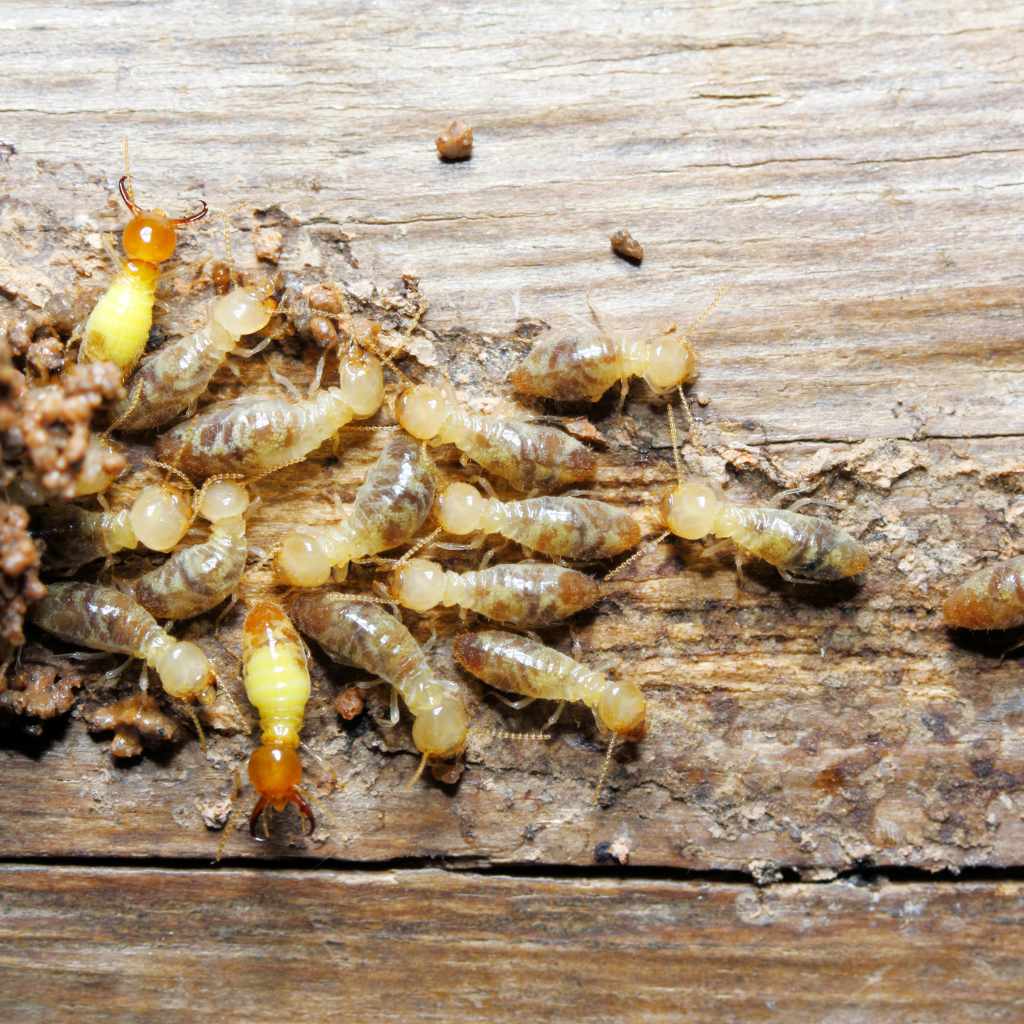
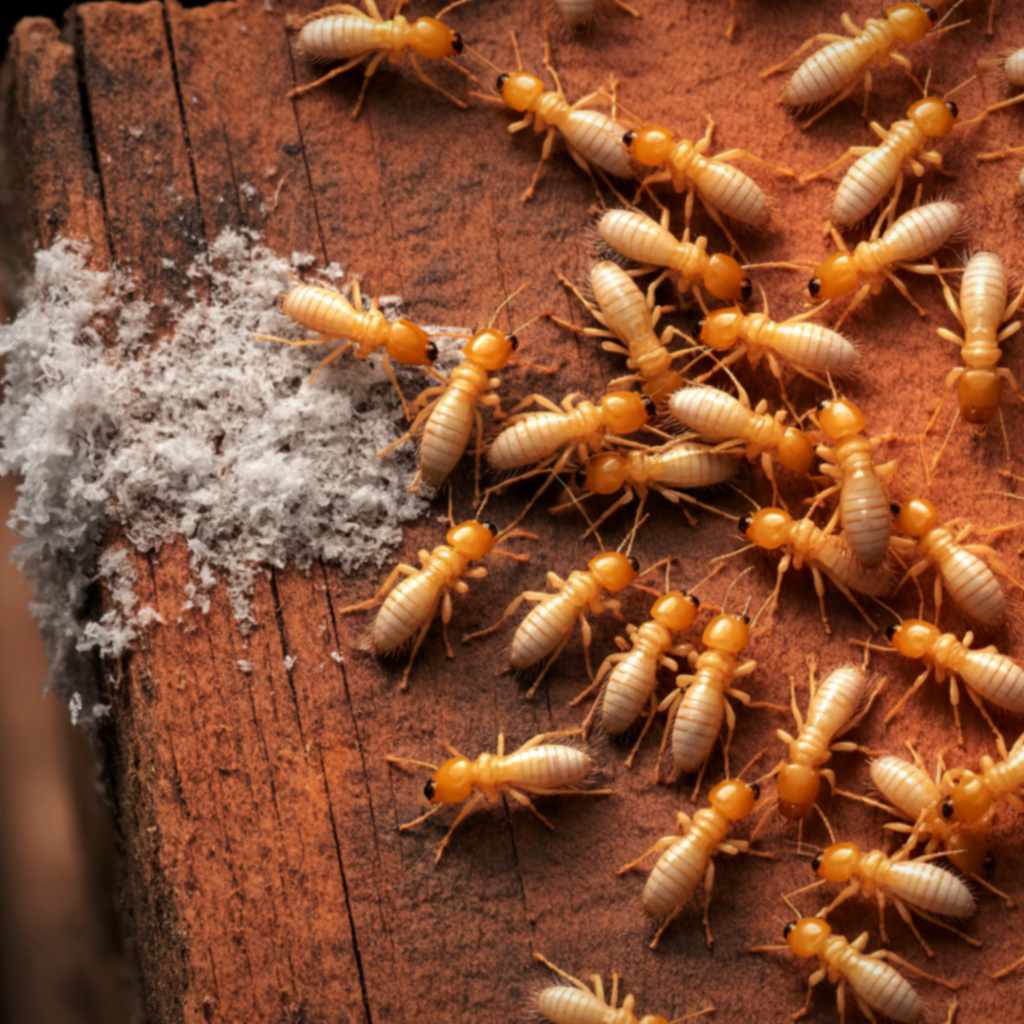
Termites, on the other hand, are the insects that actually consume wood as their primary food source. They possess specialized enzymes and symbiotic microorganisms in their gut that allow them to break down cellulose, the main component of wood. This digestive process is crucial for their survival and the sustenance of their colony.
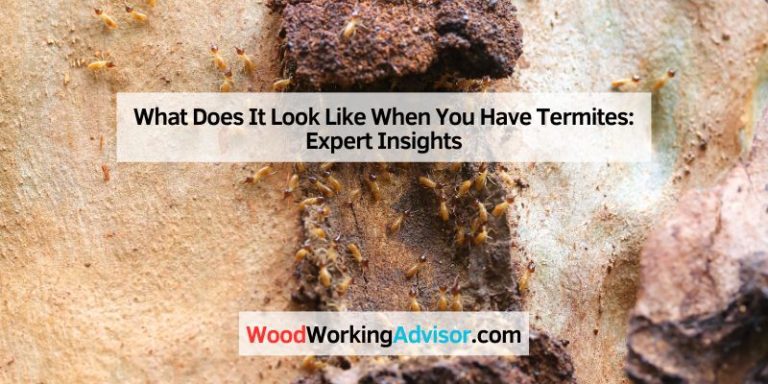
Unlike carpenter ants, termites are rarely seen above ground. They live in vast colonies, often hidden within the wood they infest or in underground tunnels. Their feeding habits can lead to severe structural damage without being immediately noticeable.
Termite Digestion Process
The ability of termites to digest wood is one of their most remarkable characteristics. This process is enabled by a complex digestive system that involves specific bacteria, protozoa, and other microorganisms. These symbionts work together to break down the tough cellulose fibers.
When a termite eats wood, it passes through its digestive tract. The wood is mixed with digestive juices and the symbiotic organisms. These symbionts ferment the cellulose, converting it into simpler sugars that the termite can absorb and use for energy. This is a true consumption and nutritional process.
* Cellulose Digestion
Termites have a unique digestive system that allows them to break down and extract nutrients from cellulose. This is their primary food source.
* Symbiotic Relationship
Specialized microorganisms in the termite’s gut play a vital role in digesting cellulose. Without these symbionts, termites would not be able to survive on a wood diet.
* Nutrient Extraction
Through this complex process, termites extract essential sugars and other nutrients from the wood, fueling their colony’s growth and activity.
Can Ants Eat Wood Like Termites Shocking Truth About Their Diet
The core of the question, “Can Ants Eat Wood Like Termites? Shocking Truth,” lies in understanding their nutritional needs and behaviors. Termites are built to eat wood for sustenance, making them structural pests. Ants, even those that tunnel in wood, have entirely different dietary requirements.
Most common ant species are omnivores. Their diet typically includes insects, other small invertebrates, honeydew produced by aphids, nectar, and various sweet or greasy food items found in human homes. Carpenter ants, while they excavate wood, still forage for food outside their nest.
Ant Diet Versus Termite Diet
The dietary habits of ants and termites highlight their fundamental differences. While both might be found in and around wooden structures, their interaction with wood is driven by vastly different needs.
Termites rely on wood for survival, consuming it for energy and nutrients. This direct consumption is what makes them so destructive to wooden buildings. Ants, conversely, view wood primarily as a habitat.
A key distinguishing factor is the presence of specialized gut symbionts in termites that enable cellulose digestion. Ants lack these symbionts and therefore cannot break down wood for food.
* Termite Diet Focus
Termites exclusively consume wood and other cellulose-based materials to survive. Their entire lifecycle and colony structure depend on this food source.
* Ant Diet Diversity
Ants have a varied diet. They are scavengers, predators, and sometimes even nectar feeders. Wood is never a primary nutritional source for any ant species.
* Nutritional Pathways
Termites obtain energy from cellulose through a sophisticated digestive process. Ants obtain energy from sugars, proteins, and fats found in their diverse food sources.
Identifying Wood Damaging Pests
Knowing the difference between ants that tunnel in wood and termites that eat wood is critical for effective pest management. Misidentification can lead to incorrect treatment strategies, wasted time, and continued damage to your property. Learning to spot the signs of each pest can save you a lot of trouble.
The visual cues left behind by these pests are often the first indicators of their presence. Observing the type of damage and any associated debris can provide strong clues about which insect you are dealing with. Early detection is key to preventing significant structural problems.
Signs of Termite Infestations
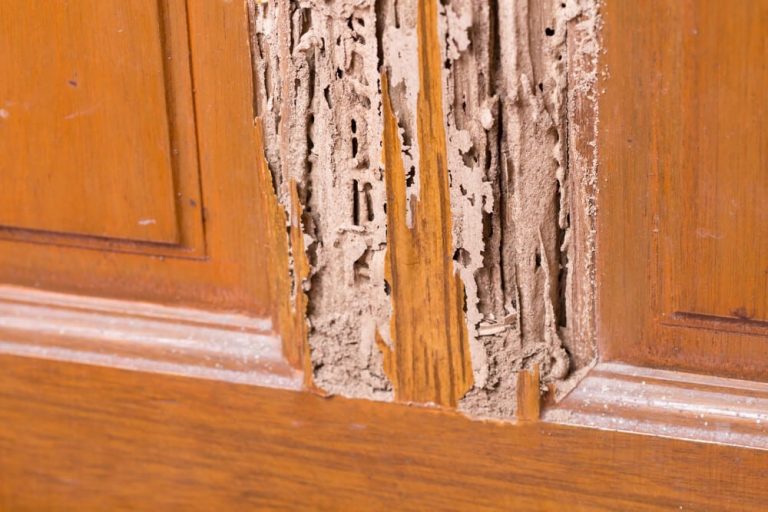
Termite damage often goes unnoticed for a long time because they work from the inside out. Their presence is usually revealed by specific indicators that are distinct from ant activity.
One of the most common signs is the presence of mud tubes. Termites, particularly subterranean termites, build these tubes made of soil, wood particles, and their own saliva to travel between their underground nests and food sources. These tubes protect them from drying out and predators.
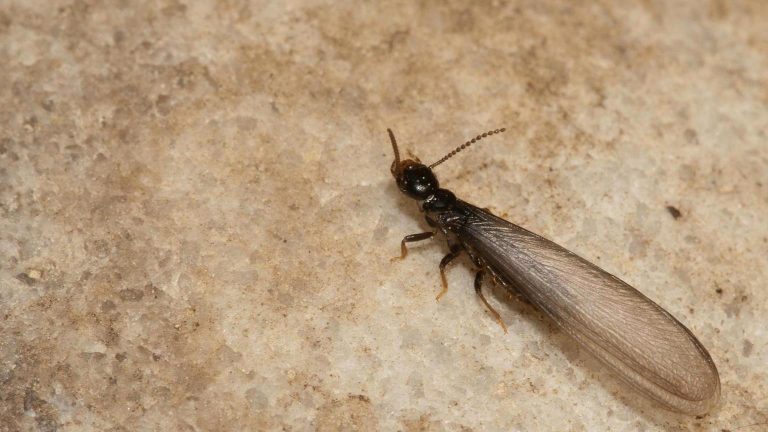
Other signs include discarded wings, which often appear after swarming events when reproductive termites emerge to start new colonies. You might also notice hollow-sounding wood if you tap on it, indicating that the internal structure has been eaten away. Small piles of fecal pellets (frass) can also be a sign, especially for drywood termites, which are different from the sawdust-like material left by carpenter ants.
* Mud Tubes
These pencil-sized tubes are made of soil and saliva and are used by subterranean termites to travel safely. They often connect the ground to wooden structures.
* Discarded Wings
Swarms of reproductive termites will shed their wings after finding a mate and a suitable nesting site. Piles of these delicate wings can be found near windows or light sources.
* Hollow Sounding Wood
When termites consume wood from the inside, they leave behind a network of tunnels. Tapping on infested wood may produce a hollow sound because the structural integrity has been compromised.
* Fecal Pellets (Frass)
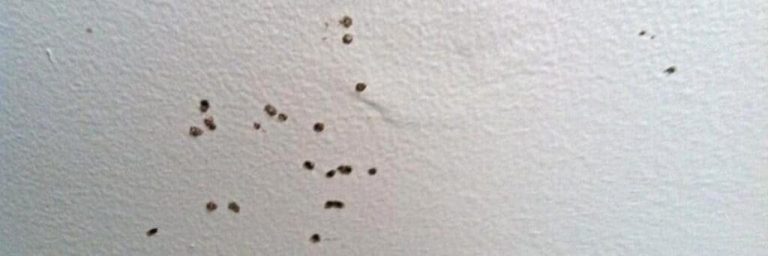
Drywood termites push their fecal pellets out of small holes in the wood. These pellets look like tiny, hexagonal grains of sand and often accumulate below infested areas.
Signs of Carpenter Ant Activity
Carpenter ants, while they damage wood, leave different clues than termites. Their tunneling is primarily for creating a home, not for food. This distinction affects the type of debris they produce and the appearance of the damage.
The most common sign of carpenter ant infestation is the presence of sawdust or wood shavings. This material, known as frass, is pushed out of small openings in the wood as the ants excavate their tunnels. The frass often contains fragments of wood and may even include remnants of dead insects, as carpenter ants are predators.
Unlike the mud tubes of subterranean termites, you won’t find these structures associated with carpenter ants. The damage they cause is characterized by smooth, clean galleries within the wood, rather than the sometimes crumbly or mud-filled tunnels of termites. You might also hear faint rustling or clicking sounds within walls, which can be the ants moving about.
* Sawdust Piles (Frass)
Carpenter ants push out wood shavings as they tunnel. This frass is distinct from termite droppings and may contain insect body parts.
* Smooth Galleries
The tunnels excavated by carpenter ants are typically smooth and well-defined. They do not use mud or soil to construct their nests within the wood.
* Visible Ant Activity
You might see large black or reddish-black ants, which are carpenter ants, foraging around your home. This is more common than seeing termites out in the open.
Real-Life Scenarios and Practical Solutions
Understanding these differences is not just academic; it has direct implications for how you protect your home. If you suspect a pest problem, correct identification leads to the right treatment. Treating for termites when you have carpenter ants, or vice-versa, will be ineffective.
For instance, a homeowner might notice small piles of sawdust near a window frame. They might initially think it’s just dust or debris. However, upon closer inspection, they find wood shavings and perhaps a large black ant. This points strongly towards a carpenter ant issue. The solution would involve locating the nest, which might be inside the wall void, and treating it directly, possibly with insecticide dust or bait.
Compare this to another scenario where a homeowner finds small holes in their baseboards, and the wood sounds hollow when tapped. They might also see tiny, sand-like pellets beneath the damaged area. These signs are characteristic of drywood termites. The solution would likely involve fumigation or localized treatments targeting the termite colony.
Scenario 1 Carpenter Ant Nest Found
A homeowner in a humid climate notices small piles of wood shavings appearing on their kitchen floor below a section of the pantry. They also observe large black ants occasionally scurrying across the countertops. Upon investigation, they carefully pull away the pantry shelving and find smooth tunnels carved into the wooden support beams.
The treatment plan involves using an insecticide dust applied directly into the galleries and entry points of the nest. Baits are also strategically placed to allow worker ants to carry the poison back to the colony, effectively eliminating the queen and the rest of the ants. This targeted approach addresses the specific problem of carpenter ants.
Scenario 2 Termite Mud Tubes Discovered
During a routine inspection of their home’s crawl space, a homeowner discovers several thin, pencil-sized tubes made of mud running up the foundation walls. They also notice some of the wooden support beams appear to have damaged surfaces that look like they have been eaten away. This is a clear indication of a subterranean termite infestation.
The recommended solution is to contact a professional pest control service. They will typically offer a liquid barrier treatment around the perimeter of the house, creating a chemical barrier that termites cannot cross. They may also use baiting systems to help monitor and control the termite population.
Can Ants Eat Wood Like Termites Shocking Truth Revealed
The shocking truth is that ants generally do not eat wood in the way termites do. While carpenter ants excavate wood to build their nests, they do not digest it for nutrition. Termites, on the other hand, have evolved to consume wood as their primary food source, aided by specialized microorganisms in their digestive systems.
This distinction is crucial for property owners. Recognizing the signs of each pest allows for accurate diagnosis and effective treatment. If you see sawdust, it’s likely ants. If you see mud tubes or hollowed wood, it’s likely termites.
Why This Matters For Homeowners
Understanding the difference between ants and termites when it comes to wood damage is vital for protecting your home and your investment. Termites are known for their destructive potential, as they can compromise the structural integrity of a building without being easily detected. Their relentless consumption of wood can lead to costly repairs if left untreated.
Carpenter ants, while not consuming wood for food, can still cause significant damage through their excavation activities. Their nests can weaken wooden structures, especially over time or in large colonies. Prompt identification and removal are necessary to prevent structural issues.
How Different Ant Species Interact With Wood
Not all ants are the same, and their relationship with wood varies. While the term “wood-destroying ants” often brings carpenter ants to mind, other species might have different, less destructive interactions with wood. Some ants might nest in soil near wooden structures, while others might forage on wood surfaces without excavating.
Understanding these nuances helps to further clarify the answer to the question, “Can Ants Eat Wood Like Termites? Shocking Truth.” It’s not a simple yes or no for all ants. Each species has its own ecological role and behavioral patterns.
Carpenter Ants The Primary Wood Excavators
Carpenter ants are the most significant ant species known for their interaction with wood. They are often mistaken for termites because they tunnel into wooden structures. However, their behavior is purely for nest construction.
These ants prefer wood that is already damp or decaying. This makes them a common problem in areas with moisture issues, such as around leaky pipes, poorly sealed windows, or in damp basements. They can also infest sound wood, but it takes longer to excavate.
The queen ant will initiate a nest in a suitable location, and over time, the colony grows, expanding its network of tunnels and chambers. The workers are responsible for expanding the nest and foraging for food, which they bring back to the colony.
* Nest Construction
Carpenter ants excavate wood to create living spaces for their colony. This involves digging out tunnels and chambers.
* Moisture Preference
They favor damp or decaying wood because it is easier to tunnel through and often indicates a more suitable environment for nesting.
* Colony Growth
As the colony expands, so does the nest. This expansion can lead to significant damage to wooden structures over months or years.
Other Ant Species and Their Wood Interactions
While carpenter ants are the most prominent, a few other ant species might show some interaction with wood, though it’s rarely destructive. Some ants might nest in crevices of wooden structures without excavating. Others might use dead wood as a source of shelter or as a substrate for their nests, but they are not actively tunneling into it.
For example, pavement ants might nest in soil adjacent to wooden decks or foundations. They may forage on wood surfaces if there’s a food source, but they don’t tunnel into it. Odorous house ants might nest in moist wood, but they typically prefer areas where the wood is already compromised by moisture or decay, and their tunneling is minimal.
It’s important to distinguish between ants that are actively tunneling and damaging wood and those that are simply using it for shelter or as a foraging ground. The former is a serious structural concern, while the latter is usually a minor nuisance.
* Nesting in Cracks
Some ants might choose small cracks or holes in wood for their nests, but they don’t excavate further.
* Foraging on Surfaces
Certain ants may walk on wooden surfaces to find food but do not damage the wood itself.
* Using Decayed Wood
Some species might nest in already decaying wood, but they do not cause the decay.
Comparing Excavation Techniques The Key Distinction
The method by which carpenter ants and termites interact with wood is a critical distinguishing factor. Carpenter ants use their mandibles to chew through wood, creating clean tunnels. Termites, on the other hand, consume wood as part of their feeding process.
The visual evidence left behind reflects this difference. Carpenter ant frass is distinct from termite droppings. The texture and appearance of the excavated wood itself also differ.
* Carpenter Ant Excavation
Carpenter ants chew wood, pushing it out as frass. The resulting tunnels are smooth and clean.
* Termite Consumption
Termites eat wood. Their tunnels may be filled with mud or soil, and the wood can appear chewed and damaged from within.
The Nutritional Needs That Drive Insect Behavior
The fundamental reason why termites eat wood and ants generally do not is their differing nutritional requirements and the biological mechanisms they possess to meet those needs. This is at the heart of the “Can Ants Eat Wood Like Termites? Shocking Truth.”
Termites are highly specialized insects. Their entire life cycle, colony structure, and social organization are built around their ability to subsist on cellulose. Ants, on the other hand, have a much broader diet.
Termite Dependence on Cellulose
Cellulose is a complex carbohydrate that is abundant in plant matter, including wood. For most animals, cellulose is indigestible. However, termites have evolved a remarkable adaptation: they host symbiotic microorganisms (bacteria, protozoa, and fungi) in their gut.
These symbionts break down the cellulose through a process called fermentation. This fermentation releases sugars and other nutrients that the termite can then absorb and use for energy and growth. Without these gut microbes, termites would starve even when surrounded by wood.
This dependence on cellulose makes termites highly efficient wood-destroyers. They are not just living in the wood; they are consuming it to survive. This is why termite infestations can be so devastating to wooden structures.
* Symbiotic Microorganisms
Termites rely on bacteria, protozoa, and fungi in their gut to digest cellulose. This is a critical biological partnership.
* Fermentation Process
The gut microbes ferment cellulose, breaking it down into usable sugars for the termite. This is a complex biochemical process.
* Nutritional Value of Wood
For termites, wood is a rich source of carbohydrates, providing the energy needed to sustain their large colonies.
Ant Diet And Foraging Strategies
Ants have a much more generalized diet. They are opportunists, feeding on a wide variety of food sources, including sugars, proteins, fats, and other organic matter. This dietary flexibility allows them to thrive in diverse environments and adapt to available food.
Common ant foods include:
* Honeydew, a sugary liquid excreted by aphids and other plant-sucking insects.
* Nectar from flowers.
* Insects, both living and dead.
* Seeds.
* Fats and proteins found in human food scraps.
While carpenter ants may excavate wood for nesting, they still forage for these other food sources to sustain themselves and their colony. Their need for cellulose as a nutrient is non-existent.
* Omnivorous Diet
Most ants are omnivores, meaning they eat both plants and animals, or products of them.
* Food Scavenging
Ants are excellent scavengers, readily consuming food waste and other organic debris.
* Foraging Behavior
Worker ants are responsible for finding and bringing food back to the colony, which includes a wide range of items, not wood.
The Evolutionary Divergence
The difference in how ants and termites interact with wood is a result of millions of years of evolutionary divergence. Termites evolved to exploit the abundant resource of cellulose, developing specialized digestive systems and social structures that support this lifestyle.
Ants, on the other hand, evolved to occupy a broader range of ecological niches. Their varied diets and adaptable foraging strategies have allowed them to become one of the most successful insect groups on the planet. Their ability to nest in various locations, including wood, is a testament to their adaptability, but not their diet.
* Evolutionary Paths
Ants and termites have followed different evolutionary paths, leading to specialized diets and behaviors.
* Ecological Niches
Termites are specialized decomposers of wood, while ants are generalist foragers occupying diverse ecological roles.
* Adaptability
Ants exhibit remarkable adaptability in their diet and nesting habits, contributing to their widespread success.
Addressing Wood Damage Concerns Effectively
When homeowners discover wood damage, it’s natural to feel concerned. The key to addressing these concerns effectively lies in accurate identification of the pest responsible. This is where the distinction between ants and termites becomes critically important.
Misidentifying the pest can lead to ineffective treatments. For example, using wood preservatives to deter termites will do little to stop carpenter ants from tunneling. Conversely, treating for ants when termites are present will not solve the underlying structural threat.
Professional Pest Control Services
For any suspected wood damage, contacting a professional pest control service is often the most reliable course of action. Experts have the knowledge and tools to correctly identify the pest and recommend the most appropriate treatment strategy.
They can distinguish between the subtle signs of termite activity and carpenter ant infestations. This ensures that the treatment targets the correct pest and addresses the specific type of damage they are causing.
A professional assessment can also determine the extent of the infestation and the potential structural impact. This information is vital for planning repairs and preventing future problems.
* Accurate Identification
Pest control professionals can accurately identify the type of insect causing the damage, distinguishing between ants and termites.
* Targeted Treatments
They develop treatment plans tailored to the specific pest, ensuring maximum effectiveness and minimizing unnecessary chemical use.
* Structural Assessment
Professionals can assess the extent of structural damage and advise on necessary repairs.
DIY Solutions And When To Use Them
While professional help is often recommended, there are some situations where DIY solutions might be appropriate, but only after proper identification. For minor carpenter ant issues in accessible areas, for example, homeowners might consider using insecticidal dusts or baits.
However, it’s crucial to understand that DIY treatments can be less effective for widespread infestations or for termites, which often require more specialized approaches. Attempting to treat a termite infestation yourself can be risky and may lead to further damage if not done correctly.
If you are confident that you are dealing with a minor carpenter ant problem, ensure you follow product instructions carefully and wear appropriate safety gear. For any doubt, or for termite concerns, always err on the side of caution and call a professional.
* Minor Carpenter Ant Issues
For very small, visible carpenter ant nests, DIY treatments like insecticidal dust or bait stations might be considered.
* Termite Infestations
DIY solutions are generally not recommended for termites due to the potential for significant structural damage and the need for specialized knowledge.
* Safety First
Always read and follow product labels carefully when using any DIY pest control products and take necessary safety precautions.
Preventative Measures For Wood Protection
Preventing wood damage in the first place is always the best strategy. This involves addressing conditions that make your home attractive to wood-damaging pests. Moisture control is paramount, as both termites and carpenter ants are attracted to damp environments.
Regular inspections of your home’s exterior and interior for any signs of pests or moisture issues are also important. Keeping wooden structures like decks and fences in good repair and away from direct contact with soil can also deter pests.
* Moisture Control
Repairing leaks, ensuring proper drainage, and ventilating damp areas can make your home less attractive to pests.
* Regular Inspections
Periodically check for signs of pests or damage, especially in areas prone to moisture.
* Maintain Wooden Structures
Ensure decks, fences, and other wooden elements are properly sealed, maintained, and kept away from soil contact.
Frequently Asked Questions
Question: Do ants eat wood for food like termites do
Answer: No, most ants do not eat wood for food. Carpenter ants excavate wood to build nests, but they don’t digest it for nutrition. Termites are the insects that consume wood as their primary food source.
Question: What is the main difference between carpenter ants and termites
Answer: The main difference is their relationship with wood. Termites eat wood for nutrition, while carpenter ants tunnel through wood to create nests but do not consume it for food.
Question: How can I tell if I have ants or termites
Answer: Look for signs like sawdust-like frass (from ants) versus mud tubes or fecal pellets (from termites). Also, note the appearance of the tunnels or damage; carpenter ants leave smooth galleries, while termite damage can be more varied.
Question: Can ants cause structural damage to my house
Answer: Yes, carpenter ants can cause structural damage by tunneling through wood over time, weakening it. While they don’t eat it, their nest expansion can be destructive.
Question: Are all ants that interact with wood a serious problem
Answer: Not all ants that interact with wood are a serious problem. Carpenter ants pose a significant risk due to their tunneling. Other ant species might only nest in pre-existing crevices or forage on wood surfaces without causing damage.
Final Thoughts
The question of whether ants eat wood like termites is answered by understanding their distinct biological needs and behaviors. Termites are true wood consumers, relying on cellulose for their survival and possessing the unique ability to digest it with the help of gut symbionts. This makes them a significant threat to wooden structures. On the other hand, certain ant species, most notably carpenter ants, excavate wood solely for the purpose of creating nests. They do not digest the wood for nutrition and have a varied diet that includes insects, sweets, and other organic matter. Recognizing the specific signs of each pest is the most crucial step in addressing any wood damage concerns effectively. Piles of sawdust are a strong indicator of carpenter ants, while mud tubes and hollow-sounding wood often point to termites. When in doubt, or for any suspected infestation, seeking professional pest control services is the best approach. These experts can accurately identify the pest and implement targeted treatments, ensuring your home is protected from potential structural damage. Proactive measures like moisture control and regular home inspections are also key to preventing future problems and keeping your property sound.