Can Goats Eat Oak Leaves? Safety and Goat Nutrition
Figuring out Can Goats Eat Oak Leaves? Is It Safe? is something lots of goat owners wonder about. Oak trees are common, and goats seem to eat everything! But, can they safely munch on oak leaves? The answer isn’t a simple yes or no, and there’s a lot to it. This guide will explore this topic step-by-step, making it super easy to learn about what your goats can and can’t eat. Get ready to find out if oak leaves are a snack or a no-go!
Goat Diets and Oak Leaf Basics
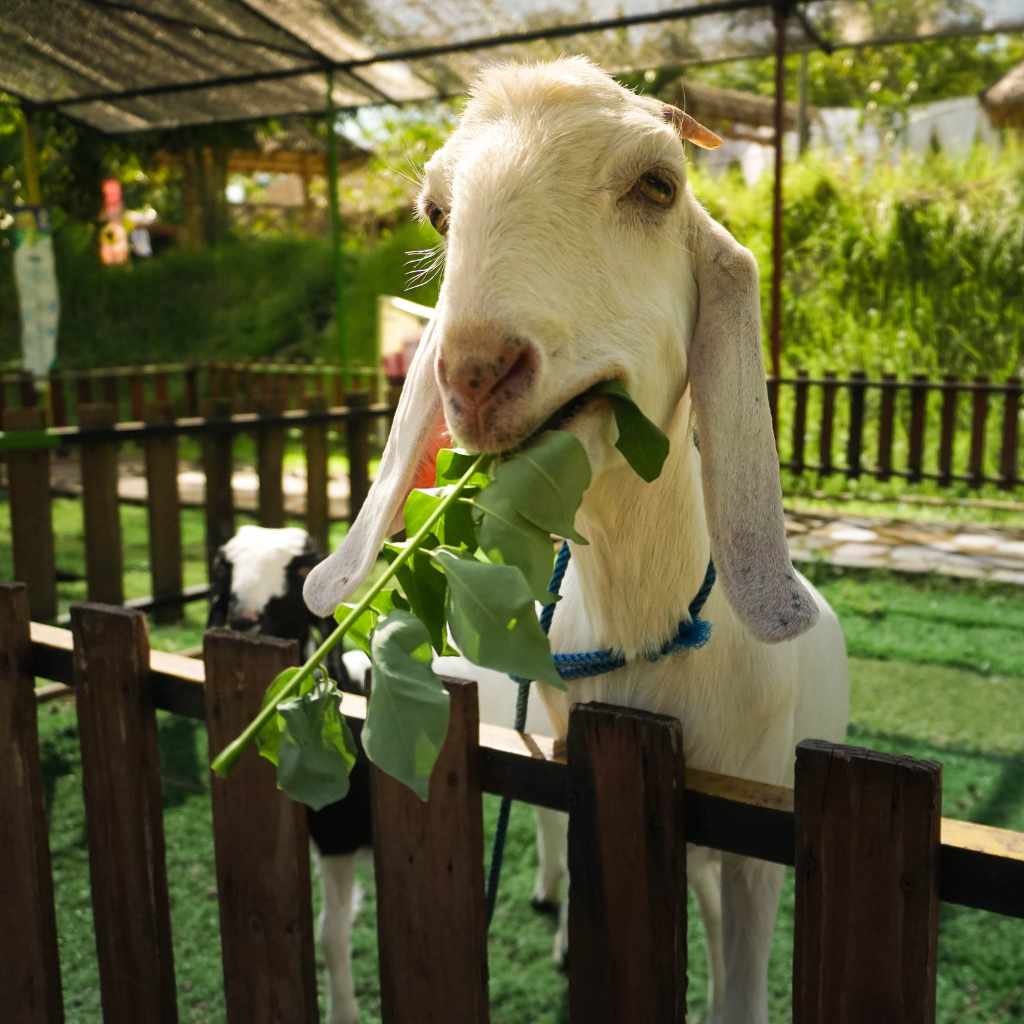
Goats are naturally curious eaters, known for trying out all sorts of plants. They’re browsers, meaning they love to munch on leaves, twigs, and other plants. The type of food a goat eats impacts their overall health and well-being. Knowing their dietary needs is an important part of goat care. Oak trees, with their abundance of leaves, are a common sight where goats live. However, the safety of oak leaves as a food source for goats is a key concern for many owners.
Goat Nutrition Fundamentals
A balanced diet is super important for goats. They need a mix of different types of food to stay healthy and strong. This includes things like roughage (hay and grass), concentrates (grains), minerals, and fresh water. Roughage provides essential fiber for digestion, while concentrates offer energy. Minerals keep everything running smoothly. The amount of each type of food depends on the goat’s age, activity level, and whether it’s pregnant or nursing. A good diet prevents health problems and keeps goats happy.
- Roughage: Hay and grass form the foundation of a goat’s diet. These are vital for good digestion. Timothy hay, alfalfa, and orchard grass are popular choices.
- Concentrates: Grains like oats and corn provide extra energy, especially for goats that are working hard. They’re often given in smaller amounts.
- Minerals: Goats need minerals like calcium and phosphorus for strong bones. A mineral block provides these nutrients. Salt is also essential.
- Water: Fresh, clean water should always be available. Goats need plenty of water, particularly during hot weather. This helps with everything from digestion to milk production.
The Oak Tree and Its Components
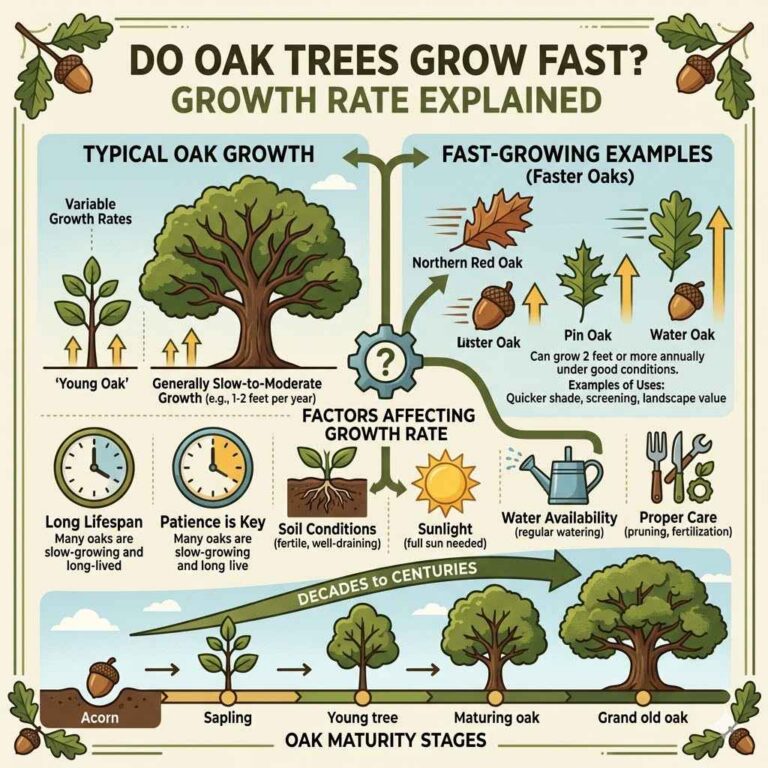
Oak trees are large, strong trees that are known for their sturdy wood and distinctive leaves. There are many different types of oak trees, each with slightly different characteristics. The leaves of an oak tree change color during the different seasons, and they play a role in the tree’s survival by helping it to make food through photosynthesis. Oak trees also produce acorns, which are seeds that are highly valued by wildlife. Knowing the different parts of the oak tree helps you to assess the risk of them being consumed by goats.
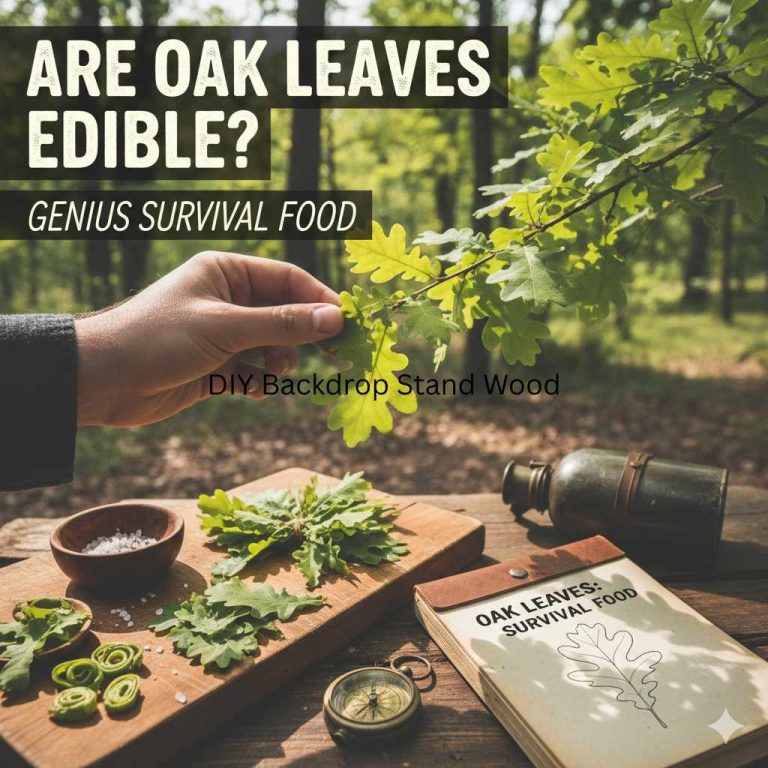
- Leaves: The leaves of oak trees are usually lobed or have rounded edges, although some varieties have leaves with points. The texture can range from smooth to slightly rough.
- Acorns: Oak trees produce acorns, which are nuts. Acorns contain tannins, which can be toxic in large amounts. They’re a significant food source for many animals.
- Bark: The bark is rough and provides protection for the tree trunk. The color and texture of the bark can vary depending on the specific type of oak tree.
- Wood: Oak wood is strong and durable and is used for building and furniture. It does not provide any nutritional value for goats.
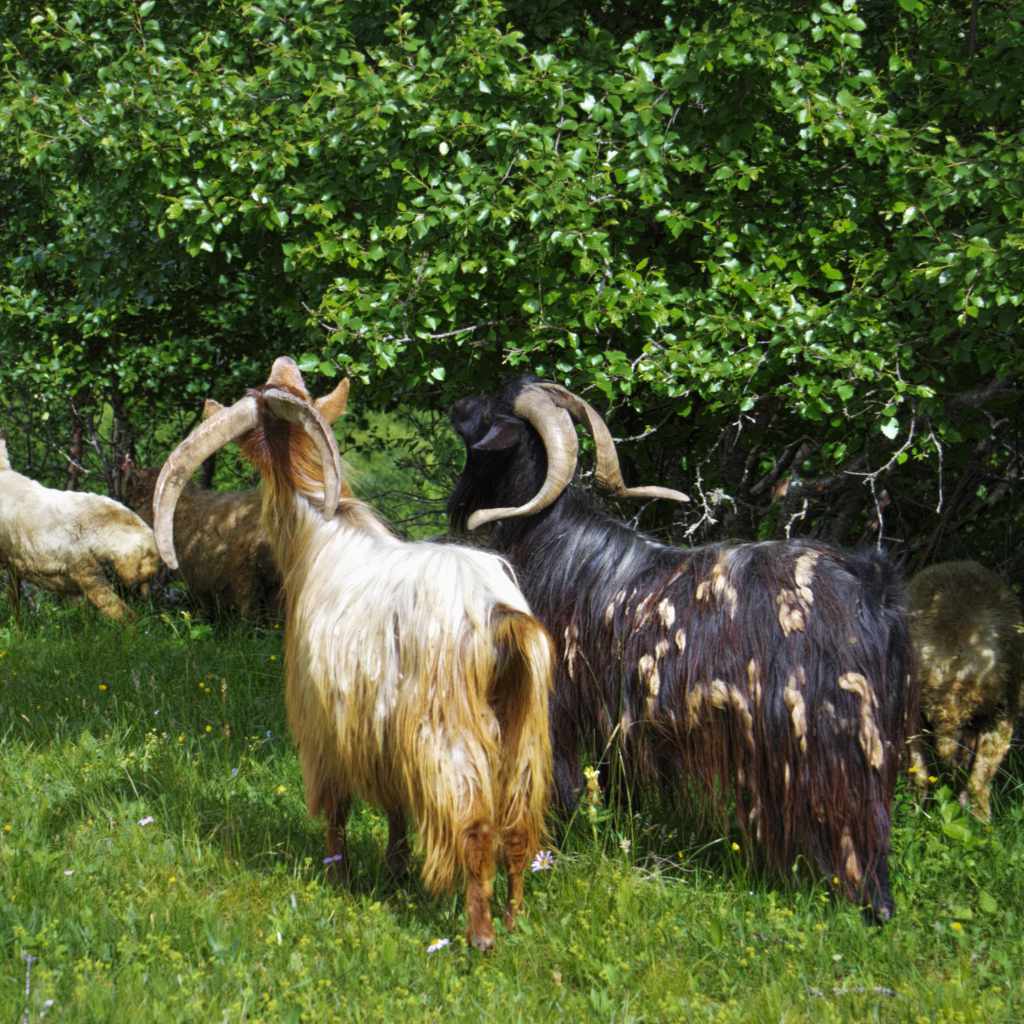
Safety Concerns: Can Goats Eat Oak Leaves? Is It Safe?
The main concern with oak leaves and goats is their safety. While goats can eat leaves, oak leaves present potential hazards that owners should be mindful of. These hazards mainly come from the tannins present in the leaves. When goats consume large amounts of oak leaves, they can experience health issues. Understanding the risks involved is the first step in ensuring your goats stay healthy.
Tannins and Their Impact
Tannins are compounds found in plants. They can have different effects depending on the plant and how much is consumed. In oak leaves, tannins are present at higher levels. For goats, tannins can cause problems like digestive upset and even kidney damage if ingested in large quantities. The amount of tannins varies between different types of oak and changes depending on the season, being most concentrated in new leaves and acorns. Understanding the levels of tannins helps gauge the potential risk.
- Digestive Upset: Eating too many oak leaves can lead to stomach aches, diarrhea, and decreased appetite. Goats might appear lethargic and not want to eat.
- Kidney Damage: Excessive consumption of tannins can damage the kidneys, leading to serious health issues. This is a very serious problem.
- Impact on Palatability: Tannins can make the leaves taste bitter, potentially deterring goats from eating too much. However, this isn’t always enough to protect them.
- Absorption Interference: Tannins can interfere with the absorption of important nutrients in the goat’s digestive system. This can lead to nutritional deficiencies.
Factors Affecting Toxicity
The toxicity of oak leaves depends on several factors. The species of oak tree, the goat’s size and health, and how much the goat eats all play a role. Young, stressed, or sick goats are often more vulnerable to the negative effects. The age and freshness of the leaves also matter. New leaves tend to have higher concentrations of tannins. By taking these variables into account, you can make better decisions for your goat’s safety.
- Oak Species: Different oak species have different levels of tannins. Some species might be more dangerous than others for goats.
- Goat’s Health: Young, old, or sick goats can be more susceptible to tannin poisoning compared to healthy adult goats. This makes them more at risk.
- Leaf Age: New leaves and acorns have a higher tannin concentration than older leaves. These are generally riskier for goats.
- Amount Consumed: The amount of oak leaves eaten is a huge factor. Small amounts might not cause problems, but a lot of leaves could be dangerous.
What to Do If Your Goat Eats Oak Leaves
If you observe your goat eating oak leaves or suspect they’ve eaten too many, quick action is vital. First, you should observe them closely and look for any signs of illness. Also, you must take steps to minimize any additional exposure to oak leaves. Prompt veterinary care is very important if any problems are spotted. Time is key when dealing with potential toxin exposure.
Recognizing the Signs
Knowing what to look for can help you identify if a goat is experiencing a problem. Common signs include loss of appetite, lethargy, and changes in their stools. Also, other signals might give you clues about the severity of the problem. Paying close attention to your goat’s behavior and physical condition is very important.
- Loss of Appetite: A goat that isn’t eating may be a sign of a problem, particularly if they previously had a healthy appetite.
- Lethargy: Goats with tannin poisoning might appear tired or weak. They could be less interested in interacting with other goats.
- Diarrhea: Changes in stool, like diarrhea, are a common symptom of digestive upset caused by oak leaves.
- Dehydration: In serious cases, goats may become dehydrated due to diarrhea or reduced fluid intake. This is serious and needs quick response.
Immediate Actions to Take
If you see signs of a problem, there are immediate actions that need to be taken. First, remove the goat from the area with oak trees and offer them fresh water to help flush the tannins from their system. It’s important to contact your veterinarian. Follow their advice. Early intervention is often very important in treating problems with oak leaves.
- Remove from Source: The first step is to remove the goat from the area with oak trees. Preventing additional consumption of oak leaves is crucial.
- Provide Fresh Water: Make sure the goat has access to plenty of fresh, clean water. This helps to flush out toxins and keep them hydrated.
- Contact a Vet: Call your veterinarian immediately and explain the situation. They can provide advice specific to your goat.
- Supportive Care: Follow your vet’s instructions, which may include administering fluids, medications, or dietary changes. Provide comfortable shelter.
Alternatives to Oak Leaves for Goats
Instead of oak leaves, there are many safe and beneficial foods to give your goats. A well-planned diet makes sure your goats get the nutrition they need without the potential dangers of oak. This helps to promote the goats’ health and prevents potential issues. A balanced diet with the correct ingredients creates a better environment for your goats.
Safe Foraging Options
If you want to allow your goats to browse, there are several safe alternatives to consider. The important thing is to make sure the plants you offer are safe for goats. Many safe alternatives provide good nutrition and help meet a goat’s natural browsing instincts. Researching safe options will help you offer a varied and enriched diet.
- Grasses: Various grasses are safe and nutritious. Make sure to rotate grazing areas to avoid overgrazing, which can be detrimental.
- Legumes: Legumes, such as clover and alfalfa, provide good sources of protein and are generally safe. They can be good additions.
- Shrubs and Trees (with caution): Some shrubs and trees are safe in small quantities. Willow and elder are generally accepted; research specifics.
- Hay and Concentrates: Providing hay and grain concentrates can ensure goats have a balanced diet, especially during times when grazing options are limited.
Supplemental Feeds
Aside from browsing, supplemental feeds can help make sure your goats are getting all the nutrients they need. Adding these supplements can help address specific requirements. Supplements give extra support, especially for goats with special needs, and provide a way to boost their general health.
- Hay: Good quality hay, such as timothy or orchard grass, should be the base of a goat’s diet. It is essential for digestion.
- Grain: Grains like oats or a commercial goat feed can give extra energy, particularly to growing or pregnant goats. Use in moderation.
- Minerals: A good mineral supplement is essential to provide necessary nutrients. Goats need minerals like calcium and phosphorus for strong bones.
- Supplements for special needs: Pregnant or nursing goats might need special supplements that support their high nutritional needs. Follow veterinary advice.
| Feed Type | Benefits | Considerations |
|---|---|---|
| Hay (Timothy, Orchard) | Provides fiber for digestion, essential nutrients. | Ensure high quality, avoid mold. |
| Grain (Oats, Corn) | Offers energy, helps with weight gain, supports milk production. | Use in moderation to prevent obesity. |
| Mineral Supplement | Provides crucial minerals like calcium, phosphorus. | Always provide a free-choice mineral block. |
| Browse (Willow, Elder) | Offers natural foraging, adds variety. | Introduce new browse gradually; know your local plants. |

Frequently Asked Questions
Question: Can baby goats eat oak leaves?
Answer: Baby goats are especially sensitive. It’s best to keep them away from oak leaves since their digestive systems are still developing and more vulnerable to toxins.
Question: Are acorns more dangerous than oak leaves?
Answer: Yes, acorns contain higher concentrations of tannins than oak leaves. Acorns are more concentrated and pose a greater risk, especially if consumed in large amounts.
Question: How much oak leaf consumption is considered too much?
Answer: The amount of oak leaves considered dangerous varies. Small amounts might not cause issues, but large amounts, particularly from acorns or young leaves, should be avoided.
Question: Can I prevent my goats from eating oak leaves?
Answer: Yes, you can limit access by fencing off oak trees. Providing sufficient alternative forage, like hay, can also help keep them from seeking oak leaves.
Question: What’s the best way to care for a goat that has eaten oak leaves?
Answer: Immediate steps include removing the goat from the area, offering fresh water, and contacting your veterinarian. Prompt veterinary care is very important.
Final Thoughts
So, Can Goats Eat Oak Leaves? Is It Safe? The short answer is: it’s complicated. While goats may nibble on oak leaves, the potential for tannin toxicity makes it risky. The amount eaten, the species of oak, and the goat’s overall health are key factors. Being aware of the dangers and being able to identify the signs is important. If you suspect your goat has eaten too much, act fast. Safe alternatives like hay, grass, and certain other plants are much better choices. Remember, providing a well-balanced diet and observing your goats carefully keeps them healthy and happy. Keep an eye on what they eat and be ready to help them if needed. This way, you can enjoy a happy, healthy goat herd!