Is Pin Oak Good for Lumber: Not Really, Here’s Why
Pin oak is not a good choice for fine furniture — its lower branches leave the boards full of knots, and the wood checks badly as it air-dries, unless it grew crowded in a forest rather than alone in a yard. A straight 40-foot trunk often hides only 8 feet of clear lumber near the base. This guide covers pin oak’s real Janka hardness against other oak species, its rot resistance, and when it’s worth milling instead of burning.
How Strong Is Pin Oak Lumber? (Janka Hardness & Durability)
Best Pin Oak Checking-Prevention Pick

Anchorseal 2 Log & Lumber End Grain Sealer (1 Qt) – $28.45
Sealing the end grain right after milling slows the uneven moisture loss that causes the checking cracks described above — the industry-standard product sawyers use on oak.
- Best for: freshly sawn pin oak boards and log ends
- Why we picked it: directly targets the checking defect this guide covers, not a generic wood finish
- Main drawback: wax-based, so it must be scraped or planed off before glue-up
Compare more drying & moisture-check options
 Option 1 General Tools MMD4E Moisture Meter – $37.70
|
 Option 2 Klein Tools ET140 Pinless Meter – $49.97
|
 Option 3 Anchorseal 2 End Sealer (1 Gal) – $49.98
|
As an Amazon Associate we earn from qualifying purchases.
Pin oak (Quercus palustris) has a Janka hardness rating of 1,500 lbf — harder than both Northern Red Oak (1,220 lbf) and White Oak (1,350 lbf). Strength was never pin oak’s problem. The wood itself is dense, straight-grained, and takes stain and glue well.
Rot resistance is a different story. Like other members of the red oak family, pin oak has open, porous pores that let moisture and fungus in, so its decay resistance is rated minimal — nowhere near true White Oak, which is dense enough to be watertight and is the species barrel and boat builders actually use.
Why Pin Oak Checks, Cracks, and Smells When It Dries
Three defects explain pin oak’s bad reputation at the sawmill, and none of them are about strength:
- Checking: pin oak’s wide, coarse growth rings (up to ½ inch a year on fast-grown trees) shrink unevenly as the board dries, so surface cracks open up along the grain.
- Ring shake: the more serious defect — the growth rings themselves separate like the layers of an onion, sometimes invisibly until the log is already sawn. A shaken log is usually only good for firewood.
- Odor: yard and pasture-grown pin oaks often develop a bacterial “wetwood” infection that produces a sour smell (woodworkers call it “piss oak”) that can linger for months of air-drying.
📊 Pin oak’s Janka hardness is 1,500 lbf, but its rot/decay resistance is rated minimal because it lacks the tannin-plugged pores that make true White Oak durable outdoors — Source: The Wood Database, Pin Oak
Scott Wunder, a sawmill and kiln-drying operator at WunderWoods who has milled pin oak firsthand, sums up what happens to even the better logs: even good pin oak lumber is “easily surpassed in quality by almost any other reputable wood.”
Forest-Grown vs. Yard-Grown Pin Oak: Why Origin Matters
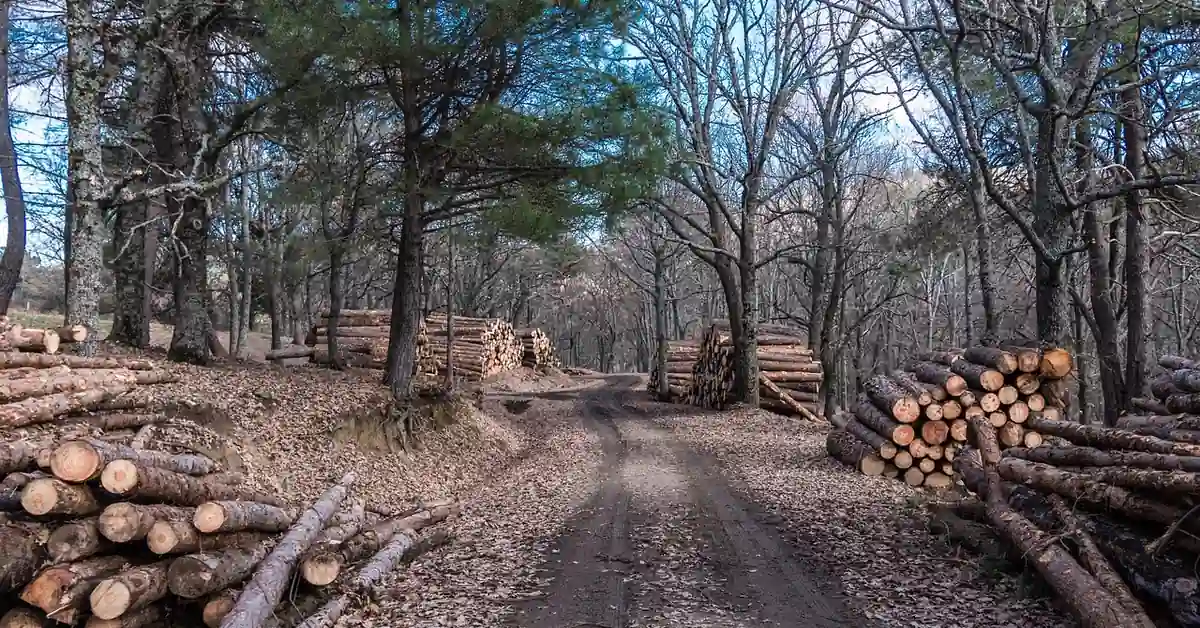
Not every pin oak is a lost cause. A tree that grows crowded in a forest stand self-prunes its lower limbs early, so the trunk can yield a longer clear section once it’s milled. An open-grown yard or pasture tree keeps every low branch for decades, and those branches become the knots — plus yard trees are the ones most prone to the bacterial wetwood infection behind the odor problem.
If you’re deciding whether to pay to have a pin oak milled instead of cut for firewood, ask where it grew before you ask how big it is — a forest-grown trunk is worth a second look; a solitary yard tree almost never is.
Whichever kind of log you start with, slow, controlled drying is what actually limits checking. Two tools make that manageable at home:
Pin Oak vs. Red Oak vs. White Oak: How It Really Compares
On paper, pin oak is the hardest of the three. In the shop, that fact matters less than yield and rot resistance:
| Wood Type | Janka Hardness | Decay Resistance | Best For |
|---|---|---|---|
| Pin Oak | 1,500 lbf | Minimal | Firewood, pallets, character/rustic pieces |
| Red Oak | 1,220 lbf | Minimal | Furniture, flooring, cabinetry |
| White Oak | 1,350 lbf | Very durable | Outdoor furniture, flooring, barrels/boatbuilding |
Source: The Wood Database species profiles for Pin Oak, Red Oak, and White Oak. Red oak and white oak are milled commercially at scale, so sawmills can select straight, clear logs — pin oak mostly comes from scattered yard and street trees, which is why the lumber itself, not the species, is the limiting factor.
Is Pin Oak Good for a Table Top?
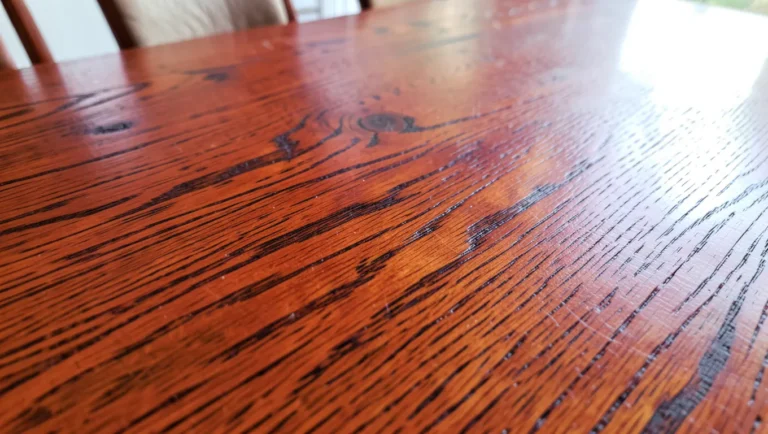
Hardness-wise, yes — at 1,500 lbf pin oak resists dents better than the red or white oak most tabletops are actually built from. The real obstacle is finding boards wide and long enough without a knot or a checked section in them, since usable clear lumber is limited to roughly the bottom 8 feet of the trunk. Most furniture makers who do use pin oak build a glued-up top from narrower clear sections between the knots, or lean into the knots as a rustic design feature, rather than trying to source one wide clear board.
What Pin Oak Lumber Is Actually Good For
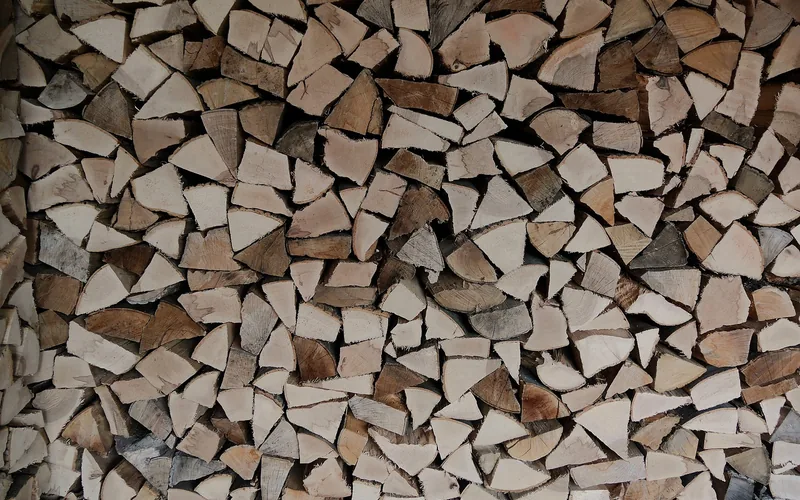
Pin oak isn’t worthless — it’s just not furniture-grade by default. Realistic uses include pallet stock, blocking, and other construction lumber that doesn’t need long clear runs; rustic furniture, shelving, or accent flooring where knots read as character instead of a defect; and, once seasoned for several months to let the odor dissipate, firewood — which is where most arborists and sawyers agree pin oak earns its keep. If a single yard tree is all you have, weigh the cost of milling and drying against simply having it split for firewood.
Frequently Asked Questions
Is Pin Oak Good For Furniture Making?
Not for fine furniture. Pin oak’s numerous low branches leave the lumber knotty, and it checks badly as it dries, so it rarely yields the wide, clear boards furniture makers need. It works better for rustic pieces where the knots are treated as a design feature.
How Strong Is Pin Oak Lumber?
Pin oak has a Janka hardness of 1,500 lbf, making it harder than Red Oak (1,220 lbf) and White Oak (1,350 lbf). Strength isn’t the issue — its minimal decay resistance and tendency to check and knot are what limit its use.
What Are The Benefits Of Using Pin Oak?
Pin oak is inexpensive or free if you’re milling your own tree, dense enough to hold up as flooring or shelving, and takes stain well. It’s a practical choice for pallets, rustic furniture, and firewood, though not for fine, furniture-grade projects.
Can Pin Oak Be Used For Outdoor Projects?
Only with caution. Pin oak’s decay resistance is rated minimal, unlike true White Oak, so untreated pin oak left outdoors will rot faster than expected. If you do use it outside, seal all faces and end grain and expect to replace it sooner than a naturally rot-resistant species.
Why Does Pin Oak Smell Bad When Cut?
Yard and pasture-grown pin oaks often develop a bacterial wetwood infection that produces a sour odor, sometimes called “piss oak.” The smell typically fades after a few months of proper air-drying, though it can return if the wood gets wet again.
Conclusion
Pin oak is not really good for lumber in the furniture-grade sense — its knots, checking, and minimal decay resistance rule out most fine woodworking uses, even though the wood itself is harder than red or white oak. It still has a place as pallet stock, rustic furniture, accent flooring, or well-seasoned firewood, especially if the tree grew crowded in a forest rather than alone in a yard. Know which kind of log you’re starting with, seal the ends promptly, and dry it slowly, and pin oak can still be worth the saw time.
Sponsored / affiliate links. As an Amazon Associate I earn from qualifying purchases. I may earn additional commission from eligible campaigns.