Best Non-Toxic Wood Floor Cleaner (pH-Neutral & Pet-Safe Picks)
A non-toxic wood floor cleaner works by staying pH-neutral (roughly 6–8) so it lifts dirt without breaking down a polyurethane or wax finish — unlike ammonia, wax-strippers, or straight vinegar, which do. Using the wrong cleaner repeatedly dulls the finish and can force an early sand-and-refinish job. This guide compares four real, EWG- and manufacturer-data-verified picks (Bona, Aunt Fannie’s, Method, and Better Life), explains which finishes each is safe for, and covers the pet- and kid-safety questions people actually ask.
Quick Answer
Look for a pH-neutral (6–8), EWG A/B-rated, or GREENGUARD/Safer Choice–certified formula — Bona Hardwood Floor Cleaner and Aunt Fannie’s Ultra Concentrated both qualify and are safe for sealed hardwood. Avoid ammonia, wax-based sprays, and undiluted vinegar on polyurethane finishes; all three break the finish down over repeated use.
What Makes a Wood Floor Cleaner Genuinely Non-Toxic?
Best Non-Toxic Wood Floor Cleaner Pick
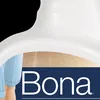
Bona Hardwood Floor Cleaner Spray, 32 fl oz
pH-neutral, Safer Choice Certified formula built specifically for sealed hardwood — residue-free and safe for daily use.
- Best for: sealed polyurethane or lacquered hardwood floors
- Why we picked it: published pH 6.0–8.0 and third-party Safer Choice certification, not just a marketing claim
- Main drawback: not formulated for unsealed, oiled, or waxed wood floors
Compare more non-toxic floor cleaner options
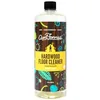 Option 1 Aunt Fannie’s Ultra Concentrated, 32 oz
|
 Option 2 Method Squirt + Mop, Almond, 25 oz
|
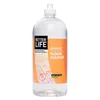 Option 3 Better Life Floor Cleaner, Citrus Mint, 32 oz
|
As an Amazon Associate we earn from qualifying purchases.
Non-toxic in this context means a cleaner free of ammonia, chlorine bleach, and undisclosed VOC-heavy solvents, verified against a real safety data sheet (SDS) or a third-party rating rather than marketing copy alone. Three things actually confirm it: a published pH between 6 and 8 (true neutral, safe for finished wood), a rating from an independent body like EWG’s Guide to Healthy Cleaning, and a full ingredient list on the label or SDS rather than just “proprietary blend.” A product can call itself “natural” and still contain a formaldehyde-releasing preservative like DMDM hydantoin — check the actual ingredient panel, not just the front label.
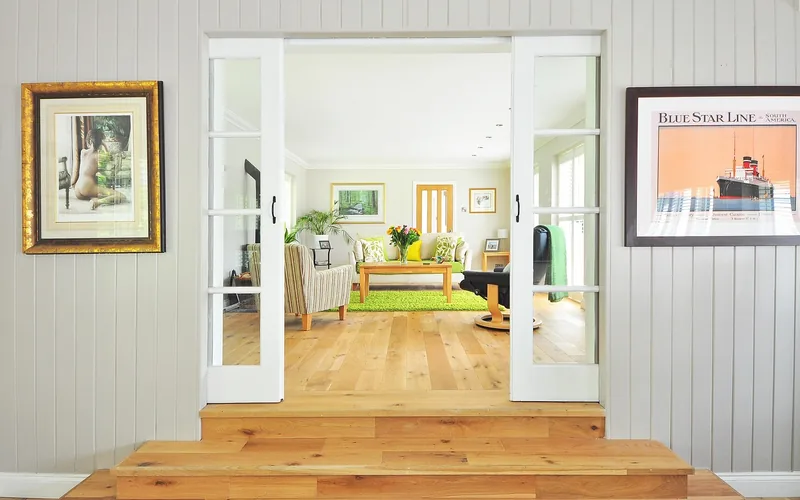
For general upkeep beyond just the cleaner you choose, our Wood Flooring Guide covers installation and long-term care across every wood floor type.
Best Non-Toxic Wood Floor Cleaners Compared (2026)
We pulled the published pH, EWG rating, and full ingredient disclosure for the four cleaners homeowners ask about most — something most “best of” roundups skip in favor of star ratings alone. Want the wider field? Our roundup of wood floor cleaning supplies stacks up seven products on pH, ingredient safety, and real cost per gallon.
| Cleaner | pH / Rating | Ingredients Disclosed? | Best For |
|---|---|---|---|
| Bona Hardwood Floor Cleaner | pH 6.0–8.0, Safer Choice Certified | Yes — water, mild surfactants, glycol ether | Sealed polyurethane/lacquer floors |
| Aunt Fannie’s Ultra Concentrated | Vinegar-free, EWG A-rated | Yes — sugar surfactant, citric acid, essential oils | Solid, engineered, bamboo & laminate |
| Method Squirt + Mop | EWG-listed; not independently pH-published | Yes — contains DMDM hydantoin (preservative) | Quick spot-cleans on sealed hardwood/laminate |
| Better Life Floor Cleaner | EWG C–D (fragrance blend) | Yes — plant-derived glucosides, essential oils | Multi-surface homes (wood, tile, vinyl, bamboo) |
See our full walkthrough on how to use Bona Hardwood Floor Cleaner if that’s the pick you land on — dilution and mopping technique matter as much as the formula.
Is Vinegar Actually Safe for Wood Floors?
No — not undiluted, and not as a regular routine. Vinegar is acidic, and even diluted with water it will slowly etch and dull a polyurethane or lacquer finish with repeated use, leaving a cloudy or streaky look over time. This contradicts a lot of DIY advice still circulating online. If you want a plant-based cleaner, choose a genuinely vinegar-free formula like Aunt Fannie’s Ultra Concentrated rather than mixing your own vinegar solution for finished floors.
Which Cleaners Are Safe for Your Floor’s Finish?
Ammonia, wax-stripping cleaners, and abrasive scouring products will all break down a polyurethane finish — ammonia specifically acts as a wax stripper, dulling the topcoat and leaving the wood underneath exposed to moisture damage. If you have an older waxed or oil-finished floor rather than polyurethane, check our guide on cleaning engineered hardwood floors first, since the safe-cleaner list is different for oil finishes.
📊 Ammonia-based cleaners act as wax strippers and will dull or destroy a polyurethane finish’s protective layer within a few uses — the damage is not reversible with more cleaning; it requires a full sand-and-refinish. Source: professional flooring-care guidance (WoodFloorDoctor.com), 2026.
“I’ve refinished more than one hardwood floor that a well-meaning homeowner dulled with an ammonia-based all-purpose spray — once that polyurethane haze sets in, only a full sand-and-refinish fixes it. A pH-neutral, wood-specific cleaner costs a few dollars more per bottle and saves that entire job.”
Cleaning Wood Floors Safely with Pets and Kids at Home
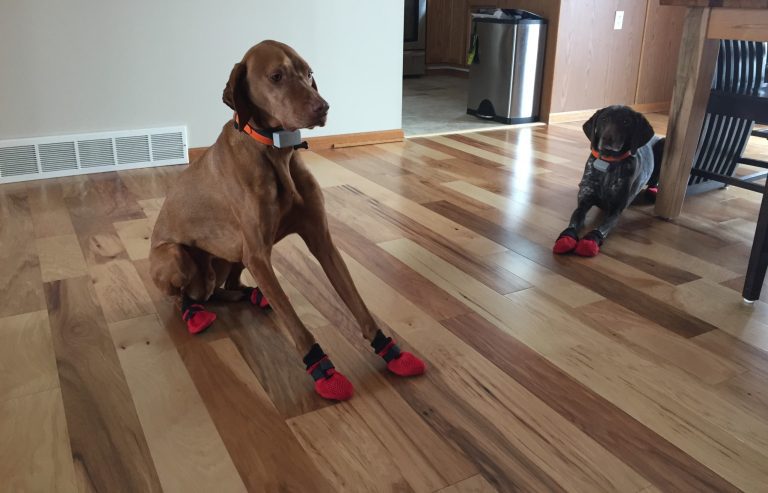
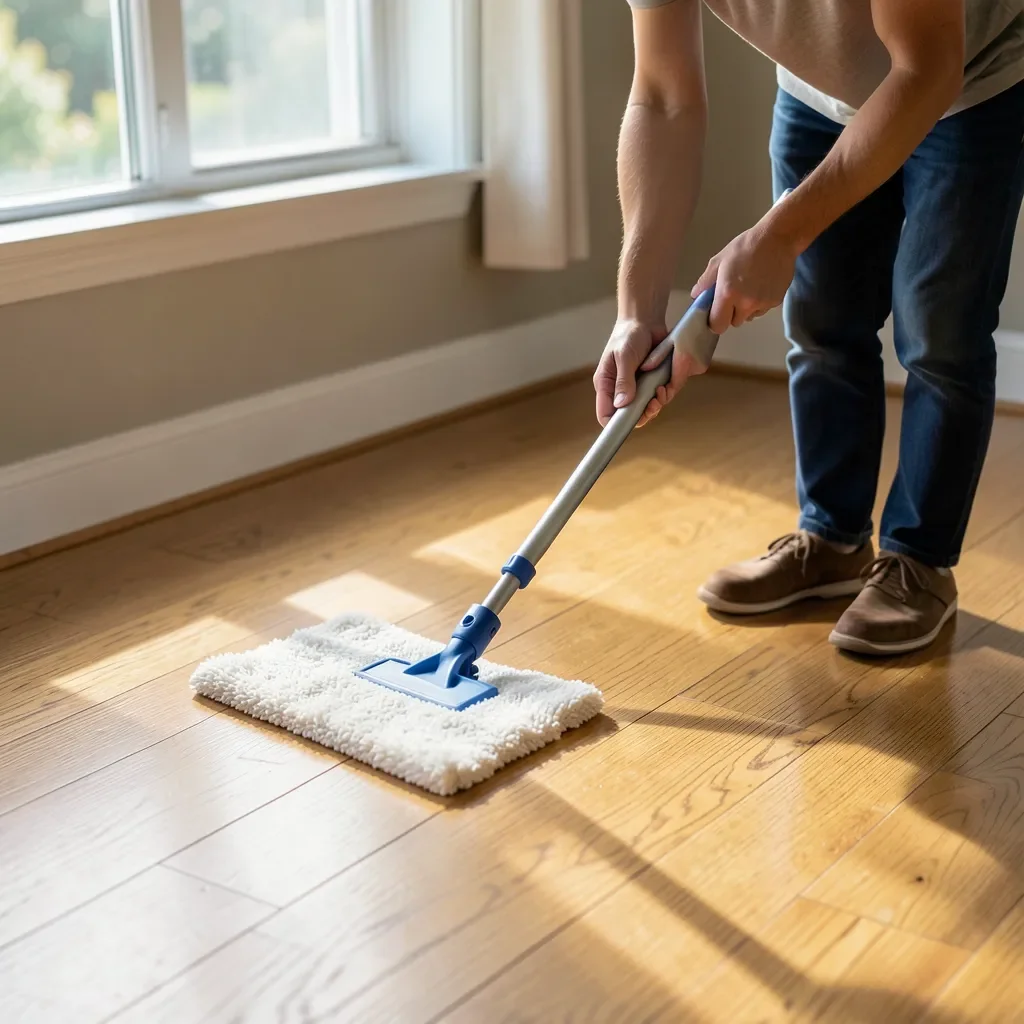
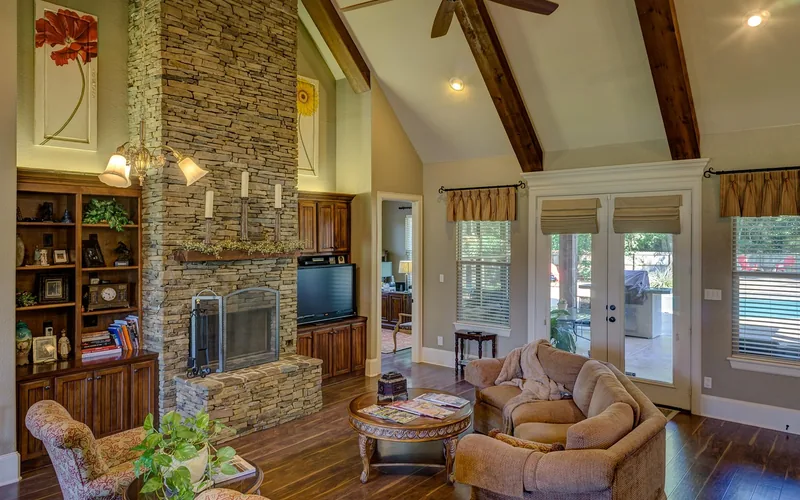
For households with pets or young kids, pair a pH-neutral or EWG A/B-rated cleaner with a microfiber mop and avoid soaking the floor — standing water is both a slip hazard and a cause of cupping or warping at the seams, and it can also promote hidden mold growth under the boards if it seeps between planks. If you notice a musty smell or discoloration near baseboards after a wet-mopping mistake, see the warning signs in our mold-under-hardwood-floors guide. Damp-mop only, never wet-mop, and let the floor air-dry fully before pets or kids walk on it. Cat owners specifically should vacuum up loose litter before mopping, not after — wet-mopping over dry litter grinds it into the finish. Our comparison of vacuums for cat litter on hardwood floors covers which models handle that safely.
Frequently Asked Questions
What makes a wood floor cleaner non-toxic?
A genuinely non-toxic wood floor cleaner is free of ammonia and chlorine bleach, has a published pH between 6 and 8, and carries an independent rating such as EWG A/B or GREENGUARD/Safer Choice certification — not just a “natural” label with no ingredient disclosure.
Is vinegar safe to use on hardwood floors?
No. Vinegar is acidic and will dull or etch a polyurethane or lacquer finish with repeated use, even when diluted. Choose a vinegar-free, pH-neutral cleaner instead for any finished hardwood floor.
Can I use a non-toxic cleaner on polyurethane-finished floors?
Yes, as long as it’s pH-neutral and specifically labeled safe for sealed hardwood, such as Bona Hardwood Floor Cleaner. Avoid ammonia, wax-based sprays, and oil soaps on polyurethane, since all three degrade the topcoat over time.
How often should I clean wood floors with a non-toxic cleaner?
Damp-mop with a pH-neutral cleaner once every one to two weeks for normal households, and increase to weekly for homes with pets or kids. Daily dry sweeping or vacuuming between mop sessions prevents grit from scratching the finish.
Are non-toxic cleaners safe for unsealed or oiled wood floors?
Not automatically — unsealed and oil-finished floors need a different care routine than sealed polyurethane, since water-based cleaners can raise the grain or strip a hard-wax oil finish. See our unfinished wood floor cleaning guide for the correct method before using any bottled cleaner on an unsealed floor.
The right non-toxic wood floor cleaner comes down to matching the formula to your floor’s actual finish: pH-neutral for sealed polyurethane, a vinegar-free plant-based formula for engineered or laminate, and always a damp — never soaked — mop for pet and kid households. Skip ammonia, wax-strippers, and straight vinegar regardless of which bottle you buy.
Sponsored / affiliate links. As an Amazon Associate I earn from qualifying purchases. I may earn additional commission from eligible campaigns.