Can I Use MDF Outside? Durability Tips & Tricks
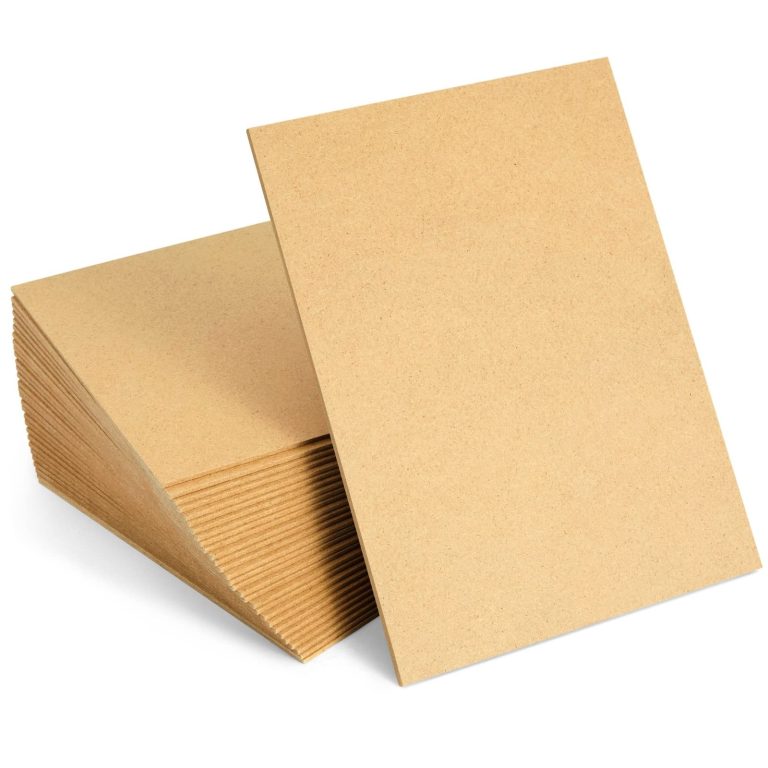
No, MDF should not be used outside due to its poor resistance to moisture and weather conditions. MDF, or medium-density fiberboard, is a type of engineered wood that is made by compressing wood fibers with adhesive.
It is known for its smooth surface and affordability, making it popular for indoor applications such as furniture, cabinets, and trim work. However, MDF is not designed to withstand outdoor elements and can easily swell, warp, and deteriorate when exposed to moisture, humidity, and temperature changes.
To ensure the longevity and durability of your project, it is recommended to use exterior-grade or moisture-resistant materials specifically designed for outdoor use.
Comparing MDF With Other Building Materials
Medium-density fiberboard (MDF) is a popular material used in construction projects due to its affordability, versatility, and ease of use. But, can you use MDF outside? This is a common question among homeowners and builders, and the answer is no. MDF is not suitable for outdoor use as it can easily absorb moisture and swell, causing the board to expand and disintegrate.
MDF Vs. Solid Wood
When it comes to comparing MDF with solid wood, there are several differences to consider. While solid wood is a natural material that provides a unique and timeless appearance, it is more expensive than MDF. Additionally, solid wood is prone to warping and cracking when exposed to moisture and temperature changes, while MDF is more stable.
MDF Vs. Plywood
Plywood is another popular building material that is similar to MDF in terms of cost and versatility. However, plywood is made of multiple layers of wood veneers, which make it stronger and more durable than MDF. Plywood can also be used outdoors, unlike MDF. However, plywood is prone to splitting and splintering, while MDF can be easily cut and shaped without any damage.
In conclusion, MDF is a versatile and affordable material that is suitable for indoor use only. When it comes to comparing MDF with other building materials, each material has its own advantages and disadvantages. Therefore, it is important to choose the right material based on your specific needs and requirements.
Challenges Of Using MDF Outdoors
When it comes to outdoor projects, using Medium Density Fiberboard (MDF) can pose some challenges. While MDF is a versatile and cost-effective material for indoor applications, its performance outdoors can be compromised due to various factors. In this section, we will explore two key challenges that arise when using MDF outside: moisture and humidity effects, and temperature fluctuations.
Moisture And Humidity Effects
MDF is known to be highly susceptible to moisture and humidity. Unlike other wood products that have natural resistance to water, MDF is made from wood fibers and resin, which are prone to swelling and warping when exposed to moisture. This can lead to structural instability and a shortened lifespan of the outdoor project.
Moisture can seep into the MDF through cracks, joints, or even the edges, causing it to swell and lose its shape. In high humidity environments, MDF can absorb moisture from the air, further exacerbating the problem. Once the MDF absorbs moisture, it becomes weaker and more vulnerable to rot, mold, and decay. This can not only compromise the integrity of the outdoor structure but also create an unsightly appearance.
Temperature Fluctuations
Temperature fluctuations also pose a challenge when using MDF outdoors. MDF is sensitive to changes in temperature, expanding and contracting as it heats up or cools down. These constant changes in size can lead to cracking, splitting, and delamination of the MDF panels.
Extreme heat can cause the MDF to expand beyond its original dimensions, putting pressure on the joints and potentially causing them to fail. On the other hand, extreme cold can cause the MDF to contract, leading to gaps and weakened connections. These temperature-related issues not only compromise the structural integrity of the outdoor project but also affect its aesthetic appeal.
To mitigate the challenges of using MDF outdoors, it is crucial to take preventive measures. Applying a waterproof sealant or paint to the surface of the MDF can help protect it from moisture. Additionally, ensuring proper ventilation and drainage in outdoor structures can help minimize the effects of humidity. It is also advisable to choose alternative materials that are specifically designed for outdoor use, such as pressure-treated wood or weather-resistant composites.
Preparation For Exterior Use
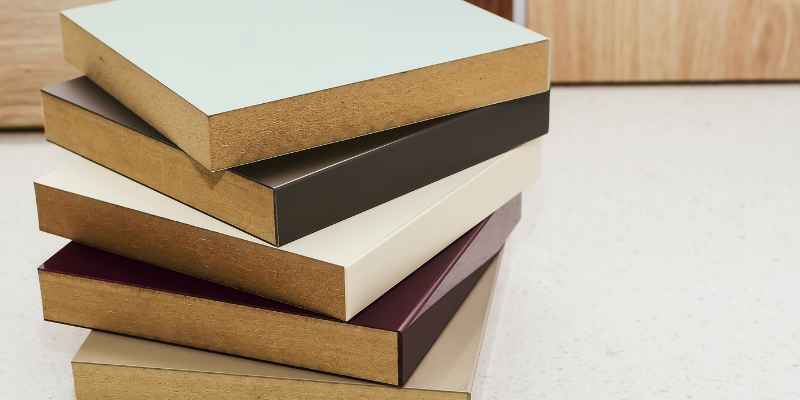
When it comes to using MDF (Medium Density Fiberboard) outside, proper preparation is crucial for ensuring its durability and longevity. Preparing MDF for exterior use involves sealing and priming the material, as well as choosing the right sealant to protect it from moisture and other environmental factors.
Sealing And Priming
Sealing and priming MDF before using it outside is essential for preventing water damage and decay. Before applying any sealant or primer, make sure the surface of the MDF is clean and free from dust, dirt, and any previous finishes. Wipe it down with a damp cloth and allow it to dry completely.
Once the MDF is clean and dry, apply a suitable wood primer to all exposed surfaces. The primer helps to seal the MDF, preventing moisture from penetrating the material. Apply the primer evenly using a brush or roller, following the manufacturer’s instructions for drying time.
Choosing The Right Sealant
Selecting the appropriate sealant is crucial for protecting MDF from moisture, temperature changes, and other outdoor elements. Look for a sealant specifically designed for exterior use and suitable for MDF. Some sealants may require multiple coats for optimal protection, so be sure to follow the manufacturer’s instructions.
Apply the sealant evenly to all primed surfaces, ensuring complete coverage. Pay extra attention to any joints, edges, or areas prone to water exposure. Allow the sealant to dry thoroughly before proceeding with any further treatments or installations.
In conclusion, preparing MDF for exterior use involves sealing and priming the material and choosing the right sealant. By following these steps, you can enhance the durability and longevity of MDF when used outside.
Best Practices For Outdoor MDF
When using MDF outside, proper installation and maintenance are crucial. Follow these guidelines for the best results.
Installation Tips
- Seal edges with waterproof sealant
- Use exterior-grade paint or sealant
- Ensure proper ventilation for drying
Maintenance Routines
- Regularly inspect for damage
- Reapply sealant as needed
- Keep clean and free from debris
Protective Finishes For MDF
MDF can be used outside with proper protective finishes. Seal edges with water-resistant sealant to prevent moisture damage. Apply exterior-grade paint or varnish for added protection against the elements.
MDF (Medium-Density Fibreboard) is a popular material used in furniture manufacturing due to its affordability and versatility. However, one question that often arises is whether MDF can be used outside. The answer is no, as MDF is not suitable for outdoor use since it can absorb moisture and swell. However, by applying protective finishes, you can increase the durability of MDF and make it suitable for indoor use.
Painting MDF For Durability
Painting MDF is one of the most common methods used to protect it from moisture and wear. Before painting, it is essential to prepare the surface by sanding it down and cleaning it thoroughly. To ensure the paint adheres well, apply a primer before painting. Use high-quality paint that is suitable for MDF and apply multiple coats to achieve the desired finish. Painting MDF not only protects it from damage but also gives it a fresh, updated look.
Varnishing And Staining
Another popular method to protect MDF is by varnishing or staining it. Varnish creates a protective barrier over the MDF, making it resistant to scratches, moisture, and wear. Before applying varnish, it is essential to sand the surface of the MDF and clean it thoroughly. Apply several thin coats of varnish, allowing each coat to dry completely before applying the next. Staining is another option, which can give MDF a natural, wood-like appearance. However, staining does not offer as much protection as varnishing.
In conclusion, applying protective finishes such as painting, varnishing, or staining can make MDF more durable and resistant to moisture and wear. It is important to choose high-quality finishes and follow proper application techniques to ensure the protection lasts for a long time. While MDF is not suitable for outdoor use, it can be a great material for indoor furniture with proper protection.
Creative Outdoor Projects With MDF
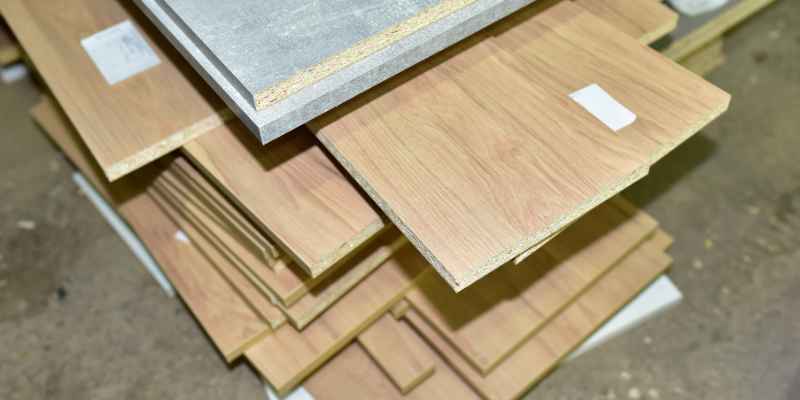
When it comes to outdoor projects, MDF (medium-density fiberboard) might not be the first material that comes to mind. However, MDF can actually be a versatile and affordable option for creating unique and durable outdoor decor and furniture. With the right treatment and sealant, MDF can withstand the elements and provide a smooth surface for painting and customization.
Garden Decor Ideas
Transform your outdoor space with eye-catching garden decor made from MDF. From personalized garden signs to decorative planters, MDF can be easily cut and shaped into various designs. Its smooth surface makes it ideal for painting and adding intricate details to your garden decor.
DIY Outdoor Furniture
Create custom outdoor furniture pieces using MDF for a budget-friendly option. Whether it’s a stylish bench, a functional outdoor table, or even a set of chairs, MDF can be crafted into various furniture designs. With the right treatment and protective finish, MDF furniture can withstand outdoor conditions while providing a sleek and modern look for your outdoor space.
Alternatives To MDF For Outdoor Use
For outdoor projects, consider using alternatives like marine plywood or solid wood instead of MDF due to its susceptibility to moisture damage. These materials offer better durability and weather resistance, ensuring longevity in outdoor settings.
Weather-resistant Materials
Consider high-density polyethylene (HDPE) or fiberglass-reinforced plastic (FRP) for outdoor projects.
Metal alloys like aluminum or stainless steel can endure outdoor conditions well.
Pressure-treated wood such as cedar or redwood is a durable option for outdoor use.
Eco-friendly Options
Bamboo is a sustainable alternative that is strong and eco-friendly.
Recycled plastic lumber is durable and environmentally responsible.
Cork is a natural and biodegradable material suitable for outdoor applications.
Case Studies And Success Stories
Yes, you can use MDF outside, but it’s important to protect it from moisture and direct exposure to the elements. Applying a waterproof sealant or paint can help to safeguard the MDF against outdoor conditions. Additionally, using it in covered or shaded areas can also extend its lifespan when used outdoors.
Real-life Outdoor MDF Applications
Outdoor MDF used in garden furniture and exterior trim.
It is painted and sealed for durability.
Can withstand various weather conditions.
Provides a cost-effective alternative to traditional wood.
Lessons Learned
Proper sealing crucial for outdoor MDF longevity.
Regular maintenance required for extended lifespan.
Choose high-quality MDF for better durability.
Avoid constant exposure to moisture for longevity.
Frequently Asked Questions
Can MDF Be Used Outdoors?
Yes, MDF should not be used outdoors as it is prone to swelling and warping when exposed to moisture. It is not weather-resistant and may deteriorate quickly when exposed to outdoor elements.
What Are The Alternatives For Outdoor Use?
For outdoor projects, consider using materials such as pressure-treated wood, cedar, or composite boards. These materials are better equipped to withstand outdoor conditions and provide longevity and durability for your outdoor projects.
How Can I Protect MDF Outdoors?
To protect MDF from outdoor elements, apply multiple coats of an exterior-grade waterproof sealant or paint. Ensure all edges and surfaces are thoroughly sealed to minimize the risk of moisture absorption and prolong the lifespan of the MDF.
Conclusion
Using MDF outside may not be the best choice due to its susceptibility to moisture and humidity. However, with proper sealing and maintenance, it can be used in covered outdoor areas. Consider alternative materials for better durability in outdoor settings.
Always prioritize long-term functionality and weather resistance for outdoor projects.