How to Paint MDF Board for a Smooth, Streak-Free Finish
Paint MDF board with an oil-based or shellac primer first — plain paint alone soaks into raw fiberboard unevenly and can make cut edges swell. Skipping primer is the single most common reason painted MDF turns out blotchy or starts peeling within months. This guide covers grit-by-grit sanding, sealing edges (including a cheap PVA-glue method), primer choice, and the exact dry times between coats.
Disclosure: This post may contain affiliate links. As an Amazon Associate we earn from qualifying purchases.
Quick Answer
Sand MDF board with 120-grit then 220-grit sandpaper, seal the cut edges with a shellac or oil-based primer (or a 1-part PVA glue to 3-parts water mix), apply a full primer coat, then add 2–3 thin coats of paint, sanding lightly between each one. Water-based primer alone often causes swelling and a blotchy, uneven finish.
What You’ll Need to Paint MDF Board
Best MDF Primer Pick
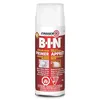
Zinsser B-I-N Shellac Base Primer-Sealer – $21.88
The shellac primer this guide’s dry-time table is built around — touch-dry in about 20–25 minutes, so you can scuff-sand and recoat the same afternoon.
- Best for: Sealing raw MDF edges before topcoat
- Why we picked it: Fastest recoat time of the three primer types covered above
- Main drawback: Strong odor, needs denatured alcohol for brush cleanup
Compare more MDF painting supplies
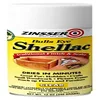 Option 1 Zinsser Bulls Eye Sanding Sealer – $14.79
|
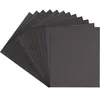 Option 2 Sandpaper Grit Assortment (80–400) – $8.99
|
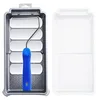 Option 3 Mini Foam Roller Kit, 8-Pack – $12.56
|
As an Amazon Associate we earn from qualifying purchases.
Both oil-based and water-based paints will cover MDF, but oil-based and shellac-based products seal the porous fiber core far better — that’s why they’re the standard primer choice for MDF on cabinet doors and furniture that need to hold up over years, not just a weekend project. Gather these before you start:
- Sandpaper in 120, 180, and 220 grit
- Shellac-based or oil-based primer (e.g., Zinsser B-I-N or KILZ Original)
- Sanding sealer (optional, for extra edge protection)
- Paintbrush and a foam or high-density nap roller
- Tack cloth and a damp microfiber rag
- Painter’s tape and a drop cloth
- Dust mask or respirator (solvent-based primer fumes are strong)
How to Prepare MDF Board Before Painting
MDF has no grain, so it doesn’t absorb paint the way solid wood does — the flat faces come factory-sanded to roughly 150-grit smoothness, but the cut edges are raw, exposed fiber that soak up primer unevenly if you skip sealing them. Work through these steps in order:
- Fill and inspect: Check the board for dents or chips and fill them with wood filler, then let it cure fully before sanding.
- Sand the faces: Sand the flat surfaces with 120-grit sandpaper to break the factory sheen, then move to 220-grit for a smooth final pass.
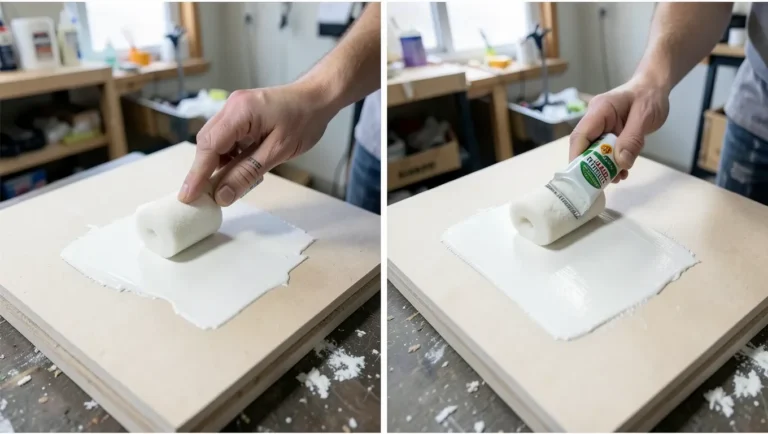
- Sand and seal the edges: Sand cut edges with the same 120-to-220-grit progression, then seal them with a coat of primer or a diluted PVA glue mix (1 part PVA glue to 3 parts water) — the cheapest way to keep edges from drinking up your topcoat unevenly.
- Clean off all dust: Wipe the entire board with a tack cloth or slightly damp microfiber rag. Any dust left behind shows up as grit under the primer.
- Prime the whole board: Apply one full coat of shellac-based or oil-based primer over the faces and edges. Avoid water-based primer here — it can raise the wood fibers and leave a rough, grainy texture.
- Scuff-sand the primer: Once dry, lightly sand with 220-grit sandpaper to knock down any raised fiber, then wipe clean again before painting.
| Primer Type | Dry / Recoat Time | Best For |
|---|---|---|
| Shellac-based (e.g., Zinsser B-I-N) | Touch-dry in 20–25 min, recoat in 45 min | Raw MDF edges, fastest turnaround |
| Oil-based (e.g., KILZ Original) | Several hours between coats | General faces, strong stain blocking |
| Water-based (latex/acrylic) | 1–2 hours, but seals MDF poorly | Low-odor situations only, expect extra coats |
📊 Standard MDF is roughly 80% wood fiber, 9–10% resin binder, and 8–9% water with a small amount of paraffin wax — that resin-bonded, grain-free structure is exactly why it has no directional soak-up pattern and needs a sealing primer on every face and edge. Source: Composite Panel Association
Applying Paint to MDF Board
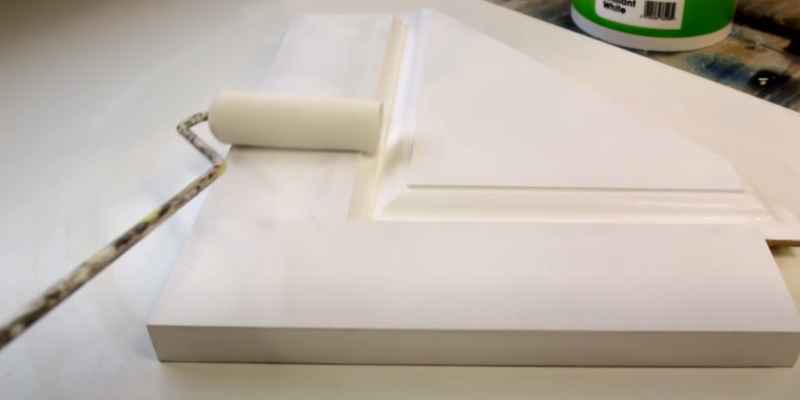
Once the primer is dry and scuff-sanded, apply paint in thin, even coats rather than one heavy layer — a first coat thinned about 10–15% with the manufacturer’s recommended thinner also helps prevent a blotchy topcoat on MDF specifically.
- Use a quality brush for edges and detail work, a foam or high-density nap roller for flat faces
- Apply in long, even strokes and work in small sections to keep a wet edge
- Water-based (acrylic/latex) paint dries in 1–2 hours between coats; oil-based paint needs several hours to as much as 24
- Plan on 2–3 coats total for full, even opacity — light colors over a darker primer often need the third coat
Always let each coat dry fully before recoating. Painting over a tacky coat is the fastest way to trap brush marks and dust permanently in the finish.
Painting MDF Edges the Right Way
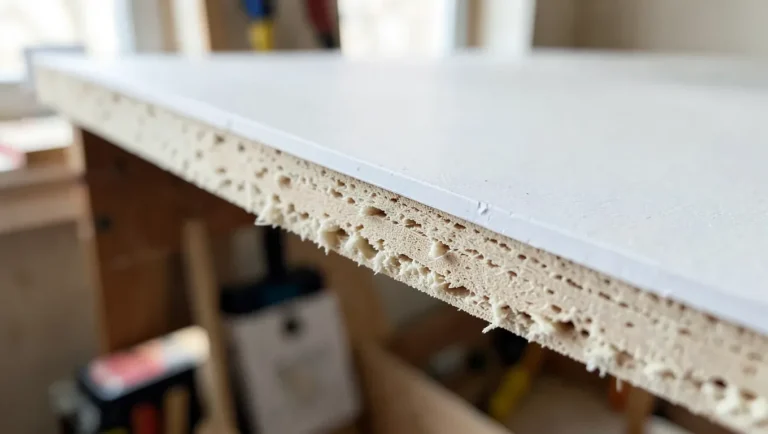
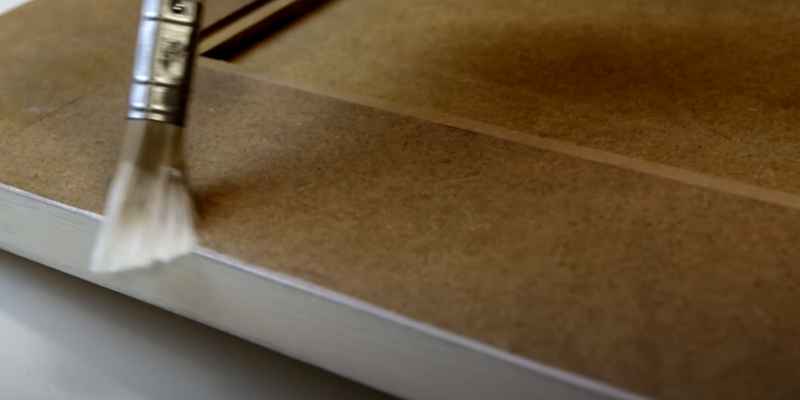
Cut edges are the part of an MDF board most likely to ruin an otherwise good paint job, because raw fiber at the edge absorbs far more primer and paint than the factory-smooth faces do.
- Sand the edges through the same 120-to-220 grit progression used on the faces.
- Seal them separately with primer or a diluted PVA glue coat (1 part glue to 3 parts water) before priming the rest of the board.
- Use a small foam roller to work primer and paint fully into the edge without pooling.
- Tape adjoining faces so you can paint the edge cleanly, then remove the tape once the paint is dry — not wet — to get a crisp line without pulling up tape residue.
“Shellac-based primer touch-dries in 20 to 25 minutes and is ready to recoat in about 45 — more than fast enough to seal, scuff-sand, and prime an edge in a single sitting instead of waiting overnight.”
Achieving a Flawless, Professional Finish
Sand lightly between every coat with 220-grit sandpaper, wiping away dust before the next coat goes on — this is what removes brush texture and gives a factory-smooth result rather than a visibly hand-painted one.
For an even smoother result than a brush or roller can give, spray painting works well on MDF: prep and prime exactly as above, then apply thin, even spray coats in a well-ventilated area with a respirator on. For a high-gloss look, sand the final coat with fine-grit paper once fully cured and apply a clear topcoat — the topcoat is what actually produces the gloss and adds a layer of scuff protection.
Common Mistakes to Avoid When Painting MDF Board
- Skipping the primer: the single most common cause of blotchy, uneven MDF paint jobs.
- Leaving edges unsealed: raw cut edges absorb far more paint than the faces and will look darker or rougher if skipped.
- Using only water-based primer: it seals MDF poorly and can raise the wood fibers into a rough, grainy texture.
- Applying paint too thick: heavy coats cause drips and can make the fiber core swell from trapped moisture.
- Not sanding between coats: skipping this step is what leaves visible brush marks and dust nibs in the final finish.
Maintenance and Care for Painted MDF Board
Painted MDF holds up well with simple care. Wipe the surface with a soft, damp cloth for regular cleaning, and spot-clean stubborn marks with a mild detergent and water — then dry the surface completely so moisture doesn’t sit against the seams. For scratches or dings, lightly sand the spot, dab on matching touch-up paint with a fine brush, and let it cure fully before deciding if a second coat is needed.
Frequently Asked Questions
What type of paint do you use on MDF?
Both oil-based and water-based paints work on MDF once it’s primed, but oil-based paint is generally preferred for durability on furniture and cabinetry that gets daily use. Water-based (acrylic/latex) paint is fine for smaller decorative projects. Either way, sand lightly between coats and seal the edges first so the paint doesn’t flake off at the corners.
Can you paint straight onto MDF?
No, not without priming first — raw MDF is too porous and will absorb paint unevenly, leaving patchy, dull spots. Sand the surface, seal the edges, and apply a shellac or oil-based primer before any topcoat. Skipping this step is the most common reason a MDF paint job looks streaky.
Do I need to sand MDF board before painting?
Yes. Sanding with 120-grit, then 220-grit sandpaper smooths the factory surface and cut edges, removes any loose fiber, and gives the primer a better surface to grip. Skipping it usually shows up as a slightly rough, less durable finish.
How do you start painting on MDF board?
Sand the faces and edges, seal the edges, and prime the whole board with a shellac or oil-based primer before any paint goes on. Apply paint by brush, roller, or spray, allow roughly an hour between water-based coats (longer for oil-based), and plan on 2–3 coats for full, even coverage.
How do I paint MDF molding or trim?
Treat molding the same as flat board: sand it with 120-then-220 grit, pay extra attention to any cut ends since they absorb the most primer, and prime before painting. A small foam roller or brush works better than spray on installed trim since there’s less overspray risk in tight spaces.
Can you spray paint MDF board?
Yes, and it often gives the smoothest possible finish on MDF. Prep and prime exactly as you would for brush or roller application, then apply several thin, even spray coats in a well-ventilated space, wearing a respirator since solvent-based primer and paint fumes are strong.
Does MDF need a special type of primer, or will any primer work?
Not any primer will do. Water-based primer alone tends to raise MDF’s wood fibers and seals poorly, leading to a rough, uneven surface. Shellac-based (like Zinsser B-I-N) or oil-based (like KILZ Original) primers seal the porous fiber core far more effectively and are the standard choice for MDF specifically.
Conclusion
Painting MDF board comes down to three things: sand through 120-to-220 grit, seal every cut edge before priming, and build the color up in 2–3 thin coats rather than one heavy one. Skip the primer or the edge-sealing step and the finish will show it. For a second, more detailed walkthrough of the same process, see our companion guide on how to paint MDF board step by step.
Sponsored / affiliate links. As an Amazon Associate I earn from qualifying purchases. I may earn additional commission from eligible campaigns.