Can Termites Destroy a House? Uncover the Truth
Imagine waking up one day to find your beloved home crumbling from within. It’s a chilling thought, isn’t it?
Termites, those tiny, seemingly harmless insects, are capable of causing such devastation. They’re often dubbed “silent destroyers” for a reason. But can termites really destroy a house? The answer might surprise you. If you care about the safety and longevity of your home, understanding the threat termites pose is crucial.
This article will reveal the hidden dangers lurking behind your walls and how these pests can turn your dream home into a nightmare. Stay with us to discover how to protect your sanctuary from these relentless invaders. Your home deserves it.
Termites And Their Habits
Termites can silently eat away at the wooden structures of a house. Over time, their persistent chewing weakens the foundation. This can lead to significant damage and costly repairs. Understanding their habits can help in preventing such destruction.
Types Of Termites
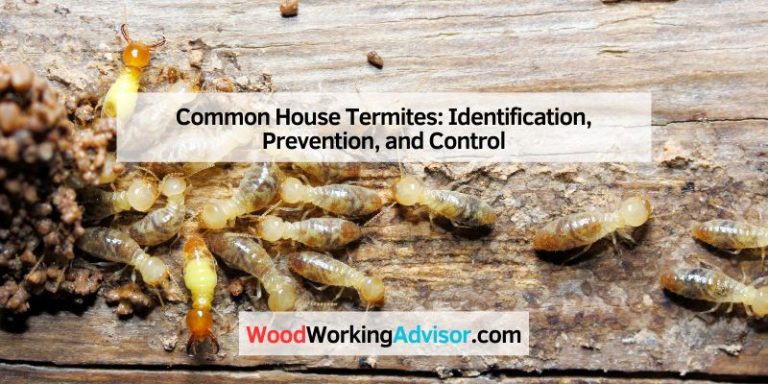
There are three main types of termites. Subterranean termites live underground. They build tunnels to reach wood. Drywood termites live inside the wood. They don’t need soil. Dampwood termites prefer wet wood. They are less common in homes.
Feeding Patterns
Termites eat cellulose found in wood. They digest wood through special enzymes. Subterranean termites can eat quickly. They cause a lot of damage. Drywood termites eat slowly but still cause harm. They can live for years inside wood.
Reproductive Cycle
Termites have a unique reproductive cycle. Queens lay thousands of eggs. Eggs hatch into larvae. Larvae become workers or soldiers. Some become new queens and kings. Colonies can grow large quickly. They spread to new areas fast.

Credit: www.reddit.com
Signs Of Termite Infestation
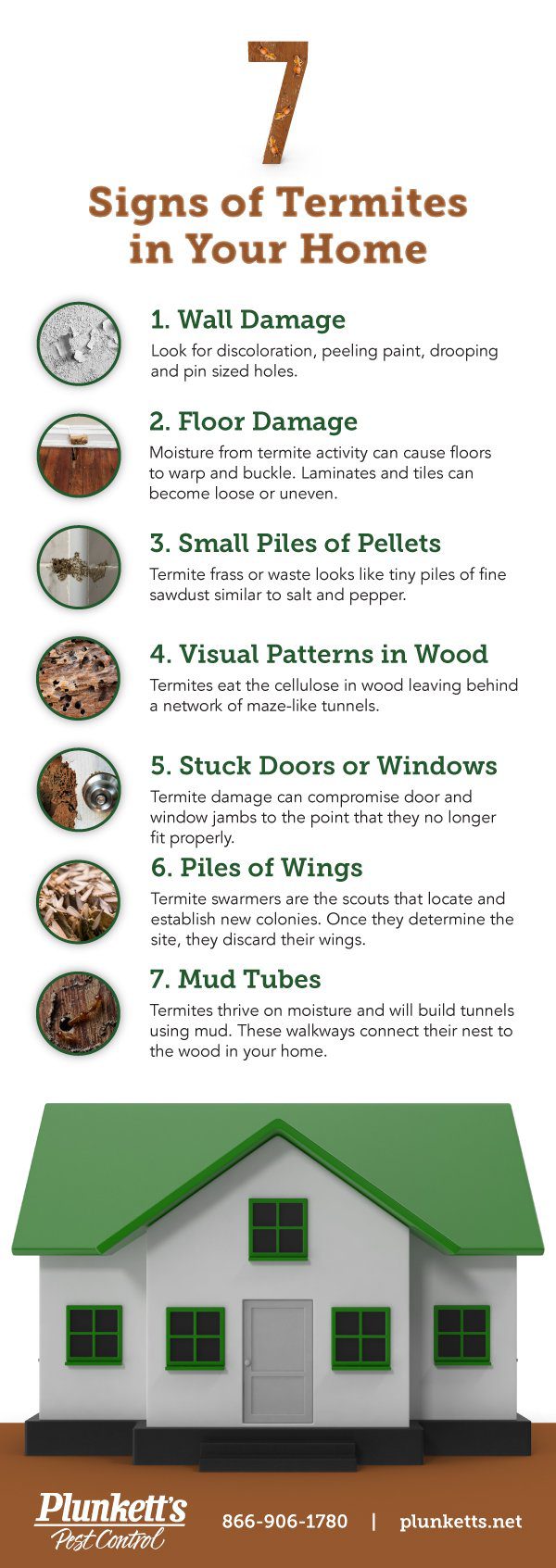
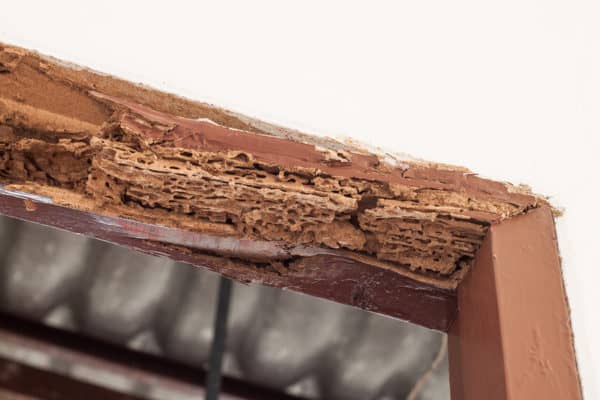
Termites can cause wood to look hollow. They eat from the inside. You might see bubbling paint. This is a sign. Wood might sound empty if tapped. Cracks in walls can appear. Floors may sag.
Mud tubes are small and brown. Termites use them to travel. They look like small pencil lines. Check walls and foundations. These tubes protect termites. They keep them safe from air and light. Finding mud tubes is a bad sign.
Termites shed their wings. They do this when starting a new colony. Wings are found near windows and doors. Finding wings means termites are close. Termites look for warm places. They might be in your home.
Impact On Structural Integrity
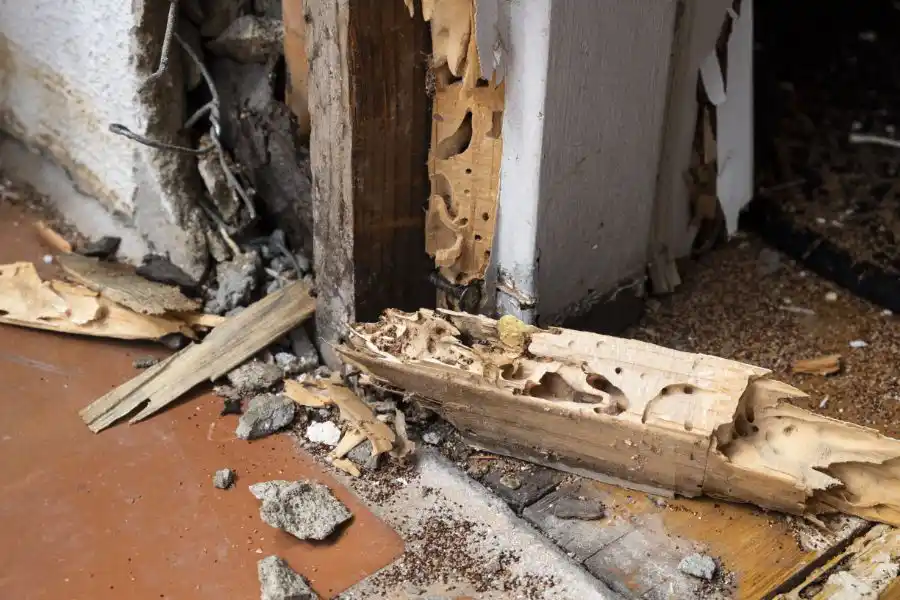
Termites love wood. They chew through it fast. This makes floors and walls weak. Sometimes, wood crumbles. Houses can fall apart. Termites work day and night. They never stop. This is scary.
Termites also target foundations. They dig under the house. This causes big cracks. The house may lean or shift. This is dangerous. It can cost a lot to fix. Termites are very sneaky.
Fixing termite damage can be very expensive. People spend thousands of dollars. First, you must find all the termites. Then, you need repairs. Sometimes, you need new wood. This takes time and money.
Credit: www.flapest.com
Preventing Termite Damage
Regular inspections are key to stopping termites. A professional can check your house. They know where termites hide. Early detection can save your house. It is important to inspect often. This helps find termites before they damage your home.
Moisture control is very important. Termites love wet places. Fix leaks quickly. Keep your house dry. A dry home is a safe home. Check your roof and pipes for leaks. Use fans to keep areas dry.
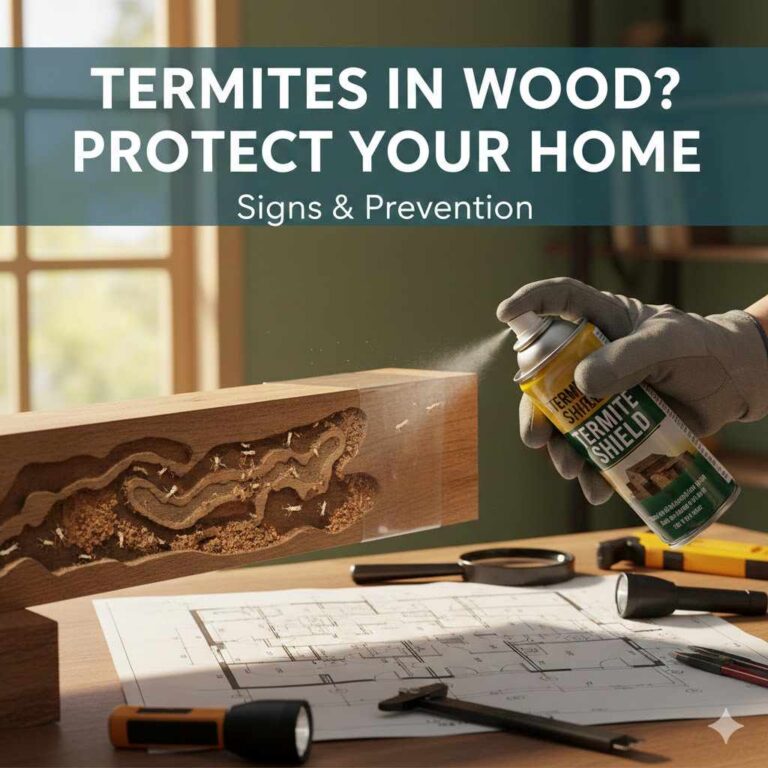
Chemical barriers can stop termites. Professionals use these chemicals around your house. They create a wall that termites cannot cross. This keeps them away from your home. Make sure to hire experts for this job. They know the best chemicals to use.
Treatment Options
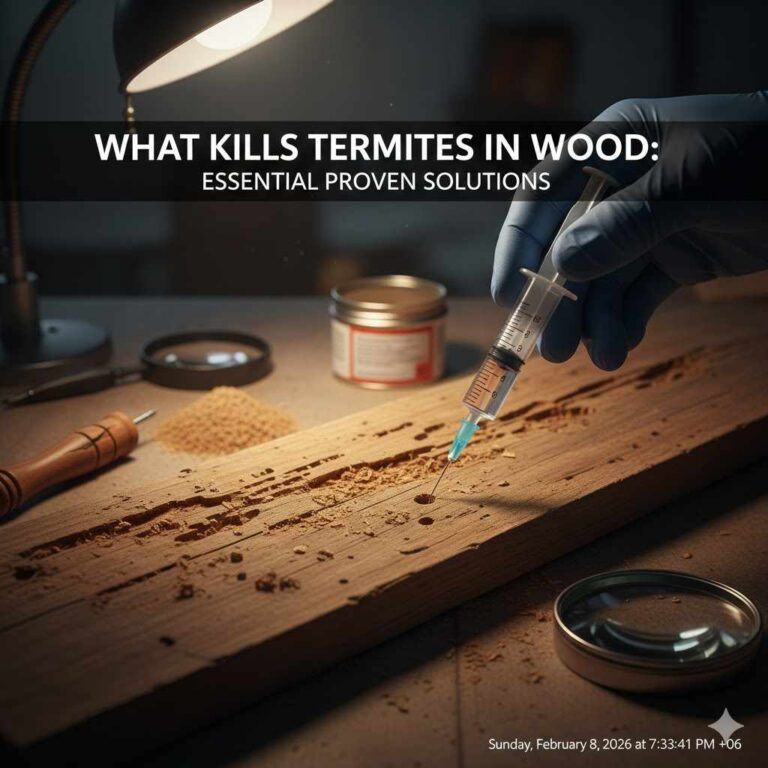
Professional exterminators know how to handle termites. They use strong chemicals to kill termites fast. They inspect your home for termite damage. Then, they create a plan to remove them. Safety is a priority for these experts. They also offer advice on preventing future infestations.
DIY methods can help if you spot termites early. Use termite sprays from stores. Apply them to affected areas. Monitor your home regularly. Look for signs of termites. Boric acid is another option. Mix it with water and spray it on wooden surfaces. Keep an eye on the situation.
Natural remedies are useful for eco-friendly homes. Neem oil repels termites. Apply it to wood surfaces. Orange oil is another choice. Spray it directly on termites. Wet cardboard traps can attract termites. Dispose of the traps once full. These methods are safe for pets and kids.
Long-term Home Protection
Regular inspections are crucial for protecting homes from termites. Check wood structures often for any signs of damage. Keep areas dry to prevent termite invasion. Fix leaks quickly to stop moisture buildup. Seal entry points around windows and doors. Store firewood away from the house to reduce risk.
Keep plants and trees at a safe distance from home walls. This reduces the chance of termites finding a path inside. Trim trees regularly so they don’t touch the house. Use termite-resistant mulch when landscaping. Avoid planting trees too close to the foundation.
Insurance policies might not cover termite damage. Check policy terms carefully for coverage details. Consider special insurance for termite damage. This protects against unexpected repair costs. Speak with agents to understand all options available.
Myths And Misconceptions
Many people think termites can eat through concrete. This is not true. Termites eat wood and other plant materials. They do not eat concrete or metal. Some believe termites only live in warm places. Termites can live in many climates. They can survive in cold areas too.
Termites are very small insects. They love to eat wood. Termites can damage houses by eating wooden parts. They build tunnels to find food. Termite colonies grow fast. A big colony can have thousands of termites. Termite damage is slow but dangerous. It can weaken a house over time.
Many people do not know the signs of termites. Mud tubes on walls can show termites are near. Wood damage means termites might be inside. Regular checks help find termites early. Professional help is best to remove termites. People should learn about termites to keep homes safe.
Credit: www.callnorthwest.com
Frequently Asked Questions
How Long Does It Take For Termites To Destroy A House?
Termites can take 3 to 8 years to cause significant damage. This depends on colony size and wood availability. Regular inspections and early detection help prevent extensive destruction. Addressing infestations quickly reduces risks to your home’s structural integrity. Protect your property with preventative measures and professional pest control.
Is Your House Ruined If You Have Termites?
Termites can cause significant damage to your house’s structure. Early detection and treatment can prevent severe ruin. Regular inspections and professional pest control are essential to protect your home from termites. Act swiftly to mitigate damage and maintain your property’s integrity.
Can Termites Make A House Collapse?
Yes, termites can cause significant structural damage. They eat wood, weakening beams and foundations over time. Severe infestations may lead to a house collapse if left untreated. Regular inspections and prompt treatments are crucial to prevent extensive damage and ensure safety.
Can A House Be Saved From Termite Damage?
Yes, a house can be saved from termite damage with timely intervention and professional treatment. Regular inspections help detect early signs. Use expert pest control services and preventive measures to protect your home. Repair affected areas promptly to maintain structural integrity.
Conclusion
Termites can significantly damage a house. These tiny pests work quietly. They eat through wood, weakening structures over time. Regular inspections help catch infestations early. Quick action can save you money. Protect your home by staying alert. Termite barriers and treatments offer good defense.
Keep the foundation dry to deter termites. Fix leaks and remove wood debris outside. A well-maintained home stands strong against termites. Prevention is always better than repair. Stay informed and keep your home safe. Your vigilance is crucial. Don’t let termites ruin your peace.
A little care goes a long way.