Termites in Crown Molding: Frass vs. Mud Tubes (Real Fix)
Two different signs point to two different termite problems in crown molding: tiny, hard, six-sided pellets falling from pinhole-sized openings mean drywood termites nesting inside the wood itself, while pencil-thin mud tubes running up the wall toward the molding mean subterranean termites traveling up from soil contact. The distinction matters because the treatment is completely different for each, and neither one is something orange oil or a cardboard trap actually solves.
A lot of articles on this topic lump “termites” together and then suggest DIY natural remedies as if they’re a real fix. They aren’t, for an active infestation – pest control entomologists are consistent on this point, and it’s worth being direct about it before anything else: home remedies can repel a few foraging termites at best, but they don’t reach a colony that’s already established behind your molding. Here’s how to actually tell what you’re looking at, and what a real fix involves.
Frass or Mud Tubes: Identifying Which Termite You Have
Best for Early Detection Around Your Home
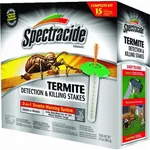 |
Spectracide Terminate Stakes, 15-Count – $56 A pop-up indicator flags foraging termite activity in your yard before they ever reach your crown molding, with bait that targets foragers.
|
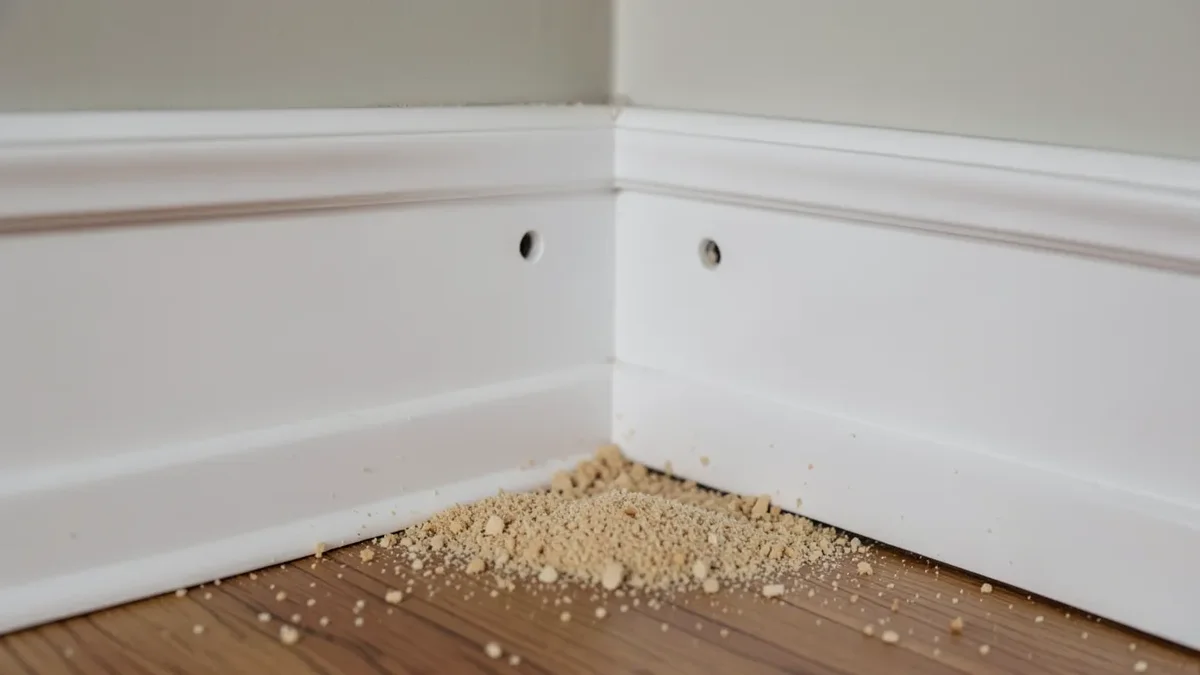
Drywood termites live entirely inside the wood they’re eating, with no soil contact needed. The giveaway is frass: tiny, hard, six-sided fecal pellets that look like coarse pepper or sand, pushed out through pinhole-sized “kick-out holes” less than a millimeter across. If you find small mounds of what looks like sawdust below your crown molding but the pinholes above it are barely visible, that’s drywood termite frass, not sanding dust or a woodworking mess.
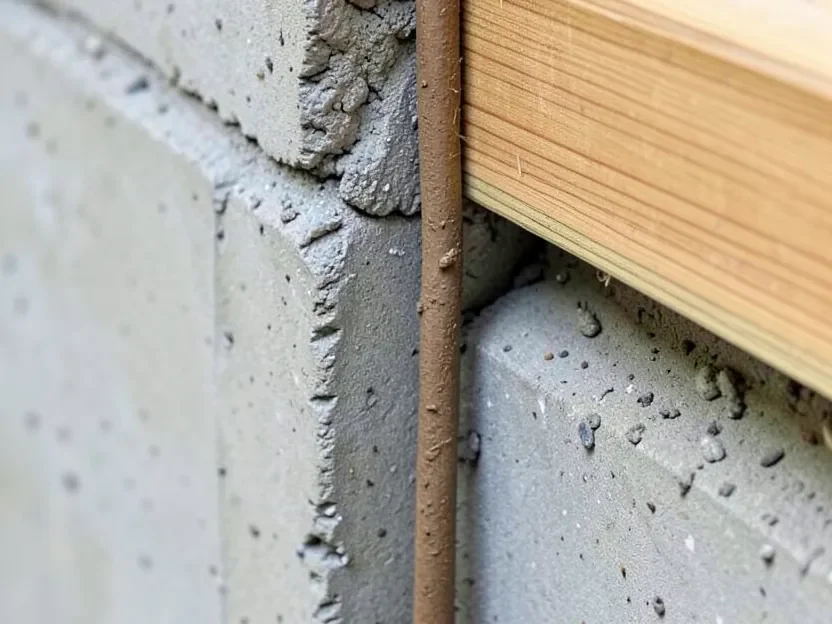
Subterranean termites need soil contact to survive and build mud tubes – pencil-thin tunnels made of soil, saliva, and wood particles – to travel from the ground into your walls without being exposed to open air. Finding a mud tube running up a wall toward the ceiling means they’ve found a moisture source or a wood-to-soil contact point somewhere in the structure, and the molding damage is the visible end of a much longer tunnel system you can’t see.
Is It Termites or Carpenter Ants? A Common Mix-Up
Crown molding damage gets misdiagnosed as termites when it’s actually carpenter ants, and the fix is different for each, so it’s worth checking. Carpenter ants don’t eat wood – they excavate it to nest, so what they leave behind is clean, smooth wood shavings with no fecal pellets mixed in, unlike termite frass. If you find winged insects, check the wings and body: termites have two pairs of wings that are equal in length and a straight, thick waist, while flying ants (including carpenter ants) have front wings longer than their back wings, a pinched narrow waist, and bent, elbowed antennae versus a termite’s straight antennae.
Other Signs to Check For
Beyond frass and mud tubes, check crown molding for a hollow sound when tapped with a knuckle (termites hollow wood out from the inside, following the grain, so the surface can look fine while the inside is gone), paint that’s bubbling or looks water-damaged with no actual water source nearby, wood that feels soft or gives slightly under light pressure, and discarded, shed wings collected near windowsills or in corners after a swarm event (termite colonies send out winged reproductives, called swarmers, usually in spring, and the wings they shed afterward are a strong sign a colony is nearby, even if you never saw the swarm itself).
Why Termites Target Crown Molding Specifically
Crown molding sits at the wall-ceiling joint, often installed with hollow gaps behind it and less frequent visual inspection than baseboards, since most people don’t look up at eye level. That combination – a hidden void plus low visibility – makes it an easy place for both drywood termites (which just need the wood itself) and subterranean termites (if there’s a moisture source like a roof leak or condensation nearby) to work undetected for a long time before damage becomes visible from the floor.
What Actually Works: Real Treatment Options
For a confirmed active infestation, professional treatment is the realistic path, not a substitute for it being nice to try first. Options a licensed pest control company will use include:
- Liquid termiticide barrier treatment – applied around the foundation for subterranean termites, creating a treated zone they can’t cross undetected.
- Baiting systems (like in-ground bait stations) – foraging termites carry slow-acting bait back to the colony, eventually reducing or eliminating it.
- Localized or whole-structure fumigation – typically for drywood termites confined to isolated wood members, or for a widespread infestation that’s hard to pinpoint.
Orange oil and borate treatments do have a real, narrow use case: they can be effective as a preventive treatment on exposed, untreated wood before an infestation starts, and orange oil has some documented effect on localized drywood termite galleries when injected directly into them. But treating visible molding with a surface spray while the colony continues elsewhere in the wall is the mistake that lets damage keep spreading while you think you’ve handled it.
Repairing the Molding Once Termites Are Actually Gone
Only repair after treatment is confirmed complete, not before – replacing molding over an active infestation just gives them fresh wood. Remove and inspect the full run of damaged molding, not just the visibly hollow section, since tunneling often extends further than the surface damage suggests. Check the wall cavity and framing behind it for damage too before installing new trim. Match the new molding’s profile to the existing style, and prime and paint it to blend with the rest of the room.
Preventing It From Coming Back
Fix roof and plumbing leaks promptly, since moisture is what draws subterranean termites toward an otherwise dry structure. Keep mulch, firewood, and soil from directly contacting wood siding or framing. Ensure crawl spaces and attics are ventilated to avoid the humid conditions termites favor. Our wood care and pest defense guide covers broader prevention steps beyond termites specifically. Schedule an annual professional termite inspection even with no visible signs – both drywood and subterranean infestations can run for a year or more before damage is visible from inside the room.
Frequently Asked Questions
How do you tell if it’s termite damage or carpenter ants?
Check what’s left behind: termites leave frass, tiny fecal pellets mixed into the debris, while carpenter ants leave clean wood shavings with no pellets, since they excavate wood rather than eat it. If you find winged insects, termites have two equal-length wing pairs, a thick straight waist, and straight antennae; flying ants have unequal wing pairs, a pinched waist, and bent antennae.
Do natural remedies like orange oil actually get rid of termites?
Not reliably for an active infestation. Orange oil can have some effect when injected directly into an isolated drywood termite gallery, and both orange oil and borate treatments work reasonably well as a preventive treatment on exposed wood. But they don’t reach an established colony hidden inside a wall, which is why pest control professionals rely on liquid termiticide barriers, baiting systems, or fumigation instead.
Is it safe to stay in a house with termites?
Yes, for people. Termites don’t bite humans or spread disease, so there’s no immediate health risk to staying in the home. The risk is entirely structural and financial: left untreated, they continue eating wood and can eventually weaken framing, molding, and flooring, which is why the timeline for treatment should be “soon” even though it isn’t an emergency evacuation situation.
What does a termite mud tube actually look like?
A subterranean termite mud tube is roughly pencil-width, brown, and made of soil, saliva, and wood particles cemented together. It runs in a fairly straight vertical line from a soil contact point (a foundation, slab edge, or piling) up toward a wood structure. Breaking one open should reveal live termites inside if the colony is still active; an empty, dry, crumbling tube may mean the colony has moved on, but a professional inspection is still worth it to confirm.
Conclusion
Frass versus mud tubes tells you which termite species you’re dealing with, and that distinction should drive what you do next, not a generic DIY spray. A real infestation needs a licensed pest control response – a liquid barrier, bait system, or fumigation depending on the species and extent – and repairs should wait until treatment is confirmed complete. Catching it early, before the damage extends past the visible molding into the framing behind it, is what actually keeps the repair small.
Sponsored / affiliate links. As an Amazon Associate I earn from qualifying purchases. I may earn additional commission from eligible campaigns.