Can You Burn Cedar Wood Safely? A Simple Guide
Figuring out Can You Burn Cedar Wood Safely? is a common question, especially for those new to using a fireplace or outdoor fire pit. The variety of wood types and potential dangers can feel tricky at first. Don’t worry, though. This guide breaks down the process in a simple, step-by-step way. We’ll explore everything you need to know to enjoy a safe and cozy fire. Next, we’ll get into the details.
What Makes Cedar Wood Unique?
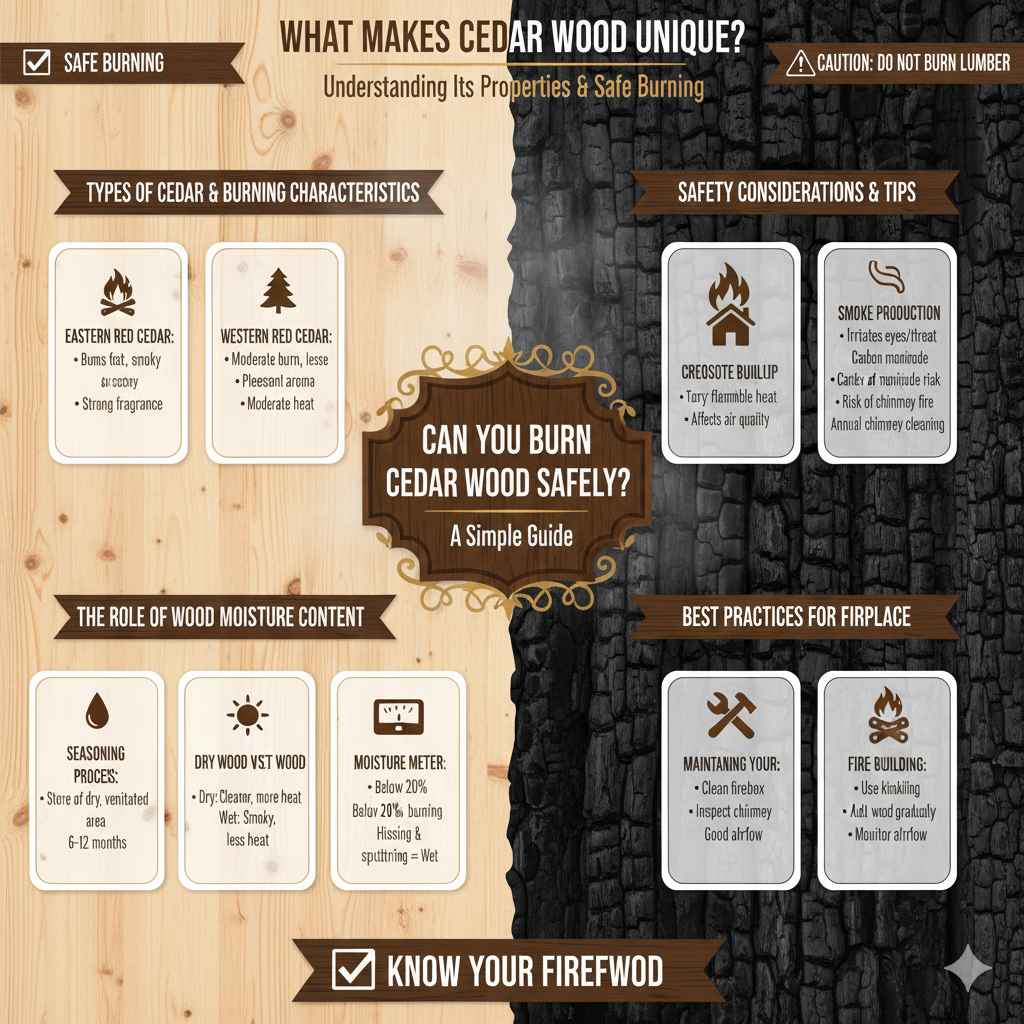
Cedar wood is often prized for its pleasant aroma and natural resistance to pests. However, these same qualities can influence how it burns. The oils present in cedar, while contributing to its fragrance, also affect its burn rate and the type of emissions it releases. Knowing about these specifics is key to making sure you use it right. We’ll look at the differences between various types of cedar wood as well.
Types of Cedar Wood and Their Burning Characteristics
Not all cedar is created equal. Different species have different densities, oil content, and burning characteristics. Knowing the specific type of cedar you have is important for safe burning. Some cedars are better suited for specific uses than others. For instance, Eastern Red Cedar is commonly used in outdoor projects, while Western Red Cedar is often used for things like closets because of its scent. Let’s consider some common cedar varieties.
- Eastern Red Cedar: This cedar burns quickly and produces a fair amount of smoke. It is often used for kindling or for starting a fire. Because it burns fast, it might not be the best choice for a long, sustained burn in a fireplace. Its fragrance is strong, which some find appealing. It is frequently found in the Eastern United States.
- Western Red Cedar: This cedar is known for its pleasant smell. It burns with moderate speed and produces less smoke compared to Eastern Red Cedar. Its oils evaporate as it burns, filling the space with its distinct aroma. It is a popular choice for outdoor fires. The Western Red Cedar is frequently found on the Pacific Coast.
- Aromatic Red Cedar: Similar to Eastern Red Cedar, Aromatic Red Cedar has a strong fragrance, making it a favorite for cedar chests and closets. It burns similarly to the Eastern Red, meaning it burns pretty fast. It is not generally the best choice for an indoor fireplace, unless the chimney is exceptionally efficient.
- Incense Cedar: Incense Cedar has a lighter scent compared to other cedar varieties and generally burns more slowly. It provides a moderate heat output. This makes it a balanced choice for fire pits, though the best burns usually require a mix of wood types.
The differences between these cedars highlight the importance of knowing what you are burning. A quick-burning wood will be more appropriate as a fire starter. A slow-burning wood is better for a longer burn. Knowing the type of cedar makes a difference in your wood-burning experience.
The Role of Wood Moisture Content
The moisture content of wood is a key factor in how well it burns. Wet wood produces more smoke, less heat, and creates creosote buildup in chimneys. This buildup can be a fire hazard. Using wood that has been properly seasoned, meaning it has dried for several months, is important for safety. We’ll look at how to tell if your wood is dry enough to burn and what kind of problems wet wood can cause.
- Seasoning Process: The seasoning process involves storing wood in a dry place where air can circulate freely. This allows the moisture content of the wood to drop. This often takes six months to a year, depending on the wood type and the local climate. Using a wood moisture meter can help determine if the wood is ready to burn.
- Dry Wood vs. Wet Wood: Dry wood burns cleaner, with less smoke, and produces more heat. It also minimizes creosote buildup in the chimney, reducing the risk of a chimney fire. Wet wood, on the other hand, struggles to ignite and smolders, producing significant smoke and pollutants.
- Moisture Meter: A moisture meter is a device that measures the moisture content of wood. It works by inserting probes into the wood and giving a reading. Wood is generally ready for burning when its moisture content is below 20%.
- Signs of Wet Wood: Wet wood often hisses and sputters as it burns, producing thick smoke and a strong, acrid odor. The fire also struggles to stay lit.
Dry wood is key for a safe and enjoyable fire. This is true whether you’re burning cedar or any other type of wood. Ensuring your wood is properly seasoned is the best thing you can do to prevent potential hazards.
Burning Cedar Wood Safely Indoors
Burning any type of wood indoors requires careful planning and attention to safety measures. Cedar wood has properties that could make it a bit more challenging than other types. For instance, the oils in cedar wood can build up faster in chimneys. This can increase the fire risk. Let’s explore the dos and don’ts of burning cedar wood safely inside the house.
Preparing Your Fireplace and Chimney
Before burning cedar indoors, make sure your fireplace and chimney are in good working order. Regular cleaning is crucial to preventing fire hazards. This section will walk you through the essential steps to prepare your fireplace. The better the condition of your setup, the safer and more enjoyable your experience will be.
- Chimney Inspection: Have your chimney inspected annually by a certified chimney sweep. This will identify any issues, such as creosote buildup, cracks, or blockages. The sweep can then clean the chimney if required.
- Chimney Cleaning: A chimney sweep will remove creosote and other debris from the chimney flue. Creosote is a flammable substance that builds up with each fire. Cleaning the chimney reduces the risk of a chimney fire.
- Fireplace Preparation: Clear the fireplace of any old ash and debris. Make sure the firebox is in good condition. Examine the damper to ensure it opens and closes smoothly, allowing proper ventilation.
- Ventilation Considerations: Adequate ventilation is vital when burning any wood indoors. A well-ventilated fireplace ensures that smoke and harmful gases are drawn up the chimney, rather than into the living space.
Preparing your fireplace and chimney reduces risks. It helps create a safe environment for enjoying a fire. This includes using a well-maintained chimney and proper ventilation. Regular checks and cleanings are essential for preventing problems.
Best Practices for Burning Cedar Inside
Following specific procedures when burning cedar indoors contributes to safety and a pleasant experience. This includes starting the fire, maintaining it, and putting it out safely. Here’s a set of best practices to keep in mind for indoor cedar fires.
- Start with Dry, Seasoned Wood: Use only wood with a moisture content of 20% or less. This minimizes smoke production and creosote buildup. This applies to cedar wood and any other wood that you burn.
- Use the Proper Amount of Wood: Don’t overload the fi
- Maintain the Fire: Ensure the fire gets enough air for complete combustion. Adjust the damper to control airflow. Regularly remove ash to maintain good airflow and prevent smoldering.
- Safe Disposal of Ashes: Allow ashes to cool completely before disposal. Place ashes in a metal container with a lid. Store the container away from flammable materials. Never dispose of ashes outdoors until they are completely cold.
- Smoke Detectors and Carbon Monoxide Detectors: Make sure you have working smoke detectors and carbon monoxide detectors in your home. This is a must for any home with a fireplace. Test them regularly to make sure they work.
By following these best practices, you can enjoy the warmth and aroma of cedar indoors. These steps minimize risks and create a safer, more enjoyable experience. Be sure to follow these procedures for any wood you burn in your fireplace.
Outdoor Cedar Wood Burning Guidelines
Burning cedar wood outside can be a rewarding experience. It provides warmth, fragrance, and a pleasing ambiance. However, there are also important safety considerations and environmental factors to keep in mind. We’ll go over the key elements for making sure your outdoor cedar wood burning is safe and responsible. This ensures that you can enjoy the experience without creating problems.
Choosing the Right Location and Equipment
The location of your fire and the equipment you use are essential for safe outdoor burning. This part looks at some important considerations, from selecting a safe spot to using the right tools and equipment. These factors help create a controlled and safe environment. Let’s explore these aspects in more detail.
- Selecting a Safe Location: Choose a level, clear area away from buildings, trees, and dry vegetation. Make sure the spot is at least 15 feet away from anything that could catch fire. It is best to avoid areas with strong winds.
- Using a Fire Pit or Fire Ring: Use a fire pit, fire ring, or other approved container designed for outdoor burning. This will help contain the fire and prevent it from spreading. Make sure the container is stable and made of fire-resistant materials.
- Clear the Area: Remove any dry grass, leaves, or other flammable materials from the area around the fire pit. Create a fire break by clearing a wide area around the perimeter.
- Tools and Equipment: Always have a water source, such as a garden hose, bucket of water, or fire extinguisher, nearby. Also have a shovel and a long-handled poker to manage the fire. Wear appropriate protective gear, such as gloves and eye protection.
- Wind Considerations: Avoid burning on windy days. High winds can carry sparks and embers, increasing the risk of wildfires. If wind conditions change while you have a fire, monitor it closely.
Careful planning is the first step toward a safe outdoor fire. Selecting the right location, using appropriate equipment, and being aware of the environment all contribute to a safe and enjoyable experience.
Rules for Outdoor Burning
Outdoor burning involves specific rules. These laws are meant to protect people and the environment. Learning these regulations is important for responsible burning. They vary by location, so it’s important to know the rules in your area. Below is some key information. They will help make the experience safer and more compliant with any local laws.
- Check Local Regulations: Before starting a fire, contact your local fire department or municipal government. Ask about any restrictions, permits, or specific rules for outdoor burning. Regulations may change based on weather conditions, fire danger levels, or local ordinances.
- Burn Only Allowed Materials: Only burn clean, untreated wood. Never burn trash, plastics, or other materials. Burning these items can release toxic fumes.
- Supervision and Attendance: Always stay with the fire while it is burning. Never leave a fire unattended, even for a short time. Someone should be present at all times to monitor the fire and take action if needed.
- Extinguishing the Fire: Ensure the fire is completely extinguished before leaving it. Use water and stir the ashes to ensure all embers are out. The ashes should be cold to the touch.
- Weather Conditions: Monitor weather conditions, including wind speed and direction. Avoid burning on dry, windy days. Be prepared to extinguish the fire if conditions change.
Knowing and following these guidelines is key for safe and compliant outdoor burning. These rules protect people, property, and the environment. Always check local laws and use common sense when starting a fire.
Environmental Impacts of Burning Cedar
Burning wood, including cedar, has environmental consequences. These effects range from air pollution to the impact on the forest ecosystem. Recognizing these impacts enables responsible wood burning. Understanding the specific environmental concerns associated with burning cedar wood helps you minimize negative effects.
Air Quality Considerations
Burning any type of wood releases pollutants into the air. This can affect local air quality and human health. This section focuses on the types of pollutants and actions you can take to minimize the impact. These choices make a difference in your experience.
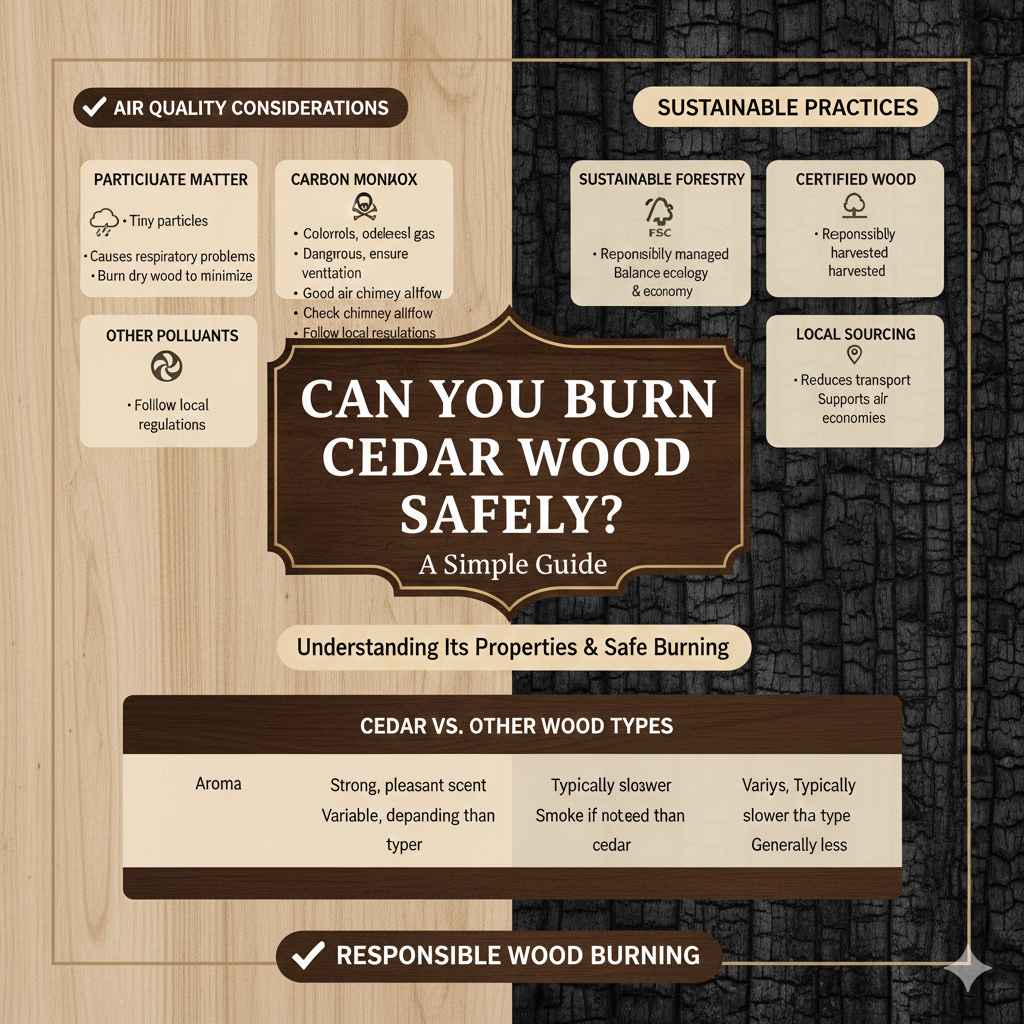
- Particulate Matter: Burning wood produces particulate matter, which includes tiny particles that can get into the lungs. This can cause respiratory problems. Burning dry wood and using efficient burning practices can reduce the amount of particulate matter released.
- Carbon Monoxide: Carbon monoxide is a colorless, odorless gas that can be dangerous. Proper ventilation is vital for preventing carbon monoxide buildup. Make sure your chimney or fire pit has good airflow to help prevent this problem.
- Other Pollutants: Burning wood can also release other pollutants, such as volatile organic compounds (VOCs) and nitrogen oxides (NOx). These compounds contribute to air pollution.
- Minimizing Emissions: Use dry, seasoned wood. Ensure good air circulation, and avoid burning during air quality alerts. Using a fire pit with a raised grate helps improve airflow and reduce emissions.
- Local Regulations: Follow any local regulations regarding wood burning. Some areas restrict wood burning on certain days. Learn about any restrictions that are active in your area.
Being aware of the impact on air quality helps make better choices about burning wood. By taking some simple precautions, you can reduce the environmental impacts of burning cedar wood. Burning responsibly helps keep our air clean and protects public health.
Sustainable Practices and Wood Sourcing
Choosing sustainable practices, like sourcing wood from responsibly managed forests, is a good idea. This helps protect the environment and support responsible forestry. Here’s a look at some of the things you can do to promote sustainability.
- Sustainable Forestry: Look for wood that comes from sustainable forests. These are forests managed to balance ecological and economic considerations. Sustainable forestry practices help conserve forests and ensure that they continue to provide resources for future generations.
- Certified Wood: When purchasing firewood, look for certification labels like the Forest Stewardship Council (FSC). This shows that the wood has been harvested responsibly.
- Local Sourcing: Buying firewood from local sources reduces transportation emissions. It also supports local economies. Check for ethical suppliers in your area.
- Responsible Burning Practices: Burning only dry, seasoned wood minimizes emissions and reduces the impact on the environment. Follow all guidelines for safe and clean burning.
- Alternatives to Burning: Consider using alternative heat sources. Options include natural gas, propane, or electric fireplaces, especially if air quality is a concern in your area.
By following these recommendations, you can reduce the impact of burning wood on the environment. Sustainable practices help to preserve our forests and keep the air cleaner.
| Aspect | Cedar Wood | Other Wood Types |
|---|---|---|
| Aroma | Strong, pleasant scent | Varies, can be neutral |
| Burning Speed | Variable, depending on type | Typically slower than cedar |
| Smoke Production | Can be higher if not seasoned properly | Varies depending on moisture content and type |
| Creosote Buildup | Can be faster due to oils | Generally less, depending on wood |
Frequently Asked Questions
Question: Is cedar wood safe to burn in a fireplace?
Answer: Yes, cedar wood is safe to burn in a fireplace, but it needs to be dry and properly seasoned. Also, chimneys and fireplaces need regular maintenance. You can avoid many problems by taking these steps.
Question: Does cedar wood burn hotter than other types of wood?
Answer: Cedar wood doesn’t necessarily burn hotter than other types of wood. Its burn rate and heat output can vary depending on the type of cedar and its moisture content. Proper seasoning and adequate airflow are key to maximizing the heat.
Question: What are the dangers of burning wet cedar wood?
Answer: Wet cedar wood produces a lot of smoke, which can cause respiratory problems. It also creates a higher risk of creosote buildup in the chimney. This buildup can lead to a chimney fire.
Question: Can I use cedar wood in a fire pit?
Answer: Yes, cedar wood can be used in a fire pit, but it’s best to use it in moderation. Cedar can burn quickly, so it might be best to mix it with slower-burning hardwoods for a longer-lasting fire. You must always use a fire pit according to local regulations.
Question: How often should I have my chimney cleaned if I burn cedar wood?
Answer: You should have your chimney cleaned at least once a year. If you burn cedar wood frequently, or if you notice significant creosote buildup, you may need to clean it more often. A certified chimney sweep can provide recommendations.
Final Thoughts
So, Can You Burn Cedar Wood Safely? Absolutely! Knowing the type of cedar you have and how it burns is key. Using dry, seasoned wood is the most important thing to ensure a safe fire. Also, be sure to clean your chimney regularly to prevent creosote buildup. When burning outdoors, always follow local regulations and keep a watchful eye on the weather. By following these guidelines, you can enjoy the inviting aroma and warmth of a cedar fire.
Remember, safety always comes first. Now that you have learned about burning cedar wood, it is time to put your knowledge to use. Enjoy your fire, but always prioritize safety and take care of the environment!