4x4x12 Cedar: Real Cost, Properties & Buying Tips
A 4x4x12 Western Red Cedar post typically runs somewhere between $25 and $60 at a home center or lumber yard, depending on grade and region – treat any single quoted price as a starting point, not a fixed number, since cedar pricing varies significantly by supplier, grade, and current lumber market conditions.
Western Red Cedar earns its price premium over pine and most other softwoods through genuine, well-documented properties: natural oils and extractives (mainly thujaplicins) that resist decay and repel insects without chemical treatment, plus a light weight-to-strength ratio that makes a 12-foot 4×4 post manageable for one person to handle. Below is what actually makes cedar worth considering for a post, fence, or outdoor furniture project, and how to shop for it without overpaying.
What Makes 4x4x12 Cedar A Strong Choice For Outdoor Projects
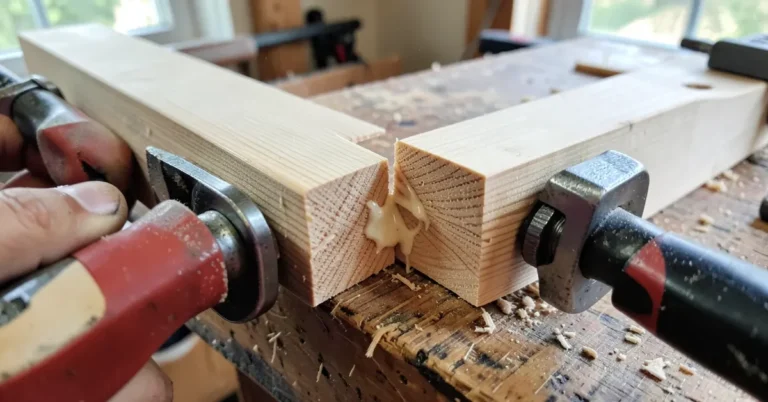
BEST ADHESIVE FOR SETTING CEDAR POSTS OUTDOORS
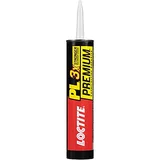 |
Loctite PL Premium Construction Adhesive – $6.48 A weatherproof polyurethane adhesive for bonding cedar to fasteners, brackets, or other outdoor framing where a mechanical fastener alone isn’t enough.
|
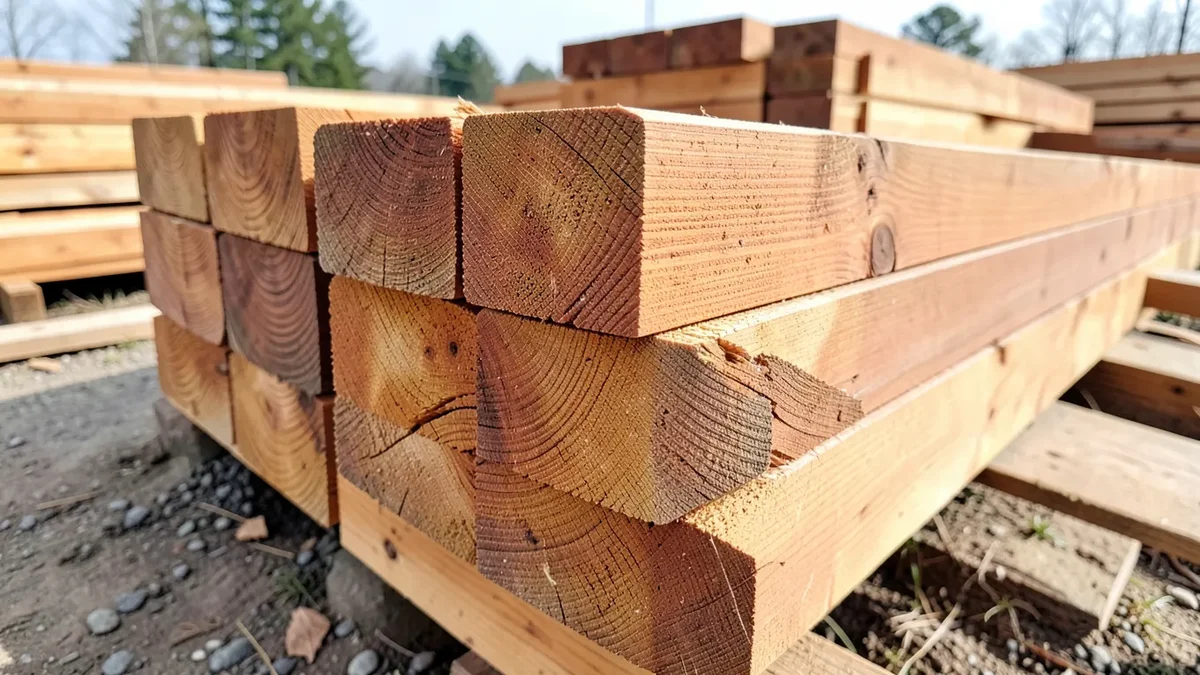
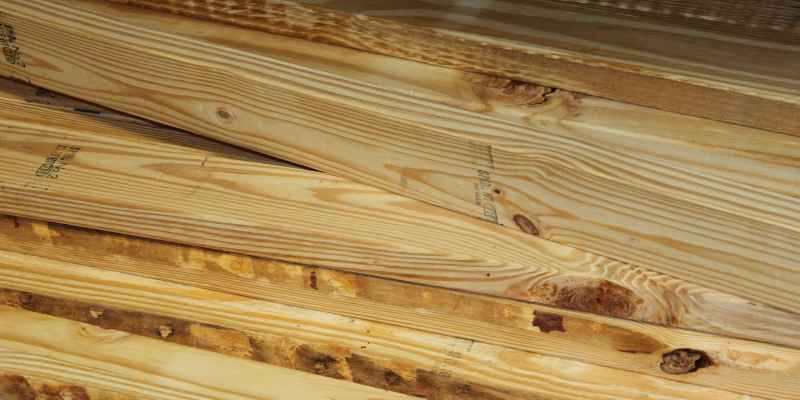
Western Red Cedar grows primarily in the Pacific Northwest and southwestern Canada, and its heartwood contains natural compounds that make it genuinely rot- and insect-resistant without any chemical treatment – a real advantage over pressure-treated pine, which relies on added chemical preservatives to achieve similar longevity. That said, cedar’s rot resistance is concentrated in the reddish heartwood; the pale sapwood at a board’s edges doesn’t share the same natural protection, so it’s worth checking which you’re getting, especially on a lower-grade post.
Properties Of Western Red Cedar
Cedar is notably light for a wood this durable – roughly 23 lbs per cubic foot dry, compared to around 34 lbs for red oak – which makes handling a 12-foot post considerably easier without a second set of hands. It’s also relatively soft (a Janka hardness around 350 lbf, well below pine’s roughly 690 lbf), so it dents more easily but is also easier to cut, drill, and shape with basic tools.
Cedar Vs. Pine For Outdoor Use
Untreated pine left outdoors typically starts showing rot within a few years; cedar’s natural extractives give it a real, documented edge in ground-adjacent and weather-exposed applications without needing pressure treatment. Pressure-treated pine can match or exceed cedar’s rot resistance for a lower price, but it comes with the treatment chemicals (historically chromium and arsenic compounds, now mostly copper-based) that some homeowners prefer to avoid on furniture or anything touched frequently. Cedar’s other real edge is appearance – its warm tone and straight grain take a natural or lightly-tinted finish far better than treated pine’s greenish cast.
Using Cedar For Outdoor Projects
A 4x4x12 post’s most common jobs are structural: fence posts, deck or pergola support posts, and raised bed corners. Here’s what to know before you commit a post to one of those roles.
Cedar For Posts, Fencing, And Furniture
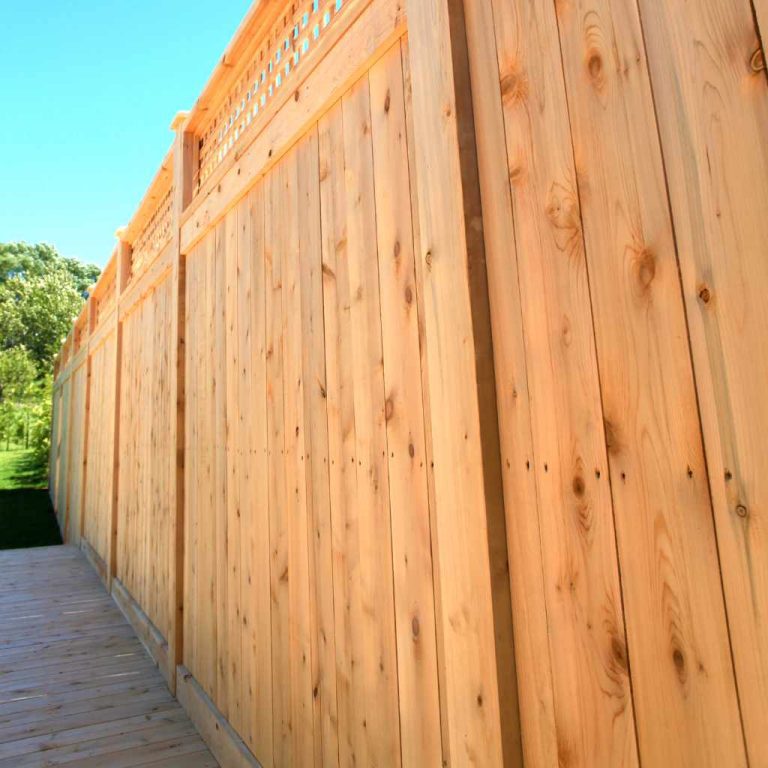
For a fence or structural post that goes partly into the ground, cedar’s natural rot resistance matters most at the soil line, where moisture exposure is constant – setting the post in a gravel base or a post base bracket rather than direct soil contact meaningfully extends its life even with cedar’s natural protection. For furniture and above-ground framing where the wood never touches soil, cedar’s decay resistance matters less than its light weight, workability, and appearance, all genuine advantages there.
Preventing Cedar Warping And Checking
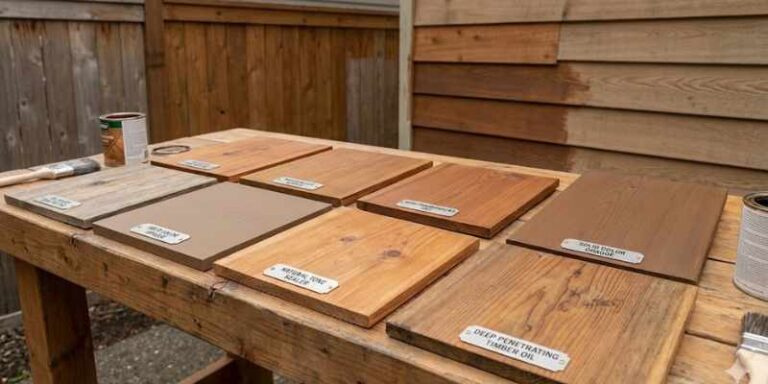
Cedar resists warping better than many softwoods, but a 4×4 is thick enough that it can still develop surface checking (small longitudinal cracks) as it dries and adjusts to outdoor humidity swings, especially if one face gets more sun exposure than another. A few things help: let a green (undried) post acclimate to your climate for a couple of weeks before setting it permanently, seal the cut ends specifically (end grain absorbs and releases moisture fastest, which is where checking often starts), and apply a UV-rated sealant or stain within the first few weeks of installation rather than leaving it bare.
Buying 4x4x12 Cedar Without Overpaying
Cedar pricing varies more than most lumber by region, grade, and current supply – specific dollar figures from any single retailer go stale within months as lumber markets shift, so treat the ranges below as a starting point for comparison shopping, not a fixed price to expect everywhere.
What Drives The Price
Grade is the biggest factor – a clear, knot-free post costs meaningfully more than a construction-grade post with visible knots, even though both are structurally sound for most post applications. Where you are matters too: cedar costs less near its Pacific Northwest growing region and more the farther it has to ship. Big-box stores (Home Depot, Lowe’s, Menards) tend to carry a consistent, moderate-grade product at a predictable price, while specialty lumber yards may offer higher grades at a premium or occasional close-out pricing on off-grade stock.
Smart Shopping Tips
Call ahead or check current online pricing rather than relying on a number you saw somewhere else – cedar prices shift with lumber market conditions more than most people expect. Inspect the actual post before buying when possible: sight down its length for twist or bow, and check that the grain runs reasonably straight along its length, since a warped 12-foot post is very difficult to correct after the fact. If a listed price for a full 4x4x12 post seems dramatically lower than everything else you’ve found, verify what grade and species you’re actually being quoted before assuming it’s a bargain – that gap is more often a labeling or grade difference than a genuine deal.
Frequently Asked Questions For 4x4x12 Cedar
Does Cedar Come In 4×4?
Yes, 4×4 is one of the most common dimensions for cedar posts, widely stocked at home centers and lumber yards in lengths from 8 to 12 feet or longer by special order. It’s the standard choice for fence posts, deck supports, and similar structural outdoor uses.
Why Is Western Red Cedar So Expensive?
Its natural rot, decay, and insect resistance come from compounds in the wood itself rather than added chemical treatment, which drives demand and price above pressure-treated alternatives. Limited growing range (mostly the Pacific Northwest and southwestern Canada) and shipping distance also add cost the farther you are from that region.
Will Cedar 4×4 Warp?
Cedar resists warping better than many softwoods, but a 4×4’s thickness makes it prone to surface checking as it dries and adjusts to humidity, particularly with uneven sun exposure. Sealing cut ends and applying a UV-rated finish early reduces this risk significantly.
Is Cedar Tougher Than Pine?
Cedar is actually softer than pine on the Janka hardness scale (roughly 350 lbf vs. pine’s 690 lbf), so it dents more easily. Its real advantage over pine is natural decay and insect resistance without chemical treatment, not raw hardness.
Conclusion
A 4x4x12 Western Red Cedar post costs more than treated pine, but the premium buys genuine, chemical-free rot and insect resistance plus a warmer, more workable material for fences, posts, and outdoor furniture. Shop by grade and current local pricing rather than a number you saw once online, seal the cut ends and apply a UV-rated finish early, and a cedar post will hold up for many years in exactly the outdoor roles it’s built for.
\n\n\n\n\nSponsored / affiliate links. As an Amazon Associate I earn from qualifying purchases. I may earn additional commission from eligible campaigns.