Whitewood Vs Cedar: Which Offers Superior Durability?
Cedar is more durable than whitewood, especially outdoors. Cedar’s natural oils make it resistant to rot and insects without any treatment, while whitewood has no such protection and needs sealing, paint, or pressure-treatment to survive outdoor exposure at all. Whitewood is cheaper and easier to find, which makes it a fine choice for indoor furniture, framing, or anything that won’t see weather.
“Whitewood” isn’t one specific species – it’s a lumber-yard term that usually means SPF (spruce-pine-fir) or similar fast-growing softwoods sold for construction and general-purpose use. Cedar, by contrast, usually refers to Western red cedar or Eastern red cedar in North American lumber yards – both true aromatic softwoods with natural preservative oils in their heartwood.
Durability And Weather Resistance
Best If You Use Whitewood Outdoors
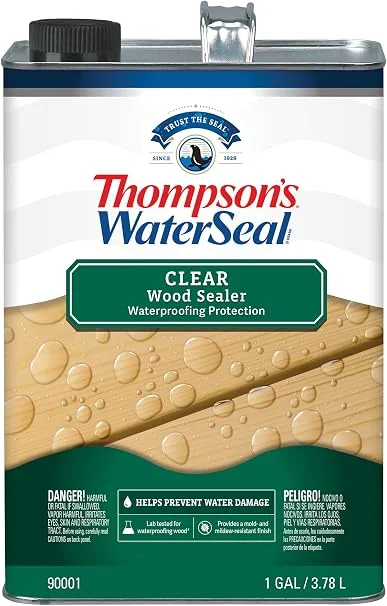 |
Thompson’s WaterSeal Clear Wood Sealer, 1 Gallon – $19.94 If budget or availability pushes you toward whitewood for an outdoor project, sealing it is what actually closes most of the durability gap with cedar.
|
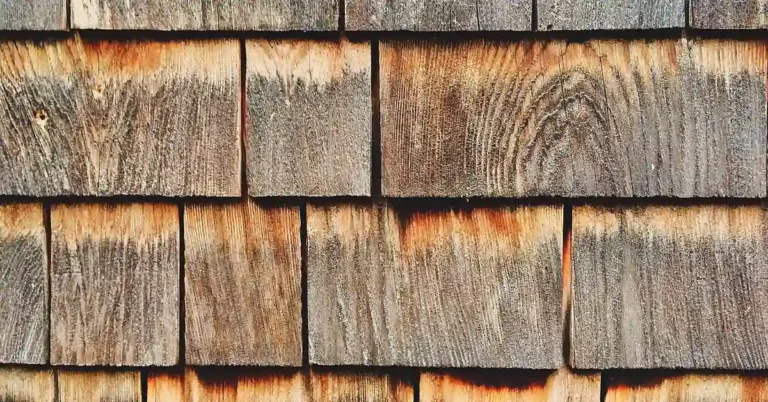
Cedar’s heartwood contains natural oils and extractives – primarily thujaplicins and related compounds – that are genuinely toxic to decay fungi and repellent to many wood-boring insects. This is real, measurable resistance, not marketing: cedar routinely lasts 15-30 years outdoors untreated, depending on climate and ground contact, while untreated whitewood in the same conditions can show rot within just a few years.
Whitewood isn’t weak wood – it’s a reasonably strong, workable softwood – it simply lacks cedar’s chemical decay resistance. Sealed, painted, or pressure-treated, whitewood can hold up outdoors reasonably well; left bare, it won’t.
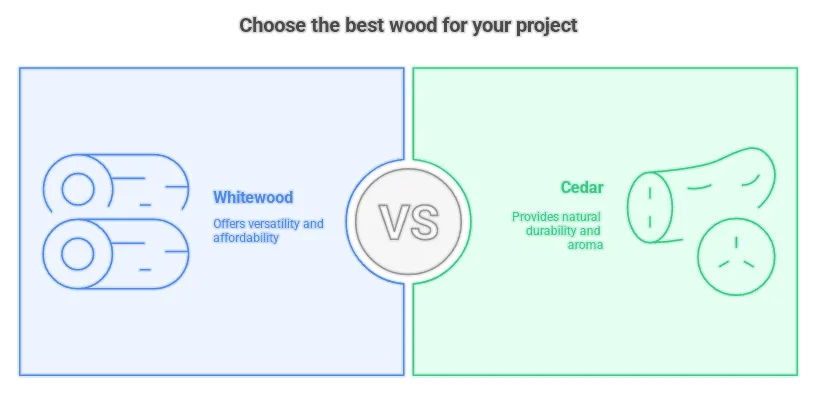
Side-By-Side Comparison
| Factor | Whitewood | Cedar |
|---|---|---|
| Typical species | Spruce-pine-fir (SPF) blend | Western or Eastern red cedar |
| Natural decay resistance | None – needs sealing/treatment outdoors | Naturally rot- and insect-resistant |
| Typical outdoor lifespan (untreated) | A few years before visible rot | 15-30 years depending on climate |
| Cost | Lower, widely available | Higher, especially clear/knot-free grades |
| Best use | Indoor framing, furniture, shelving, painted trim | Decking, fencing, siding, outdoor furniture |
| Workability | Very easy to cut, nail, and paint | Easy to work; oils can gum some blades/bits over time |
When Whitewood Makes More Sense
- Indoor furniture, shelving, or trim that will be painted anyway
- Temporary structures, jigs, or shop fixtures where longevity doesn’t matter
- Framing or structural work hidden behind drywall or siding
- Budget-driven projects where you’re willing to seal, paint, or pressure-treat for outdoor use
When Cedar Makes More Sense
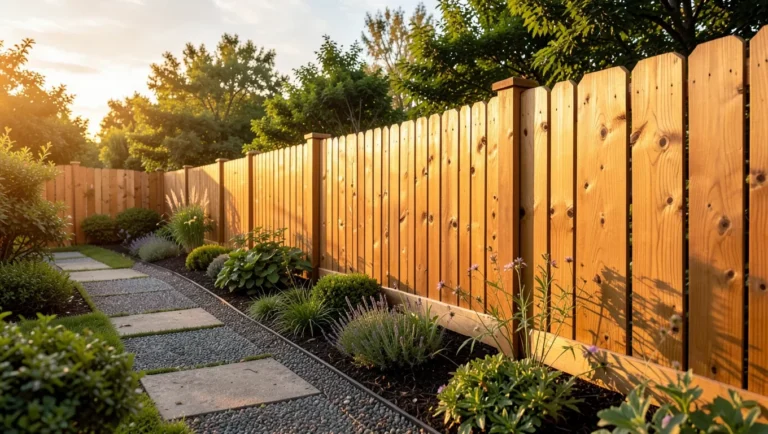
- Decking, fencing, and pergolas exposed to weather year-round
- Outdoor furniture you want to leave untreated and let weather to a natural silver-gray
- Closets, chests, and saunas where cedar’s scent and insect-repellent properties add real value
- Any ground-contact or high-moisture application where rot resistance matters most
Frequently Asked Questions
Is cedar a type of whitewood?
No. Cedar has its own distinct reddish-brown heartwood, aromatic oils, and natural decay resistance that whitewood species like spruce-pine-fir lack entirely.
Is whitewood good for outdoor use?
Not untreated. Whitewood lacks natural resistance to moisture, rot, and insects, so it needs sealing, paint, or pressure-treatment to hold up outdoors – cedar needs none of that.
What lasts longer outdoors, whitewood or cedar?
Cedar, by a wide margin, when both are left untreated – often 15-30 years for cedar versus just a few years for bare whitewood before visible decay.
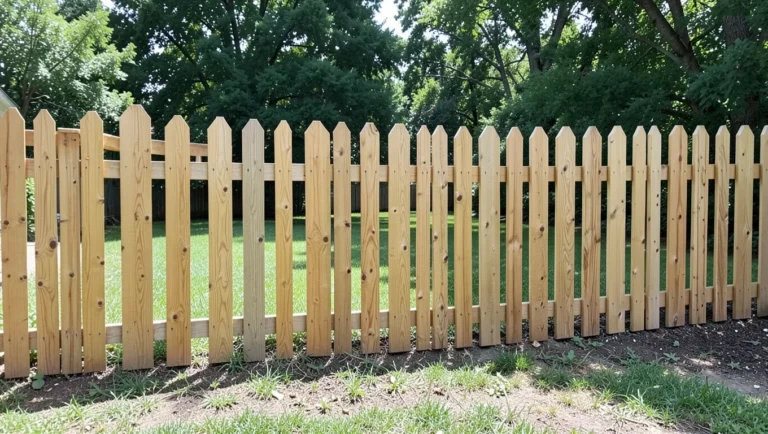
Is whitewood good for a fence?
It can work if pressure-treated or regularly sealed, but it will need more ongoing maintenance than cedar, which resists rot and insects on its own.
Conclusion
Cedar wins on durability, especially outdoors, thanks to natural oils that resist rot and insects without any treatment. Whitewood wins on cost and availability, and works fine indoors or anywhere it’ll be painted or sealed. Match the wood to the exposure: cedar for anything left to face the weather, whitewood for budget-conscious indoor work.
Sponsored / affiliate links. As an Amazon Associate I earn from qualifying purchases. I may earn additional commission from eligible campaigns.