Can You Install Engineered Hardwood Over Existing Hardwood?
Are you considering a fresh look for your home’s flooring but unsure if you can install engineered hardwood over your existing hardwood? You’re not alone.
Many homeowners face this dilemma, eager to upgrade without the hassle of a full demolition. Imagine transforming your space with a simple installation, saving time and money while boosting your home’s aesthetic appeal. We’ll explore whether it’s feasible to layer engineered hardwood over your current floors, giving you the practical insights you need.
Stick around, because the answer might surprise you and offer a solution that fits perfectly with your home improvement plans.
Advantages Of Engineered Hardwood
Engineered hardwood is very strong. It lasts a long time. Its layers make it stable. They stop the wood from bending. This is great for homes with kids. Or pets. It stands up to daily wear. It is also good for all seasons. Hot or cold, it stays strong.
This flooring looks amazing. You can find many styles. Light or dark colors. It fits any home style. Rustic or modern, it works. It can look like real wood. But is easier to care for. It is perfect for any room. Kitchens, bedrooms, or living rooms.
Engineered hardwood is cheaper than solid wood. It saves money. But it still looks great. It is a smart choice. You get style without high costs. Plus, it is easy to install. This saves time and money too. A great value for families on a budget.

Credit: oldetymefloor.com
Pre-installation Considerations
Assessing Existing Hardwood Conditionis a crucial step. Check for any damage on the surface. Scratches or dents should be fixed. Loose boards must be secured. This ensures a smooth installation.
Moisture Levels and Humiditycan affect the flooring. Use a moisture meter to check levels. High moisture can damage the wood. Ensure humidity is stable. This keeps the wood safe.
Subfloor Compatibilityis vital. The subfloor must be strong. It should be even and clean. A weak subfloor may cause problems. Reinforce or replace it if needed. A good subfloor supports the new floor.
Installation Methods
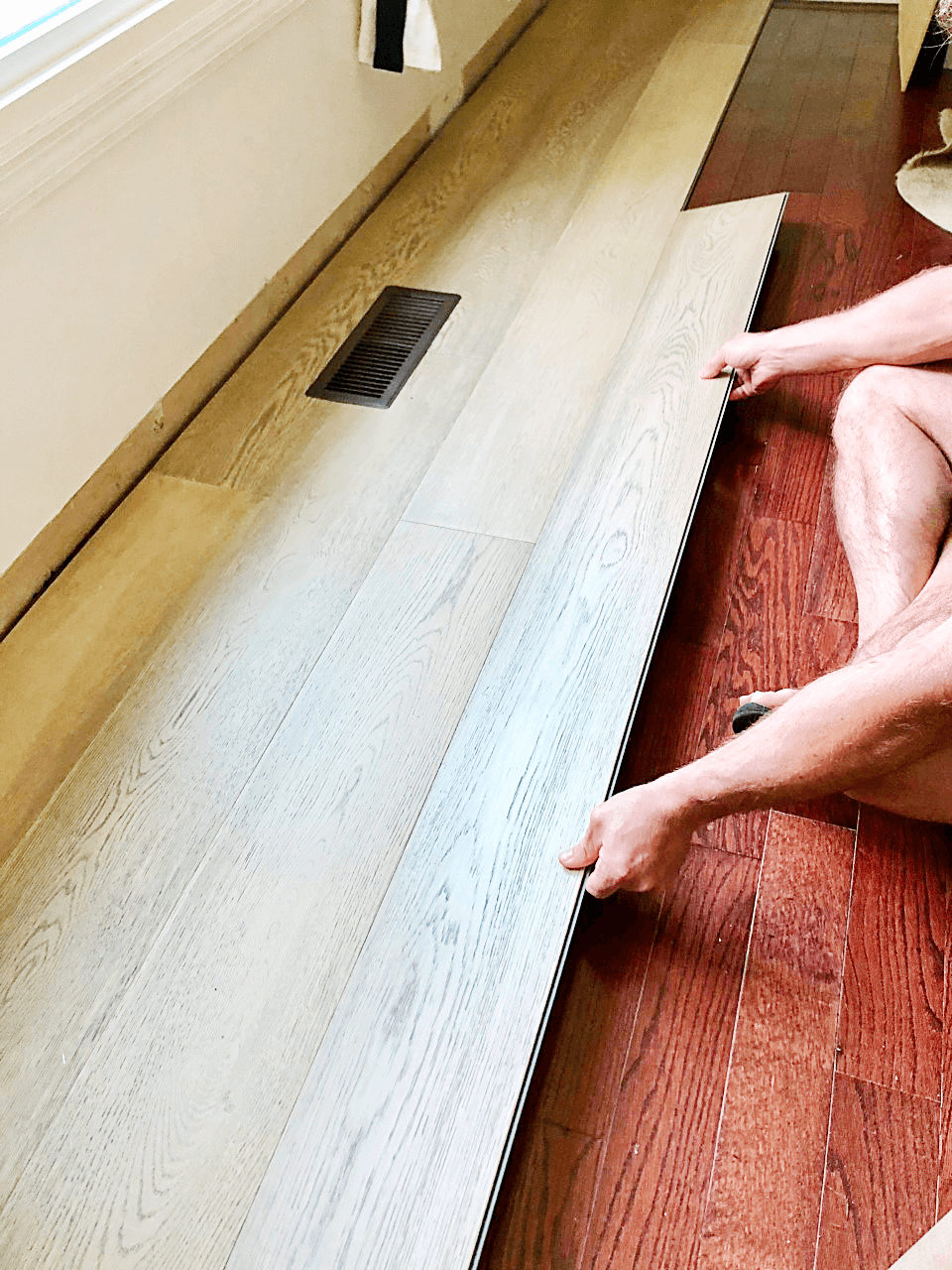
Floating installation is easy. You don’t need glue or nails. Boards fit together like a puzzle. This method works well over old hardwood. It’s quick and less messy. Make sure the floor is clean and level. Uneven floors can cause problems later. Always check the manufacturer’s instructions. They will guide you on spacing and more.
Glue-down technique involves adhesive. It secures the planks firmly. This method gives a solid feel. Be careful with glue. Too much can damage the old floor. Clean the surface before starting. Make sure it’s dry and free from dust. This technique is popular in high-traffic areas. It offers great durability. Follow the glue instructions closely.
Nail-down approach uses nails to fix planks. It’s a traditional method. You need tools and skills. This method is reliable and long-lasting. The old floor should be in good condition. Nails need a strong base. Check for loose boards before starting. Use a nail gun for better results. It speeds up the process.
Tools And Materials Needed
Installing engineered hardwood over existing hardwood requires specific tools and materials. Essential tools include a saw, hammer, and tape measure. Materials needed are underlayment and adhesive for proper installation.
Essential Tools
You need a hammer and nails to secure the boards. A saw is important to cut the wood pieces. Use a level to ensure the floor is even. A measuring tape helps in measuring the space. Drill is essential for making holes. Screwdriver is needed to tighten screws. Pry bar is useful for removing old wood.
Recommended Materials
Engineered hardwood is the main material. You also need adhesive to stick the wood. Underlayment helps in soundproofing and moisture control. Spacers are essential to maintain gaps. Wood filler is needed for filling holes. Sealant protects the wood from damage.
Safety Equipment
Gloves protect your hands. Goggles keep your eyes safe. Mask prevents dust inhalation. Ear protection is needed during loud work. Knee pads protect knees while kneeling. Boots keep your feet safe from heavy objects.
Step-by-step Installation Process
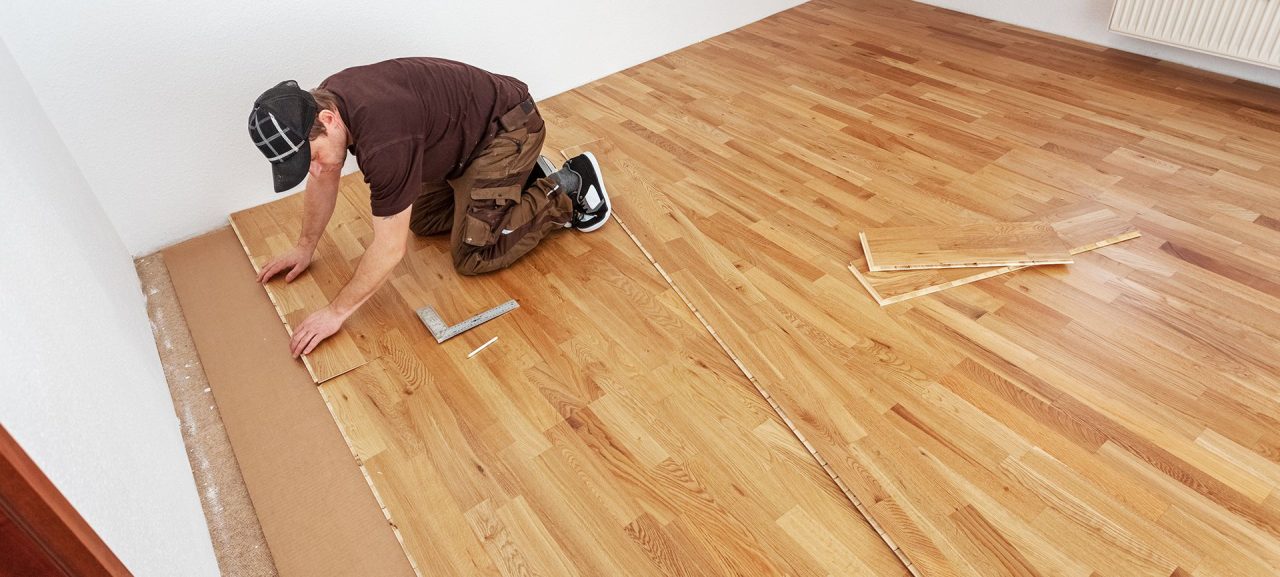
Check the old floor. Make sure it is clean and dry. Remove any debris. Ensure the surface is level. Use a level tool for checking. Fix any uneven spots. Sand if needed. Clean the area again. Make sure no dust is left.
Start at a wall. Place the first plank. Ensure it fits tightly. Align it properly. Use spacers to keep gaps. This allows for expansion. Check the row’s straightness. Adjust as needed. Tighten the planks together.
Connect the next plank. Press down to join. Repeat for the whole row. Use a mallet if needed. Ensure tight connections. Keep checking alignment. Use spacers between rows. Maintain gap consistency.
Check the last row. Cut planks to fit. Ensure a snug fit. Remove all spacers. Install baseboards. This covers expansion gaps. Clean the floor again. Make sure no dust remains. Enjoy your new floor!

Credit: jla.co.id
Common Challenges And Solutions
Uneven surfacescan cause problems when installing engineered hardwood. It affects the stability and look. Use a level to check the floor’s flatness. Sandinghigh spots helps. Fill low spots with leveling compound. These steps create a smooth surface for the new floor.
Moistureharms hardwood floors. Check moisture levels before installing. Use a moisture meter for accurate readings. Install a moisture barrier if needed. This prevents water from damaging the wood. Protect your investmentby controlling moisture.
Noiseand creaking are annoying problems. Use underlayment to reduce sound. Ensure the subfloor is clean and dry. This minimizes noise. Secure loose boards before installation. This stops creaking. Enjoy a quiet and calm home.
Maintenance And Care Tips
Keep floors clean with regular sweeping. Use a soft broom. Vacuum weekly with a hardwood-friendly attachment. Avoid water spills. Water can damage hardwood. Mop with a damp cloth, not wet.
Place mats at doorways. Mats catch dirt and grit. Furniture pads protect the floor from scratches. Keep pets’ nails trimmed. Sharp nails can scratch the wood. Avoid wearing high heels on floors.
Regularly inspect the floor for damage. Fix scratches quickly. Refinish floors every few years. Use products suitable for hardwood. Avoid harsh chemicals. They can harm the finish. Keep humidity levels stable.
Credit: lvflooring.ca
Frequently Asked Questions
Can Engineered Hardwood Be Installed Over Old Hardwood?
Yes, engineered hardwood can be installed over existing hardwood floors. It provides a cost-effective way to update your flooring. Ensure the old hardwood is level, clean, and dry before installation. Proper preparation will ensure a smooth installation and long-lasting results.
What Are The Benefits Of Installing Over Existing Hardwood?
Installing engineered hardwood over existing hardwood saves time and money. It eliminates the need for demolition and disposal. It also offers improved stability and moisture resistance compared to solid hardwood. This method is eco-friendly by reducing waste.
Do I Need An Underlayment For Engineered Hardwood?
Yes, an underlayment is recommended when installing engineered hardwood. It provides sound absorption and moisture protection. It also helps to smooth out minor imperfections in the existing hardwood. Always follow the manufacturer’s guidelines for the best results.
Can I Install Engineered Hardwood Over Damaged Hardwood?
It’s not recommended to install over damaged hardwood. The existing floor must be in good condition. Repair any damaged areas before installation. This ensures a stable and even surface for the new flooring. Proper preparation is key for a successful installation.
Conclusion
Installing engineered hardwood over existing hardwood is possible. It adds a fresh look. Ensure the old floor is level and clean. This preparation step is crucial. Use the right underlayment for moisture control. Your home will look modern and stylish.
Check for any height differences at doorways. This can affect the installation. Consult a professional if unsure. They offer valuable guidance and expertise. A well-done installation enhances your space. It provides durability and elegance. Enjoy your new, beautiful floor.