Beeswax on Hardwood Floors: Pros, Cons, and When Not to Use It
Beeswax gives hardwood floors a warm, natural sheen and is easy to spot-repair, but it makes floors noticeably more slippery than a polyurethane finish, needs reapplication every few months, and it should never go over an existing polyurethane finish – the wax won’t bond, and it will make future refinishing much harder. Whether it’s a good fit for your floor depends almost entirely on what finish you already have and how much upkeep you’re willing to do.
Check Your Existing Finish First – This Decides Everything
Best Beeswax Polish for Oil-Finished Floors
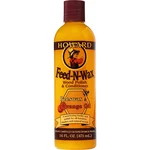 |
Howard Feed-N-Wax Beeswax Polish (16 oz) – $5.99 A beeswax and carnauba blend suited to raw or oil-finished wood floors – not for use over an existing polyurethane finish.
|
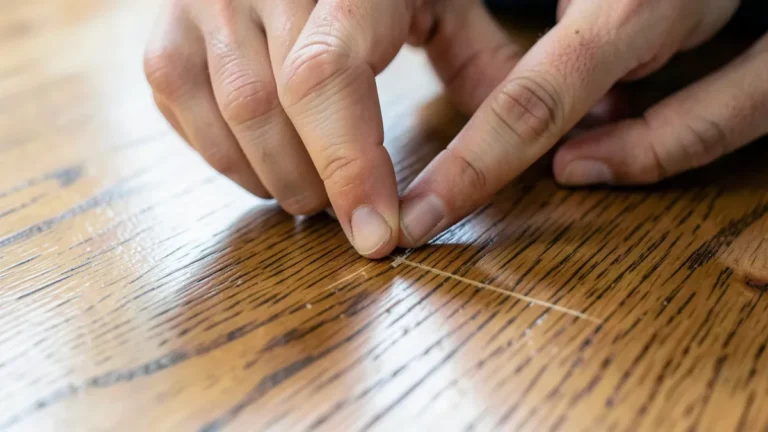
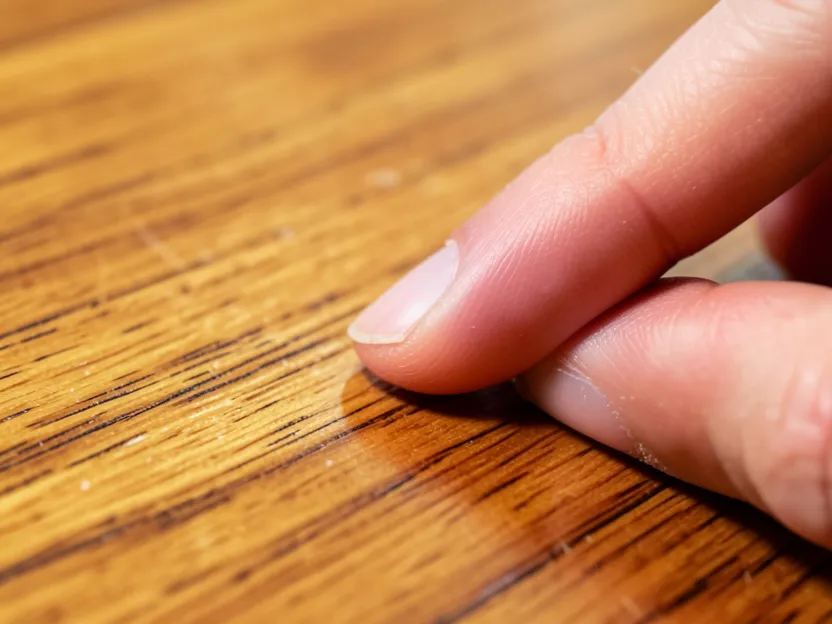
Beeswax only makes sense on raw, unfinished wood or on a floor with an existing oil finish (like tung oil or Danish oil) – wax and oil finishes are compatible because both penetrate and sit similarly on the wood surface. If your floor has a polyurethane finish (the most common finish on floors installed or refinished in the last few decades), applying wax on top doesn’t penetrate anything – it just sits as a separate film on top of the poly, wearing unevenly and building up a cloudy residue in high-traffic areas. Do the fingernail-scratch test if you’re not sure: if a light scratch removes a shiny film rather than dulling matte wood, you likely have polyurethane, and wax isn’t the right product for that floor.
The Real Benefits
Natural look and warmth. Beeswax doesn’t create a hard plastic-like film the way polyurethane does – it soaks slightly into open-grain wood and leaves a soft, low-sheen glow that many people prefer to a glossy poly finish, especially on older or antique flooring where a “period correct” look matters.
Easy spot repair. A worn patch on a wax-finished floor can be touched up by rubbing in a little more wax with a cloth, buffing, and blending – no sanding, no matching a poly sheen across a repair line. This is the single biggest practical advantage over poly, where a spot repair almost always shows as a slightly different sheen than the surrounding finish.
No off-gassing or strong odor. Unlike oil-based polyurethane, which off-gasses noticeably for days after application, beeswax has a faint, natural scent and no significant curing fumes – relevant if you’re refinishing while still living in the space.
The Real Drawbacks – Including One That’s a Safety Issue
Slip risk. A freshly waxed floor is measurably more slippery than a polyurethane-finished one, especially in socks or smooth-soled shoes, and especially right after application before it’s fully buffed and cured. This matters more than most finish comparisons mention – if you have young kids, older adults, or pets in the house, a wax finish’s slip characteristics are a real practical consideration, not a minor footnote. Buffing thoroughly after application reduces this significantly, but it doesn’t eliminate the difference versus poly.
Poor water resistance. Wax is not a moisture barrier the way cured polyurethane is. A spill left sitting can penetrate past the wax layer and reach the wood, causing staining or swelling that a poly finish would have blocked. Wax-finished floors need spills wiped up promptly, every time – there’s much less margin for a forgotten glass of water than with poly.
Frequent reapplication. Depending on foot traffic, expect to rewax every 3 to 12 months, versus years between recoats for a polyurethane finish. This is an ongoing maintenance commitment, not a one-time application.
Complicates future refinishing. If you ever want to switch to polyurethane later, every trace of wax has to be fully stripped first – polyurethane won’t adhere over wax residue, and an incomplete strip causes the new poly finish to peel or fisheye (form small craters) within months. This is the most common way homeowners end up needing a professional refinish instead of a DIY one: a partial wax removal that looked clean by eye but left enough residue to ruin the new finish.
Applying It Correctly, If You Decide It’s Right for Your Floor
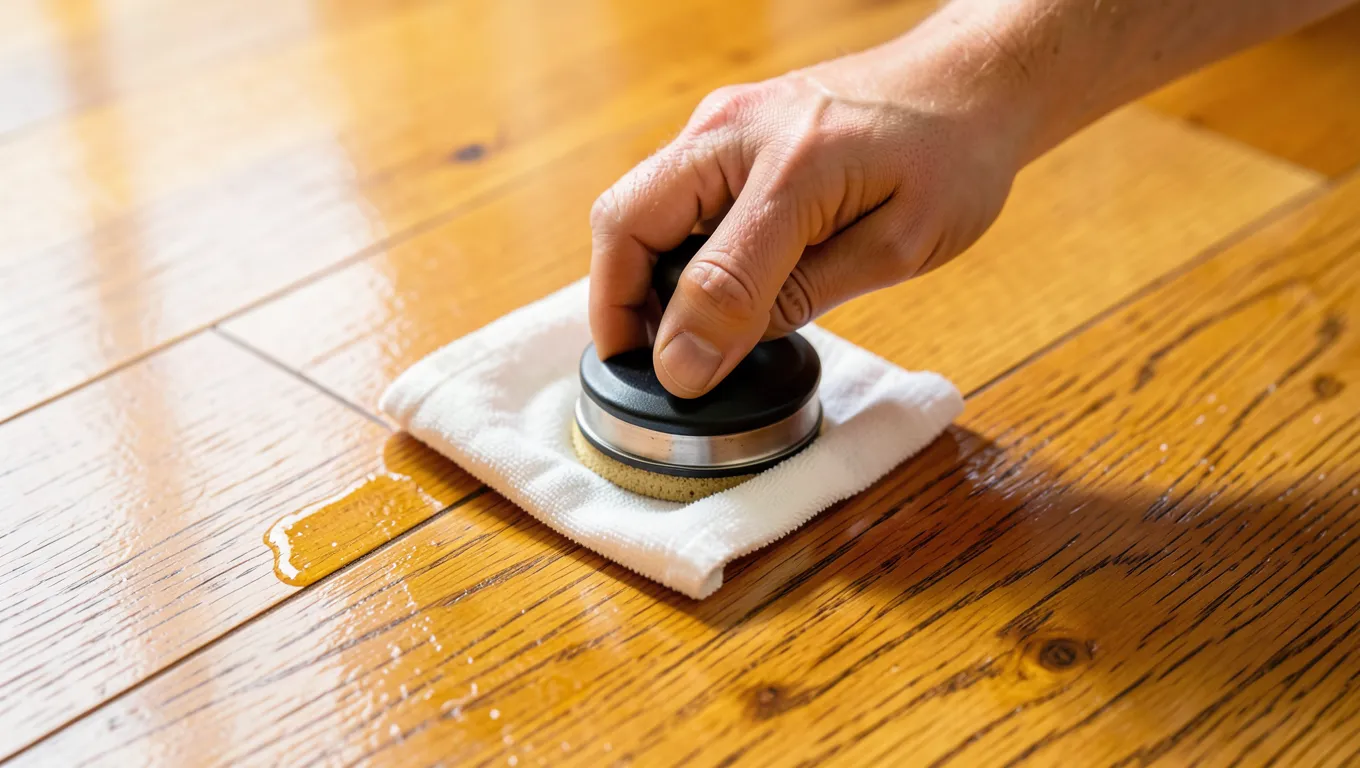
Clean the floor thoroughly and let it dry completely – any residual cleaner or moisture trapped under a wax layer causes cloudy spots. Apply a thin, even coat with a soft cloth working with the grain, let it sit for the time the product specifies (often 15-30 minutes), then buff vigorously with a clean cloth or a buffing pad. Buffing isn’t optional polish – it’s what brings out the sheen and knocks down the slip risk from a heavy, unbuffed coat. Avoid over-applying; a thin coat buffed well outperforms a thick coat that stays gummy.
Frequently Asked Questions
Can I put beeswax over a polyurethane-finished floor?
You can apply it, but it doesn’t bond to poly the way it does to raw or oil-finished wood. It sits as a separate film that wears unevenly and can leave a cloudy residue, and it makes any future refinishing more difficult since the wax has to be fully stripped first.
Is a beeswax-finished floor more slippery?
Yes, noticeably more than a cured polyurethane finish, particularly right after application and in socks or smooth-soled shoes. Thorough buffing reduces this but doesn’t fully eliminate the difference – worth factoring in if young kids, older adults, or pets use the space.
How often does beeswax need to be reapplied?
Typically every 3 to 12 months depending on foot traffic, compared to years between recoats for polyurethane. It’s a genuine ongoing maintenance commitment rather than a one-time finish.
Can I switch from beeswax to polyurethane later?
Yes, but every trace of wax must be fully stripped first, usually with a solvent-based wax remover and often multiple passes. Polyurethane applied over incompletely stripped wax will peel or fisheye within months, which is the most common reason this switch ends up needing a professional rather than a DIY approach.
Sponsored / affiliate links. As an Amazon Associate I earn from qualifying purchases. I may earn additional commission from eligible campaigns.