How to Get Scuffs Out of Hardwood Floors (Without Ruining the Finish)
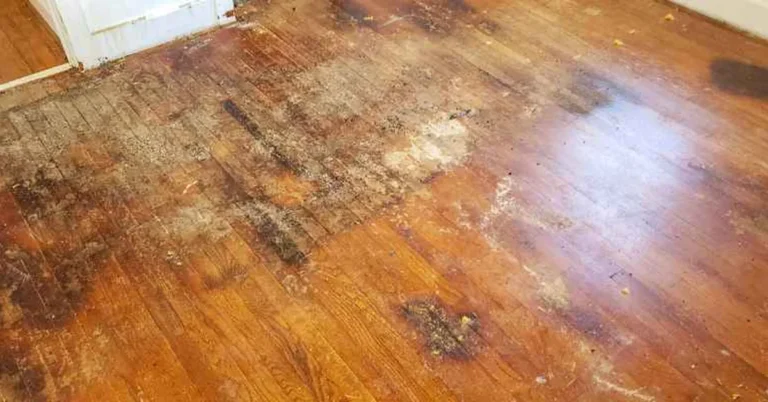
Most black scuffs on hardwood floors are just rubber or shoe-sole residue sitting on top of the finish, not damage to the wood itself – which is why they usually rub off with a dry tennis ball, a pencil eraser, or a baking-soda paste, without needing anything abrasive. A real scratch, by contrast, has actually broken through the finish layer and needs a different fix entirely.
The methods below work, but almost none of the generic scuff-removal lists mention the part that actually matters: which of these methods can dull or strip your floor’s specific finish if you’re not careful, and how to tell a scuff from a scratch before you start rubbing.
Scuff or Scratch? Check This First
Best pH-Neutral Cleaner for Scuffs
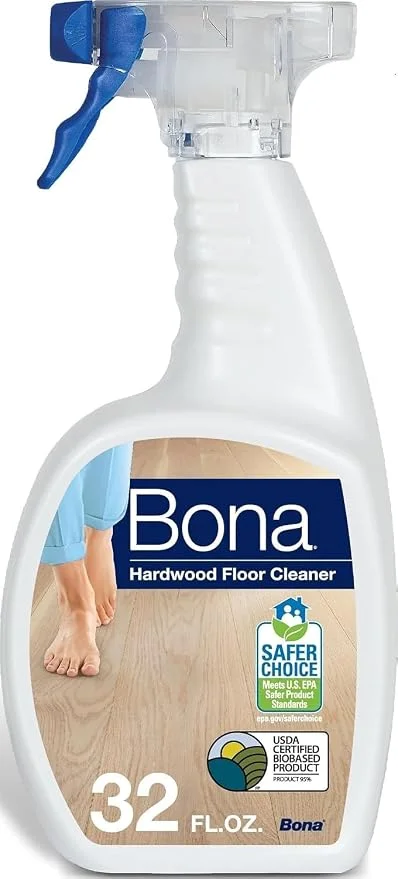 |
Bona Hardwood Floor Cleaner Spray – $8.97 A pH-neutral, ready-to-use spray formulated specifically for finished hardwood, useful for scuffs that resist a dry tennis ball or eraser without the pH extremes of vinegar or the abrasion of a Magic Eraser.
|
Run a fingernail lightly across the mark. If your nail glides over it smoothly and the mark is just a dark or discolored smudge, it’s a scuff – surface residue sitting on top of an intact finish. If your nail catches or drops into a groove, the finish has actually been cut through, and you’re dealing with a scratch that the methods below won’t fully fix (a real scratch needs a touch-up marker, wax fill stick, or in bad cases, a light refinish of that section).
This distinction matters because scuff removal relies on lifting residue off an undamaged finish, while scratch repair means filling or blending a gap in the finish itself. Treating a scratch like a scuff just wastes time rubbing at a groove that was never going to buff out.
Removing a Scuff Without Damaging the Finish
Start with the gentlest option and only move to a stronger one if it doesn’t work – this order matters more than which single method you pick.
- Dry tennis ball or clean rag first. A tennis ball rubbed briskly over a scuff mark lifts a surprising number of them with zero risk to the finish, since there’s no moisture or chemical involved at all.
- Pencil eraser (non-colored, non-gel). Works the same way as the tennis ball but with more targeted pressure for a small, stubborn mark. Avoid colored erasers, which can leave their own tint behind.
- Baking soda paste. Mix baking soda with just enough water to form a thick paste, apply with a soft cloth, and rub gently in the direction of the grain. Baking soda is a very fine, mild abrasive – safe on most finishes in light use, but always wipe up all residue immediately afterward, since leaving a damp paste sitting on a finish for extended periods can dull sheen over time.
- A pH-neutral hardwood floor cleaner. For scuffs that resist the dry methods, a cleaner formulated specifically for finished hardwood (not an all-purpose cleaner) lifts residue without the pH extremes that can cloud or soften a finish.
Which Popular “Hacks” Can Actually Damage Your Floor
A lot of scuff-removal advice repeats the same handful of household hacks without mentioning that they carry real tradeoffs depending on your floor’s finish type:
- Vinegar and water. Vinegar is acidic, and repeated use on polyurethane or wax finishes can gradually break down and dull the finish’s sheen, even though a single wipe won’t do visible damage. Fine as an occasional spot treatment; a bad habit as a regular floor cleaner.
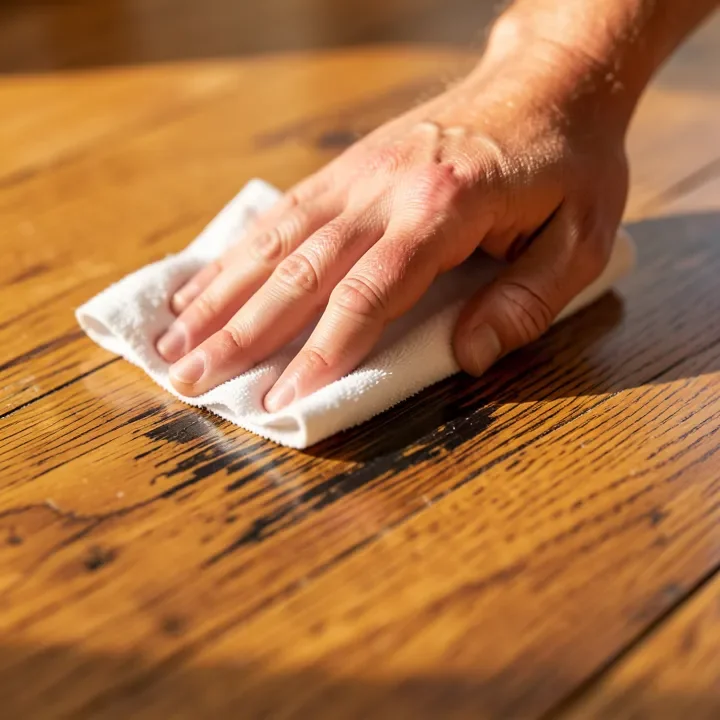
- Magic Eraser (melamine foam). These work by micro-abrading the surface, which is exactly why they lift scuffs so well – and exactly why they can leave a visibly duller, matte patch on a satin or glossy finish. If you use one, test it in a hidden corner first and use minimal pressure.
- Non-gel toothpaste. Works similarly to baking soda paste (mild abrasive), but some whitening formulas contain additional abrasive particles or peroxide that are harsher than plain baking soda. Plain, non-whitening paste is the safer version if you go this route.
None of these are “wrong,” but all three trade some risk to your finish’s sheen for convenience. The tennis ball, eraser, and baking soda paste in the previous section carry essentially none of that risk, which is why they’re worth trying first even though they feel less like a “real” cleaning product.
Preventing Scuffs in the First Place
Felt pads under furniture legs stop the single biggest source of repeat scuffing – chair legs sliding across the floor under weight. A doormat at every entry point catches the grit that turns ordinary foot traffic into a light sanding action over months of walking. Dark, hard rubber soles (work boots, some athletic shoes) are the most common source of black scuff marks specifically, since that’s the rubber compound most prone to leaving a residue transfer; a “shoes off” habit in high-traffic rooms prevents more scuffs than any cleaning method fixes after the fact.
When to Call a Professional
If your fingernail test above shows the finish has actually been cut through, or if a mark covers a large area and general cleaning hasn’t lifted it, you’re past what a household remedy can fix. A light screen-and-recoat (an abrasion pass followed by a fresh topcoat, without full sanding down to bare wood) handles moderate finish wear across a whole room for a fraction of a full refinish, and is worth asking a flooring pro about before assuming a full sand-down is necessary. For an actual scratch rather than a scuff, see our hardwood scratch repair guide for finish-only fixes versus deeper gouges.
Frequently Asked Questions
How do you tell a scuff from a scratch on a hardwood floor?
Run a fingernail across the mark. If it glides smoothly, it’s a scuff (residue on an intact finish). If your nail catches or drops into a groove, the finish has been cut through and it’s a scratch, which needs a touch-up marker, wax fill, or a light refinish rather than a cleaning method.
Is Magic Eraser safe on hardwood floors?
It works because it’s a mild abrasive, which means it can also leave a duller, matte patch on satin or glossy finishes if used with too much pressure. Test it in a hidden spot first, and try a tennis ball, eraser, or baking soda paste before reaching for it.
Does vinegar damage hardwood floor finish?
An occasional vinegar-and-water spot treatment won’t visibly harm most finishes, but vinegar is acidic, and using it as a regular floor cleaner can gradually dull polyurethane or wax finishes over repeated use. A pH-neutral hardwood floor cleaner is the safer choice for routine cleaning.
What causes black scuff marks on hardwood floors?
Dark, hard rubber soles, like those on work boots and some athletic shoes, are the most common cause, since that rubber compound transfers residue easily under pressure or twisting motion. Felt furniture pads and an entryway doormat prevent most of the rest.
Sponsored / affiliate links. As an Amazon Associate I earn from qualifying purchases. I may earn additional commission from eligible campaigns.