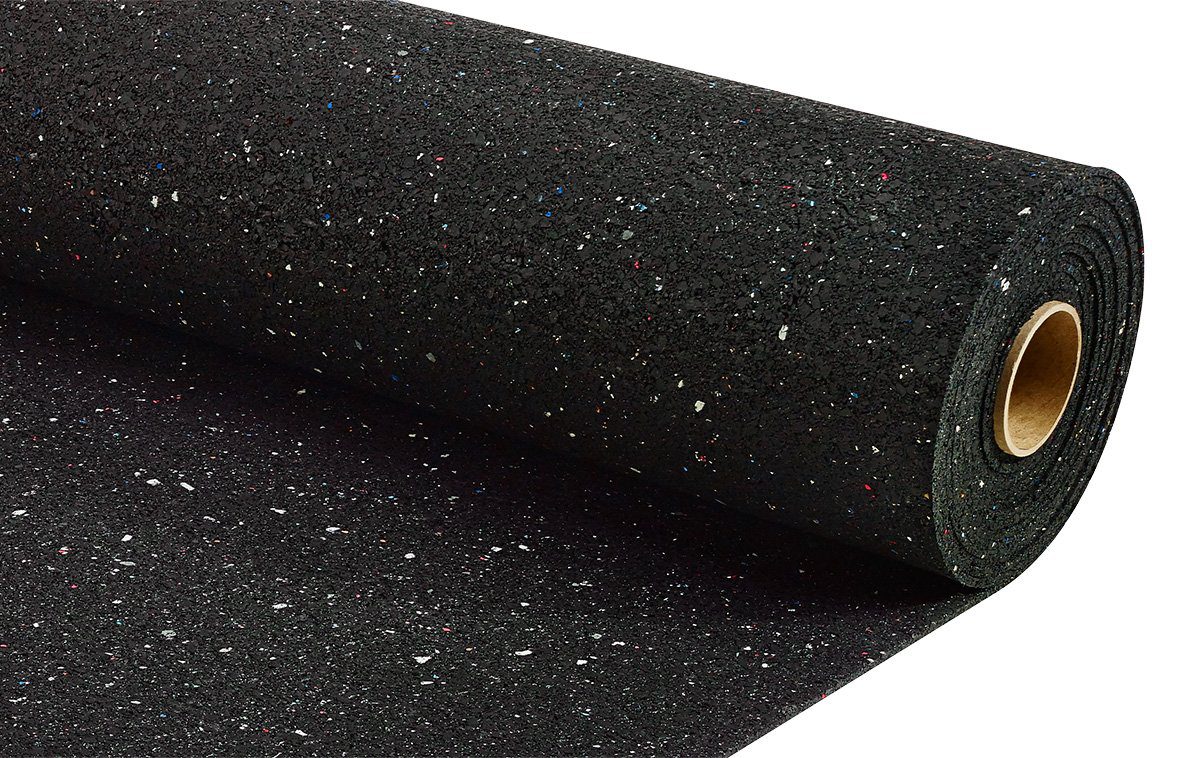
How Thick Should Rubber Flooring Be Over Hardwood?
Rubber flooring protects hardwood best at 1/4 inch (6mm) for everyday rooms, and 3/8 to 1/2 inch (9–12mm) under home gym equipment — thinner rolls flex and slide underfoot. Skip a barrier layer, though, and synthetic rubber’s plasticizers can bond with a polyurethane finish, causing a permanent yellow stain no refinishing fully removes. This guide covers the right thickness by room, what actually causes rubber-on-hardwood staining, and how to install it so the wood underneath survives.
Quick Answer
Use 1/4 inch (6mm) rubber flooring for light-to-medium residential rooms, and 3/8–1/2 inch (9–12mm) for home gyms or heavy equipment. Rubber itself won’t dent or scratch hardwood — but skipping a barrier layer (rosin paper or plastic sheeting) risks a permanent stain from plasticizer migration into the finish.
What Thickness of Rubber Flooring Do You Need?
Best Rubber Flooring Pick
Flooring Inc 1/4″ Tough Rubber Flooring Roll – $152.17
A 4×10 ft roll at exactly the 1/4 inch (6mm) thickness this guide recommends for general residential rooms.
- Best for: Living rooms, hallways, and general residential rooms over hardwood
- Why we picked it: Matches the 1/4″ thickness this guide recommends as the residential standard
- Main drawback: Still needs a barrier layer against polyurethane finishes
Compare more rubber flooring options
 Option 1 4×10 FT Rubber Gym Flooring Roll – $86.96
|
 Option 2 Rubber-Cal Elephant Bark 3/16″ – $71.42
|
 Option 3 Playsafer Genaflex Heavy Duty – $299.99
|
As an Amazon Associate we earn from qualifying purchases.
For most rooms, 1/4 inch (6mm) rubber flooring cushions hardwood against scuffs and dropped objects without adding noticeable bulk at doorways or thresholds. High-traffic and equipment areas need more: 3/8 inch (9mm) or thicker carries the repeated impact of gym equipment and dropped weights without bottoming out.
| Room / Use | Recommended Thickness | Rated Static Load |
|---|---|---|
| Bedroom, home office (light traffic) | 1/8″–1/4″ (3–6mm) | Light foot traffic only |
| Living room, hallway (general residential) | 1/4″–3/8″ (6–9mm) | ~500 lbs/sq ft at 1/4″ |
| Home gym, playroom (high traffic) | 3/8″–1/2″ (9–12mm) | ~800 lbs/sq ft at 3/8″ |
| Weight room, dropped equipment | 1/2″+ (12mm+) | Rated for repeated heavy impact |
Weight capacity, not just thickness, is what actually matters for a home gym floor — check the manufacturer’s Shore A hardness rating (60–90 is the typical usable range) alongside the thickness spec, since two rolls of the same thickness can carry very different loads depending on density.
Does Rubber Flooring Actually Damage Hardwood?
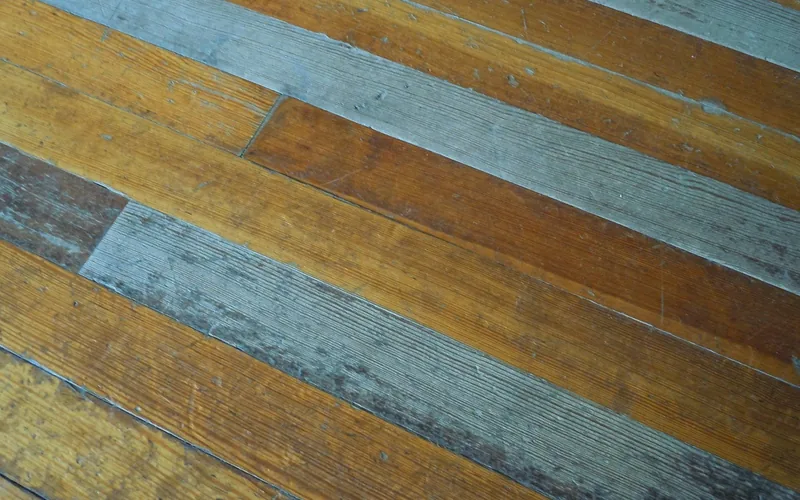
No — rubber flooring itself doesn’t dent, scratch, or wear down hardwood; it’s one of the few floor coverings soft and impact-absorbing enough to prevent that kind of damage in the first place. The real risk with rubber isn’t physical, it’s chemical.
Synthetic and recycled rubber contain plasticizers — softening chemicals that can migrate out of the rubber and bond with a polyurethane hardwood finish over weeks or months. The result is called plasticizer migration: a permanent yellow, amber, or hazy stain that ordinary cleaning won’t lift and that refinishing often can’t fully remove either, since the discoloration has bonded into the finish layer itself. Natural rubber reacts far less than synthetic or recycled rubber, but the safest move with any rubber product is a barrier layer — not the rubber’s color or brand.
📊 Plasticizer migration, not moisture, is the leading cause of rubber-mat stains on hardwood — the reaction happens between the rubber’s softening agents and the finish coat, which is why a coaster-sized rubber pad left in one spot for months will often leave a stain identical to a full room of rubber flooring.
There’s a second, less-discussed risk: trapped moisture. Rubber flooring is essentially waterproof on top, which is exactly why people use it — but that same non-breathable surface can trap spilled liquid, condensation, or ambient humidity between the rubber and the hardwood if the rubber is never lifted. Left long enough, that trapped moisture causes the exact warping and staining the rubber was supposed to prevent. Lift and air out large mats or rolls every few months, especially in humid climates or rooms without much airflow.
How to Install Rubber Flooring Over Hardwood Without Damaging the Finish
Most rubber flooring rolls or interlocking tiles need no adhesive at all — their own weight and the seam connections hold them in place. That’s an advantage for hardwood specifically, since it means nothing gets glued directly to a finish that could react with it.
- Clean and inspect the hardwood: sweep and vacuum thoroughly, then check the finish for existing damage or bare spots — rubber magnifies problems in an already-compromised finish.
- Lay down a barrier layer: roll out rosin paper, kraft paper, or 6-mil plastic sheeting across the entire footprint before any rubber goes down. This single step is what actually prevents plasticizer migration and staining.
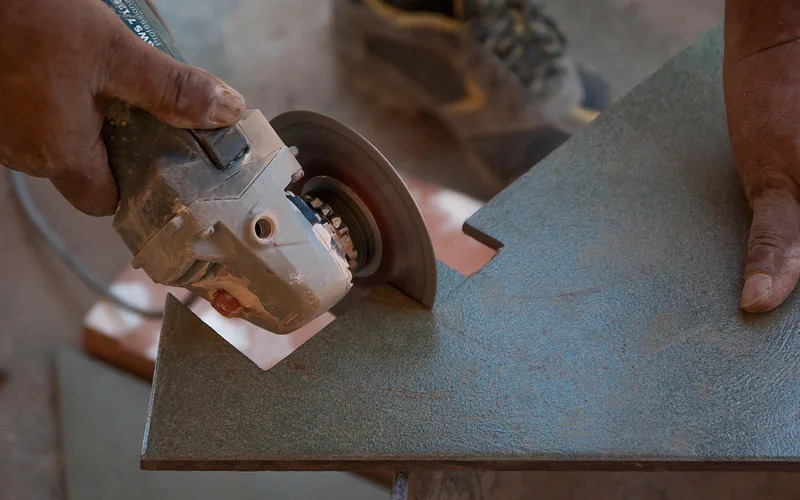
- Dry-fit and trim the rubber: lay rolls or tiles over the barrier, trim edges to fit walls and corners, and let the material relax for 24 hours before final positioning — rubber can arrive compressed from shipping and expand slightly once unrolled.
- Seam and secure without gluing to the floor: use seam tape between rubber panels only, or double-sided tape on the barrier layer — never an adhesive that contacts the hardwood finish directly.
- Air the floor out periodically: lift and roll back large sections every few months to let any trapped moisture evaporate, especially in the first year after installation.
Rubber Flooring vs Other Hardwood-Safe Options
Rubber isn’t the only way to protect hardwood underneath a home gym or high-traffic area — it’s the toughest option, but not always the best fit if finish compatibility is a concern.
| Material | Typical Thickness | Best For |
|---|---|---|
| Rolled/recycled rubber | 1/4″–1/2″ (6–12mm) | Heavy equipment and high-impact areas; needs a barrier over polyurethane finish |
| StayLock PVC tiles | ~5/8″ (16mm), interlocking | Snap-together install, better chemical compatibility with hardwood finishes |
| EVA foam tiles | 1/2″–3/4″ (12–19mm) | Lightest cushioning; yoga and stretching, not heavy equipment |
| G-Floor ribbed vinyl | 2.5mm–9mm | Thin coverage under rolling equipment or bikes, minimal cushioning |
Common Mistakes to Avoid
- Skipping the barrier layer under synthetic rubber on a polyurethane-finished floor — the single most common cause of permanent staining.
- Gluing rubber directly to the hardwood finish instead of using a barrier plus seam tape.
- Choosing 1/8″ mats for a home gym — too thin to meet the roughly 500 lbs/sq ft rating most equipment areas need.
- Never airing out the room — trapped moisture under non-breathable rubber can warp hardwood over time.
- Ignoring the actual weight load of the space; dropped weights and heavy equipment need 3/8″+ rated flooring, not a decorative mat.
Before covering a whole room, lay a scrap of the rubber you’re buying on a hidden section of the floor — under a rug or inside a closet — for about a week. If that specific rubber is going to react with that specific finish, it usually shows as faint discoloration within days, and you’ll have caught it somewhere nobody sees instead of across your entire living room floor.
Maintenance and Care
Vacuum or sweep rubber flooring weekly to keep grit from working into the seams, then mop with warm water and a mild pH-neutral soap — harsh solvents and ammonia-based cleaners can dry out and crack rubber over time. Rinse with clean water and dry the surface rather than letting it air-dry, which is part of what keeps moisture from working down to the hardwood below.
Inspect the flooring monthly for tears, curling edges, or flattened sections, and replace damaged pieces before they let moisture or debris reach the wood underneath. Use furniture pads under any heavy pieces resting on the rubber, rotate mats occasionally to even out wear, and store spare rolls flat and out of direct sunlight, which fades and stiffens rubber over time.
Frequently Asked Questions
How thick should rubber flooring be for hardwood floors?
1/4 inch (6mm) is the standard thickness for general residential rooms. Move up to 3/8–1/2 inch (9–12mm) for home gyms, playrooms, or anywhere heavy equipment or dropped weights are likely. Thinner than 1/8 inch (3mm) offers little real protection against impact.
Does rubber flooring damage hardwood floors?
No, not physically — rubber cushions and protects hardwood from scratches and dents better than most flooring options. The real risk is chemical staining from plasticizer migration when synthetic rubber sits directly on a polyurethane finish without a barrier layer.
Does rubber flooring stain hardwood floors?
It can, through a process called plasticizer migration, where softening chemicals in synthetic or recycled rubber bond with the finish and leave a permanent yellow or dark stain. Natural rubber reacts far less, and a rosin paper or plastic barrier between the rubber and the finish prevents the reaction in either case.
Is rubber flooring good for home gyms over hardwood?
Yes, when it’s rated 3/8 inch or thicker for the equipment’s weight. Rubber absorbs impact from dropped weights, reduces noise transfer to rooms below, and protects hardwood from dents — provided a barrier layer sits between the rubber and the finish.
Can you install rubber flooring over hardwood without adhesive?
Yes — most rolled and interlocking rubber flooring is heavy or locking enough to stay in place without glue. Seams can be secured with tape rather than adhesive, which also avoids the risk of adhesive reacting with the hardwood finish underneath.
What should I put between rubber flooring and hardwood?
Rosin paper, kraft paper, or 6-mil plastic sheeting laid across the full footprint before the rubber goes down. This barrier blocks plasticizer migration from reaching the finish and also helps trapped moisture stay off the wood.
Rubber flooring is the toughest way to protect hardwood underneath a busy room, but thickness alone doesn’t make it safe — the barrier layer against plasticizer migration does. Match the thickness to the room’s actual traffic and weight, lay a barrier before the rubber goes down, and air the floor out occasionally so trapped moisture never gets the chance to do the damage the rubber was meant to prevent. For more on protecting the floor underneath, see our wood flooring guide.
Sponsored / affiliate links. As an Amazon Associate I earn from qualifying purchases. I may earn additional commission from eligible campaigns.