Wood Plus Hardwood Flooring: Quality Review Guide
Wood Plus Hardwood Flooring is a regional flooring distributor – not a single flooring product line – with locations in Galax, VA (main office), Mooresville, NC, and Raleigh, NC. They supply and sell hardwood, engineered wood, LVP/LVT, and laminate flooring from established manufacturers (Mannington, RevWood, Cali, Somerset, Lauzon, and others), along with installation supplies and finishing products. So “is Wood Plus good” really depends on which manufacturer’s product line you’re buying through them, not a single “Wood Plus quality level.”
What Wood Plus Hardwood Flooring Actually Is
Best Cleaner For Finished Hardwood
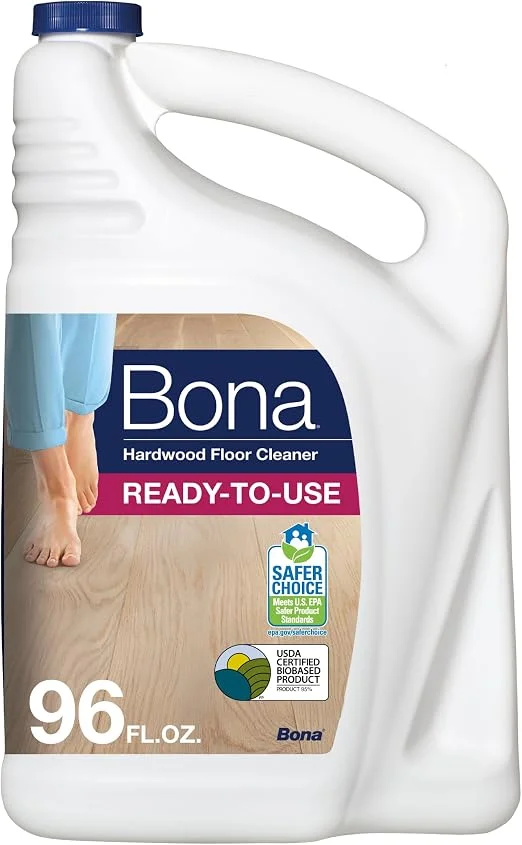 |
Bona Hardwood Floor Cleaner Refill, 96 Fl Oz – $15.99 pH-neutral and residue-free – the “approved cleaner” type that won’t dull a polyurethane or oil finish over repeated use.
|
- A distributor/retailer, not a manufacturer. They stock and sell flooring made by other established brands rather than producing their own hardwood – similar to how a lumberyard sells multiple lumber brands rather than milling its own.
- Three physical locations: Galax, VA (main office), Mooresville, NC, and Raleigh, NC, with delivery across multiple states.
- Product range beyond flooring: stair parts, moulding and trim, vents, finishing products (including DuraSeal finishes), adhesives, and installation tools/accessories.
- Because they carry multiple brands and species, the real question when shopping there isn’t “is Wood Plus good” – it’s which specific product line (Mannington vs. Somerset vs. Cali, for example) fits your budget and durability needs, the same way it would at any multi-brand flooring retailer.
Understanding Hardwood Types
- Oak Flooring. Oak is a very popular choice for hardwood floors because it’s strong and looks good, with a prominent grain pattern. Red oak has a slightly pinkish tone with more open pores; white oak is a bit harder and more moisture-resistant, with a tighter grain.
- Maple Flooring. Maple is very hard and dense, making it highly scratch- and dent-resistant – great for busy households with kids or pets. It has a fine grain and generally lighter color, sometimes with figuring like bird’s eye or tiger stripe.
- Cherry Flooring. Cherry offers a rich, warm color that deepens over time, with a finer grain than oak. It’s a medium-hard wood, so it can be more prone to dents than oak or maple in high-traffic areas.
- Walnut Flooring. Walnut comes in deep, rich brown tones with a straight or wavy grain. It’s generally softer than oak or maple, so it dents more easily but sands down beautifully if refinished.
Solid Vs. Engineered Hardwood
- Solid hardwood is a single piece of wood top to bottom, which means it can be sanded and refinished many times over its life. It’s sensitive to humidity/temperature swings, so it’s best in climate-controlled rooms, not basements or bathrooms.
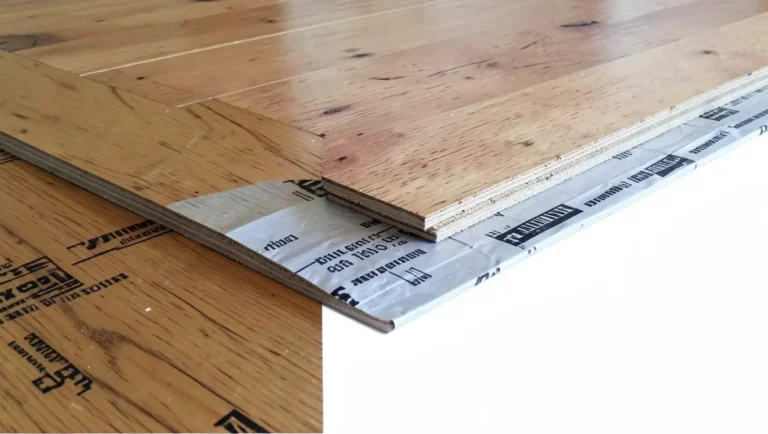
- Engineered hardwood has a real hardwood wear layer over cross-grain plywood or HDF layers, which makes it more dimensionally stable. It can go in more places than solid wood, including some basements and moisture-prone rooms. The wear layer’s thickness determines how many times it can be refinished.
Finish Types
- Surface finishes (polyurethane): durable, water-resistant, available in sheens from matte to high gloss – the standard for most prefinished floors. Downside: deep scratches usually mean sanding and refinishing the whole floor, not just a spot.
- Penetrating finishes (hardwax oils): soak into the wood for a natural, matte look, and scratches can often be spot-repaired with more oil. Downside: less moisture/stain resistance than polyurethane, and needs more frequent reapplication.
Grading And The Janka Hardness Scale
Hardwood is graded on appearance – Prime/First grade has the fewest knots and color variation for a clean, uniform look; Select/Second allows a few more natural characteristics; Common/Third permits more knots and streaks for a rustic look, usually at a lower price. Durability is measured separately by the Janka hardness scale, which tests the force needed to embed a steel ball halfway into the wood – higher numbers mean more dent resistance.
| Wood Species | Janka Rating |
|---|---|
| Pine (Eastern White) | 380 |
| Cherry (American) | 950 |
| Red Oak | 1,290 |
| White Oak | 1,360 |
| Hard Maple | 1,450 |
| Hickory | 1,820 |
For high-traffic areas or homes with pets, hickory, hard maple, and white oak hold up best. Softer species like pine and cherry show wear faster and suit lower-traffic, more formal rooms better.
Installation Methods
- Nail-down: the standard for solid hardwood over a wood subfloor – very secure, but best left to a professional and not usable over concrete.
- Glue-down: often used for engineered hardwood, especially over concrete. A good adhesive and a clean, dry, level subfloor are critical for a strong bond.
- Floating: planks click/lock together into a single “mat” that sits on top of (but isn’t attached to) the subfloor, usually with a thin underlayment beneath. Common for engineered wood and laminate, and generally the easiest method for DIY installation.
Warranties To Check
- Wear layer warranty: for engineered wood, how long the finish and real-wood veneer are guaranteed against wearing through; for solid wood, it may reference how much thickness can be sanded over the floor’s life.
- Finish warranty: guarantees the protective finish won’t peel, flake, or wear prematurely under normal use.
- Structural warranty: covers manufacturing defects like warping or delamination, often for the original purchaser’s lifetime.
- Warranties from the actual manufacturer (Mannington, Somerset, etc.) apply here, not a blanket “Wood Plus” warranty – check the specific product line’s documentation, and keep your proof of purchase and installation records, since improper installation or maintenance can void coverage.
Maintaining Hardwood Floors
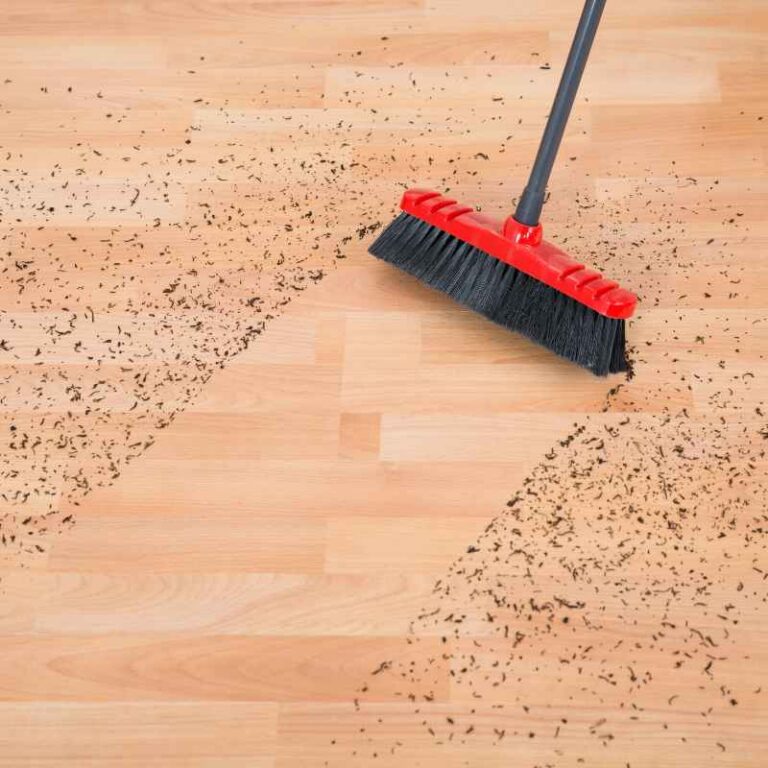
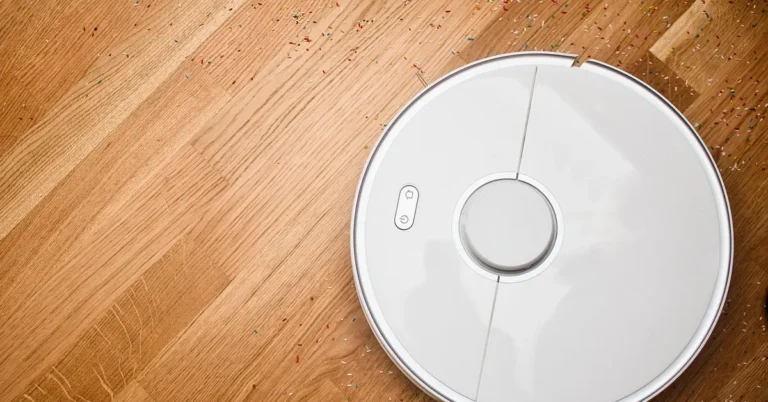
- Sweep or dust-mop regularly (daily to every other day in high-traffic areas) – loose dirt acts like sandpaper underfoot over time.
- Use area rugs at entryways to catch grit before it reaches the finish, and wipe up spills immediately with a soft, absorbent cloth.
- For deep cleaning, use a pH-neutral cleaner made for hardwood (see the pick above), not ammonia-based or abrasive products, which can damage the finish.
- Damp-mop, never soak – excess water can warp wood or damage the finish. Use protective mats/coasters under heavy furniture and rolling chairs.
Frequently Asked Questions
Is Wood Plus Hardwood Flooring A Manufacturer Or A Retailer?
A retailer/distributor. Wood Plus Hardwood Flooring, based in Galax, VA with branches in Mooresville and Raleigh, NC, sells hardwood and engineered flooring made by established manufacturers like Mannington, RevWood, Cali, Somerset, and Lauzon – they don’t produce their own branded flooring line.
What Is The Best Type Of Wood For High-Traffic Areas?
Look for hardwoods with a high Janka hardness rating. Hickory (1,820), hard maple (1,450), and white oak (1,360) are dense and resist dents and scratches well. Engineered hardwood with a thick wear layer is also a solid option.
Can I Install Hardwood Floors In A Bathroom?
Solid hardwood generally isn’t recommended due to humidity. Engineered hardwood with a water-resistant finish and proper installation may work in some bathrooms, but it’s still a riskier choice than vinyl or tile for consistently wet areas.
What’s The Difference Between Prefinished And Site-Finished Hardwood?
Prefinished floors arrive from the factory with the finish already applied – ready to install with a consistent factory finish. Site-finished floors are installed as raw wood with the finish applied afterward, allowing custom stain colors and easier full-floor repairs.
Conclusion
Wood Plus Hardwood Flooring is a real regional distributor (Galax, VA; Mooresville and Raleigh, NC) carrying multiple established flooring brands, not a single branded product with a fixed quality level. The real decision when buying through them – or any multi-brand retailer – comes down to species hardness, solid vs. engineered construction, and finish type for your specific room and lifestyle.
Sponsored / affiliate links. As an Amazon Associate I earn from qualifying purchases. I may earn additional commission from eligible campaigns.