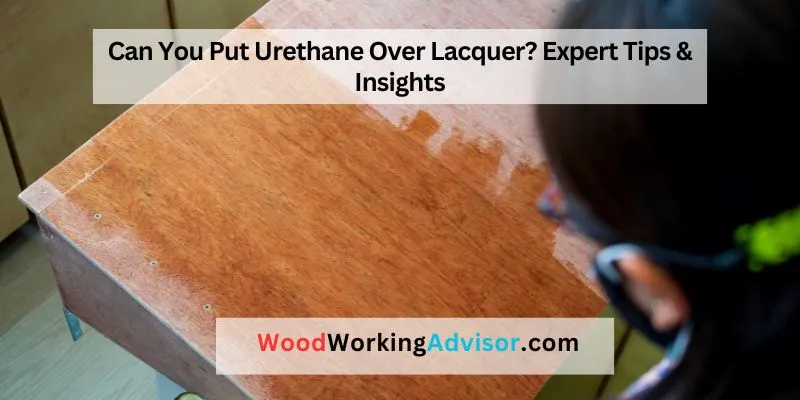
Can You Put Urethane Over Lacquer? Expert Tips & Insights
Yes, you can put urethane over lacquer, but proper preparation is essential. Ensure the lacquer is fully cured and sand the surface for better adhesion.
Applying urethane over lacquer can be a great way to enhance durability and add a protective layer. Lacquer finishes provide a beautiful, glossy appearance, but they may lack the strength needed for high-traffic areas. Urethane offers excellent resistance to scratches, chemicals, and moisture.
Before applying urethane, it’s crucial to prepare the lacquer surface correctly. This involves ensuring the lacquer is completely cured and lightly sanding the surface to promote adhesion. By following these steps, you can achieve a long-lasting, attractive finish that combines the best qualities of both materials.
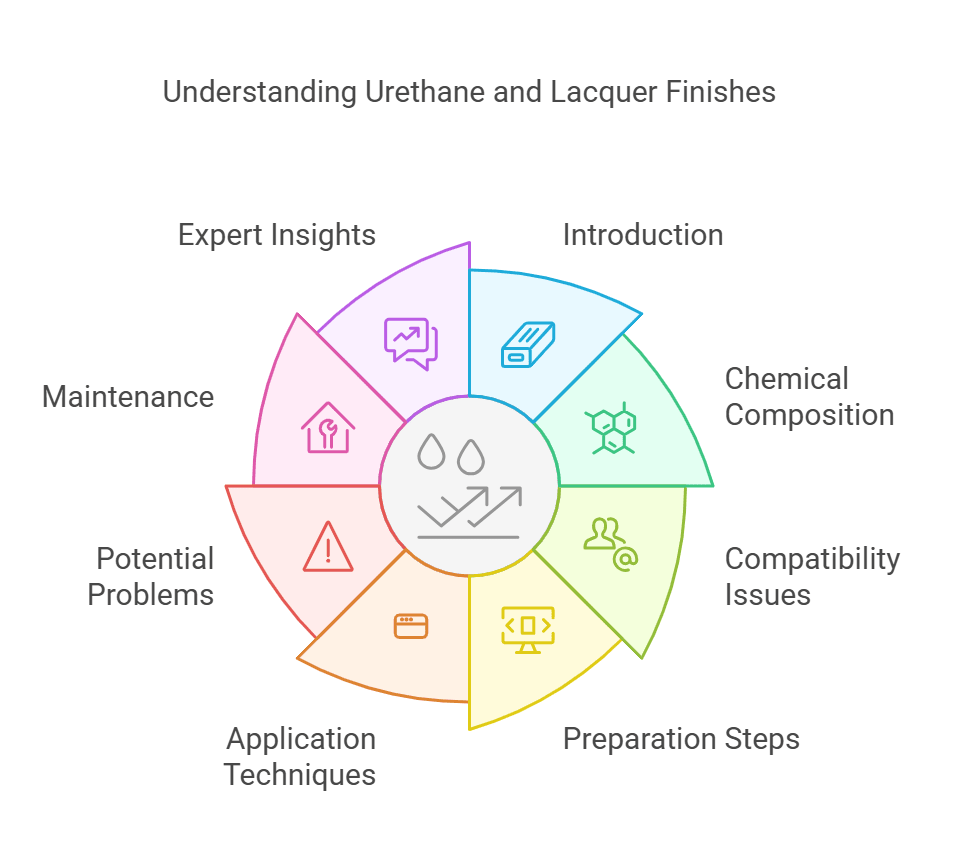
Introduction To Urethane And Lacquer Finishes
Urethane is a durable finish that protects surfaces. It offers a glossy look and resists wear. This finish is often used on wood and metal. It can be applied over other finishes.
Lacquer is a fast-drying finish. It provides a smooth surface and a shiny appearance. This finish is popular for its ease of application and quick drying time.
Using urethane over lacquer can be tricky. The two finishes may not bond well. Always test a small area first. This helps ensure a successful application.
Chemical Composition Contrast
Urethane is a durable, flexible coating. It offers excellent protection against scratches and chemicals. This makes it ideal for surfaces that experience wear and tear.
Lacquer dries quickly and provides a high-gloss finish. It is easier to apply and can be repaired easily. However, lacquer is less durable than urethane.
| Property | Urethane | Lacquer |
|---|---|---|
| Durability | High | Moderate |
| Flexibility | Excellent | Poor |
| Drying Time | Slow | Fast |
| Finish | Glossy | High Gloss |
Compatibility Issues
Applying urethane over lacquer can be tricky. Adhesion challenges often arise. Urethane may not stick well to lacquer. This happens because of the different chemical properties of each finish.
Some reactions can occur between urethane and lacquer. These reactions can cause bubbles or peeling. It is important to check if the lacquer is fully cured. A test patch can help avoid issues.
| Issue | Description |
|---|---|
| Adhesion | Poor bonding can lead to failure. |
| Reactions | Bubbles and peeling may occur. |
| Curing | Ensure lacquer is fully cured before applying urethane. |
Preparation Steps
Proper surface preparation is crucial for successful application. Start by cleaning the surface thoroughly. Use a mild soap and water solution to remove dirt and grease. After cleaning, allow the surface to dry completely.
Next, sand the lacquered surface lightly. Use fine-grit sandpaper for this task. Sanding helps create a rough texture for better adhesion. Remember to wipe away any dust after sanding.
Consider testing the urethane on a small area first. This helps check compatibility with the lacquer. Also, ensure proper ventilation during application. Follow the manufacturer’s instructions carefully for the best results.
Application Techniques
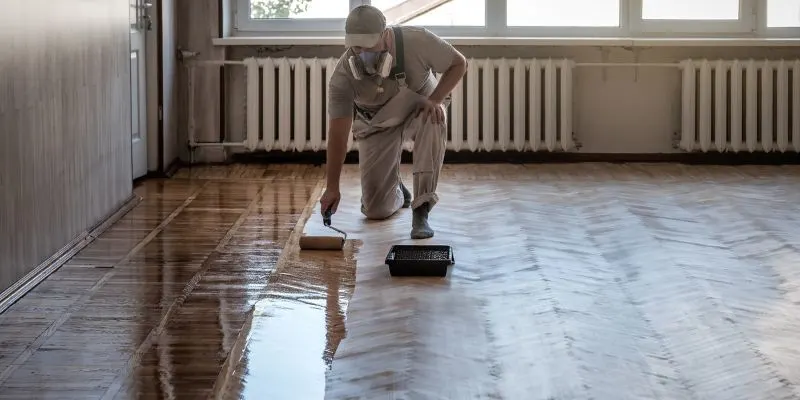
Applying urethane over lacquer requires careful techniques. Start with a clean surface. Remove any dust or grease. Use a fine-grit sandpaper for better adhesion.
Choose a high-quality urethane for the best results. Apply it in thin, even coats. This prevents runs and drips. Always follow the manufacturer’s instructions for drying times.
For a smooth finish, ensure proper ventilation. Use a spray gun or a foam brush. This helps avoid brush marks. Allow each coat to dry fully before applying the next.
Remember to test your technique on a small area. This ensures compatibility with the lacquer. Patience is key for a perfect finish.
Potential Problems And Solutions
Using urethane over lacquer can lead to some problems. Lacquer may not bond well with urethane. This can cause peeling or bubbling. Old lacquer can also create adhesion issues. Test a small area first to see how they react.
Some troubleshooting tips include:
- Ensure lacquer is fully cured before applying urethane.
- Sand the lacquer lightly to improve adhesion.
- Use a primer designed for both finishes.
- Try a compatible urethane product.
- Conduct a test patch to check for compatibility.
Maintenance And Care
Urethane can last a long time over lacquer. Proper care helps maintain its shine. Regularly clean surfaces with a soft cloth. Avoid using harsh chemicals that can damage the finish.
To keep your urethane finish in great shape, follow these tips:
- Dust surfaces often to prevent scratches.
- Wipe up spills immediately to avoid stains.
- Use coasters under drinks to protect the surface.
- Reapply urethane every few years for added protection.
Routine maintenance will help ensure the longevity of urethane over lacquer. Enjoy the beauty and durability of your finish!
Expert Insights And Case Studies
Many experts agree that applying urethane over lacquer is tricky. The bonding between the two can be weak. It is essential to prepare the surface properly. Sanding the lacquer helps create a good bond. Some professionals recommend using a primer first.
Real-world examples show mixed results. Some users report successful applications, while others face peeling or chipping. A test patch can help see if the urethane adheres well. Always follow manufacturer instructions for the best results.
| Expert Opinion | Real-World Example |
|---|---|
| Use primer for better adhesion. | Test patch showed good results. |
| Sand lacquer to improve bonding. | Some faced peeling after application. |
Alternatives To Urethane Over Lacquer
Many people seek finishing options other than urethane over lacquer. Some popular choices include:
- Shellac: A natural finish that dries quickly.
- Oil-based varnish: Provides a durable, glossy finish.
- Water-based finishes: Eco-friendly and easy to clean.
- Polycrylic: A clear coat that resists yellowing.
Choosing the right finish depends on the project. Each option has its own unique benefits. Consider factors like durability, drying time, and ease of use.
Below is a quick comparison of these methods:
| Finishing Method | Durability | Drying Time |
|---|---|---|
| Shellac | Moderate | Fast |
| Oil-based Varnish | High | Slow |
| Water-based Finishes | Moderate | Fast |
| Polycrylic | Moderate | Fast |
Conclusion: Making The Right Choice
Urethane can be applied over lacquer, but caution is needed. Lacquer dries quickly, creating a hard surface. This can lead to adhesion problems with urethane. Testing on a small area first is wise.
Key points to remember include:
- Lacquer must be fully cured before applying urethane.
- Use a compatible primer if necessary.
- Check for solvent reactions between products.
For best results:
- Sand the lacquer surface lightly.
- Choose high-quality urethane products.
- Follow the manufacturer’s instructions carefully.
Frequently Asked Questions
Can You Apply Urethane Over Lacquer?
Yes, you can apply urethane over lacquer. However, proper preparation is crucial. The lacquer surface must be clean and free of contaminants. Lightly sanding the lacquer helps create a better bond. Always test on a small area first to ensure compatibility.
What Should I Do Before Applying Urethane?
Before applying urethane, ensure the lacquer is fully cured. Clean the surface with a suitable cleaner to remove any dust or oils. Lightly sand the lacquer to improve adhesion. This preparation will help the urethane adhere better and result in a smoother finish.
Is Urethane Safe For Use Over Lacquer?
Urethane is generally safe for use over lacquer. However, some urethanes can react with the lacquer beneath. Always choose a compatible urethane product. Conduct a test patch first to avoid any adverse reactions that may ruin your project.
How Long Should I Wait Before Applying Urethane?
Wait at least 24 hours after the lacquer has dried before applying urethane. This ensures that the lacquer is fully cured and won’t interfere with the urethane’s adhesion. For best results, refer to the lacquer manufacturer’s recommendations for curing times.
Conclusion
Applying urethane over lacquer can yield excellent results, but preparation is key. Ensure the lacquer is fully cured and properly sanded. This will promote strong adhesion and enhance durability. Always test on a small area first. Following these steps will help you achieve a beautiful, long-lasting finish on your project.