Wax vs Polyurethane Furniture Finish: Durability Compared
Polyurethane outlasts wax on most furniture, except antiques where the breathable wax coat avoids trapping moisture in old wood. Pick wrong and you will be reapplying wax every few months or sanding off a peeling poly coat later. This guide compares durability, water resistance, cost, and upkeep so you know which finish is right for your furniture.
Furniture Finishes Overview
Best For Durability
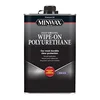
Minwax Oil-Based Wipe-On Polyurethane, 1 Quart, Satin – $21.59
This wipe-on satin coat resists the scratches and spills that the durability comparison above says wax cannot block, so high-traffic tables and desks stay protected longer between coats.
- Best for: High-traffic tables, desks, and everyday-use furniture
- Why we picked it: Oil-based satin formula wipes on without brush marks and cures to a hard, water-resistant coat
- Main drawback: Needs 2-3 thin coats with light sanding between them for full protection
Compare more wax and polyurethane finish options
 Option 1 Minwax Paste Finishing Wax, Natural, 1 lb – $13.33
|
 Option 2 Minwax Water-Based Wipe-On Polyurethane, 1 Pint – $19.98
|
 Option 3 Howard Citrus Shield Paste Wax, 11 oz – $14.29
|
Furniture finishes help protect and beautify wood. Wax and polyurethane are common choices. Wax gives a soft, warm glow. It enhances wood’s natural beauty. Polyurethane provides a hard, durable coat. It shields against scratches and water. Wax is easy to apply. It needs more frequent reapplication. Polyurethane is long-lasting. It can be tricky to apply.
Both finishes have unique benefits. Wax is best for antique furniture. It keeps the old look. Polyurethane is great for high-use items. It offers strong protection. Choosing between them depends on your needs.
Credit: quicksandsupplies.com.au
Wax Finish Characteristics
Wax is made from natural ingredients. Beeswax and carnauba wax are common types. These ingredients are safe for the environment. Wax gives a soft feel to furniture. It smells nice too.
Wax is easy to apply. Use a soft cloth for smooth application. Apply thin layers for best results. Buff the surface for shine. Regular maintenance keeps furniture looking great.
Wax offers a rich and warm look. It enhances wood grain patterns. The finish is subtle and elegant. Ideal for antique furniture. Wax adds charm to any piece.
Polyurethane Finish Features
Polyurethane is a man-made material. It is not from nature. It comes from chemicals. These chemicals make it strong and lasting. This is why many people like it.
This finish is known for its durability. It can protect furniture well. It keeps the furniture safe from scratches and spills. This helps the furniture last longer.
Polyurethane offers different sheens. There is a shiny look. There is also a dull look. You can pick what you like. Your furniture can look how you want.
Durability Comparison
Wax finishes offer a soft, warm feel. They wear down quickly with heavy use. Polyurethane provides a tough layer. It withstands scratches and scrapes much better. Wax needs frequent touch-ups. Polyurethane lasts longer before needing attention.
Polyurethane excels in water resistance. It keeps furniture safe from spills. Wax is less effective at blocking moisture. Water can penetrate wax and damage wood. Polyurethane offers better protection. Wax requires more careful handling.
Temperature and humidity affect wax finishes more. Wax can soften in heat. It may fade under strong sunlight. Polyurethane remains stable in various conditions. It protects against temperature changes. Wax needs careful placement to avoid damage.
Maintenance And Care
Keeping furniture clean is very important. Dust it with a soft cloth. For wax, use a damp cloth. Dry it well. Polyurethane needs a different cleaner. Check the label. Avoid water. It can damage the surface.
Wax is easy to fix. Small scratches can be buffed out. Use more wax to hide them. Polyurethane is harder to repair. Sanding and re-coating are needed. This takes more time and effort.
Wax needs frequent re-application. This can add up over time. Polyurethane lasts longer. It may cost more at first. But it saves money in the long run.
Credit: www.youtube.com
Aesthetic And Style Considerations
Wax gives furniture a warm, soft look. It ages gracefully. Polyurethane is shiny and hard. It can look new for years. Wax may need more care. Scratches show easier on waxed surfaces. Polyurethane hides them better. For a finish between the two, lacquer is worth comparing.
Waxed furniture fits well in cozy homes. It looks natural and rustic. Polyurethane suits modern spaces. It looks sleek and smooth. Choose based on your home’s feel. Both can look nice with the right decor.
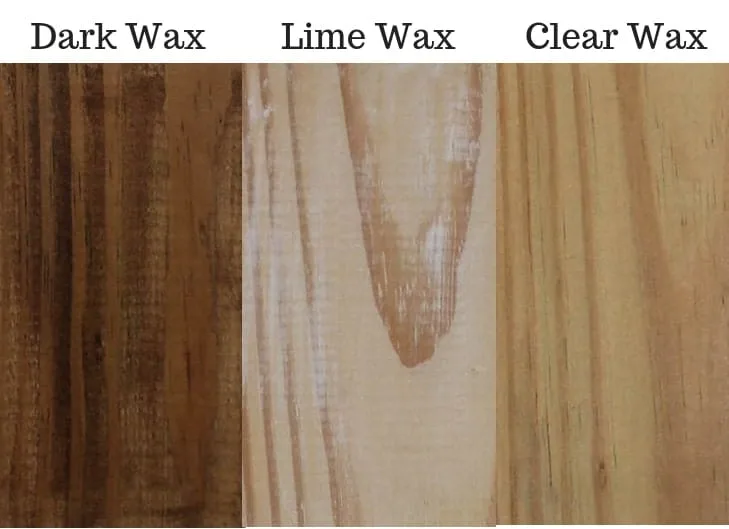
Wax allows for color changes easily. You can mix colors for a custom look. Polyurethane is more fixed. Hard to change once applied. Wax lets you experiment more. Polyurethane offers less flexibility in style.
Environmental Impact
Wax comes from natural sources. Beeswax is one example. It is biodegradable and does not harm the planet. Wax is often used on wood furniture. It makes the wood shine and protects it. Natural wax breaks down easily. It is safe for the environment. Using wax helps keep furniture eco-friendly.
Polyurethane is a type of plastic. It is not biodegradable. It can harm the environment. Polyurethane is made from chemicals. These chemicals come from oil. It takes a long time to break down. Polyurethane is durable but not eco-friendly. It protects furniture well. But it is not sustainable.
Credit: pristinepaintersnyc.com
Cost Analysis
Cost analysis of wax versus polyurethane furniture reveals distinct price differences. Wax offers a budget-friendly option with simple application. Polyurethane, though costlier, provides durable protection, ideal for high-traffic areas.
Initial Investment
Wax is usually cheaper than polyurethane. You spend less at the start. Wax needs more layers, so you might buy more. Polyurethane is more expensive. But it covers more space with less. Both need time and effort to apply. Wax takes longer to dry. Polyurethane dries faster. Choose based on your budget and time.
Long-term Value
Wax needs regular upkeep. It can wear off easily. You need to reapply often. Polyurethane lasts longer. It can handle spills and scratches better. Less maintenance is needed. In the long run, polyurethane might save money. Wax gives a nice, warm look. Polyurethane gives a strong, shiny finish. Think about your needs and lifestyle.
Frequently Asked Questions
What Are The Disadvantages Of Wax Finish On Wood Furniture?
Wax finish lacks durability, requiring frequent reapplication. It offers minimal protection against moisture and stains. The finish can attract dust and dirt, making maintenance challenging. Wax may also alter the wood’s natural color over time. It’s not suitable for surfaces exposed to heavy use or heat.
Is Wax Better Than Wipe On Poly?
Wax provides a natural finish but offers less protection. Wipe-on poly is more durable, protecting surfaces from scratches and moisture. Choose wax for a softer look on decorative pieces. Opt for wipe-on poly for furniture needing more durability. Consider the desired finish and use of the item.
Is Polyurethane Better Than Hard Wax Oil?
Polyurethane provides a durable, water-resistant finish suitable for high-traffic areas. Hard wax oil offers a natural look, enhancing wood’s texture and color. Choose polyurethane for durability and moisture resistance. Opt for hard wax oil for a natural appearance and easy maintenance.
Preferences and usage determine which is better for your needs.
Why Would You Use Wax Instead Of Varnish?
Wax creates a softer, more natural finish than varnish. It enhances wood grain and offers easy touch-ups. Wax provides a breathable layer, ideal for antique furniture. Varnish is more durable but less forgiving. Wax is preferred for a matte, vintage look, while varnish suits high-gloss finishes.
Conclusion
Choosing between wax and polyurethane depends on your needs. Wax offers a natural look. It feels soft and warm. Polyurethane provides a hard, durable finish. It resists scratches and water better. Wax requires more frequent maintenance. Polyurethane lasts longer with less upkeep.
Consider your furniture’s usage. High-traffic areas benefit from polyurethane. For a vintage feel, wax might be ideal. Both have their pros and cons. Think about your lifestyle and preferences. This will guide your decision. With careful thought, your furniture will shine.
Sponsored / affiliate links. As an Amazon Associate I earn from qualifying purchases. I may earn additional commission from eligible campaigns.