Can You See Termites? Discover How to Detect These Pests
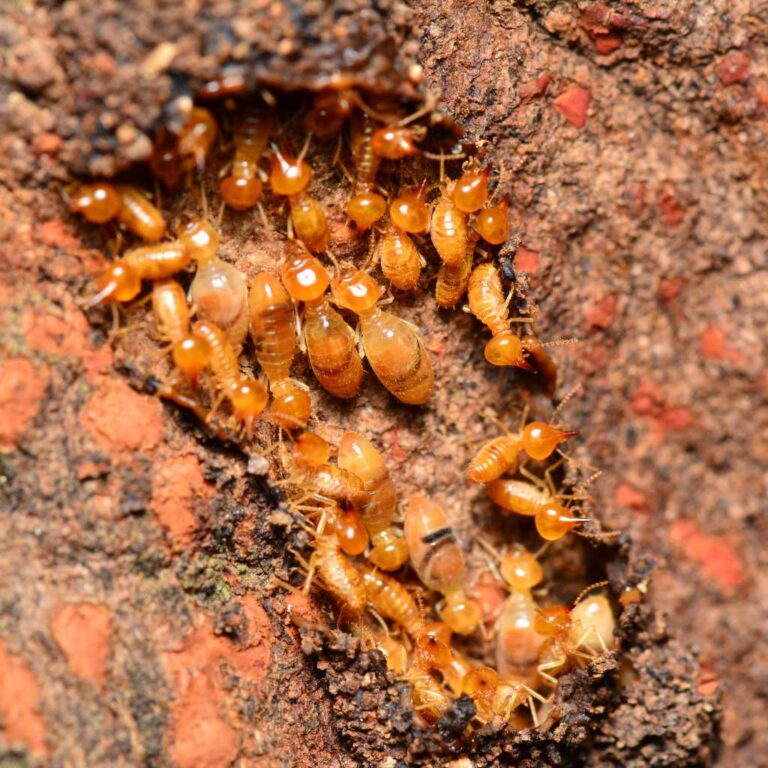
Can you see termites? Yes, but it’s not always easy.
Termites are tiny and often stay hidden, making them hard to spot. Termites can cause serious damage to your home. These small pests chew through wood and other materials. It’s important to know what to look for to protect your property.
This blog post will help you understand how to identify termites and signs of an infestation. Knowing what to watch for can save you time and money. Let’s dive into the key things you need to know about spotting these sneaky insects.
Introduction To Termite Detection
Hey friends, today we’re diving into an important topic: termite detection. Termites can be tiny and sneaky, causing huge damage to your home without you even noticing. The big question is, can you see termites? Let’s break it down.
Importance Of Early Detection
Detecting termites early is crucial. Why? Because these little pests can silently chew through wood, paper, and even some plastics. If you catch them early, you can save a lot of money and stress.
Think of it like finding a small leak in your boat. Fix it early, and you stay dry. Ignore it, and you might find yourself sinking.
- Termites can cause thousands of dollars in damage.
- Early detection means easier and cheaper treatment.
- It helps you maintain the value of your property.
So, spotting them early is a big deal. But how do you do it?
Common Misconceptions
There are a few myths about termites that can make detection tricky. Let’s clear some of those up.
- Termites are always visible: Many people think they can see termites easily. Not true. They often hide inside walls and floors.
- Termites only live in wood: While they love wood, they can also be found in soil, books, and even insulation.
- If I don’t see damage, there are no termites: Termites can be present without causing visible damage right away. They work from the inside out.
So, if you think you don’t have termites just because you can’t see them, think again. It’s better to be safe than sorry.
In my own experience, I once thought my home was termite-free because I couldn’t see any damage. Turns out, they were hiding in the basement, quietly munching away. Lesson learned!
Stay tuned for more tips on how to spot these sneaky pests before they wreak havoc on your home. Until next time, stay vigilant and keep your eyes open!

Credit: www.fwpest.com
Signs Of Termite Infestation
Termite infestations can cause significant damage to your home. Early detection is crucial. Knowing the signs can help you act swiftly. Termites often go unnoticed until the damage is severe. Below are key signs of termite infestation.
Visible Damage
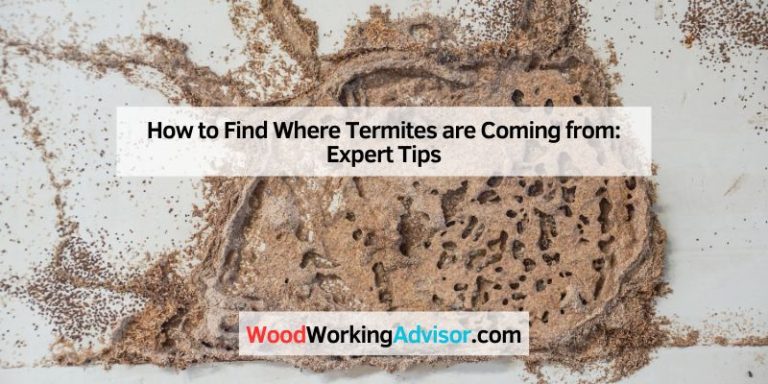
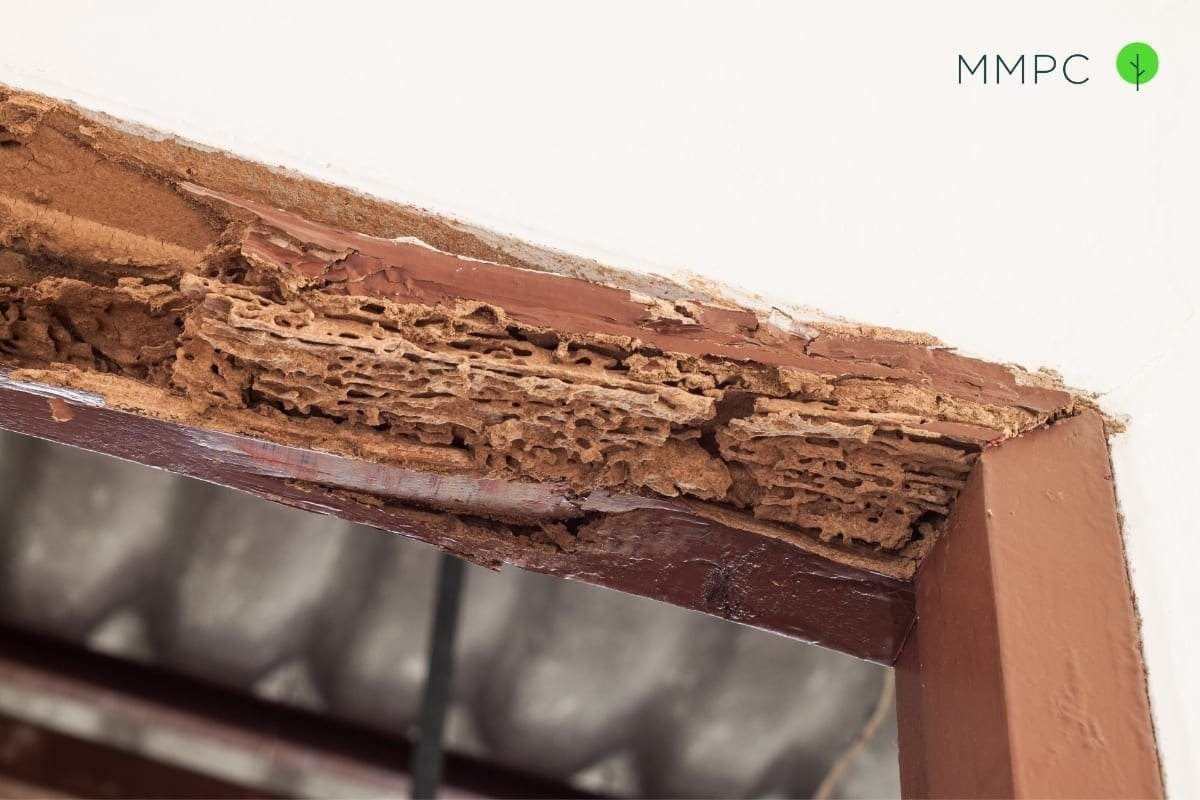
Termites eat wood from the inside out. You might see wood that sounds hollow. Paint may bubble or peel. Floors might sag or buckle. Doors and windows could stick. These are clear signs of termite damage.
Mud Tubes
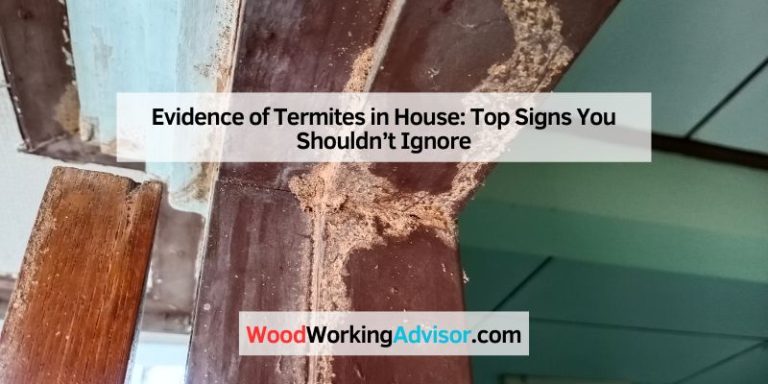
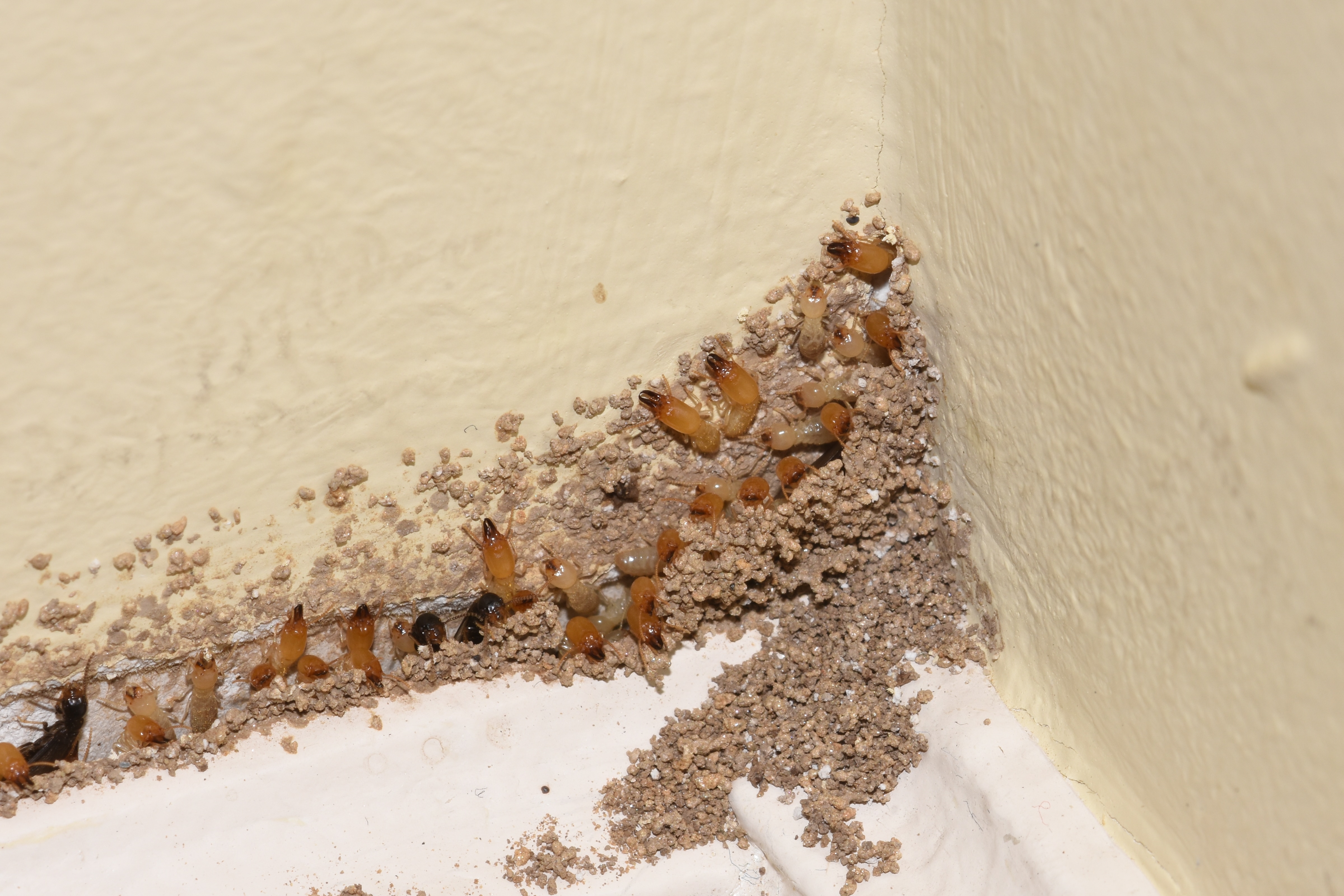
Termites build mud tubes for protection. These tubes are pencil-sized. You might find them on walls, beams, or foundations. The tubes are a mix of soil and wood. They help termites travel safely. Check your home’s exterior and basement for these tubes.
Types Of Termites
Hey friends, today we’re diving into the different types of termites. If you’ve ever wondered, “Can you see termites?” the answer is yes, but it depends on the type. Let’s explore the main types of termites you might encounter in your home.
Subterranean Termites
Subterranean termites are the most common type. They live in the soil and build huge colonies. You might not see them at first because they come from underground. Here’s what you need to know:
- Habitat: These termites live in moist environments and need soil to survive.
- Damage: They can cause serious damage to wooden structures.
- Signs: Look for mud tubes on walls or foundations. These are the tunnels they use to move around.
Drywood Termites
Drywood termites are different. They don’t need soil to live. They can make a home in dry wood and can be harder to spot. Here’s a quick breakdown:
- Habitat: They live in dry wood and don’t need contact with soil.
- Damage: They can infest furniture, floors, and wooden walls.
- Signs: Small piles of wood-colored droppings near affected areas are a common sign.
So, next time you suspect termites, check for these signs. Knowing the type can help you deal with them more effectively. Stay vigilant, and keep your home safe from these tiny invader
Credit: thepestrangers.com
Inspecting Your Home
Termites can cause significant damage to your home. Regular inspections help detect these pests early. This guide provides tips for indoor and outdoor inspections.
Indoor Inspection Tips
Check for hollow-sounding wood. Tap on wooden surfaces to see if they sound hollow. Hollow sounds may indicate termite damage.
Look for mud tubes. Termites build these tubes for travel. They are often found on walls and foundations.
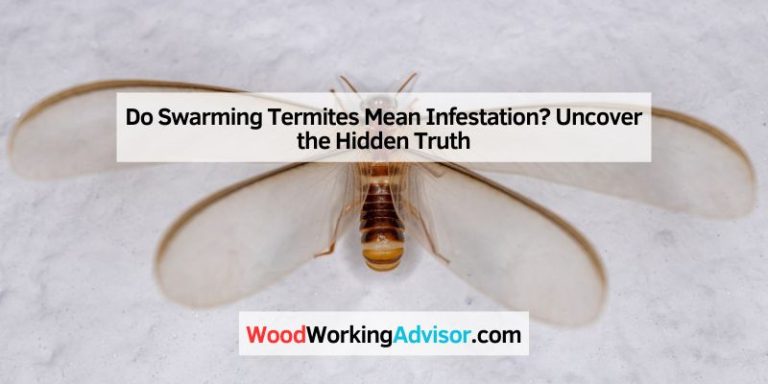
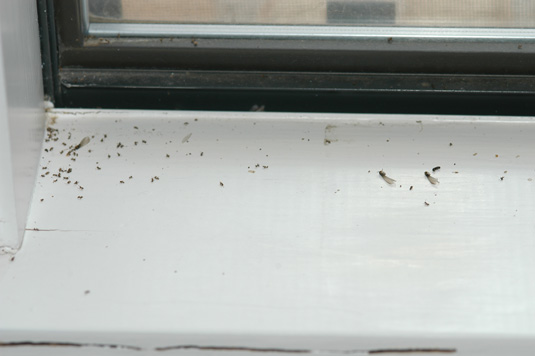
Inspect for discarded wings. Termites shed wings when they swarm. Look around windowsills and floors.
Note any wood damage. Termites leave wood looking blistered or damaged. Check baseboards, floors, and wooden furniture.
Examine the paint. Bubbling or uneven paint can signal termites. They can cause moisture buildup under paint.
Outdoor Inspection Tips
Inspect wood piles. Termites often infest wood piles near homes. Keep wood piles away from your house.
Check for mud tubes. These tubes can also appear on exterior walls and foundations. Look around the home’s perimeter.
Examine your garden. Termites can live in mulch and soil. Check garden beds and landscaping for signs.
Inspect fences and decks. Outdoor wooden structures can attract termites. Ensure they are not in contact with soil.
Look at trees and stumps. Termites can infest dead or decaying trees. Inspect them for signs of activity.
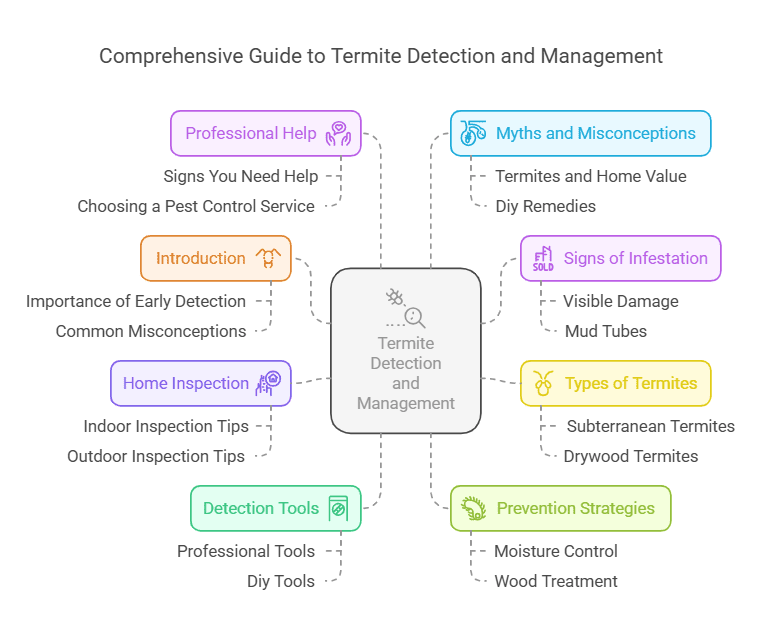
Tools For Detecting Termites
Detecting termites early can save homeowners a lot of trouble. Several tools can help in identifying termite infestations. Both professionals and DIY enthusiasts use various tools. Let’s explore these tools and how they work.
Professional Tools
Professionals have access to advanced tools for detecting termites. Thermal imaging cameras are one such tool. They detect heat patterns, revealing termite activity behind walls.
Another tool is a moisture meter. Termites thrive in moist environments. This meter identifies high moisture areas in wood, indicating potential termite activity.
Acoustic emission devices also assist professionals. These devices detect the sound of termites chewing on wood. They are highly sensitive and can pinpoint termite locations.
DIY Tools
Homeowners can also use DIY tools to detect termites. Flashlights are a simple but effective tool. They help inspect dark areas where termites might hide.
Bait stations are another popular DIY method. They lure termites and help in monitoring their activity around the home.
Termite detection kits are available in stores. These kits include various tools and instructions for identifying termites. They can be helpful for those who prefer a hands-on approach.
Preventing Termite Infestations
Termites can cause serious damage to your home. Preventing termite infestations is essential. You can save money and avoid stress with a few simple steps. Controlling moisture and treating wood are key strategies.
Moisture Control
Termites thrive in moist environments. Keep your home dry to deter them. Fix any leaks in pipes and roofs. Ensure proper drainage around your home. Use dehumidifiers in damp areas.
Ventilate your attic and basement well. Store firewood away from your house. Moisture control is crucial in preventing termite infestations.
Wood Treatment
Treating wood can protect it from termites. Use termite-resistant wood for construction. Apply chemical treatments to existing wood structures. Borate treatments are effective and safe for humans.
Regularly inspect wooden parts of your home. Look for signs of termite damage. Early detection can prevent severe problems. Wood treatment is a proactive way to safeguard your property.
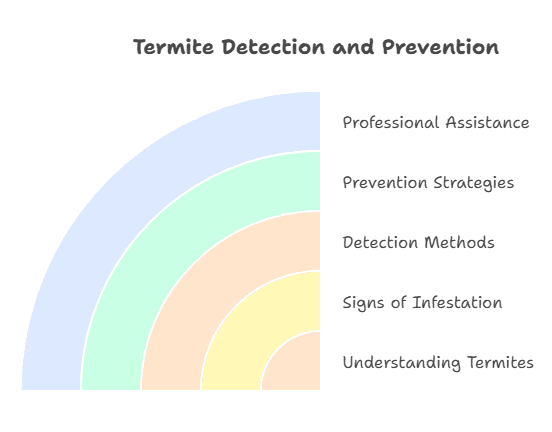
When To Call A Professional
Hey friends, today we’re going to talk about something really important: knowing when to call a professional for termite issues. You might be thinking, “Can I handle this myself?” Sometimes, yes. But often, these little critters need expert attention. Let’s dive into when you should pick up that phone.
Signs You Need Help
So, how do you know when it’s time to call in the pros? Here are some signs to look out for:
- Visible damage: If you see wood that’s hollowed out or damaged, it’s a big red flag.
- Swarmers: These are winged termites. If you see them inside your home, it’s time to act.
- Mud tubes: Termites build these to travel. Spotting them on your walls or foundation? Not good.
- Droppings: Tiny, pellet-like droppings can indicate a drywood termite infestation.
If you notice any of these signs, it’s best to call a professional right away.
Choosing A Pest Control Service
Now, let’s talk about choosing the right pest control service. This can be tricky, but here are some tips to help you out:
- Check reviews: Look for services with good reviews and happy customers. It’s like choosing a restaurant; you want to go where people had a good experience.
- Get quotes: Ask for estimates from a few different companies. Compare prices and services. Don’t just go with the cheapest option; consider the value.
- Ask questions: Don’t be afraid to ask about their methods and treatments. You want to make sure they use safe and effective techniques.
- Check credentials: Ensure the company is licensed and insured. This protects you and your home.
I recently had to call a pest control service for my own home. I took the time to follow these steps and it made a huge difference. The peace of mind knowing professionals were handling the problem was worth every penny.
Remember, when it comes to termites, acting fast can save you a lot of trouble down the road. Don’t hesitate to call a professional if you see any signs of these pesky invaders.
Myths About Termites
Termites are often misunderstood creatures. Many myths exist about these pests. Understanding the truth can help protect your home. Let’s debunk some common myths about termites.
Termites And Home Value
People believe termites always destroy home value. This is not entirely true. Termite damage can affect property value. But early detection and treatment can prevent extensive damage. Regular inspections keep your home safe. Buyers appreciate well-maintained properties. Therefore, taking care of termite issues promptly is important. It can actually increase your home’s value.
DIY Remedies
Many think DIY remedies work against termites. This is often a myth. Home remedies rarely eliminate termite infestations. Professional treatment is usually necessary. Experts use specialized tools and knowledge. They ensure complete eradication of termites. DIY methods might give temporary relief. But they rarely solve the problem. Trusting professionals is the best approach. It ensures your home stays termite-free.
Credit: extension.msstate.edu
Frequently Asked Questions
Can You Physically See Termites?
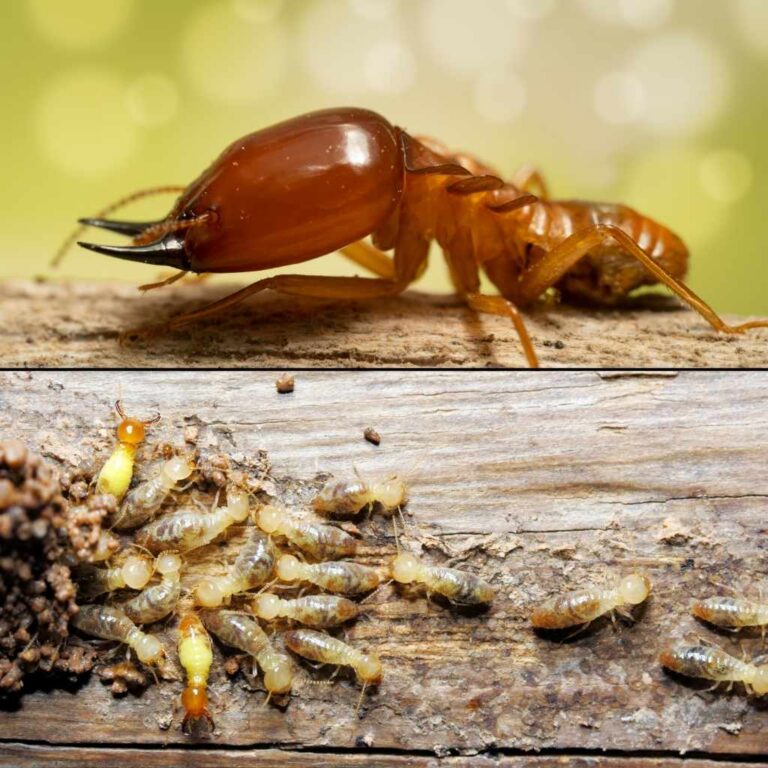
Yes, termites can be seen. They are small, white or light brown insects. Look for them in wood or near soil.
How Do You Tell If There Are Termites?
Look for mud tubes, discarded wings, wood damage, and droppings. Listen for clicking sounds inside walls. Check for hollow-sounding wood.
Can The Human Eye See Termites?
Yes, the human eye can see termites. They are tiny, often measuring around 1/4 to 1/2 inch long.
Can You See Termites Crawling Around?
Yes, you can see termites crawling around, especially near wood structures. They are small, white or light brown insects.
Conclusion
Termites can be hard to spot. Knowing their signs helps protect your home. Look for mud tubes and discarded wings. Regular inspections are key. Act quickly if you see any signs. Call a professional to handle infestations. Keep your home safe from these tiny pests.
Prevention is better than cure. Stay alert and informed. Your home will thank you.