Can You See Termites in Wood: Uncover Hidden Threats
Imagine this: You’re sitting in your cozy living room, sipping a warm cup of coffee, when suddenly you notice something odd about your wooden furniture. A strange pattern of holes or a few tiny wings scattered around.
Could it be termites? The thought itself is enough to send a shiver down your spine. Termites are often called the silent destroyers, and for a good reason. They can quietly gnaw away at your precious woodwork, causing damage that might go unnoticed until it’s too late.
But can you actually see termites in wood, or are they stealthy enough to remain hidden? Understanding the signs can save you from a costly repair bill and potential structural damage. We’ll unravel the mystery of these elusive invaders and help you discover whether your home has been infiltrated. Stay with us, and learn how to protect your wooden treasures and maintain the comfort of your home.
Signs Of Termite Infestation
Termites leave tiny holes in wood. You may see bubbling paint or damaged wood. Wood might sound hollow if you tap it. Wood color might change as well. Broken or cracked wood can be a sign. Look for uneven surfaces on wooden items.
Sometimes wood makes clicking sounds. This can mean termites are inside. A musty smell might be present in the area. The smell can be strong or weak. Listen for sounds when you are near wood.
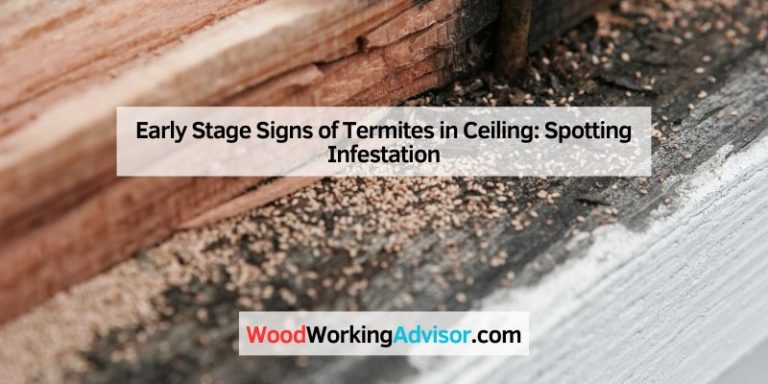
Termites leave behind tiny droppings. These look like small pellets. You might find them near wooden structures. Mud tubes can be seen on walls or wood. They are made by termites for travel. Check corners or hidden spots for these tubes.
Types Of Termites
Subterranean termites live underground. They build tunnels to reach wood. These termites need moist soil to survive. Mud tubes help them stay safe. They eat wood from the inside out. Their colonies can be very large. They cause a lot of damage.
Drywood termites live inside the wood. They do not need soil. They make small holes in the wood. You may see tiny piles of wood dust. Their colonies are smaller than subterranean termites. They often attack furniture or beams. Drywood termites are hard to detect.
Dampwood termites like wet wood. They live in decayed wood. These termites are bigger than others. Moisture is crucial for them. They do not need contact with soil. Dampwood termites are less common in homes. They prefer forests or wet places.
How Termites Damage Wood
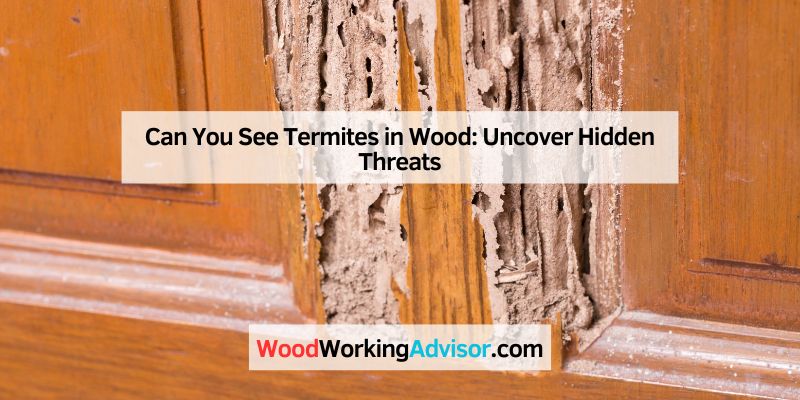
Termites eat wood from the inside. They make tunnels within the wood. This weakens the wood. Hollow sounds occur when you tap the wood. The outer layer remains untouched. Inside, the wood is badly damaged. It’s hard to see the damage without breaking the wood.
Termites harm the wood’s strength. Buildings become unsafe. Walls may crack. Floors can sag. Termites might damage beams. This makes structures unreliable. Safety risks increase. Repairs might be costly. Wood loses its ability to support weight.
Termite damage affects wood’s beauty. Paint might bubble. Wood may look rough. Termites leave signs like mud tubes. The surface appears less smooth. This makes the wood less attractive. People might notice dust or small holes.

Credit: reliantpest.com
Tools And Techniques For Detection
Experts use special tools to find termites. Moisture meters help detect damp areas. Termites love damp wood. Acoustic devices listen for termite sounds. Tiny microphones catch these sounds. Thermal cameras spot heat from termite nests. They show heat patterns. This helps find termites quickly.
Check for mud tubes on walls. Termites use these tubes to travel. Look for hollow wood. Tap wood to hear if it sounds empty. Search for sawdust or droppings. These are signs of termite activity. Use a flashlight to see in dark places. Inspect areas near water sources. Termites love moisture.
Termite detection radar can sense movement in walls. It works like a radio. Electronic nose detects termite odors. This tool smells the air for signs. Infrared technology shows heat patterns. It helps find hidden nests. These technologies make finding termites easier.
Preventing Termite Infestation
Regular maintenance practices help in keeping termites away. Check your home often. Look for signs of termites. Fix water leaks quickly. Termites love damp wood. Keep wood piles away from your house. Trim plants near walls. Clean gutters regularly.
Using termite-resistant materials can make a big difference. Choose woods like cedar or redwood. These woods are less attractive to termites. Steel and concrete are also good choices. They are strong and termites can’t eat them.
Chemical treatments and barriers are another way to protect your home. Apply special chemicals around your house. These chemicals stop termites from entering. Put barriers under your home. Barriers create a shield against termites. Hire experts for chemical treatments. Professionals ensure safe and effective applications.

Credit: www.unbugmepestcontrol.com
Dealing With A Termite Problem
Termites can be hard to see. They hide inside wood. Eradicating termites involves removing them completely. Baits and traps are common. They attract termites and kill them. Chemical treatments are also used. They poison termites quickly. Heat treatments can be effective too. They kill termites with high temperatures.
Experts know how to fight termites best. Pest control professionals use advanced tools. They inspect homes for termite signs. They offer targeted treatments to remove termites. Regular inspections help prevent future problems. Professional services provide peace of mind. They ensure your home is safe from termites.
After treating termites, monitoring is crucial. Keep an eye on treated areas. Look for new termite activity. Regular checks prevent infestations. Professional monitoring can be helpful. They notice signs you might miss. Early detection helps stop termite return. Stay vigilant for long-term protection.

Credit: www.woodcraft.ca
Frequently Asked Questions
How To Tell If There Are Termites In Wood?
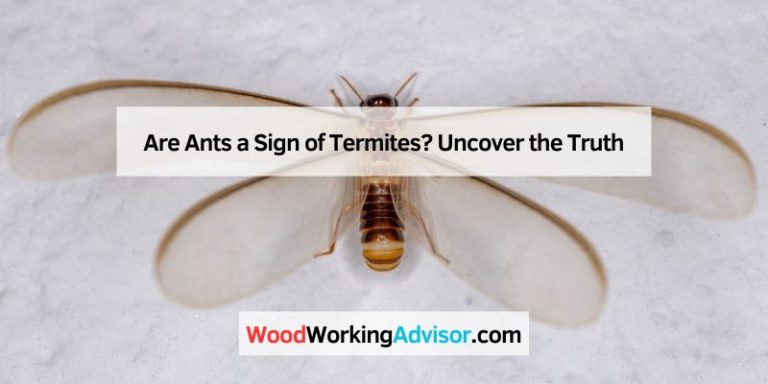
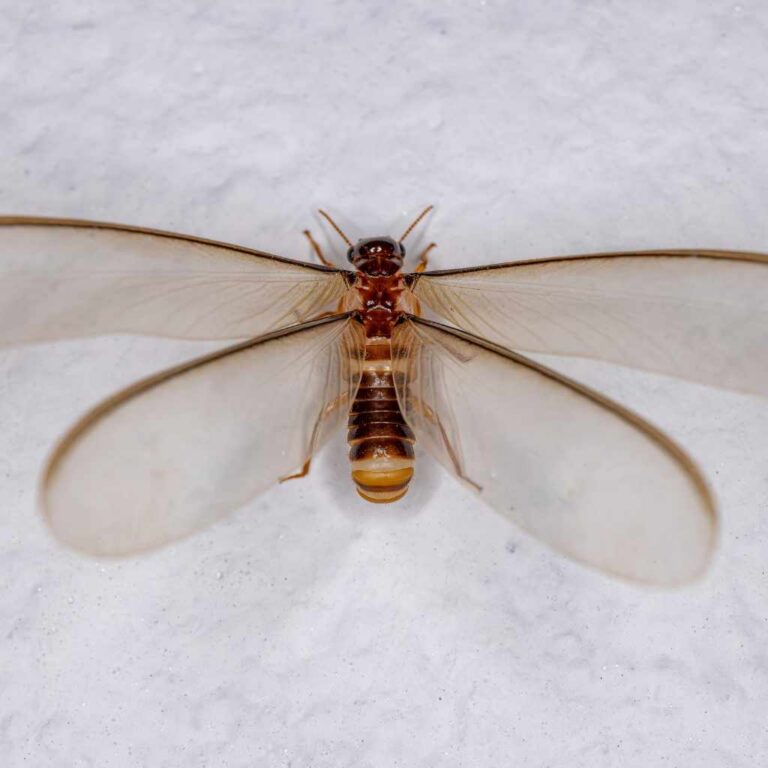
Check for hollow-sounding wood, visible tunnels, or discarded wings. Look for mud tubes or termite droppings. Notice any bubbling or peeling paint. Watch for swarming termites around lights. Spot damaged wood with a honeycomb interior. Call a professional for a thorough inspection if you suspect termites.
Can You Visually See Termites?
Yes, termites can be seen with the naked eye. They are small, pale insects resembling ants. Look for mud tubes, damaged wood, or discarded wings as signs of their presence. Regular inspections help identify termite infestations early. Professional pest control ensures effective detection and treatment.
Is It Safe To Live In A House With Termites?
Living in a house with termites is unsafe. They damage wood, compromising structural integrity. Address infestations promptly to prevent hazards. Regular inspections and professional treatments are essential for safety.
Are Termites Always Visible?
Termites are not always visible. They often hide in walls, floors, or underground. Signs like mud tubes and damaged wood can indicate their presence. Regular inspections help detect hidden infestations.
Conclusion
Detecting termites in wood is crucial for home safety. Early signs help. Mud tubes and hollow sounds can indicate trouble. Regular inspections keep your home secure. Trust professionals for accurate identification. Acting fast prevents damage. Termites can cause costly repairs.
Maintain a vigilant routine. Protect your investment with timely checks. Simple steps ensure peace of mind. Stay informed and proactive. Your home deserves the best care. Don’t ignore small signs. They might mean bigger problems. Always prioritize safety and maintenance.
Keep your living space termite-free. Remember, vigilance pays off in the long run.