Do Flying Termites Eat Wood? Alates vs. Workers Explained
Flying termites — the winged alates you see swarming — don’t feed on wood themselves; only the worker caste that hatches afterward does. A colony of 60,000 workers can chew through a foot of a 2×4 stud in about five months, and serious structural damage to a home typically takes three to eight years. This guide covers what alates actually do, how to tell them apart from flying ants, and what to do in the first 24 hours after a swarm.
Insert your Affiliate Disclosure reusable block here
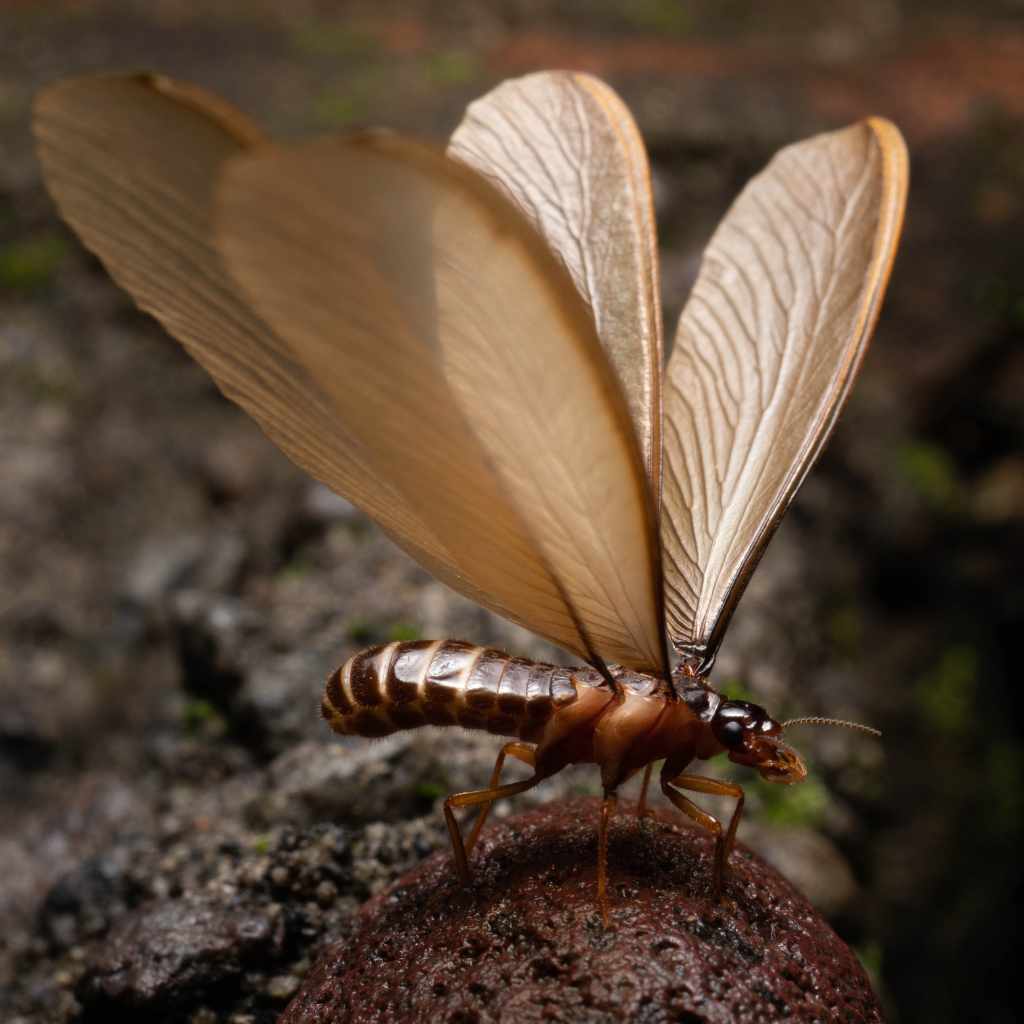
Alates, Workers, and Nymphs: Who Actually Eats the Wood?
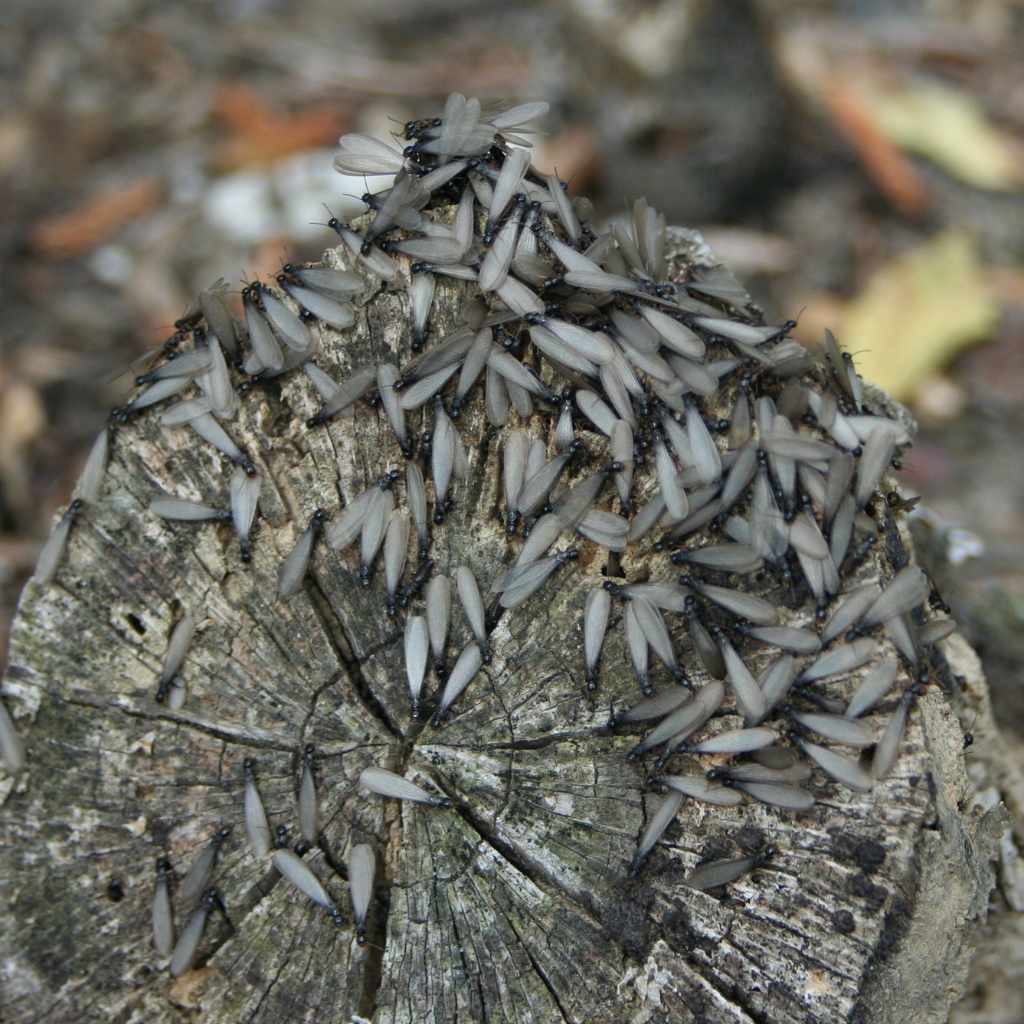
A termite colony has three working castes, and only one of them damages wood. Alates (also called swarmers) are the winged reproductive caste — their entire job is to leave the nest, mate, shed their wings, and found a new colony. They do not have a developed gut fauna for digesting cellulose at that stage, and they typically die within hours to a couple of days if they fail to pair off and burrow in. Workers are the wingless, blind, sterile caste hatched from the new queen’s eggs — they are the ones that tunnel through studs, subfloors, and furniture, extracting cellulose from wood around the clock. Nymphs are juvenile termites that feed themselves as they develop, gradually molting into workers, soldiers, or future alates.
So when someone asks “do flying termites eat wood,” the honest answer is: not in any way that damages your house. Alates are the messengers, not the demolition crew. Seeing them is what should worry you — because according to University of Maryland Extension’s termite biology guide, a colony typically needs to mature for two to four years before it produces its first swarm, meaning the workers have already been feeding the entire time.
📊 A colony of roughly 60,000 workers can consume one foot of a 2×4 stud in just over five months. — Source: pest-control consumption-rate research, compiled via Pestech / ABC Home & Commercial termite damage timelines, 2026.
Flying Termites vs. Flying Ants: How to Tell Them Apart
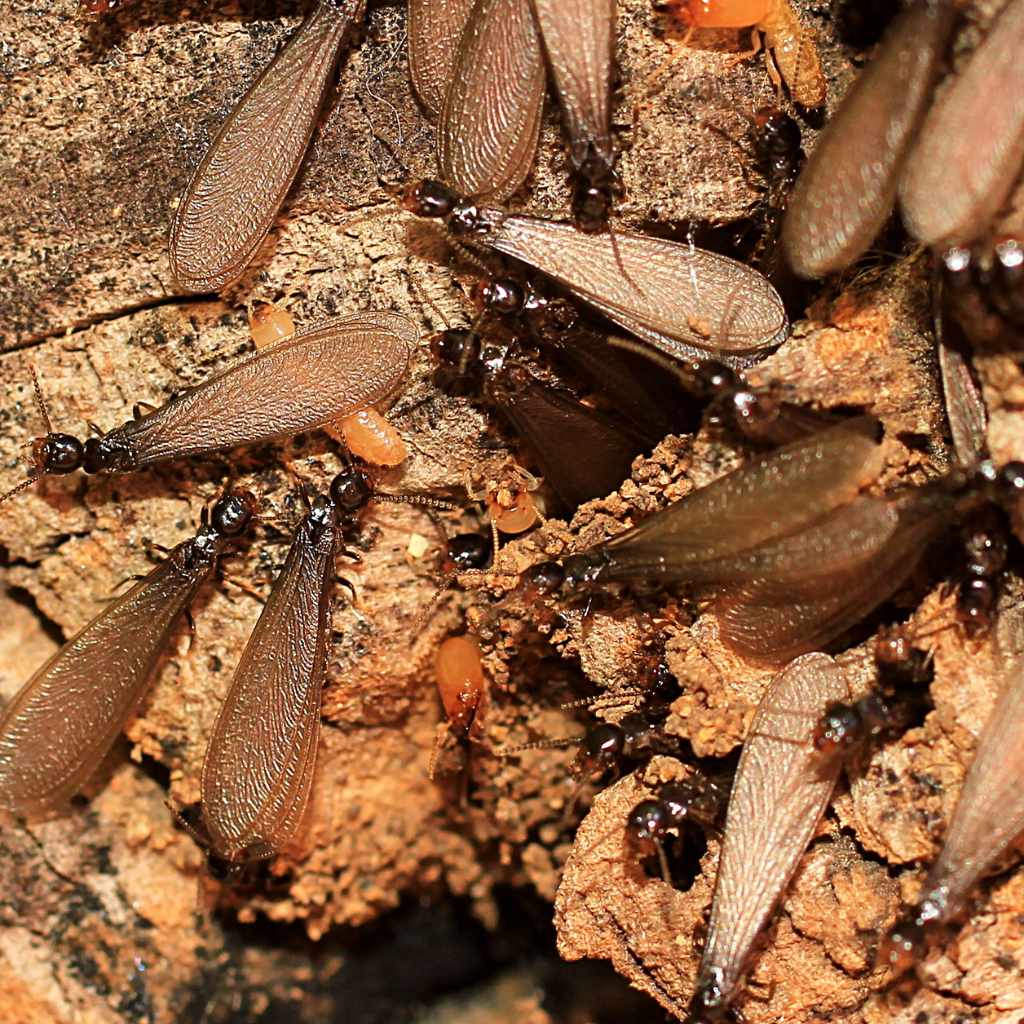
Termite swarms and flying-ant swarms happen around the same time of year and look similar from across the room. Get close to a downed wing or a landed insect and the differences are fast to spot.
| Feature | Flying Termite (Alate) | Flying Ant |
|---|---|---|
| Waist | Straight, thick, no pinch | Narrow, pinched “wasp waist” |
| Antennae | Straight, bead-like (moniliform) | Bent at an elbow joint |
| Wings | Two equal-length pairs, shed after landing | Front pair longer than back pair |
| Wood left behind | Workers eat wood + soil, gritty mud-packed galleries | Carpenter ants carve smooth tunnels, leave sawdust piles |
The fastest field check, per Orkin’s flying-ant-vs-termite identification guide: pull a wing off (they detach easily on both insects) and look at the base. If the wings are the same length, you’re looking at a termite. If the front wings are noticeably longer than the back pair, it’s a flying ant — and carpenter ants don’t eat wood at all, they just excavate it for nesting space, so the damage risk and treatment are completely different. If you’re unsure whether what you’re seeing is fresh damage or old rot, compare termite damage against wood rot here.
Best Termite Treatment Pick
Spectracide Terminate Termite & Carpenter Ant Killer Spray, 1.33 Gal
A ready-to-use perimeter spray for the first 24 hours after you spot a swarm indoors or along the foundation.
- Best for: Immediate spot-treatment after seeing swarmers or shed wings
- Why we picked it: No mixing required, covers foundation lines and entry points fast
- Main drawback: Kills contact insects only — won’t reach a nest hidden inside a wall
Compare more termite treatment options
 Option 1 Spectracide Terminate Detection & Killing Stakes, 15 Count
|
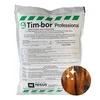 Option 2 Nisus Tim-BOR Professional Insecticidal Dust, 1.5 lbs
|
 Option 3 TERRO Ready to Use Indoor/Outdoor Termite & Carpenter Ant Spray
|
As an Amazon Associate we earn from qualifying purchases. A spray or bait product treats what you can see — a confirmed active colony still needs a licensed inspection.
When Termites Swarm (and Why They’re Drawn to Your Porch Light)
Most swarms happen in spring or early fall, often within a day or two of a warm rain — the moisture softens soil enough for alates to dig their way out. Subterranean species tend to swarm during the day; drywood species more often swarm at dusk. Alates are strongly phototactic, meaning they fly toward light sources, which is why a porch light or a sunlit window can pull in a swarm even from a colony you didn’t know was on the property. A swarm indoors, as opposed to one you see outside near a stump or fence line, is a stronger signal — it usually means the colony is already inside a wall void or under the slab, not just nearby in the yard.
What to Do in the First 24 Hours After a Swarm
- Collect a few insects and shed wings: Bag a sample instead of vacuuming the swarm up — a pest control technician or your own comparison against the table above needs a specimen, not a memory of what it looked like.
- Note exactly where they emerged: A crack in the slab, a windowsill, a baseboard gap — that location usually sits directly above or beside the nest entry point.
- Check for mud tubes and hollow-sounding wood nearby: Tap suspect studs or trim with a screwdriver handle; a hollow, papery sound alongside pencil-width mud tubes on the foundation confirms an active colony rather than a one-off stray swarm.
- Treat visible entry points if the colony is confirmed: A borate dust or spray (see the comparison above) handles exposed wood and entry cracks, but it does not replace a full inspection.
- Book a licensed termite inspection within the week: Swarmers indicate a colony that’s been established for three-plus years already — a professional inspection is the only way to confirm how far the damage already goes and whether it’s subterranean (soil-based, needs a liquid or bait barrier) or drywood (self-contained in the timber, needs localized or whole-structure fumigation).
Signs the Workers Are Already Active
Because alates don’t do the feeding, the swarm itself is only the first clue. For the full walkthrough on how to tell if termites are already in your wood, use these signs of the worker caste actually at work:
- Mud tubes: Pencil-diameter tunnels of soil and saliva running up a foundation wall, pier, or crawl-space support — these are subterranean workers’ travel routes between soil and wood.
- Hollow or blistered wood: Wood eaten from the inside leaves a thin, intact outer shell that sounds papery when tapped and can crumble under light pressure.
- Frass (drywood termite droppings): Small, ridged, sawdust-like pellets pushed out of tiny “kick-out” holes — a sign specific to drywood species, which don’t use mud tubes.
- Buckling paint or warped drywall: Moisture from termite activity behind a wall can bubble paint or wallpaper in a way that looks superficially like water damage.
Workers aren’t picky about which wood product they hit first — solid framing, plywood sheathing, and even kiln-dried lumber are all on the menu since dry wood doesn’t actually stop termites the way many homeowners assume. If activity is already advanced, you can sometimes hear the workers eating inside a wall in a quiet room. Unsure whether a specific wood type is at extra risk? Cedar has natural resistance but isn’t immune — see whether termites actually avoid cedar wood. And if you want the full breakdown of active treatment options once a colony is confirmed, this guide covers what actually kills termites in wood.
Frequently Asked Questions
Do flying termites bite or sting?
No. Alates have no functional stinger and their mandibles aren’t built to bite people — they’re built for wood-boring later, and only the worker caste actually uses them that way. A swarm around a porch light is a nuisance and a warning sign, not a bite risk.
What kills flying termites instantly?
A direct-contact aerosol or ready-to-use spray (see the comparison table above) kills alates in the swarm on contact, but that only clears what you can see. It does nothing to the workers still inside the colony, which is why a confirmed infestation still needs bait stations, a soil-applied liquid termiticide, or a professional treatment plan.
Should I worry if I only see one or two flying termites?
Yes, take it seriously even without a full swarm. Alates typically emerge in groups; a stray one or two indoors, especially with a shed wing nearby, often means the rest of the swarm emerged somewhere you didn’t see it — inside a wall void, under a slab crack, or in a crawl space.
How long does a termite swarm last?
An individual swarm event is short — usually 30 to 45 minutes for the insects to disperse, and most alates that don’t successfully pair off are dead within a day. A colony can send out repeat swarms in following seasons, though, so one clear swarm does not mean the risk is over.
Can flying termites turn into a new colony inside my house?
Yes, if a mated pair finds a suitable damp, dark spot with wood contact — a leaking sill plate, a moisture-damaged subfloor, a bath trap — they can found a new colony indoors rather than in the yard. This is more common with drywood termites, which don’t need soil contact the way subterranean species do.
Final Thoughts
Flying termites aren’t the ones eating your house — but they’re proof that something is. Treat a swarm as a deadline, not a one-time nuisance: identify what you saw against the ant-vs-termite table above, check the foundation and framing for mud tubes or hollow wood, and get a licensed inspection scheduled within the week if anything confirms. For the broader pest-defense picture across your whole property, see the wood care and pest defense guide.