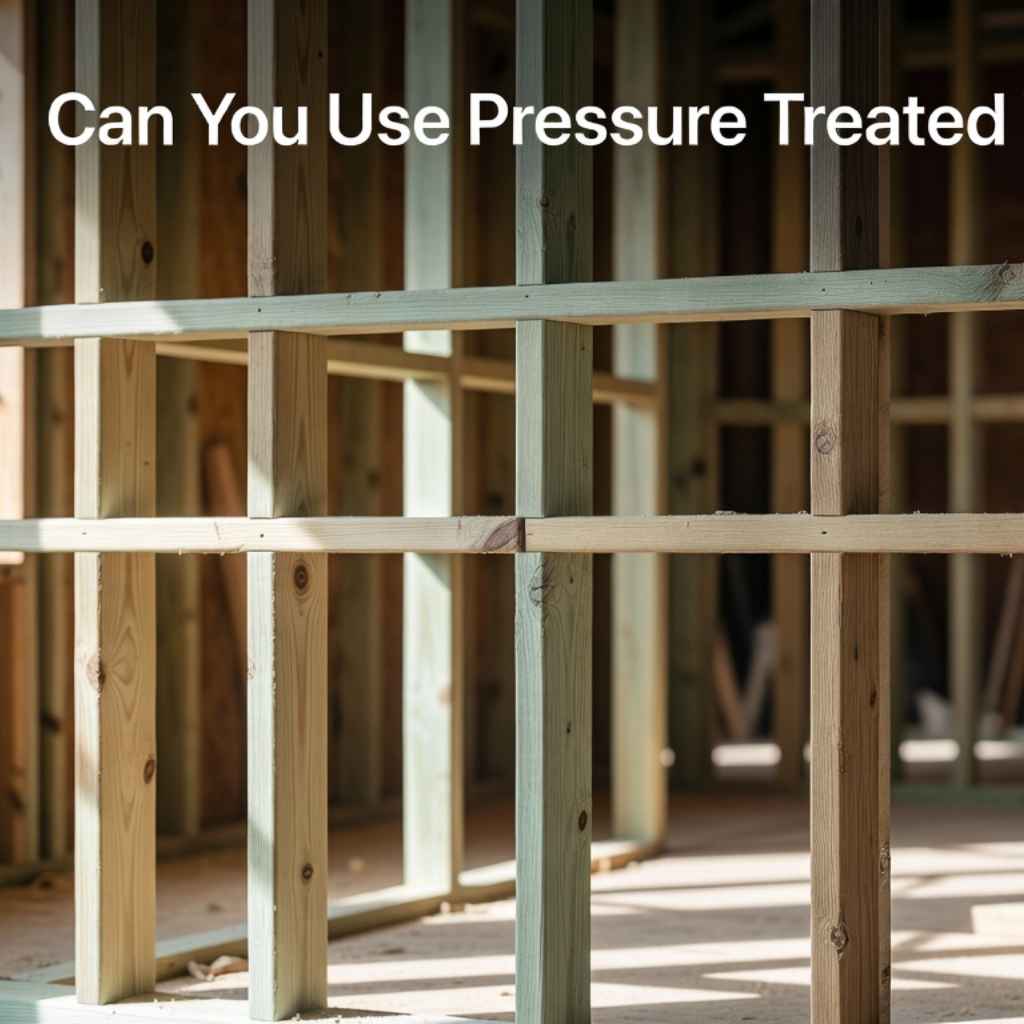
Can You Use Pressure Treated Wood for Framing
Getting started with DIY projects can sometimes feel a bit confusing, especially when it comes to materials. A question that pops up often for folks building or repairing is, Can You Use Pressure Treated Wood for Framing? It sounds technical, but it’s simpler than you think. We’ll walk through exactly what you need to know, step-by-step, so you can build with confidence.
Let’s get your project rolling!
Understanding Pressure Treated Wood For Framing
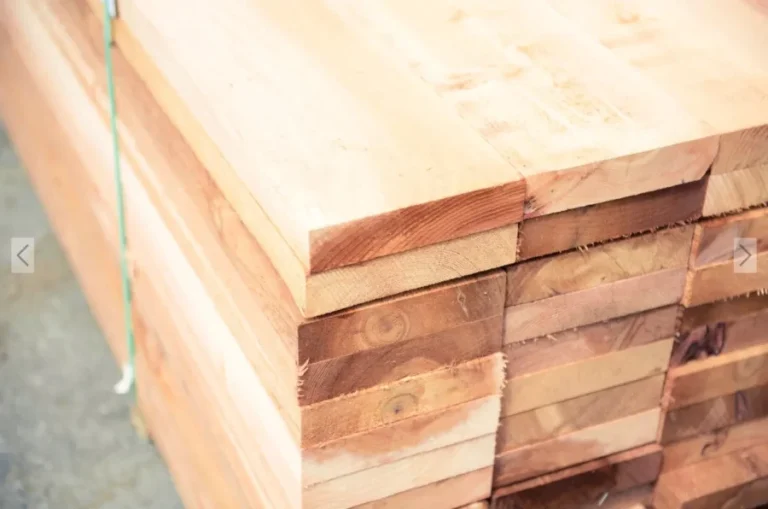
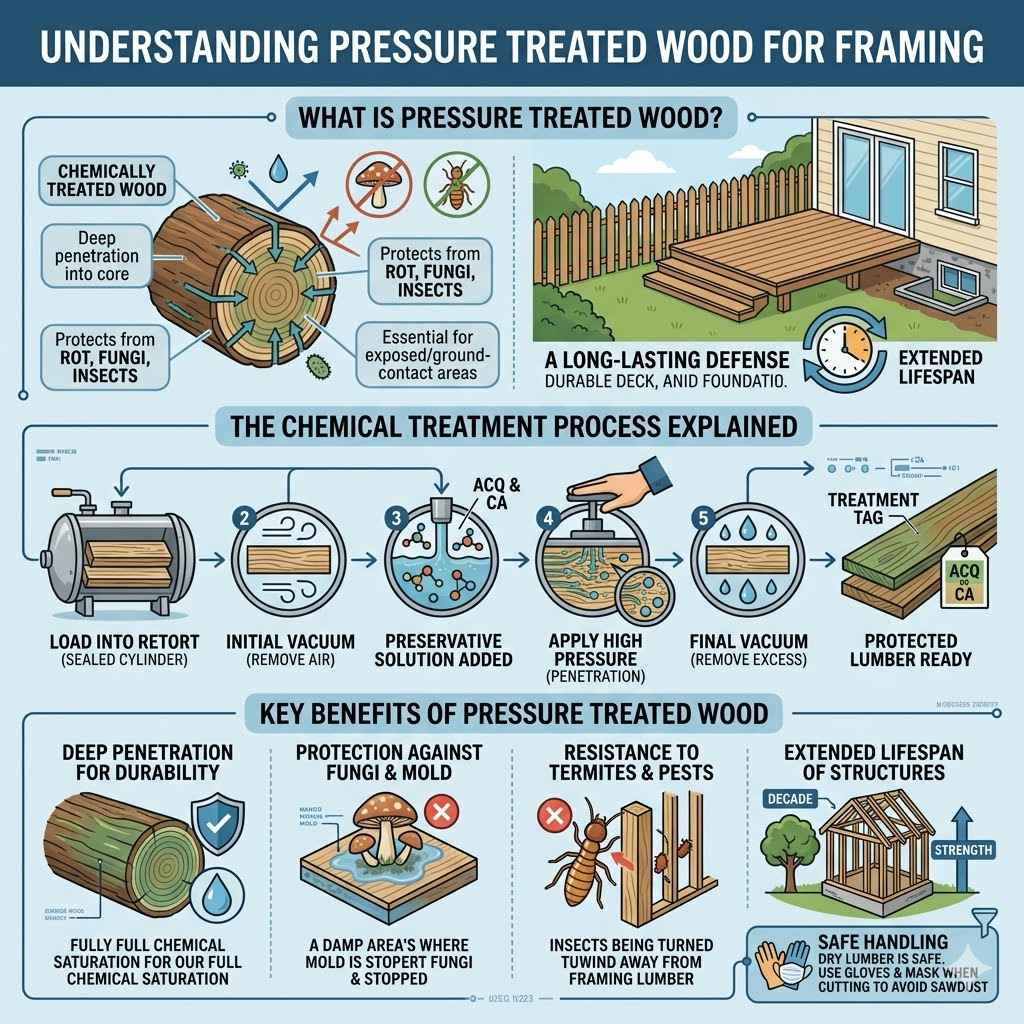
Pressure treated wood is wood that has been forced to absorb chemicals deep into its core. This process helps protect the wood from things that can break it down, like rot, fungi, and insects. For framing, which is the skeleton of a building, this protection is super important, especially for parts of the structure that might get wet or are close to the ground.
It’s a common choice because it lasts much longer than untreated wood in challenging environments.
The chemicals used are what give pressure treated wood its unique properties. These treatments are designed to penetrate the wood’s fibers, providing a long-lasting defense against decay and insect damage. This makes it an excellent choice for outdoor structures, decks, fences, and even parts of a house’s foundation or subfloor that are exposed to moisture.
When you’re considering building something that needs to stand up to the elements, understanding the benefits of pressure treated wood is key.
The process of pressure treating involves placing wood in a sealed container, then filling it with a preservative solution. After that, pressure is applied, forcing the solution into the wood. This makes the wood resistant to common problems like termites, fungal growth, and decay.
It’s this deep penetration that ensures the wood stays strong and safe for a long time, even when in direct contact with soil or water.
The Chemical Treatment Process Explained
The treatment process for wood is quite scientific. It usually happens in a large, sealed cylinder called a retort. The wood is placed inside, and then a vacuum is applied to remove air from the wood cells.
This prepares the wood to accept the preservative solution more easily. After the vacuum, the retort is filled with the preservative, and pressure is increased. This pressure forces the chemicals deep into the wood fibers.
Once the desired amount of chemical has been absorbed, the excess solution is removed, and another vacuum may be applied. This final vacuum helps to remove any surface moisture and any excess preservative from the wood’s surface. The result is wood that is protected throughout its structure, not just on the outside.
Different chemicals are used depending on the intended use of the wood and the environmental conditions it will face.
Common preservatives include alkaline copper quaternary (ACQ) and copper azole (CA). These are often seen in green or brown tinged lumber. For wood that will be in direct contact with the ground or used in very wet environments, more robust treatments are applied to ensure maximum protection.
The specific treatment level is often indicated by a tag on the wood, helping builders choose the right product for their project.
A key point to remember is that these chemicals are designed to be safe for their intended use once the wood has dried. However, proper handling is still advised. Wearing gloves and a mask when cutting or sanding pressure treated wood is a good practice to avoid inhaling sawdust that may contain residual treatment chemicals.
- Deep Penetration for Durability: The pressure treating process ensures that the protective chemicals reach the very core of the wood. This deep saturation is what makes pressure treated lumber resistant to rot, decay, and insect infestation for many years. Unlike surface treatments, this protection is not easily worn away or washed off, providing long-lasting structural integrity for your projects.
- Protection Against Fungi and Mold: Moisture is a primary enemy of untreated wood, creating a breeding ground for fungi and mold. The preservatives in pressure treated wood actively inhibit the growth of these organisms. This is especially critical for framing that might be exposed to damp conditions during construction or in areas prone to humidity, helping to prevent structural damage and unhealthy mold growth.
- Resistance to Termites and Other Pests: Wood-boring insects, most notably termites, can cause devastating damage to wooden structures. The chemicals infused into pressure treated wood are toxic to these pests, effectively deterring them from attacking the lumber. This makes it an excellent choice for foundations, decks, and any framing elements that are close to the ground where pests are more likely to be present.
- Extended Lifespan of Structures: By preventing decay and insect damage, pressure treated wood significantly extends the functional lifespan of any structure it’s used in. This means less need for repairs and replacements over time, saving both money and effort. It’s a smart investment for building projects that you want to last for decades.
Can You Use Pressure Treated Wood for Framing Yes Or No
So, to answer the common question directly, yes, you absolutely can use pressure treated wood for framing, and in many cases, you should. It’s not just allowed; it’s often the preferred choice for specific applications where durability and resistance to the elements are critical. This type of lumber is engineered to withstand conditions that would quickly degrade untreated wood, making it a staple in construction for foundations, decks, fences, and other outdoor structures.
Using it in these areas provides peace of mind and a longer-lasting build.
However, it’s important to understand where and how to use it effectively. While pressure treated wood is fantastic for framing that might encounter moisture, you wouldn’t necessarily use it for every single piece of framing in a house. For interior framing in dry, climate-controlled areas, regular lumber might be more cost-effective and easier to work with.
The decision often comes down to balancing the need for protection against the cost and the specific demands of the building location.
The key is matching the wood treatment to the intended use. Different treatment levels are available, designed for various levels of exposure. For example, lumber rated for “ground contact” is treated more heavily than lumber intended for above-ground applications.
Using the correct rating ensures you get the necessary protection without overspending or using more chemicals than needed.
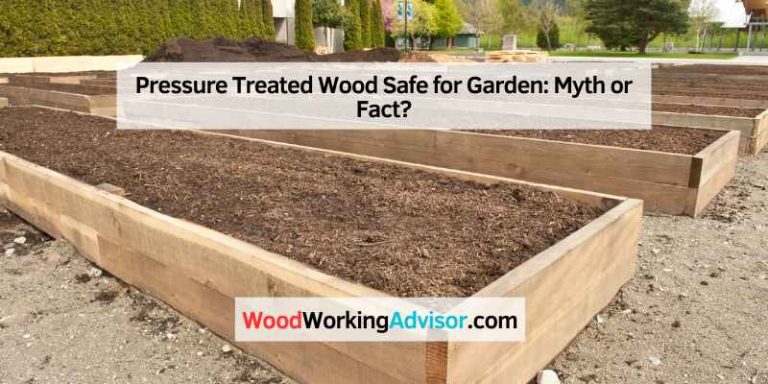
The question isn’t usually if you can use it, but rather when it’s the best material for the job. Framing that is exposed to weather, soil, or high moisture levels will benefit most. This includes the sill plates that sit on your foundation, deck joists, fence posts, and any framing in contact with concrete.
These parts are the most vulnerable to decay and pests, making pressure treated wood an invaluable material.
- Essential for Foundation Framing: The sill plate is the first piece of lumber attached to your foundation. Since it’s in direct contact with the concrete or masonry, it’s highly susceptible to moisture wicking up from the ground. Pressure treated wood is the standard and recommended material for sill plates to prevent rot and decay, ensuring the structural integrity of the entire building from the ground up.
- Ideal for Deck and Porch Framing: Decks and porches are exposed to rain, sun, and humidity. The joists, beams, and ledger boards that form the structural framework of these outdoor living spaces need robust protection. Pressure treated lumber is the go-to choice for deck framing because it resists rot, warping, and insect damage, ensuring your deck remains safe and beautiful for years.
- Suitable for Fence Posts and Rails: When building a fence, the posts are typically buried in the ground, making them prime targets for rot and termites. Pressure treated wood, especially lumber rated for ground contact, is essential for fence posts and rails to prevent premature failure. This extends the life of your fence significantly, saving you the hassle of frequent replacements.
- Use in Humid or Damp Interior Areas: While not always necessary for standard interior walls, pressure treated lumber can be a wise choice for framing in areas that are consistently humid or damp, such as crawl spaces or basements prone to moisture issues. It adds an extra layer of protection against mold and decay in these challenging environments.
When NOT to Use Pressure Treated Wood for Framing
While pressure treated wood is a workhorse for many framing needs, there are definitely situations where it’s not the best, or even a permissible, material to use. For instance, you generally won’t find it used for interior wall studs or ceiling joists in the main living areas of a house. This is because these areas are typically dry and well-protected from the elements, making the added cost and the specific properties of treated wood unnecessary.
Regular construction-grade lumber is perfectly adequate and more economical for these applications.
Another important consideration is when the wood will be in direct contact with potable water sources or used in applications where leaching of chemicals could be a concern for human health or the environment. While modern treatments are much safer than older ones, there are still guidelines about their use. For example, you wouldn’t typically use pressure treated wood for cutting boards or interior furniture that comes into close, prolonged contact with food or skin without an appropriate barrier.
The National Fire Protection Association (NFPA) also has recommendations regarding the use of treated wood in certain construction types. For example, in some sprinklered residential buildings, the use of pressure treated lumber might be restricted or require specific fire-retardant treatments instead. Always check local building codes and regulations, as these can dictate where and how treated wood can be used.
It’s also worth noting that working with pressure treated wood can require different tools and techniques. The chemicals can be corrosive to certain fasteners, so using galvanized or stainless steel hardware is often recommended. When cutting, it produces sawdust that should be handled with care.
These are minor inconveniences for most projects but are factors to consider, especially for large-scale or DIY builds where specialized tools or protective gear might not be readily available.
- Interior Living Spaces (Standard Walls/Ceilings): For framing the walls and ceilings of typical indoor rooms that are kept dry and climate-controlled, standard construction lumber like SPF (Spruce-Pine-Fir) is the norm. Pressure treated wood offers no significant benefit in these dry environments and would be an unnecessary expense. Regular lumber is lighter, easier to cut, and widely available for these applications.
- Food Contact Surfaces: Due to the chemicals used in the treatment process, pressure treated wood is generally not recommended for direct contact with food preparation surfaces or areas where it might leach into food. Even with modern treatments, it’s best to avoid using it for things like cutting boards, countertops that are directly exposed to food, or indoor garden beds intended for growing edible plants without a protective barrier.
- Areas Requiring Specific Fire Ratings: In some building codes or specific construction types, lumber must meet certain fire-resistance standards. While pressure treated wood offers some protection against decay, it doesn’t inherently possess the fire-retardant properties required for these applications. For such projects, wood treated with fire-retardant chemicals or non-combustible materials would be necessary.
- When Using Standard Fasteners: The chemicals in pressure treated wood, particularly copper-based compounds, can corrode ordinary steel fasteners over time. To prevent premature failure of your connections, it is crucial to use fasteners specifically rated for use with treated lumber. These are typically galvanized, hot-dip galvanized, or made of stainless steel to resist corrosion and ensure the longevity of the structure.
Building Code Requirements and Fasteners
Building codes are essentially the rulebook for construction, ensuring that structures are safe and sound. When it comes to using pressure treated wood for framing, these codes play a vital role. They specify where treated lumber is mandatory, such as for sill plates that sit on foundations or for any wood that touches the soil.
Codes also dictate the required level of treatment based on the wood’s intended exposure, like ground contact versus above-ground use. Failing to adhere to these codes can lead to failed inspections, safety hazards, and costly remediation.
One of the most critical aspects that building codes address concerning pressure treated wood is the type of fasteners you must use. Because the preservatives can be corrosive, standard steel nails and screws can rust and weaken over time. This can compromise the structural integrity of your framing.
Therefore, codes typically require the use of corrosion-resistant fasteners.
These required fasteners are usually made from hot-dip galvanized steel, stainless steel, or specially coated screws designed for use with treated lumber. The hot-dip galvanizing process applies a thick layer of zinc, providing a robust barrier against corrosion. Stainless steel offers superior resistance but comes at a higher cost.
It’s essential to look for fasteners specifically labeled as suitable for use with pressure treated wood.
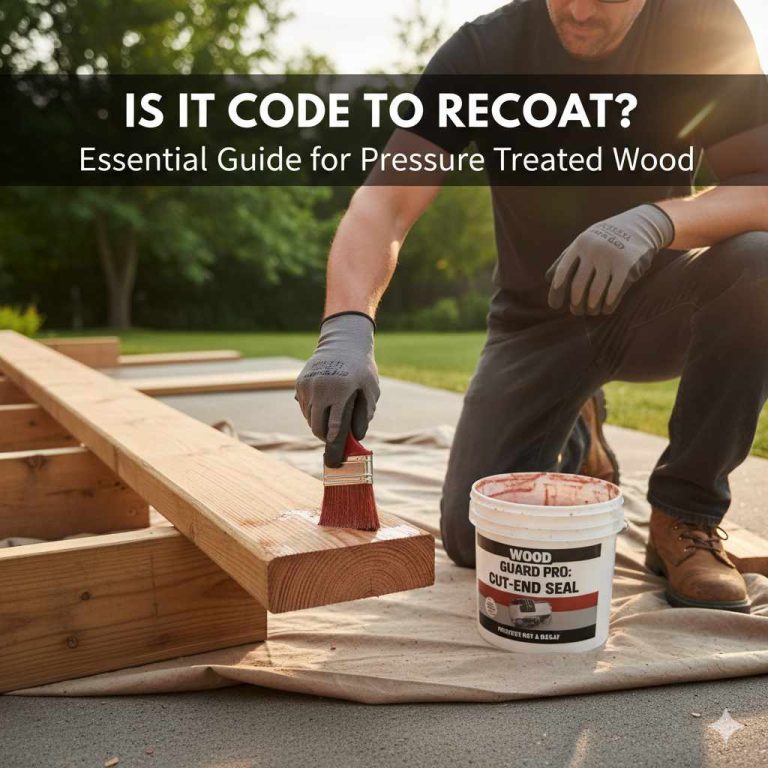
Beyond fasteners, codes might also specify how pressure treated lumber can be cut and handled. For example, while you can cut pressure treated wood, the cut ends should ideally be treated with a field preservative solution to maintain protection. Sawdust from cutting should also be cleaned up and disposed of properly, as it can contain residual chemicals.
Always consult your local building department for the most up-to-date and specific requirements in your area, as regulations can vary.
- Mandatory Use in Specific Areas: Building codes universally require pressure treated lumber for components that are in direct contact with the ground or masonry. This includes sill plates, mudsills, and any framing that is part of the foundation system. These requirements ensure that these critical structural elements are protected from moisture wicking and decay, preventing potential long-term damage.
- Treatment Level Standards: Codes specify the minimum treatment levels for lumber based on its intended use. For example, lumber designated for “ground contact” must be treated to a higher retention level of preservative chemicals than lumber intended for “above-ground” applications. Using the correct treatment level ensures adequate protection for the specific conditions the wood will face.
- Fastener Requirements Explained: Codes explicitly state the need for corrosion-resistant fasteners when working with pressure treated wood. This is because certain wood preservatives, particularly copper-based ones, can accelerate the corrosion of standard steel. Using approved fasteners, such as hot-dip galvanized or stainless steel, is crucial for the long-term durability and safety of the structure.
- Handling and Cutting Guidelines: Building codes, or often manufacturer recommendations which are based on code compliance, provide guidance on handling pressure treated lumber. This includes treating cut ends with a field preservative to reseal the wood and protect the exposed interior. Proper disposal of sawdust and scraps is also often addressed to minimize environmental impact.
Benefits Of Using Pressure Treated Wood For Framing
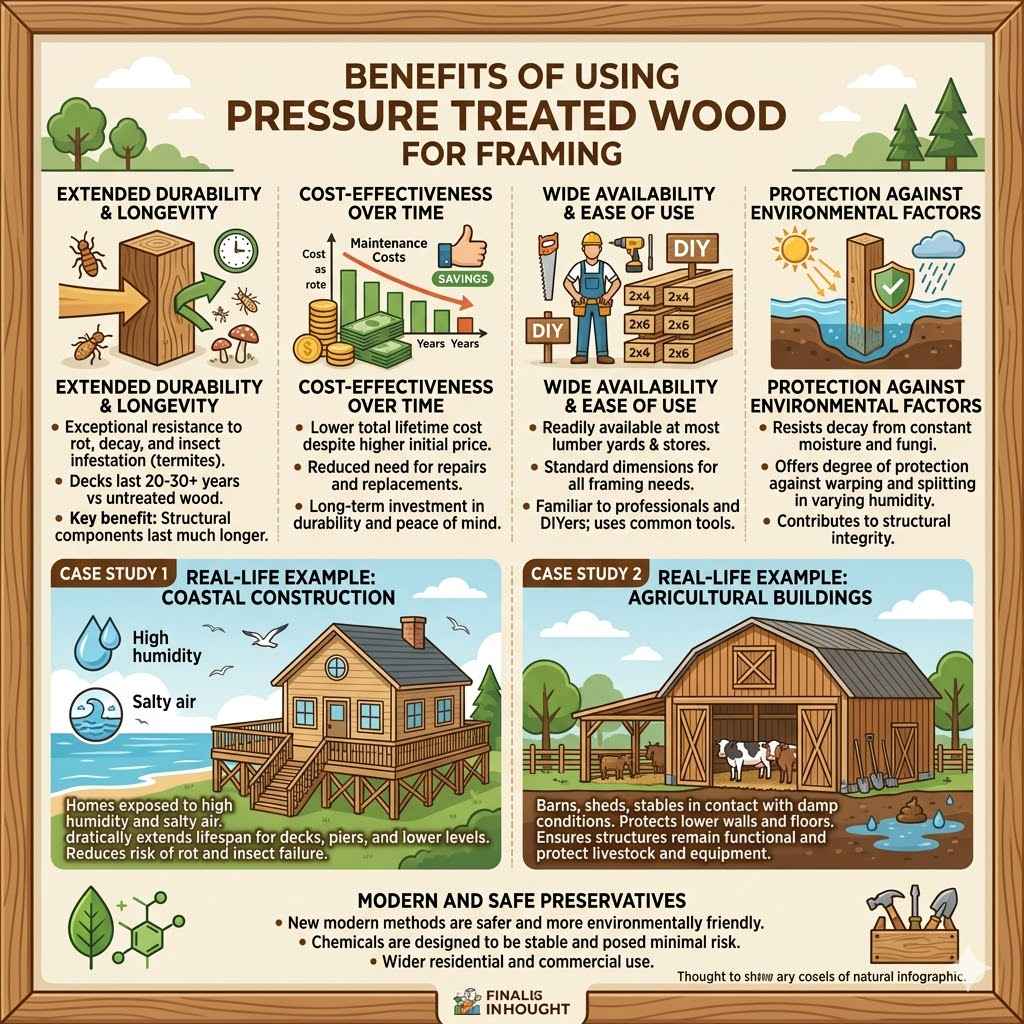
The primary benefit of using pressure treated wood for framing is its exceptional resistance to rot, decay, and insect infestation. This means that the structural components of your project will last much longer, especially in environments where moisture or pests are a concern. For example, a deck built with pressure treated lumber can easily last 20-30 years or more with proper maintenance, whereas untreated wood might only last a fraction of that time before needing significant repairs or replacement.
This extended lifespan translates into significant cost savings over the life of the structure. While the initial cost of pressure treated lumber might be slightly higher than untreated lumber, the reduced need for repairs, replacements, and maintenance makes it a more economical choice in the long run. You’re investing in durability and peace of mind.
Another key advantage is its availability and versatility. Pressure treated lumber is widely available at most lumber yards and home improvement stores in a variety of sizes and lengths, just like regular lumber. It can be used for a wide range of framing applications, from building a new home’s subfloor to constructing a garden shed or a sturdy fence.
This makes it a practical and accessible option for both professional builders and DIY enthusiasts.
Furthermore, modern pressure treating methods and chemicals have made these products safer and more environmentally friendly than in the past. The preservatives are designed to be stable within the wood and pose minimal risk when handled correctly and used in their intended applications. This allows for widespread use in residential and commercial construction without undue concern.
- Extended Durability and Longevity: The core benefit is the wood’s ability to resist decay caused by moisture and fungi, and to withstand attacks from termites and other wood-boring insects. This resistance means that framing built with pressure treated wood will remain structurally sound for many years, significantly outlasting untreated lumber in harsh conditions.
- Cost-Effectiveness Over Time: Although the upfront cost might be slightly higher, the longevity and reduced maintenance requirements of pressure treated wood make it a very cost-effective choice for many applications. Structures built with it require fewer repairs and replacements, saving homeowners money and effort over the lifespan of the building.
- Wide Availability and Ease of Use: Pressure treated lumber is a standard building material, readily available in various dimensions at most lumber suppliers. It can be worked with using standard carpentry tools, making it accessible for both professional contractors and DIYers. Its familiarity in the building industry means most carpenters know how to handle and install it effectively.
- Protection Against Environmental Factors: Beyond rot and insects, pressure treated wood offers a degree of protection against warping and splitting that can occur with untreated wood exposed to fluctuating moisture levels. This stability contributes to the overall structural integrity and appearance of the finished project.
A real-life example of its benefit can be seen in coastal construction. Homes built near the ocean are exposed to high humidity and salty air, which can accelerate wood decay. Using pressure treated lumber for the framing, especially for the lower levels and any outdoor structures like decks or piers, drastically extends their lifespan and reduces the risk of structural failure due to rot and insect damage.
Another scenario involves agricultural buildings. Barns, sheds, and stables often have floors or lower walls in contact with damp soil or animal waste, creating ideal conditions for rot and pest infestation. Pressure treated wood used in these framing elements ensures these structures can withstand the challenging conditions and remain functional for decades, protecting valuable equipment and livestock.
Frequently Asked Questions
Question: Is pressure treated wood safe for indoor framing?
Answer: While you can technically use pressure treated wood for indoor framing, it’s generally not recommended or necessary for standard interior walls or ceilings in dry environments. Regular construction lumber is more economical and suitable for these areas. Pressure treated wood is best reserved for framing exposed to moisture or ground contact.
Question: What kind of screws should I use with pressure treated wood?
Answer: You need to use corrosion-resistant fasteners. This typically means hot-dip galvanized, stainless steel, or specially coated screws designed for use with pressure treated lumber. Using standard steel fasteners will lead to rust and weakening over time.
Question: Can I burn pressure treated wood?
Answer: No, you should not burn pressure treated wood. The chemicals used in the treatment process can release toxic fumes into the air when burned, which are harmful to human health and the environment. Dispose of it according to local regulations, often by taking it to a landfill or approved disposal site.
Question: Does pressure treated wood shrink or warp?
Answer: Like all wood, pressure treated wood can shrink and warp as it dries. However, the treatment process can help stabilize the wood to some extent. It’s still important to allow the wood to acclimatize to its surroundings before installation and to use appropriate fasteners to minimize movement.
Question: How do I know if the wood is pressure treated?
Answer: Pressure treated lumber usually has a tag or stamp on it indicating it has been treated and specifying the type of treatment and intended use (e.g., ground contact). The wood itself may also have a greenish or brownish tint, especially when freshly treated, although this color often fades over time.
Summary
Yes, you can use pressure treated wood for framing, especially in areas exposed to moisture or ground contact like foundations, decks, and fences. It offers superior resistance to rot and insects, ensuring longevity and reducing future repair costs. Always use corrosion-resistant fasteners and check local building codes for specific requirements.
For dry interior spaces, standard lumber is usually sufficient and more cost-effective.