Can I Glue Pressure Treated Wood? Yes, With This Adhesive
Yes, you can glue pressure treated wood, but the preservative chemicals and residual moisture mean not every adhesive works. Polyurethane construction adhesive is the only common type rated to bond on damp lumber — wood glues like PVA and most epoxies need the wood fully dry first, which treated lumber often isn’t for weeks after purchase. This guide covers which adhesive to use, how to prepare the wood, and the mistakes that cause glued joints to fail.
Quick Answer
Pressure treated wood can be glued successfully with a polyurethane construction adhesive, which cures even on damp or freshly-treated lumber. PVA wood glue and most epoxies need the wood to be completely dry first (often several weeks after purchase) or the bond will fail. Sand the surface, clamp for at least 24 hours, and back up any structural joint with mechanical fasteners.
Why Pressure Treated Wood Is Different to Glue
Best Adhesive Pick
Loctite PL Premium Polyurethane Construction Adhesive – $6.48
Rated for wet and treated lumber, exactly the damp-wood scenario this guide covers — cures in temperatures from 10°F to 120°F and bonds wood, plywood, and treated lumber.
- Best for: Joints on damp or freshly-treated pressure treated lumber
- Why we picked it: One of the few adhesives rated by the manufacturer for wet surfaces, not just dry wood
- Main drawback: Full cure takes 24 hours — not a quick-fix glue
As an Amazon Associate we earn from qualifying purchases.
Pressure treated lumber is infused with preservative chemicals under pressure to resist rot, decay, and insects, which is what makes it standard for decks, fences, and any wood in ground contact. Those same preservatives — plus the extra moisture most treated lumber still holds when sold — are what interfere with ordinary wood glue.
Polyurethane adhesive is a one-component, moisture-curing glue that reacts with water to cure — so a damp board actually helps it set rather than blocking the bond. PVA (yellow) wood glue and most epoxies need a dry, clean surface to form a chemical or mechanical bond, which is why they’re more likely to fail on lumber that hasn’t fully dried out yet.
📊 Loctite PL Premium can be applied directly to wet surfaces and cures in temperatures from 10°F to 120°F — Source: Loctite / Henkel product specification
How to Glue Pressure Treated Wood
The process is the same whether you’re joining deck framing or building outdoor furniture — the adhesive and prep matter more than the technique.
- Sand the mating surfaces lightly to remove mill glaze and rough spots — this gives the adhesive more surface area to grip.
- Wipe away dust and debris with a dry or barely-damp cloth. Unlike PVA glue, you don’t need the wood bone-dry for polyurethane adhesive.
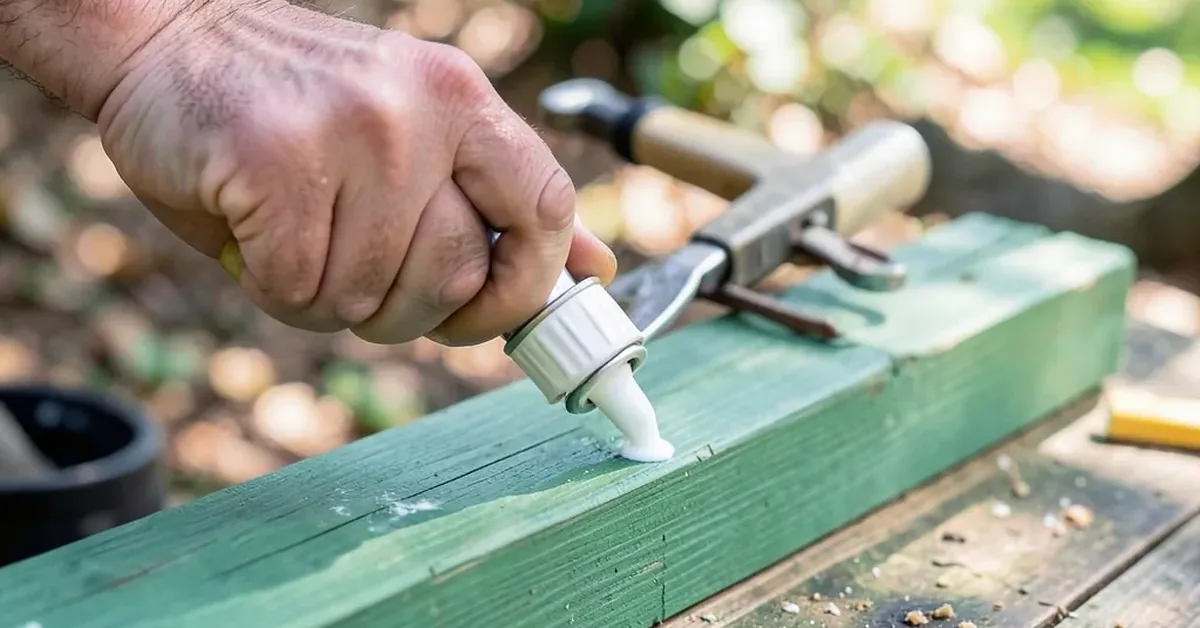
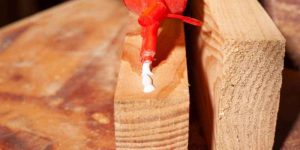
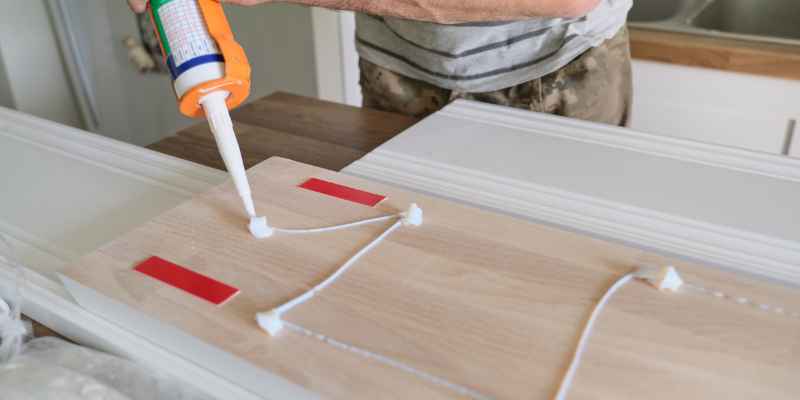
- Apply the adhesive evenly to one surface, following the manufacturer’s bead spacing — polyurethane expands slightly as it cures, so avoid over-applying.
- Clamp the pieces together immediately and hold for at least 24 hours at 60-80°F (about 35-65% relative humidity works best for most polyurethane formulas).
- Back up the joint with fasteners — screws or structural connectors — on anything load-bearing. Glue adds strength but shouldn’t be the sole connection on a deck or structural frame.
Common Mistakes to Avoid
- Using PVA (yellow) wood glue on freshly-treated lumber — it needs dry wood to bond and will often fail within a season outdoors.
- Skipping the clamp time — polyurethane needs the full cure window (usually 24 hours) under clamp pressure, not just until it feels tacky.
- Relying on glue alone for structural joints — always add mechanical fasteners rated for exterior/treated-wood use on anything load-bearing.
- Skipping surface prep — mill glaze and surface dirt reduce the adhesive’s contact area even when the glue itself is the right type.
Can pressure treated wood be glued together effectively?
Yes, pressure treated wood can be glued effectively using a polyurethane construction adhesive rated for exterior and treated-wood use, which produces a strong, durable bond even on lumber that isn’t fully dry.
What type of adhesive is best for pressure treated wood?
Polyurethane-based construction adhesive is the best choice — it’s the only common adhesive type that cures reliably on damp, freshly-treated lumber rather than requiring bone-dry wood first.
Do I need to let pressure treated wood dry before gluing?
Not if you’re using polyurethane adhesive — it’s moisture-curing, so it bonds on damp wood. If you’re using PVA wood glue or epoxy instead, let the wood dry fully first (often several weeks), or the bond is likely to fail.
How long should pressure treated wood be clamped after gluing?
Clamp the pieces together for at least 24 hours at 60-80°F to let a polyurethane adhesive fully cure before removing the clamps or putting load on the joint.
Conclusion
Gluing pressure treated wood works reliably as long as you match the adhesive to the wood’s condition — polyurethane construction adhesive for damp or recently-treated lumber, proper surface prep either way, and mechanical fasteners backing up anything structural. Skip PVA wood glue unless the lumber has had real time to dry out first, and if you’re also planning to stain or paint the finished piece, let the glue fully cure before applying any finish.
Sponsored / affiliate links. As an Amazon Associate I earn from qualifying purchases. I may earn additional commission from eligible campaigns.