Pressure-Treated Wood Handrails: Pros, Cons, Code Rules & Fasteners
Pressure-treated wood is the material most homeowners land on for deck, porch, and stair handrails, mostly because it costs less than cedar or composite and holds up outdoors without much fuss. It’s not automatically the right choice for every rail, though – the chemical treatment that makes it rot-resistant also means it needs specific fasteners, a waiting period before you can finish it, and it has to hit the same code numbers as any other handrail material. Here’s what actually matters before you buy the lumber.
Why Pressure-Treated Wood Works for Handrails (and Where It Falls Short)
Best Fastener For Treated Wood Handrails
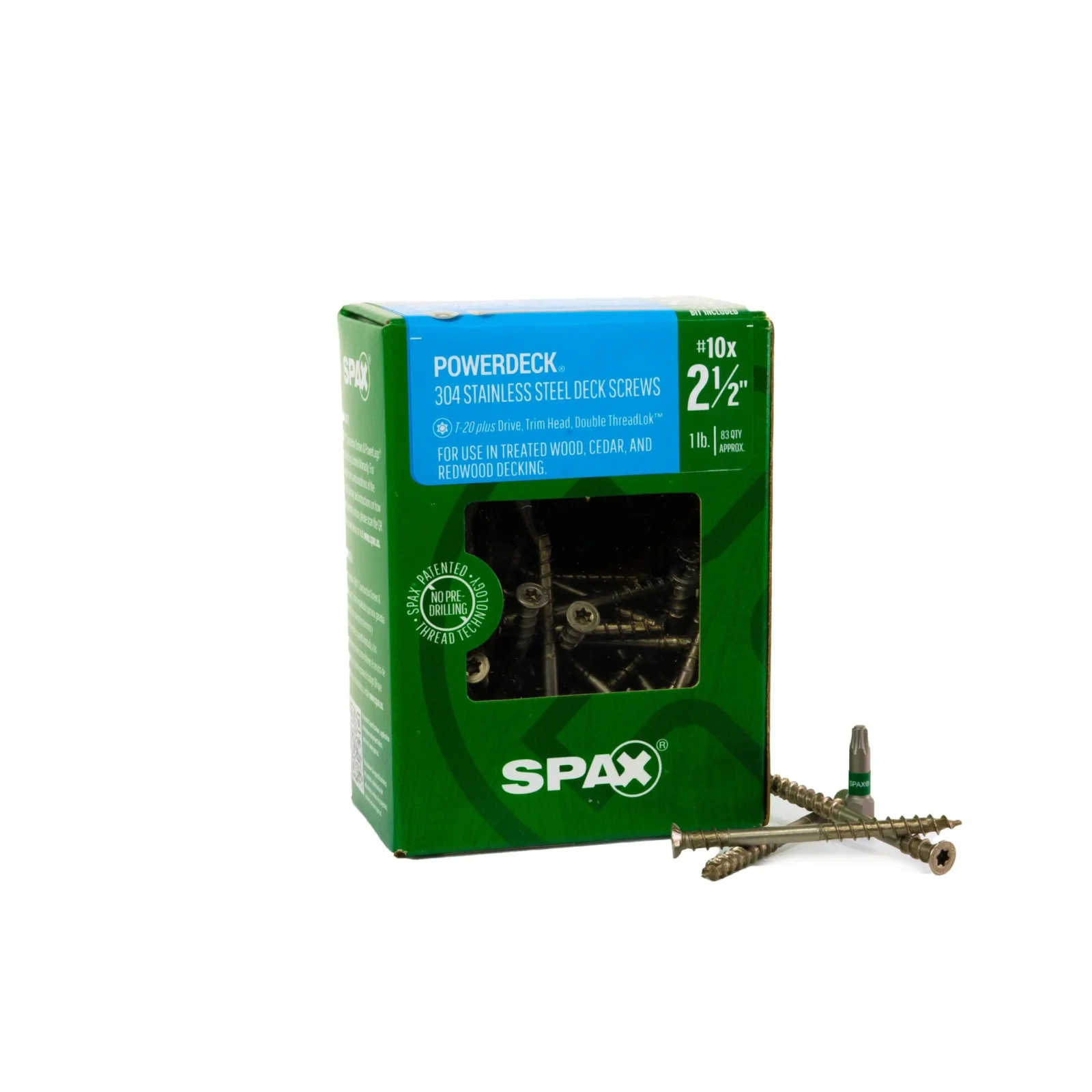 |
SPAX PowerDeck #10 x 2-1/2″ 304 Stainless Deck Screws (83-ct) – $19.98 The box says it outright: rated for treated wood, cedar, and redwood decking – exactly the corrosion resistance a PT handrail needs.
|
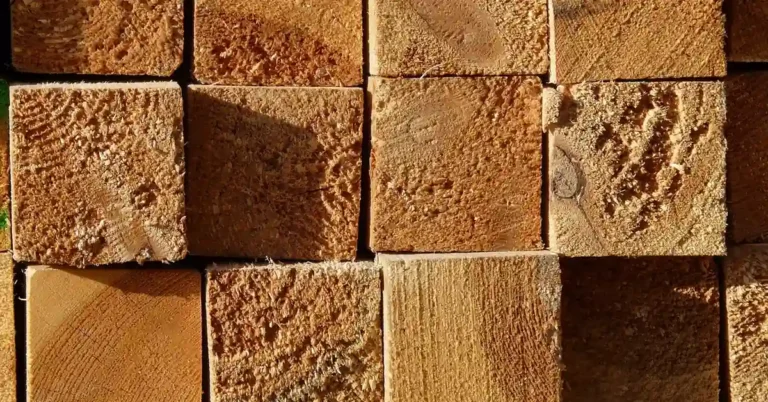
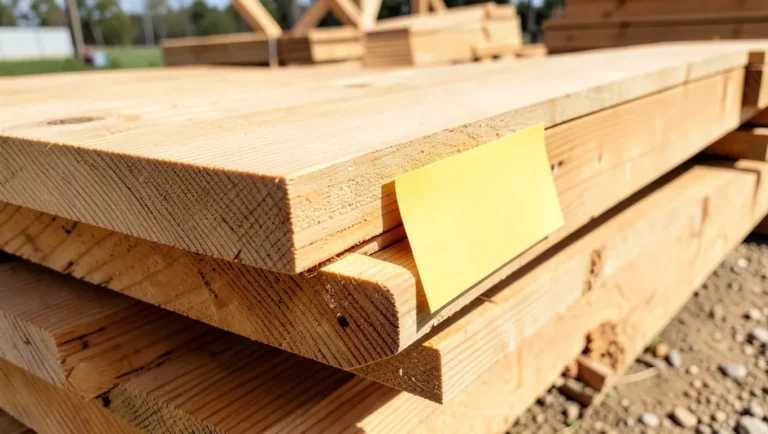
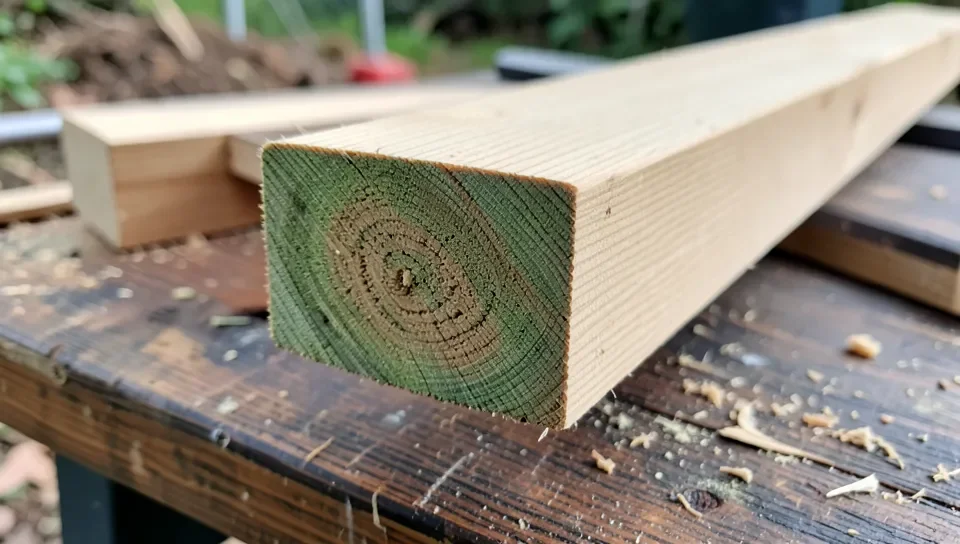
Pressure-treated (PT) lumber is regular softwood, usually southern yellow pine, that’s been forced into a pressure chamber where a water-based preservative is driven deep into the wood fibers rather than just coated on the surface. The current standard preservatives are copper-based – alkaline copper quat (ACQ) or copper azole (CA-B) – which replaced the older chromated copper arsenate (CCA) for most residential uses. That copper is what gives the wood its rot and insect resistance, and it’s also the reason fastener choice matters more here than with cedar or untreated pine (more on that below).
The tradeoff is mostly cosmetic and maintenance-related. PT lumber is more prone to splintering and checking (small surface cracks) as it dries out after installation, the grain is rougher than cedar or redwood, and it needs to be resealed on a schedule to keep water from finding its way into cut ends and fastener holes. None of that makes it a bad choice for a handrail – it just means the upfront savings come with a bit more upkeep than a premium wood species would need.
Pressure-Treated Wood vs. Cedar, Composite, and Aluminum Handrails
Cedar and redwood are naturally rot-resistant without chemical treatment, so they’re smoother, take stain more evenly, and don’t need the drying wait PT wood does – but they typically cost noticeably more per linear foot and are softer, so they dent and gouge more easily. Composite railing skips wood maintenance almost entirely (no staining, no resealing) but costs the most upfront and can look and feel plasticky compared to real wood grain. Aluminum is the lowest-maintenance option of all and holds up to coastal salt air better than any wood, but it reads as more industrial than a wood handrail and isn’t something you can stain or shape to match trim.
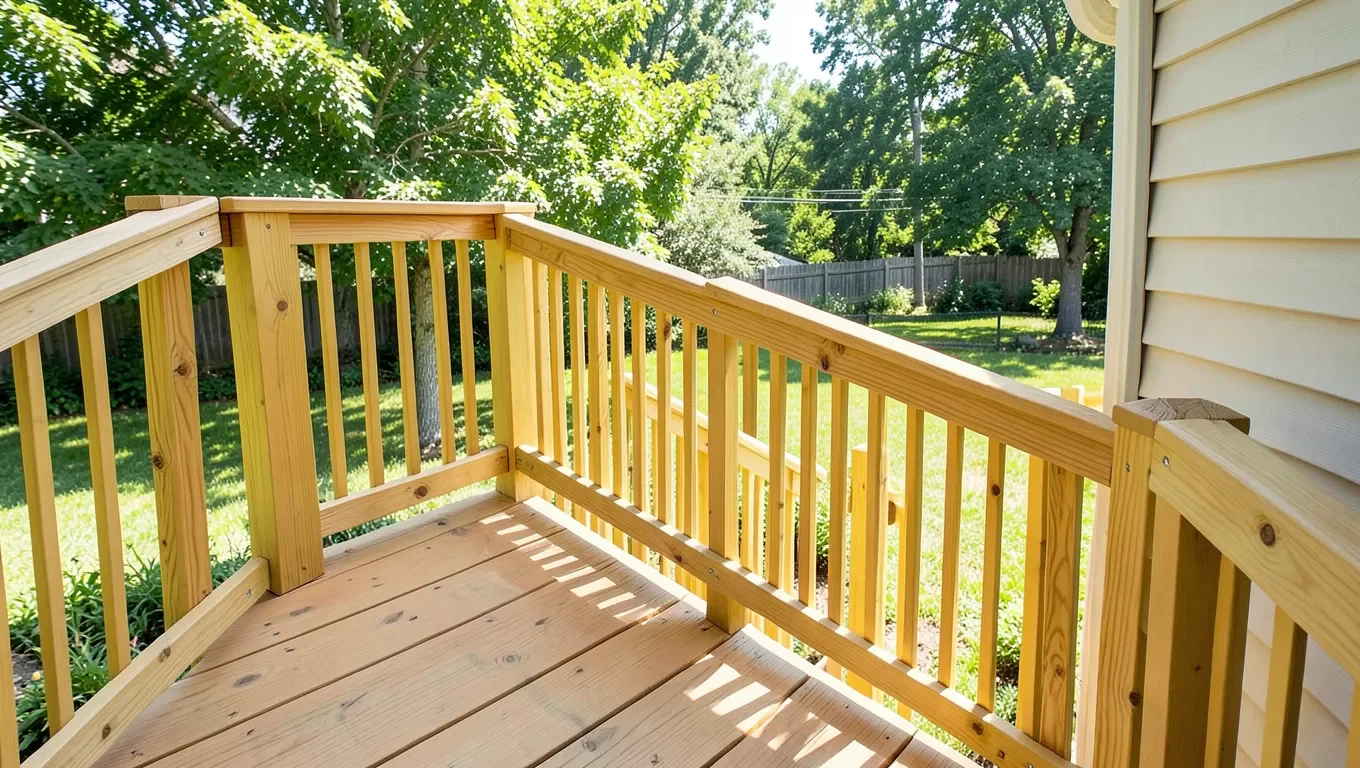
For most exterior deck and porch stairs where budget matters and the rail will be painted or stained rather than left natural, pressure-treated wood is still the practical middle ground – cheaper than cedar or composite, easier to repair or replace a single damaged section, and available at essentially every home center in standard rail and baluster profiles.
Code Rules You Actually Need to Hit: Grip Size and Height
Under the International Residential Code, a graspable stair handrail – the rail you actually grip while walking up or down steps – has to be either circular with a diameter between 1.25 and 2 inches, or a non-circular profile with a perimeter between 4 and 6.25 inches. Height is measured vertically from the sloped line running across the tread nosings, and it needs to land between 34 and 38 inches, continuous from a point above the top riser to a point above the bottom riser.
Don’t confuse that with a deck guard (the barrier along the open side of a raised deck, separate from the stair handrail) – guard height requirements are different and typically higher. Both numbers get amended by local jurisdictions fairly often, so treat these as the commonly-required baseline and always confirm the current figures with your local building department before you cut lumber. For the full breakdown of guard height, baluster spacing, and post spacing, see our guide to building wood deck handrails safely.
Why Standard Screws Fail: Choosing Fasteners for Treated Wood
This is the detail that gets skipped most often, and it’s the one that causes real structural problems. The copper-based preservatives in modern PT lumber are corrosive to standard zinc-plated or electroplated steel fasteners – the copper and the plated coating react, and the screw can visibly corrode and weaken within a year or two of outdoor exposure, well before the wood itself shows any wear. A handrail is a safety component people put their body weight on, so a corroding fastener at a post-to-rail joint isn’t a cosmetic issue.
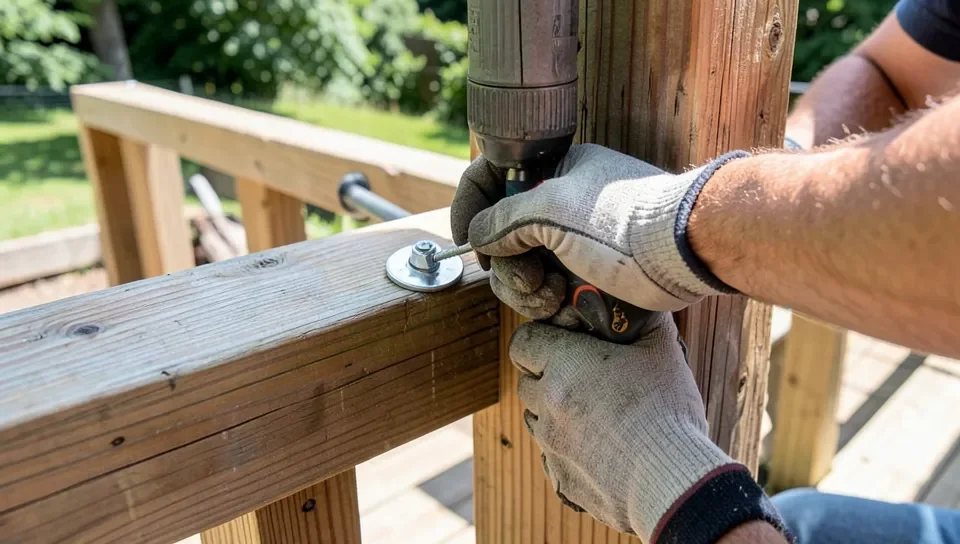
Use fasteners rated for ACQ or copper-azole-treated lumber: hot-dip galvanized meeting ASTM A153, or stainless steel (type 304 for most residential exterior use, 316 if the rail is anywhere near salt air or a pool). Any structural connectors or brackets at the joint – post bases, angle brackets – need to match the same metal family as the screws; pairing hot-dip galvanized hardware with stainless screws, or the reverse, sets up galvanic corrosion between the two dissimilar metals and defeats the point of upgrading either one.
Finishing Pressure-Treated Wood: The Drying Wait Nobody Warns You About
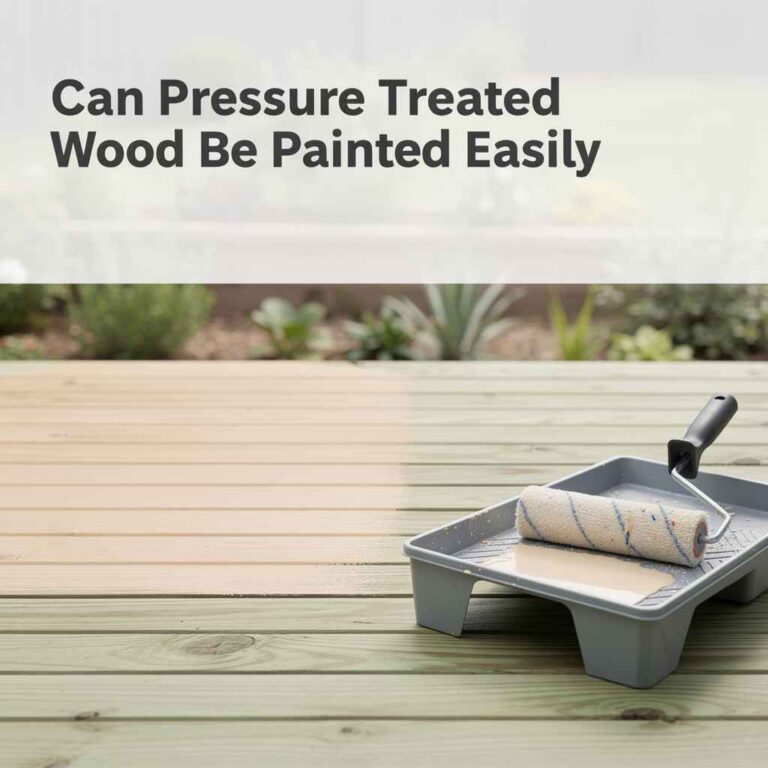
PT lumber is treated wet – the preservative is a water-based solution – so the wood is often still carrying significant moisture when it leaves the store. Painting or staining over that moisture traps it under the finish, and the coating will peel or blister within a season. Depending on the retention level and whether the lumber was kiln-dried after treatment (look for a “KDAT” stamp, which means it’s ready to finish sooner), the wait can run from a few weeks to three or four months.
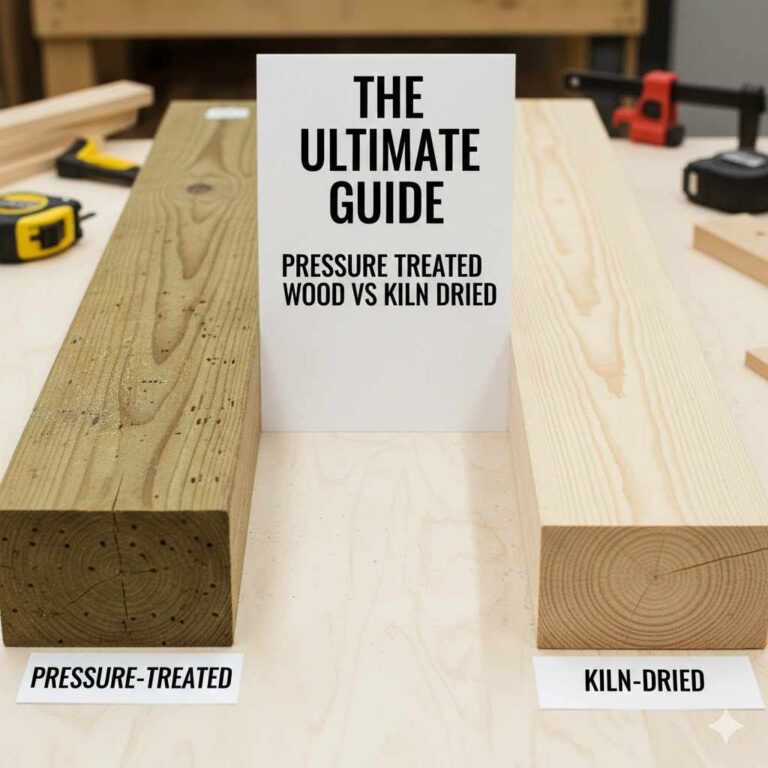
Skip the guesswork and test it directly: sprinkle a few drops of water on the surface. If the water beads up and sits there, the wood is still too wet to finish. If it soaks in within a minute or two, it’s ready. When you do finish it, use an exterior-rated primer and paint (or a penetrating deck stain) formulated for treated lumber – see our guide on pressure-treated vs. kiln-dried wood for how the drying process changes what finish will actually hold.
How Long Pressure-Treated Handrails Last and How to Maintain Them
With the right fasteners and a resealing schedule, pressure-treated handrails commonly last 15 to 25 years or more before any structural component needs replacing – though the finish itself will need attention well before that. Reseal every 2 to 3 years with a water-repellent or semi-transparent deck stain, check fastener heads annually for corrosion or backing out, and sand down any splintering before it snags clothing or skin. Pay particular attention to the post bases and any spot where two boards meet – those are the joints where trapped water does the most damage over time, since they dry out slower than an open rail face.
Frequently Asked Questions
Can pressure-treated wood handrails be used indoors?
It’s not recommended. The preservative chemicals are formulated for ground and weather exposure, they can carry an odor indoors, and the rougher, greener grain looks out of place next to interior hardwoods like oak or maple. For an indoor stair rail, use a hardwood instead.
How long do pressure-treated wood handrails actually last?
Most last 15 to 25+ years when the wood was rated for the exposure it’s in (above-ground vs. ground contact) and gets resealed every 2 to 3 years. Lifespan drops fast if water sits in end-grain joints or fastener holes that were never sealed.
How long do you have to wait before painting or staining pressure-treated wood?
Anywhere from a few weeks to about 3 to 4 months, depending on the retention level and how the lumber was kiln-dried (or not) after treatment. Do the water-bead test first: sprinkle water on the surface, and if it soaks in within a minute or two instead of beading up, it’s dry enough to finish.
What screws should I use for pressure-treated handrails?
Hot-dip galvanized (meeting ASTM A153) or stainless steel, type 304 or 316. Standard zinc-plated or electroplated screws corrode quickly against the copper-based preservatives (ACQ, copper azole) used in modern PT lumber and can fail at the joint within a year or two.
Is pressure-treated wood safe for handrails kids and pets will touch?
Modern preservatives (ACQ and copper azole) replaced the older arsenic-based CCA treatment for residential use and are considered low-risk with normal contact. Sealing the wood every couple of years cuts down on splinters and surface chemical transfer, and it’s still good practice to keep kids and pets from chewing on the rail.
Sponsored / affiliate links. As an Amazon Associate I earn from qualifying purchases. I may earn additional commission from eligible campaigns.