Where to Buy Fire-Rated (FRT) Plywood (Real Brands + Prices)
Fire-rated (FRT) plywood is sold at Home Depot, Menards, Lowe’s, and specialty lumber yards carrying brands like FlameFreez and Pyro-Guard — but FRT treatment is not the same as a fire-resistance rating tested to ASTM E119. Using the wrong product at a load-bearing wall can fail inspection under the IBC. This guide covers real suppliers, honest price ranges, the standards to check, and DIY fire-retardant options for existing plywood.
What Makes Plywood Fire Rated?
No-Burn Original Fire Retardant Spray
- Best for: treating unfinished plywood, framing, or trim you already own
- Why we picked it: Amazon’s Choice, Class A rated to ASTM E84 / UL 723 / NFPA 703, 4.4★ from 555+ ratings
- Main drawback: interior/unfinished surfaces only — not a substitute for factory FRT plywood in a rated assembly
Compare more fire-retardant treatment options
 DRI-ONE 1-Gallon 4.8★ · family-owned brand trusted by fire marshals since 1958 View on Amazon |
 Master Flame 1-Gallon 4.4★ · meets NFPA 701 & ASTM E84, dries clear View on Amazon |
 Flamecheck Paint Additive 4.5★ · mixes into 1 gal. of latex paint or primer View on Amazon |
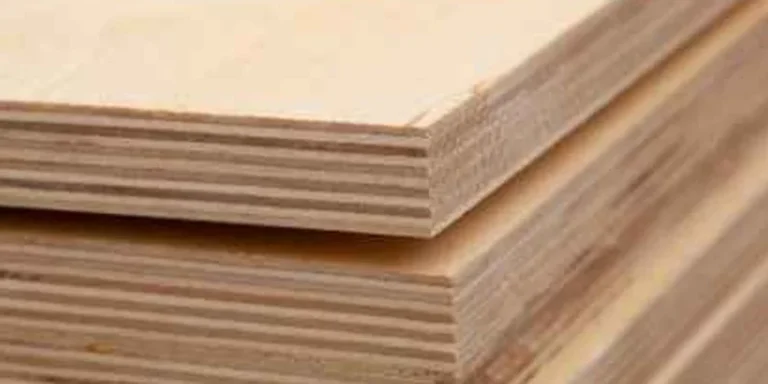
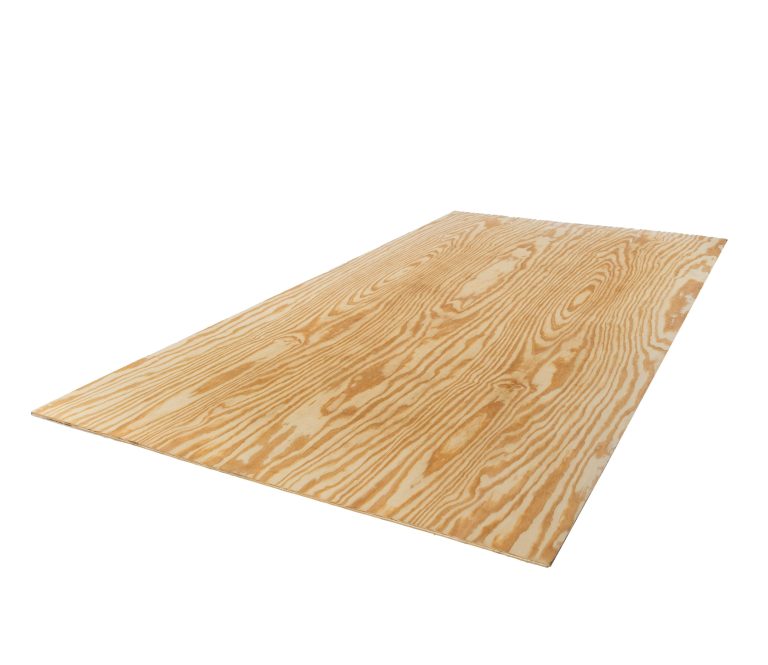
Fire-rated plywood is standard plywood that has been pressure-impregnated with fire-retardant chemicals — typically ammonium phosphate or similar salts — that cause the wood to char rather than flame when exposed to heat. The treatment doesn’t make plywood fireproof; it slows flame spread and smoke development so occupants have more time to evacuate and firefighters have more time to respond.
FRT Plywood vs. Fire-Resistance Rated: Why the Difference Matters
This is the distinction most buying guides skip, and it’s the one that actually affects whether your project passes inspection. Fire-Retardant Treated (FRT) plywood is tested to ASTM E84 (surface burning/flame spread) and is rated for how slowly flame spreads across the surface. A fire-resistance rating (as in a “1-hour rated wall”) is a completely different test — ASTM E119 — that measures how long an entire wall or floor assembly holds back fire and heat under load. Per the American Plywood Association (APA), FRT plywood alone cannot substitute for a UL-listed, fire-resistance-rated assembly; the two ratings are not interchangeable, and a contractor who swaps one for the other on a code-required assembly will fail inspection.
Benefits of Using Fire-Rated Plywood
Fire-rated plywood slows fire spread in high-risk locations — near property lines, in shared-wall construction, or in wildfire-prone areas — buying extra evacuation time. Most commercial building codes require it at specific fire-rated assemblies, so using it keeps a project inspection-ready. Some insurers also offer reduced premiums on structures built with fire-retardant-treated materials, though this varies by carrier and should be confirmed directly.
Understanding Fire Rating Standards
Fire-rated plywood is tested and certified against a small set of standardized tests. Knowing which one applies to your project is what actually determines whether a product meets code.
| Standard | What It Measures |
|---|---|
| UL 723 | Surface burning characteristics (flame spread and smoke development) |
| ASTM E84 | Flame spread and smoke development — the standard FRT plywood is rated against |
| ASTM E119 | Fire endurance and structural integrity of a full wall/floor assembly — a separate rating from FRT treatment |
Different Types of Fire-Rated Plywood
- Fire-Retardant Treated Plywood (FRTP): chemically pressure-treated to resist flame spread; sold under brand names like FlameFreez and Pyro-Guard.
- Fire-Rated Structural Plywood: combines FRT chemical treatment with a structural (CDX or better) grade — see our ACX vs CDX plywood comparison if you’re unsure which base grade you need — rated for load-bearing sheathing.
- Flame-Pro / Pro-Wood CDX Plywood: interior-rated CDX plywood pressure-treated with Class A fire-retardant chemicals, commonly stocked by regional lumber yards.
Where to Buy Fire-Rated Plywood: Real Suppliers
Fire-rated plywood isn’t stocked at every hardware store, and availability is regional — here’s where it’s actually sold.
Big-Box Retailers
Home Depot stocks FlameFreez fire-rated pressure-treated plywood in-store and online; Menards carries its own FlamePRO Fire-Retardant-Treated plywood line; Lowe’s stocks fire-resistant plywood and sheathing in most regions. Stock varies by store, so call ahead or check online availability before driving out for a specific thickness.
Specialty Lumber Yards
Specialty building-material suppliers typically carry a wider range of thicknesses and both interior and exterior FRT grades than big-box stores. Capitol City Lumber stocks Fire-Retardant Interior CDX plywood under both the Flame-Pro and Pro-Wood brands and offers custom cutting. Hamshaw Lumber carries Pyro-Guard-treated CDX sheets in multiple thicknesses. Availability at any specific yard is regional — search “[fire-rated plywood near me]” or call ahead to confirm thickness and grade in stock.
Online Retailers
Toledo Plywood Co. sells fire-treated plywood in full 4×8 sheets shipped nationwide. Home Depot and Menards also fulfill fire-rated plywood orders online for in-store pickup or delivery, which is often more reliable than freight-shipping full sheets from a smaller online-only supplier.
Fire-Rated Plywood Prices: What to Expect
Plywood pricing for fire-rated sheets runs well above standard CDX because of the pressure-treatment process. As of this update, a standard 4×8 sheet runs roughly $60–$90 at big-box retailers depending on thickness, with 5/8″ and 3/4″ grades priced higher than 1/2″. Specialty lumber yards can run higher or lower depending on regional freight costs and whether the sheet is interior- or exterior-rated — exterior-rated FRT plywood costs more because the treatment has to survive moisture exposure.
| Retailer | Typical Price (4×8 sheet) |
|---|---|
| Menards (FlamePRO) | ~$62 (varies by thickness) |
| Home Depot (FlameFreez) | ~$83 (varies by thickness) |
| Regional specialty lumber yards | $55–$90, thickness and grade dependent |
Treat any price quote that’s dramatically outside this range — unusually low or unusually high — as a signal to double check the thickness, grade, and whether it’s actually FRT-rated before buying. Always get a current quote directly from the supplier; lumber pricing shifts with market conditions. If you’re weighing FRT plywood against another treated option for an exterior application, see our pressure-treated plywood vs. marine plywood comparison — the two treatments solve different problems.
How to Verify the Fire Rating Before You Buy
Not all plywood labeled “fire-resistant” in casual signage is actually FRT-certified. Before buying, confirm these three things.
Certifications to Look For
- UL stamp: confirms the plywood was tested by Underwriters Laboratories and passed the applicable fire test.
- APA trademark: confirms the panel meets American Plywood Association manufacturing standards (a separate check from fire rating, but a sign of a legitimate mill).
- A visible flame-spread classification (Class A / Class I) stamped on the panel edge or included on the supplier’s spec sheet.
Questions to Ask Suppliers
- What fire rating and flame-spread class does this specific sheet carry?
- Was it tested by a third-party lab, and can you provide the test documentation?
- Is this the interior or exterior formulation — and is that the right one for where I’m installing it?
- What’s the price difference between this and non-fire-rated CDX of the same thickness?
DIY Fire-Retardant Treatment for Plywood You Already Own
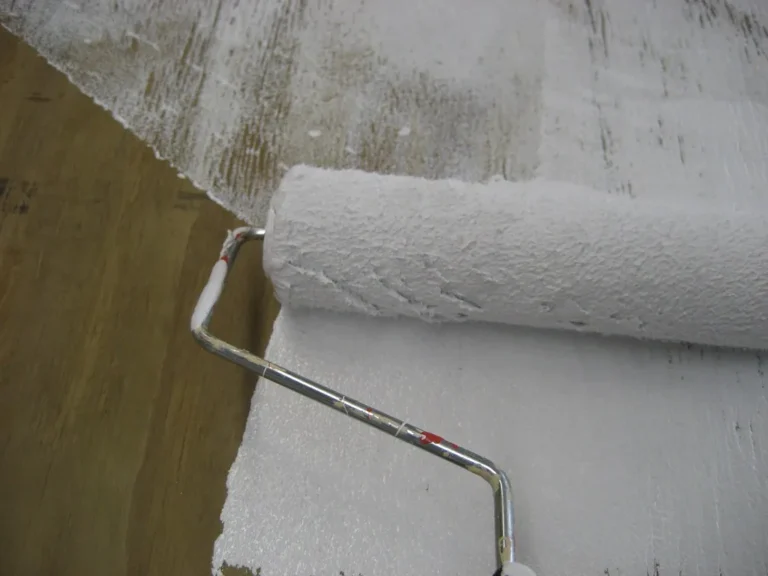
If you already have untreated plywood installed or on hand, factory FRT treatment can’t be replicated at home — but a Class A fire-retardant spray or paint additive can meaningfully slow flame spread on exposed, unfinished wood surfaces. This is a real second option for existing sheathing, framing, or trim, not a substitute for FRT plywood in a code-required rated assembly.
Pre-manufacture treatment (impregnating veneers with fire retardant before the plywood is pressed) gives more even, longer-lasting protection than post-manufacture treatment (spraying or brushing a finished panel). A DIY spray is a post-manufacture treatment: cheaper and useful for existing wood, but it needs reapplication over time and won’t match the consistency of factory-treated sheets.
Advantages of DIY treatment: it’s cheaper than replacing plywood outright, it lets you target specific areas, and it can be applied to plywood already installed. Disadvantages: coverage can be inconsistent if not applied carefully, it typically doesn’t carry the same certification as factory FRT plywood, and it may not satisfy inspectors on a project where FRT plywood is specifically required by code — check with your local building department first.
Building Codes and Regulations
In the U.S., the International Building Code (IBC) sets required fire-resistance ratings for specific wall, floor, and roof assemblies, and specifies where FRT wood products are permitted or required — for example, in certain fire-rated corridor walls or roof/ceiling assemblies within a set distance of a property line. Requirements vary by jurisdiction and occupancy type, so confirm the exact requirement with your local building department or architect before purchasing; don’t rely on a supplier’s product description alone to determine code compliance.
Frequently Asked Questions
What kind of plywood is fire rated?
Plywood becomes fire-rated when it’s pressure-treated with fire-retardant chemicals during manufacturing, sold under brand names like FlameFreez and Pyro-Guard. It’s typically CDX-grade for sheathing applications, rated for flame spread under ASTM E84.
Can you get fire-rated plywood?
Yes. Home Depot, Menards, and Lowe’s stock it in most regions, and specialty lumber yards like Capitol City Lumber and Hamshaw Lumber carry a wider range of thicknesses and interior/exterior grades.
Who makes fire-rated plywood?
FlameFreez (by YellaWood) and Pyro-Guard (by Hoover Treated Wood Products) are two of the most common fire-retardant treatment brands used on plywood in the U.S. Retailers like Home Depot, Menards, and specialty lumber yards sell the treated product but don’t manufacture the fire-retardant chemical treatment itself.
Can plywood be fireproofed?
Plywood can be made fire-retardant, not fireproof — even treated plywood will char and burn under direct, sustained flame. Factory treatment (pre-manufacture, veneers impregnated before pressing) gives the most even protection; a DIY spray or paint additive (post-manufacture) is a workable second option for plywood already installed.
Is fire-rated (FRT) plywood the same as fire-resistant plywood?
No. “Fire-rated” and “fire-retardant treated (FRT)” plywood both refer to the same ASTM E84 flame-spread treatment. A “fire-resistance rating” (like a 1-hour rated wall) is a different test, ASTM E119, applied to a complete assembly — not to the plywood panel alone. FRT plywood cannot substitute for a fire-resistance-rated assembly.
Conclusion
Fire-rated plywood is available at Home Depot, Menards, and Lowe’s for standard thicknesses, with specialty lumber yards like Capitol City Lumber and Hamshaw Lumber worth checking for wider grade selection. Before buying, confirm the flame-spread class and whether you need interior or exterior treatment — and remember that FRT plywood alone doesn’t satisfy a fire-resistance-rated assembly requirement. For plywood you already own, a Class A fire-retardant spray is a legitimate, lower-cost second option.
Sponsored / affiliate links. As an Amazon Associate I earn from qualifying purchases. I may earn additional commission from eligible campaigns.