Cedar Wood Secrets: Unlocking Its Timeless Charm
Cedar wood is valued for its rot resistance, reddish color, pleasant smell, and durability in various applications. Its natural oils protect against decay and insects, making it popular for house siding, fencing, furniture, and more.
Cedar is easy to work with and widely available. The distinct shape of cedar trees includes multiple trunks and horizontal layers. They produce upright cones and clustered needles. Cedar wood is sound-resistant, a natural insect repellent, and visually appealing. Its growth rate is relatively fast, and it thrives in damp climates.
Cedar wood varieties like Eastern Red Cedar are commonly used in construction and woodworking due to their unique properties.
The Essence Of Cedar Wood
Cedar wood is renowned for its rich history, captivating aroma, and stunning visual appeal. Let’s delve into the essence of cedar wood through its aromatic allure and striking beauty, as well as its historical significance and modern-day uses.
Aromatic Appeal
The distinctive scent of cedar wood is one of its most beloved features. The wood emanates a pleasant fragrance that is both soothing and invigorating, making it a popular choice for aromatherapy products and luxury items.
Visual Beauty
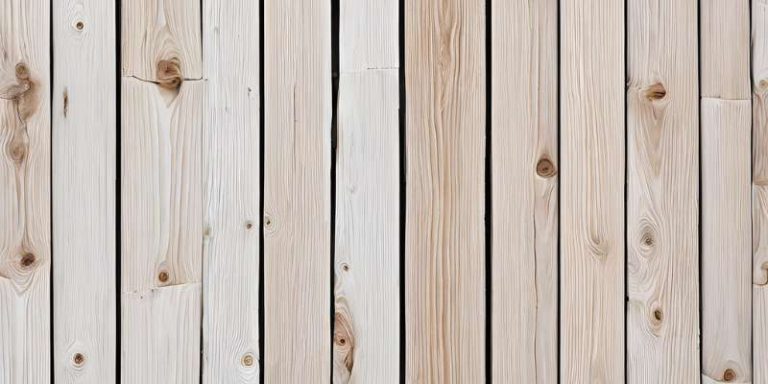
With its reddish hue and natural luster, cedar wood boasts a timeless beauty that enhances any space. The grain patterns and textures of cedar create elegant finishes that are admired for their distinctive charm.
Historical Significance And Modern Uses
Cedar wood has a rich historical legacy, revered for its durability and versatility across civilizations. Today, cedar wood is utilized in architectural and interior design for its resilience and aesthetic appeal.
Cedar Varieties And Their Unique Traits
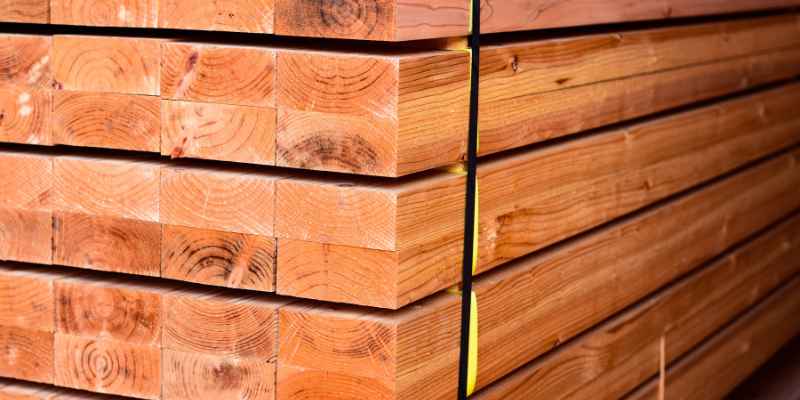
Cedar wood is highly valued for its unique traits and various applications. Each variety of cedar wood possesses distinct characteristics that make it suitable for different purposes. In this section, we will explore the traits of different cedar varieties, including Eastern Red Cedar, Western Red Cedar, and other species.
Comparing Eastern Red, Western Red, And Other Species
Eastern Red Cedar, scientifically known as Juniperus virginiana, is a species native to the eastern regions of North America. It is known for its reddish-brown color and strong aroma. Eastern Red Cedar wood is highly resistant to rot, making it ideal for outdoor applications such as fences, decks, and siding.
On the other hand, Western Red Cedar, scientifically known as Thuja plicata, is native to the western regions of North America. It has a lighter reddish-brown color and a pleasant fragrance. Western Red Cedar wood is highly durable and has natural resistance to decay, making it a popular choice for outdoor furniture, siding, and shingles.
Aside from Eastern and Western Red Cedar, there are other species of cedar that offer unique traits. For example, Deodar Cedar (Cedrus deodara) is native to the Himalayas and is known for its beautiful grain patterns and aromatic scent. It is often used for indoor furniture, flooring, and cabinetry. Cedrus atlantica, also known as Atlas Cedar, is another species known for its distinctive blue-green foliage and resistance to rot. It is commonly used for outdoor applications such as decking and fencing.
Geographic Distribution And Growth Habits
The geographic distribution and growth habits of cedar varieties vary depending on the species. Eastern Red Cedar is predominantly found in the eastern regions of North America, including the United States and parts of Canada. It thrives in a variety of soil conditions and is often found in open fields, pastures, and disturbed areas.
Western Red Cedar, as the name suggests, is primarily found in the western regions of North America, including the Pacific Northwest and parts of British Columbia. It prefers moist, well-drained soils and is commonly found in forests and mountainous areas.
Other species of cedar, such as Deodar Cedar and Atlas Cedar, have their native habitats in specific regions. Deodar Cedar is native to the Himalayas, while Atlas Cedar is native to the Atlas Mountains in Morocco and Algeria.
In terms of growth habits, cedar trees are known for their tall and straight trunks, which make them desirable for timber production. They have a relatively slow growth rate compared to other tree species, but they can reach impressive heights and live for several decades.
Overall, cedar wood offers a wide range of unique traits and characteristics that make it a versatile and sought-after material for various applications. Whether it’s the rot resistance of Eastern Red Cedar, the durability of Western Red Cedar, or the distinct features of other cedar species, each variety has its own unique qualities that contribute to its popularity in different industries.
Durability And Resistance
Cedar wood is renowned for its exceptional durability and natural resistance to various environmental factors. These qualities make it a popular choice for a wide range of outdoor and indoor applications.
Natural Preservatives In Cedar
Cedar wood contains natural preservatives that contribute to its remarkable durability. The presence of thujaplicins and thujic acid in cedar gives it inherent resistance to decay, ensuring that it remains robust and sturdy even in harsh conditions.
Insect Repellence And Rot Resistance
One of the most notable attributes of cedar wood is its insect-repellent properties. The distinct aroma of cedar acts as a natural deterrent to various insects, safeguarding the wood from damage caused by pests. Moreover, the rot resistance of cedar further enhances its longevity, making it an ideal choice for outdoor furniture, decking, and siding.
Cedar In Architecture And Design
Welcome to the world of Cedar in architecture and design. Cedar wood has been a popular choice for both exterior and interior design due to its natural beauty, durability, and versatility. Let’s explore how cedar is utilized in various architectural and design applications.
Popular For Siding, Shingles, And Decking
Cedar wood is highly sought after for its use in siding, shingles, and decking. Its natural resistance to decay and insects, along with its attractive appearance, make it a preferred material for exterior applications. The distinct grain patterns and rich color variations of cedar add a touch of elegance to any architectural design.
The Rustic Charm Of Cedar In Interior Design
When it comes to interior design, cedar wood exudes a rustic charm that adds warmth and character to any space. Its aromatic scent and natural hues create a cozy and inviting ambiance. From ceiling beams to wall paneling, cedar brings a timeless allure to interior designs, blending seamlessly with various decor styles.
Working With Cedar Wood
Cedar wood is a versatile and popular choice for craftsmen and DIY enthusiasts due to its ease of use and durability. Whether you are working on a small woodworking project or a larger construction endeavor, cedar wood offers a range of benefits that make it a preferred material.
Ease Of Use For Craftsmen And Diy Enthusiasts
Working with cedar wood is a breeze for craftsmen and DIY enthusiasts of all skill levels. Its lightweight nature and straight grain make it easy to cut, shape, and craft into various projects. Whether you are a beginner or an experienced woodworker, cedar wood allows for precise and intricate designs without much effort.
Maintenance And Longevity Of Cedar Products
Cedar products are known for their exceptional longevity and low maintenance requirements. Due to its natural resistance to rot, decay, and insect damage, cedar wood products can withstand the test of time with minimal upkeep. This makes cedar an ideal choice for outdoor furniture, decking, siding, and other applications that are exposed to the elements.
Environmental Benefits And Sustainability
Cedar wood is a sustainable and environmentally-friendly choice for construction and furniture due to its natural insect repellent properties and durability. It is also known for its beautiful reddish color and pleasant smell, making it a popular choice for decorative purposes.
Cedar wood is a highly sustainable and eco-friendly material due to its numerous environmental benefits. The harvesting and renewability of cedar wood, as well as its contribution to ecosystems and biodiversity, make it a top choice for those looking for sustainable building materials.
Eco-friendly Harvesting And Renewability
Cedar wood is harvested in a sustainable way, ensuring that the trees are not over-harvested and that new trees are planted to replace those that have been cut down. This process ensures that the cedar wood supply remains renewable and that the forests are not depleted. Additionally, cedar trees grow relatively quickly, which means that they can be harvested more frequently than other types of trees.
Contribution To Ecosystems And Biodiversity
Cedar trees play an important role in many ecosystems, providing habitats for a wide variety of animals and contributing to biodiversity. Cedar trees are often found in forests that are home to many other species of plants and animals, and their presence helps to maintain a healthy ecosystem. Cedar wood is also resistant to rot and decay, which means that it can be used in outdoor applications without harming the environment.
In conclusion, cedar wood is a highly sustainable and eco-friendly material that offers numerous environmental benefits. Its eco-friendly harvesting and renewability, as well as its contribution to ecosystems and biodiversity, make it a top choice for those looking for sustainable building materials.
Cedar Wood In Cultural Significance
Cedar wood holds significant cultural value in various societies around the world. Its symbolism and mythology are deeply rooted in different cultures, making it a revered and cherished material.
Symbolism And Significance In Various Cultures
In Native American culture, cedar symbolizes protection and is used in various rituals and ceremonies. It is believed to have purifying properties and is used to cleanse energy and promote healing.
For the ancient Egyptians, cedar wood was associated with immortality and was often used in the embalming process to preserve the deceased. It was also used in construction due to its durability and resistance to decay.
In Hindu mythology, the cedar tree is considered sacred and is associated with the god Shiva. It is believed to be a symbol of purity and is often used in religious rituals and practices.
Cedar In Mythology And Folklore
Cedar has a rich history in mythology and folklore. In Greek mythology, the cedar tree was dedicated to the goddess Artemis, symbolizing strength and protection. It was also associated with various deities and was used to create sacred spaces.
In Mesopotamian mythology, the cedar tree was revered as a symbol of divinity and was often mentioned in ancient texts and inscriptions. It was believed to possess spiritual significance and was used in religious ceremonies.
Throughout history, cedar wood has been a central element in the folklore of many cultures, often representing resilience, longevity, and spiritual connection.

The Future Of Cedar Wood
Innovations In Cedar Wood Applications
Cedar wood has been a staple in various industries, but recent innovations have expanded its applications. From traditional uses in construction and furniture-making to modern applications in eco-friendly packaging and even electronic devices, cedar wood continues to inspire innovative uses across diverse sectors.
Conservation Efforts And Industry Outlook
As demand for cedar wood grows, conservation efforts have become a crucial focus. Sustainable forestry practices and reforestation initiatives are shaping the industry’s outlook, ensuring a steady supply of cedar wood for future generations while preserving the natural habitats of cedar trees.
Frequently Asked Questions
What Is Cedar Wood Good For?
Cedar wood is good for house siding, fencing, decking, furniture, and more. It’s easy to work with, has natural oils that protect against decay and insects, and is widely available.
Is Cedar Wood Expensive?
Cedar wood can be expensive due to its durability, natural beauty, and resistance to rot and insects.
What Are The Disadvantages Of Cedar Wood?
Cedar wood is prone to cracking, warping, and fading if not properly maintained. It can also be expensive.
Is Cedar Rot Resistant?
Cedar wood is highly resistant to rot. It has a beautiful reddish color and a pleasant smell. Cedar wood is durable, thrives in damp climates, and absorbs noise, making it an excellent choice for various applications such as siding, decking, and furniture.
It is also a natural insect repellent. Cedar wood is readily available and easy to work with.
Conclusion
To conclude, Cedar Wood offers numerous benefits and is a versatile material for various applications. Its durability and resistance to rot make it an ideal choice for outdoor projects such as siding, decking, and fencing. Cedar’s natural oils act as a repellent for insects, while its beautiful reddish color and pleasant smell add aesthetic appeal.
Additionally, cedar’s ability to absorb noise makes it sound resistant. Overall, Cedar Wood is a valuable resource that combines functionality and natural beauty.