Can Cedar Be Painted White? Expert Tips and Techniques
Yes, cedar can be painted white, but the one step that determines whether it lasts is a stain-blocking primer, not the paint itself. Cedar’s natural oils and tannins bleed through ordinary latex primer over time, leaving brown or pink staining under white paint – that’s the real cause behind most peeling and discoloring painted-cedar failures, more than paint quality.
Why Cedar Needs A Stain-Blocking Primer
Best Stain-Blocking Primer For Cedar
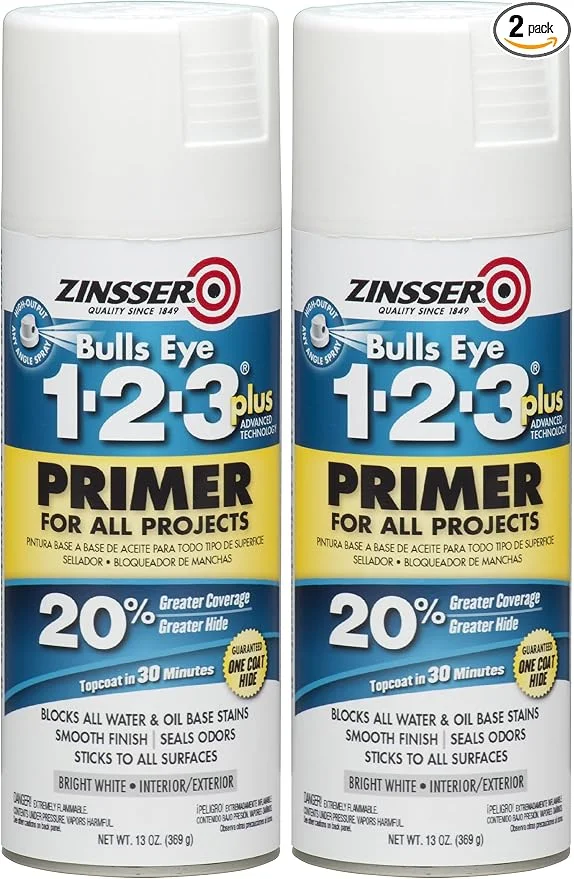 |
Zinsser Bulls Eye 1-2-3 Plus Stain-Blocking Primer – $21.96 This is the single most important product in this whole job – it’s what stops cedar’s tannins from bleeding through your white paint.
|
Cedar’s rot-resistance comes from natural oils and tannins in the wood – the same compounds that make cedar durable outdoors also bleed through an ordinary finish over time. Skip a proper stain-blocking primer and those tannins will eventually show through white paint as brown or amber staining, sometimes months after the job looked perfect.
- Back-prime hidden faces too, not just the visible surface – priming only the front lets moisture move through the unprimed back/edges of boards, which is a common, avoidable cause of peeling on painted cedar siding specifically.
- Let primer cure fully per the label before topcoating – rushing this step is a common cause of adhesion failure.
Preparing Cedar For Painting
- Clean thoroughly with mild soap and water, then let it dry completely – trapped moisture under a new finish is a common cause of early failure.
- Sand with coarse-then-fine grit sandpaper, working with the grain, to smooth rough spots and give the primer something to grip.
- Wipe away all dust with a damp cloth before priming – dust under a finish shows as texture and weakens adhesion.
- Address any existing stains, mildew, or old peeling paint before moving forward – primer covers, but doesn’t fix, an unprepared surface.
Choosing And Applying The Paint
- Acrylic latex paint is the standard recommendation for painted cedar – durable, flexible enough to handle the wood’s seasonal movement, and easier cleanup than oil-based topcoats.
- Satin or semi-gloss sheens resist dirt and clean easily; flat finishes look nice but show dirt and are harder to wipe clean.
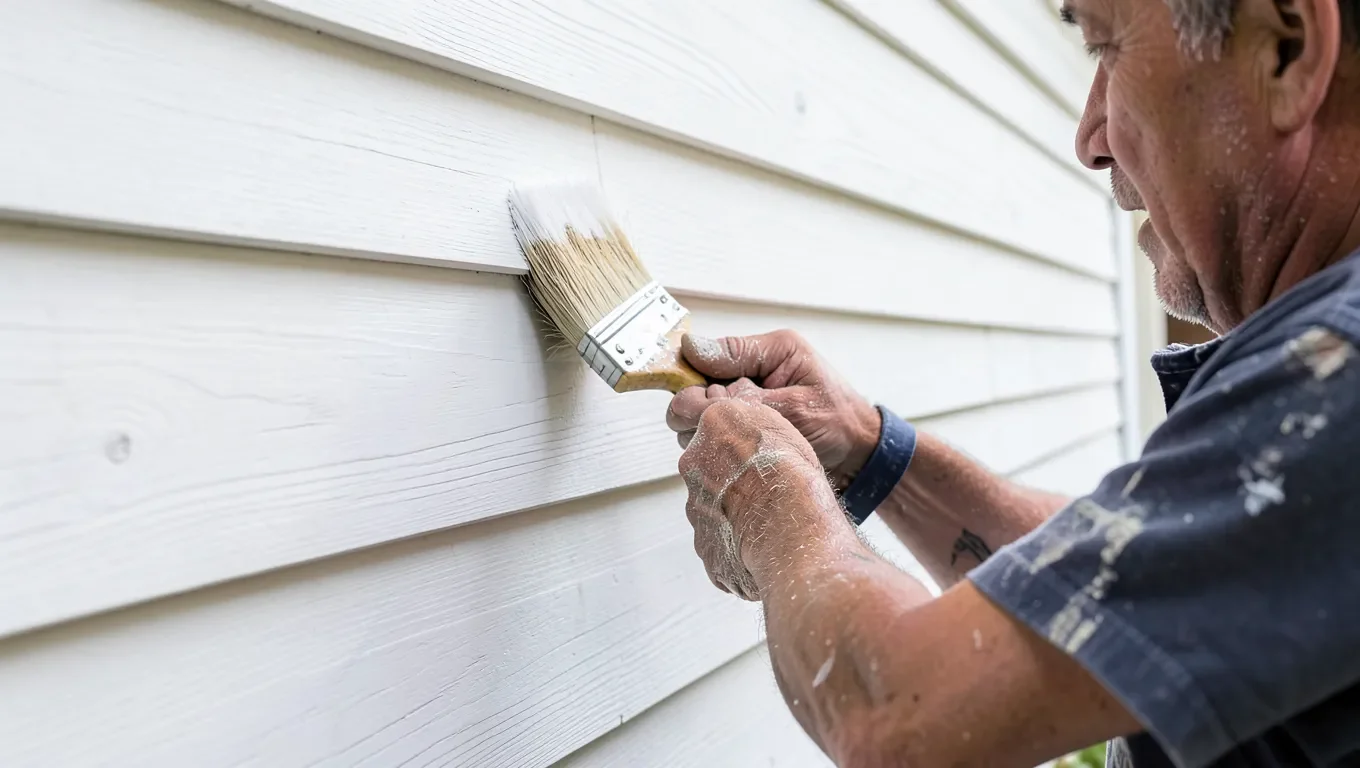
- Apply thin coats, not one thick one – cedar often needs 2 coats for full, even coverage since the first coat can soak in unevenly, especially over freshly primed wood.
- Let each coat dry fully per the label before the next – rushing between coats is a common cause of a soft, easily damaged final finish.
Preventing And Fixing Peeling
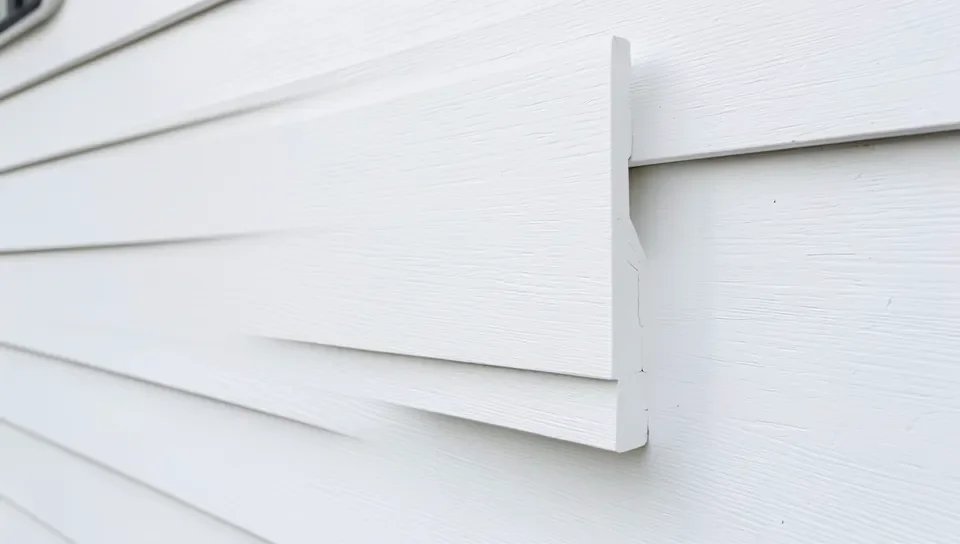
- Peeling on painted cedar is usually a moisture or prep problem, not a paint-quality problem – unprimed back faces, skipped stain-blocking primer, or painting over an unclean/damp surface are the real usual causes.
- If peeling has already started, scrape and sand back to sound wood/primer, re-prime the exposed area with a stain-blocking primer, then repaint – don’t just paint over existing peeling.
- Inspect painted cedar twice a year and touch up small chips promptly, before moisture gets behind the finish at that spot.
Frequently Asked Questions
Can Cedar Be Painted White?
Yes. The step that actually determines whether it lasts is a stain-blocking primer – cedar’s natural tannins bleed through ordinary primer over time, showing as brown or pink staining under the paint.
Why Does Paint Peel On Painted Cedar?
Usually a moisture or prep problem, not a paint-quality issue – common causes are skipping the stain-blocking primer, not back-priming hidden faces, or painting over a damp/unclean surface.
What Type Of Paint Is Best For Cedar?
Acrylic latex paint over a stain-blocking primer is the standard recommendation – durable, flexible enough for cedar’s seasonal movement, and easier cleanup than oil-based topcoats.
Conclusion
Painting cedar white is straightforward once you get the sequence right: clean, sand, apply a real stain-blocking primer (including the hidden back faces), then two thin coats of acrylic latex paint. The primer step is what actually separates a paint job that lasts from one that stains through and peels within a year.
Sponsored / affiliate links. As an Amazon Associate I earn from qualifying purchases. I may earn additional commission from eligible campaigns.