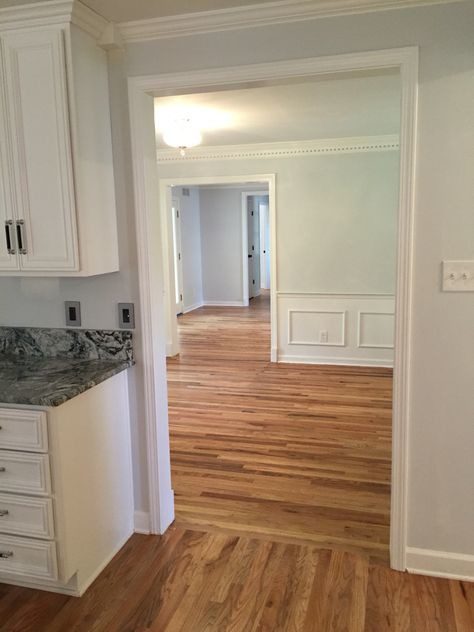
Changing Direction of Wood Flooring: Room Transition Tips
Imagine walking through your home, feeling the seamless flow of your beautiful wood flooring underfoot. But what happens when you step into a room and the direction of the wood changes?
Does it disrupt the harmony or add a unique touch? The way you choose to lay your wood flooring between rooms can significantly impact the overall aesthetic and feel of your space. It’s a decision that combines art and function, and it’s one you’ll want to get right.
We’ll dive into the fascinating world of wood flooring direction changes. You’ll discover how this simple choice can transform your home, creating visual interest and guiding the eye. We’ll explore why this matters for not just the look, but the feel of your living space. Whether you’re renovating or building new, understanding these strategies can help you make informed decisions that resonate with your personal style. Stay with us to unlock the secrets of wood flooring direction, and see how it can elevate your home’s design to a whole new level.
Credit: www.houzz.com
Benefits Of Changing Wood Flooring Direction
Changing the direction of wood flooring can enhance your home’s look. It creates a unique and dynamic appearance in each room. Different directions can make a room feel larger or smaller. It adds a touch of style and variety. This can be very appealing to the eyes.
Aligning floors with natural light increases brightness. Rooms appear more inviting and warm. This approach can also highlight special features. Like a fireplace or a large window. It’s a clever way to draw attention.
Changing direction can help with practical issues. Hides imperfections or uneven surfaces well. It offers an easy fix to small problems. A simple yet effective technique.
Factors Influencing Direction Change
Small rooms need careful planning for flooring direction. Large rooms allow more flexibility. Odd-shaped rooms might need creative solutions. The shape can guide how the flooring lines up. Rectangular rooms often have the flooring run parallel to the longer wall. Square rooms may offer more options. Consider how the room size impacts visual flow.
Light affects how wood looks. Natural light highlights textures and colors. Flooring direction can change how light spreads. Windows and doors influence this choice. Think about how sunlight enters the room. Flow between rooms should feel natural. Flooring can guide the eye and movement.
Personal taste matters in flooring direction. Patterns and styles set the mood. A diagonal layout can add interest. Consistency in design helps rooms connect. Some designs make spaces seem larger. Contrast can highlight special areas. Choose a direction that fits your style.
Techniques For Seamless Transitions
Transition stripshelp to connect floors between rooms. They can be metal, wood, or plastic. These strips hide gaps between floors. They make floors look neat and tidy. Choose a strip that matches your floor color. It should also be strong and durable. Measure the gap before buying a strip. Install it carefully to avoid bumps or gaps.
Borders can make room changes look stylish. Use different wood colors to make borders. This gives a nice frame to the floor. Borders can be simple or have designs. They can match walls or furniture. Borders make rooms look bigger and more elegant. Plan your border design before starting. This helps avoid mistakes.

Credit: www.pinterest.com
Common Mistakes To Avoid
Room function affects floor direction. Bedrooms need calm and quiet. Living rooms need space and flow. Ignoring these needs makes rooms feel odd. Think of each room’s use before laying floors.
Subfloor matters for wood floors. A bad subfloor can cause noise or cracks. Check subfloors before starting. Fix any issues first. This helps wood floors last longer.
Not all wood types work together. Some wood expands with moisture. Others shrink. Mixing different woods can cause gaps or swelling. Choose materials that fit well together for best results.
Expert Tips For A Smooth Installation
Plan the wood flooring layout before starting. This helps avoid mistakes. Use a simple sketch on paper. Mark where each board goes. This way, everything fits well. Direction matters. It affects the room’s look. Boards can go straight or diagonally. Choose what looks best. Planning saves time and effort later.
Leave the wood in the room before installing. This is acclimation. Wood needs time to adjust to room temperature. 24 to 48 hours is good. This stops the wood from bending later. Humidity and temperature can change wood shape. Proper acclimation helps avoid problems. Remember, wood is natural and reacts to climate.
Ask professionals if unsure about installation. They have experience and knowledge. They can give useful advice. Professional help can save money and prevent errors. Installers know best about wood types and tools. Sometimes it’s better to spend on expert help. It ensures a smooth and lasting finish.
Maintenance After Direction Change
Dust and dirt can harm wood floors. Use a soft broom or vacuum. Avoid using too much water. Damp mops are better than wet ones. Clean spills quickly to stop stains.
Scratches are common on wood floors. Use felt pads under furniture. Rugs can protect busy areas. Fix small scratches with a wood pen. For deep scratches, call a professional.
Polishing wood floors keeps them shiny. Do this every few months. Refinishing is needed every few years. It helps the floor last longer. Avoid harsh cleaners as they can damage wood.
Frequently Asked Questions
Should You Change The Direction Of Hardwood Flooring Between Rooms?
Changing the direction of hardwood flooring between rooms can create visual interest. It isn’t necessary but can define spaces. Consistency in direction is often recommended for a seamless flow. Consult a flooring expert to decide based on room size and layout.
Always prioritize personal preference and design goals.
Can You Lay Flooring In Different Directions In Different Rooms?
Yes, you can lay flooring in different directions in separate rooms. It enhances visual appeal and defines spaces. Ensure transitions are smooth between rooms for a cohesive look. Consider room size and light direction when planning.
How To Transition Wood Floor Between Rooms?
Use T-moldings or transition strips to bridge wood floors between rooms. Match the color and finish for cohesion. Ensure proper alignment and secure installation. Consider height differences to avoid tripping hazards. Maintain a seamless flow while allowing for natural expansion and contraction of the wood.
How To Reverse Hardwood Floor Direction?
To reverse hardwood floor direction, remove the boards, adjust the subfloor, and reinstall them in the desired direction. Ensure alignment and proper fit for seamless transition. Use appropriate tools for efficient removal and installation. This enhances aesthetics and room flow.
Consider professional help for complex layouts.
Conclusion
Switching wood flooring direction can enhance your home’s design. It offers a fresh look and defines spaces. Think about room size and shape before deciding. A consistent direction can make small rooms appear larger. Different directions can separate open areas.
Choose wisely for a harmonious flow. Your choice impacts aesthetics and functionality. Consult professionals for the best results. This ensures a pleasing transition between rooms. Ultimately, your floor should reflect your style. Make your space welcoming and beautiful.