Best Shiny Wood Floor Cleaner (And Why Vinegar Isn’t It)
A pH-neutral wood floor cleaner — Bona is the most common brand — gives a residue-free shine without risking the finish. Diluted white vinegar works occasionally, but regular, repeated use gradually dulls most finishes over years, which is why it isn’t the daily-use recommendation despite being a popular DIY tip. Ammonia, wax-based products, and oil soaps all cause their own long-term problems.
Quick Answer
For daily or weekly cleaning, use a pH-neutral, no-rinse hardwood cleaner (Bona is the standard). Diluted white vinegar is fine occasionally, but its mild acidity dulls finish with frequent long-term use. Avoid ammonia, wax products, and oil-based soaps entirely — all three cause buildup or finish damage over time.
What to Use, and What to Avoid
Best Wood Floor Cleaner Pick
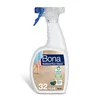
Bona Hardwood Floor Cleaner Spray, 32 fl oz
The most widely recommended pH-neutral spray cleaner for sealed hardwood — spray and mop, no rinsing needed.
- Best for: Weekly maintenance cleaning of sealed hardwood floors
- Why we picked it: pH-neutral, residue-free, the standard recommendation across flooring manufacturers
- Main drawback: Only for sealed/finished wood — not for unfinished or wax-finished floors
Compare more wood floor cleaner options
 Option 1 Zep Neutral pH Floor Cleaner, 1 Gallon
|
 Option 2 Bona Hardwood Floor Cleaner Refill, 128 fl oz
|
 Option 3 Puracy Plant-Based Wood Floor Cleaner Concentrate
|
As an Amazon Associate we earn from qualifying purchases.
| Product | Verdict | Why |
|---|---|---|
| pH-neutral hardwood cleaner (Bona, etc.) | Best for regular use | No-rinse, no residue, formulated specifically for wood finishes |
| Diluted white vinegar | OK occasionally, not daily | Mildly acidic — fine now and then, but repeated use over years dulls most finishes |
| Ammonia-based cleaners | Avoid | Dulls the finish |
| Wax products | Avoid for routine cleaning | Builds up over time and eventually requires stripping |
| Oil-based soaps | Avoid | Leaves a residue that attracts more dirt |
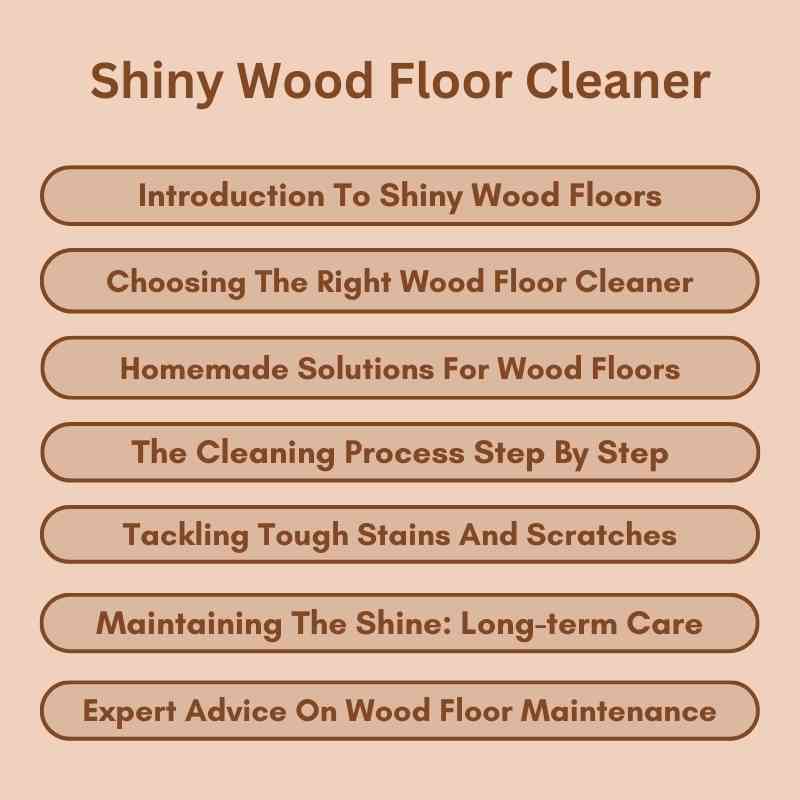
How to Clean for Maximum Shine
- Sweep or vacuum first: grit left on the floor gets ground in by the mop and can scratch the finish.
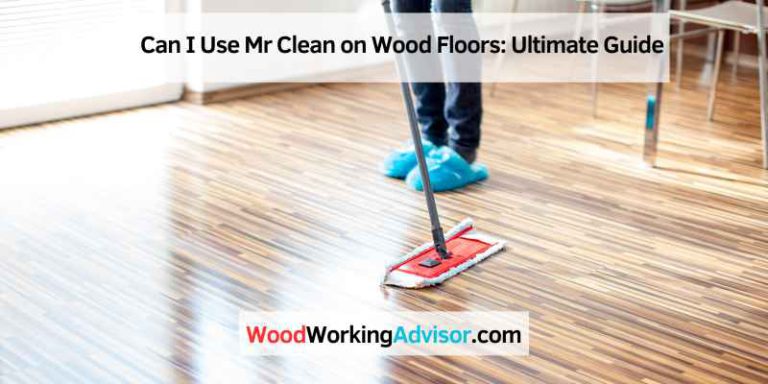
- Spray, don’t soak: a pH-neutral spray cleaner needs only a light mist, not a saturated floor.
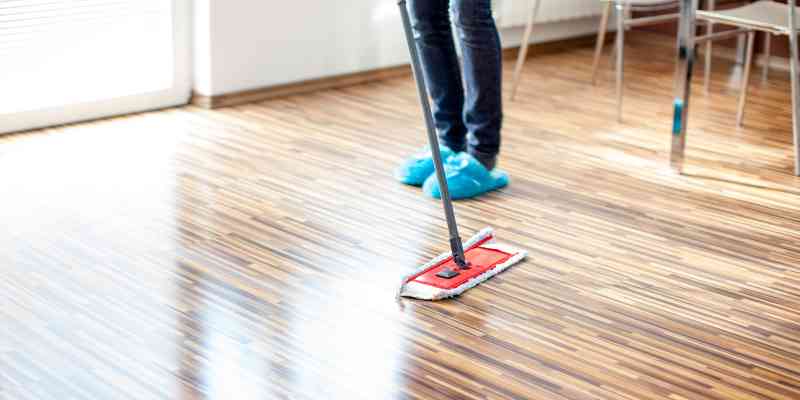
- Mop with the grain: a microfiber mop moved in the direction of the wood grain gives the most even finish.
- Let it air dry: no-rinse cleaners are designed to evaporate clean — don’t go over it again with plain water.
Handling Stains and Scratches
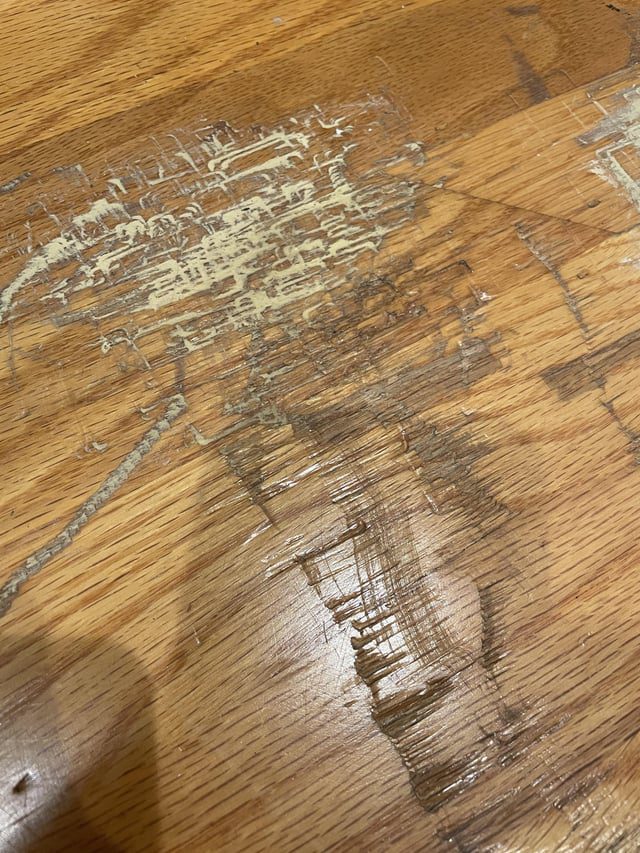
For stains, dampen a cloth with warm water and a few drops of pH-neutral cleaner, gently rub the spot, then dry with a soft cloth — avoid scrubbing hard enough to dull the surrounding finish. For scratches: a matching wood filler works for deep gouges, a scratch-cover pen blends light surface scratches, and severe or widespread damage is a sign it’s time to sand and refinish rather than keep patching.
Preventing Dullness Long-Term
- Use entry mats and area rugs in high-traffic zones to trap grit before it reaches bare floor.
- Felt pads under furniture legs prevent the scratches that dull a finish’s shine over time.
- Limit direct sunlight — curtains or blinds slow UV fading, which reads as dullness even on a clean floor.
- Keep humidity between 30-50% — both very dry and very humid air affect how the finish looks and wears.
When to Call a Professional
Persistent stains that don’t respond to cleaning, widespread scratches or dents, or a finish that looks worn and dull no matter what you clean it with are all signs the floor needs a professional’s assessment — likely a screen-and-recoat or full refinish rather than another round of cleaning products.
“A dull, hazy floor that’s been vinegar-mopped for years almost always brightens back up once you switch to a proper pH-neutral cleaner for a few weeks — it’s rarely the finish itself that’s actually failing.”
Frequently Asked Questions
What is the best cleaner for shiny wood floors?
A pH-neutral hardwood cleaner like Bona is the standard recommendation — no rinsing needed and no residue left behind. It’s specifically formulated to be safe for sealed wood finishes.
Can I use vinegar on shiny wood floors?
Occasionally, yes — diluted white vinegar (about 1 part vinegar to 3-4 parts water) is mildly acidic and works fine now and then. It’s not the daily-use recommendation because regular, repeated use over years can gradually dull some finishes — a pH-neutral cleaner doesn’t carry that risk.
How often should I clean my wood floors?
Sweep or vacuum a few times a week, and mop with a pH-neutral cleaner about once a week — more often in high-traffic areas. Wipe up spills immediately regardless of your regular schedule.
Do I need to rinse after cleaning wood floors?
No, with a proper pH-neutral, no-rinse cleaner. Going over the floor again with plain water afterward can actually reintroduce excess moisture, which is a bigger risk to the wood than any cleaner residue.
Conclusion
A pH-neutral, no-rinse cleaner is the reliable choice for keeping hardwood floors shiny week to week — vinegar is fine as an occasional backup, not a daily habit, since repeated acid exposure dulls finish over years. Combine the right cleaner with regular sweeping, entry mats, and prompt spill cleanup for the longest-lasting shine.
Sponsored / affiliate links. As an Amazon Associate I earn from qualifying purchases. I may earn additional commission from eligible campaigns.