Common House Termites: Identification, Prevention, and Control
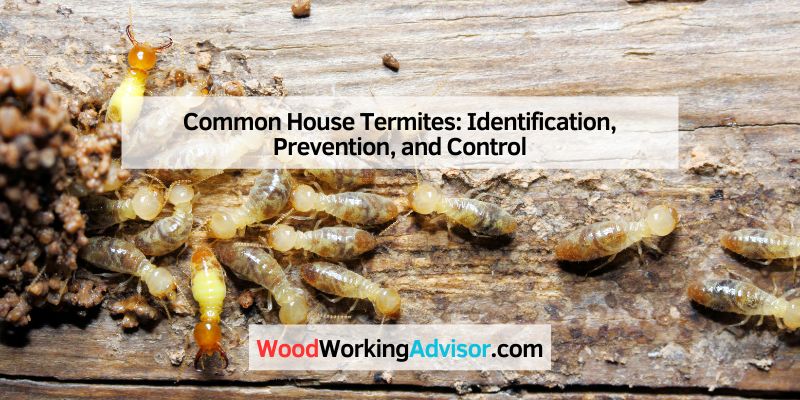
Termites are small insects that can cause big problems in your home. Knowing about common house termites is essential to protect your property.
Termites are often called “silent destroyers” because they can chew through wood, flooring, and wallpaper undetected. Homeowners may not notice their presence until significant damage occurs. These pests thrive in warm, moist environments, making many homes an ideal habitat. Understanding the types of termites that commonly invade homes helps in early detection and prevention.
By recognizing the signs and knowing what to look for, you can save your home from costly repairs. Let’s explore the world of common house termites and how to keep them at bay.

Credit: pestdefense.com
Introduction To House Termites
House termites can be a homeowner’s worst nightmare. They are small insects that can cause significant damage to wooden structures. Understanding termites is crucial to protect your home.
What Are Termites?
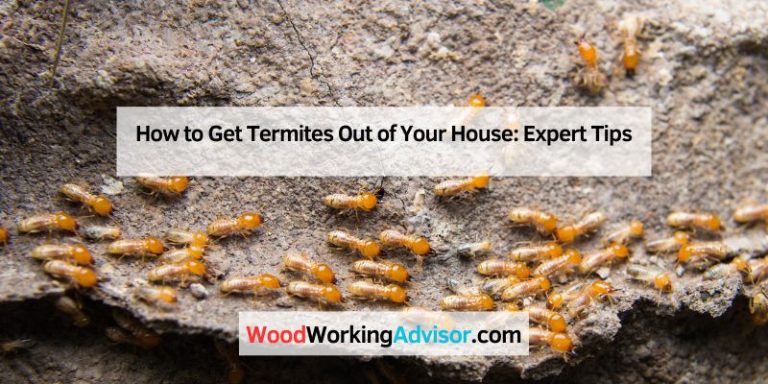
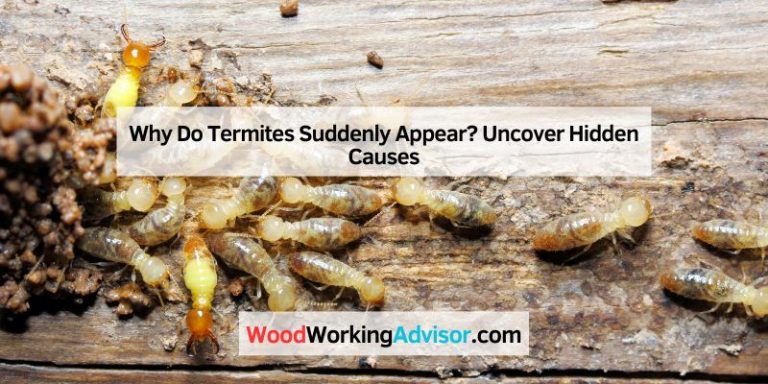
Termites are tiny insects that feed on wood and plant matter. They live in colonies and work together to find food. Termites can be found in many parts of the world. They often remain hidden, making them hard to spot.
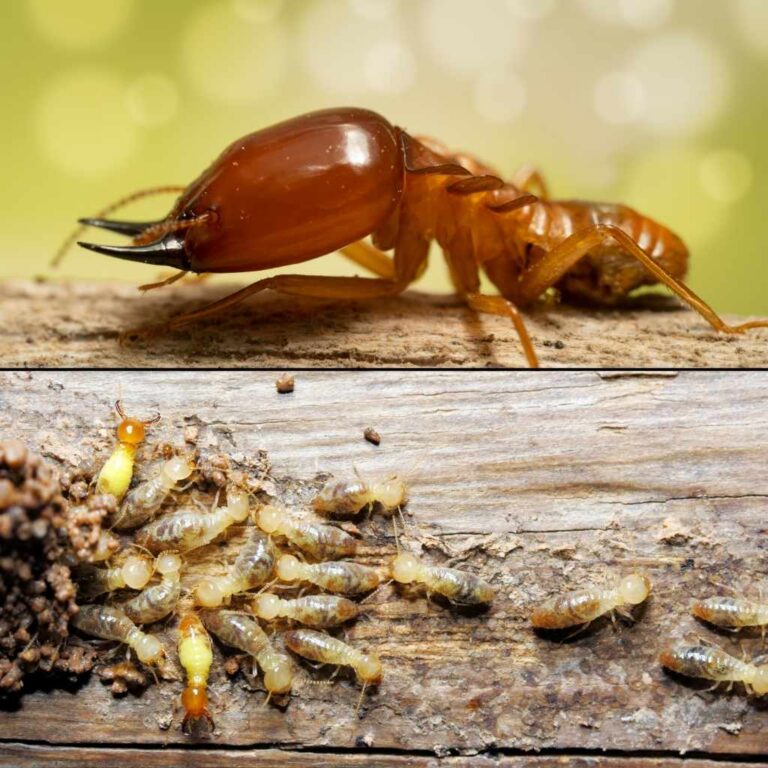
There are different types of termites, such as drywood, subterranean, and dampwood termites. Each type has unique behaviors and habitats. Identifying the type of termite is the first step in addressing the problem.
Importance Of Identification
Correctly identifying termites is essential to prevent damage. Each termite type requires a different approach for control. Misidentification can lead to ineffective treatments. This means more damage to your home.
Professional pest control services can help identify and treat termites. They use tools and knowledge to find and eliminate colonies. Early identification can save homeowners time, money, and stress.
Types Of Common House Termites
Hey friends, today we’re diving into a topic that might make your skin crawl. But it’s important. We’re talking about common house termites. These tiny pests can cause big problems if they invade your home. Knowing the different types of termites can help you spot them early. Let’s look at the most common ones you’ll find in homes.
Subterranean Termites
First up, we have subterranean termites. These guys are like secret agents. They build their nests underground and can sneak into your home through the tiniest cracks. They need moisture to survive, so they often live in soil or damp wood.
- They build mud tubes to travel from their nest to your house.
- They are the most destructive type of termite.
- Look for signs like discarded wings or mud tubes on your walls.
Drywood Termites
Next, let’s talk about drywood termites. Unlike subterranean termites, these ones don’t need soil. They live in dry wood, like the wood in your furniture or the frames of your house.
- They can be found in attics and wooden structures.
- They leave behind small piles of wood-colored droppings.
- They can spread quickly if not treated.
Dampwood Termites
Lastly, we have dampwood termites. As the name suggests, they prefer wood that is damp or decaying. They are usually found in areas with high moisture, like basements or bathrooms.
- They are larger than other types of termites.
- They don’t build mud tubes.
- Look for signs like damaged wood that feels wet or spongy.
So there you have it! Understanding the types of common house termites can help you keep an eye out for these unwelcome guests. Remember, early detection can save you a lot of trouble and money. Stay vigilant and keep your home termite-free!
Identifying Termite Infestations
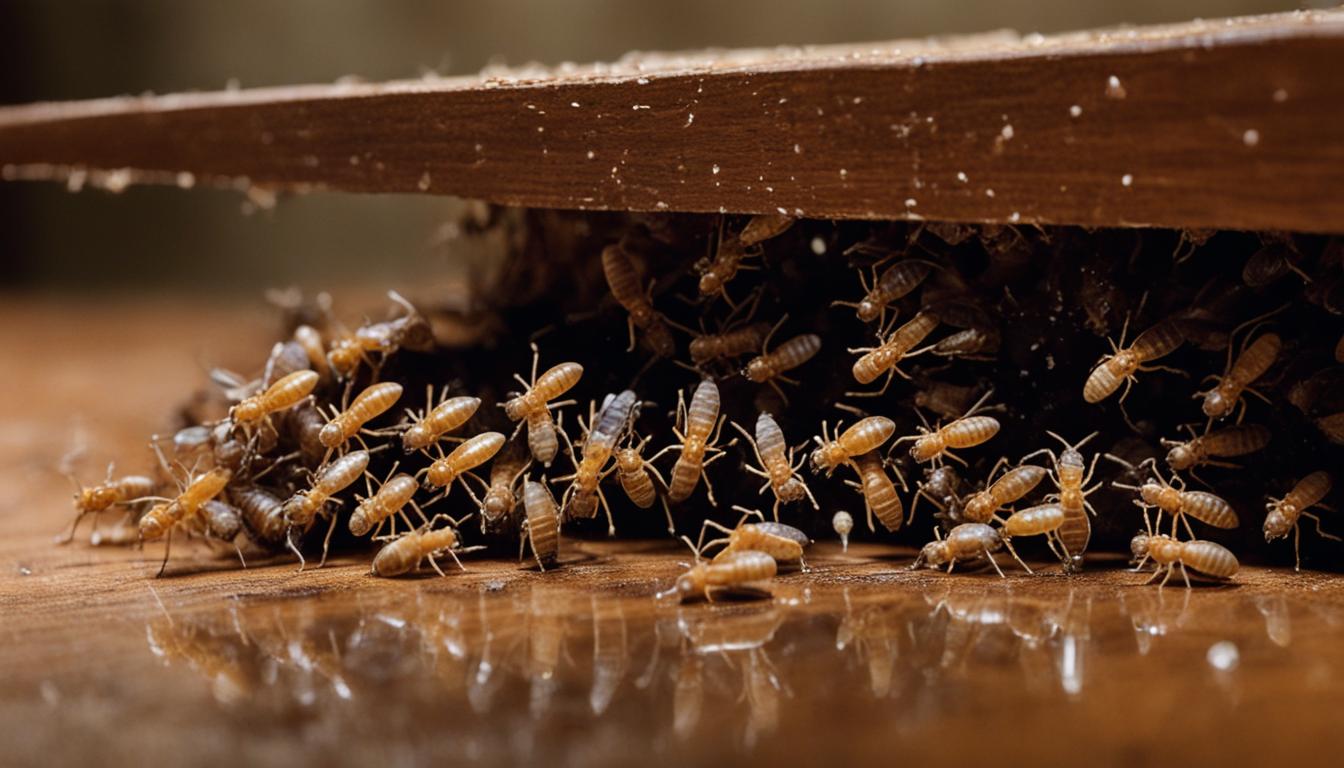
Hey friends, today we’re diving into a topic that can save you a lot of headaches: Identifying Termite Infestations. Termites are sneaky little pests that can cause serious damage to your home. Knowing how to spot them early can make a big difference. Let’s get into the details.
Signs Of Infestation
First things first, how do you know if you have termites? Look for these signs:
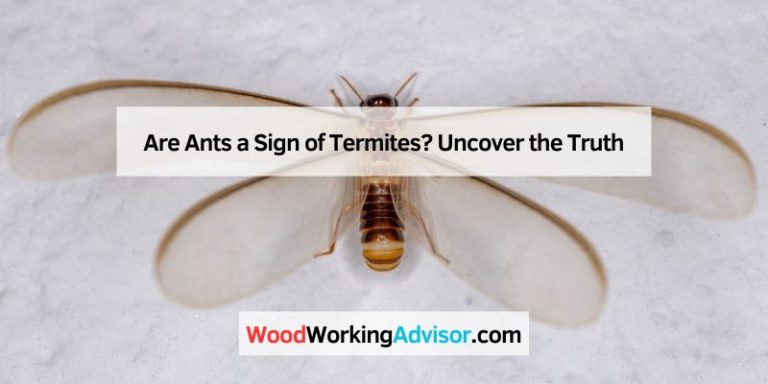
- Swarmers: These are young termites looking to start new colonies. They often appear in the spring.
- Discarded Wings: After swarmers find a place to start a colony, they shed their wings. You might find these wings near windows or doors.
- Mud Tubes: Termites build these tubes to travel between their colony and their food source. You’ll usually find them on walls or foundations.
- Wood Damage: Termites eat wood from the inside out. If you see wood that sounds hollow when tapped, it could be infested.
- Frass: This is termite droppings. It looks like tiny wood-colored pellets and can be found near infested wood.
Damage Assessment
So, you’ve found some signs of termites. Now what? It’s time to assess the damage. Here’s how:
- Inspect Wooden Structures: Check beams, floorboards, and other wooden parts of your home. Look for hollow sounds or visible damage.
- Check for Mud Tubes: These tubes are usually on walls, foundations, and even in crawl spaces. Break a piece of the tube and see if the termites are inside.
- Look for Bubbling Paint: Termites can cause moisture buildup, leading to bubbling or uneven paint.
- Examine Outdoor Wood: Don’t forget to check fences, decks, and any wooden structures outside your home.
It’s important to act fast. Termite damage can get worse over time, making repairs more costly. I remember when I first discovered termites in my home. I saw a few discarded wings near my window and immediately knew I had to take action. I called a professional, and they helped me get rid of the termites before they caused significant damage.
Remember, the key is to stay vigilant. Regularly check your home for these signs, and you can catch an infestation before it becomes a big problem. Stay safe and termite-free!

Credit: www.pacificcoasttermite.com
Preventing Termite Infestations
Termites can cause a lot of damage to your home. It’s important to take steps to prevent them from invading. Luckily, there are simple things you can do to keep termites away. Today, I’ll share some tips that will help you protect your home from these pesky insects.
Home Maintenance Tips
Good home maintenance is key to keeping termites out. Here are some easy things you can do:
- Inspect your home regularly: Look for signs of termite damage, like hollow wood or mud tubes.
- Seal cracks and gaps: Make sure there are no openings around your home’s foundation, doors, and windows.
- Store firewood away from your house: Termites love wood. Keep firewood and other wood materials at least 20 feet away from your home.
- Use termite-resistant materials: When building or renovating, use materials that termites don’t like, such as metal or concrete.
Moisture Control
Termites are attracted to moisture. Keeping your home dry can help prevent infestations. Here’s how you can control moisture:
- Fix leaks immediately: Leaky pipes or faucets can create damp areas that attract termites. Repair any leaks as soon as you find them.
- Ensure proper drainage: Make sure water flows away from your home’s foundation. Clean gutters and downspouts regularly.
- Use a dehumidifier: In humid areas, a dehumidifier can help keep the air dry and reduce moisture inside your home.
- Ventilate crawl spaces: Good air circulation in crawl spaces can prevent moisture buildup. Install vents or fans if necessary.
Following these tips can help you keep termites at bay. Remember, regular inspections and maintenance are your best defense against these destructive pests. Protect your home with these simple steps, and you can enjoy a termite-free environment.
Natural Termite Control Methods
Hey friends, dealing with termites can be a real headache. But the good news? You don’t always have to rely on harsh chemicals. There are natural ways to keep these pesky critters at bay. Let’s dive into some simple, yet effective methods to control termites naturally.
Biological Controls
One way to fight termites is by using their natural enemies. Sounds interesting, right? Here are a few examples:
- Nematodes: These tiny worms are like termite warriors. They hunt and kill termites. You can buy them online and release them into your garden.
- Beetles: Some beetles love to munch on termites. Introducing these beetles to your yard can help keep the termite population down.
- Birds: Birds, like woodpeckers, eat termites. Encouraging birds in your garden can naturally reduce termites.
Using biological controls is like having nature work for you. It’s safe and eco-friendly.
Physical Barriers
Another smart way to keep termites out is by using physical barriers. Think of it as building a fortress around your home. Here’s how:
- Sand Barriers: Termites have a hard time moving through sand. Laying a thick layer of sand around your home can block them out.
- Steel Mesh: Placing steel mesh in the foundations of your home can prevent termites from entering.
- Basaltic Rock: This type of rock is tough for termites to chew through. Using it as a barrier can protect your home.
Physical barriers are like having a shield. They stop termites before they can even get close to your house.
Using these natural methods can save you a lot of trouble. And the best part? They are safe for you, your family, and the environment. So, give them a try and keep those termites away!
Chemical Termite Treatments
Hey friends, dealing with termites can be tough. These pesky insects can cause a lot of damage to your home. But don’t worry, there are ways to fight back! One effective method is through chemical treatments. Today, we’ll talk about two main types: termiticides and bait systems. Let’s dive in!
Termiticides
Termiticides are chemicals designed to kill termites. Think of them as a shield for your home. They create a barrier around your house that termites can’t cross. There are two types of termiticides: repellent and non-repellent.
- Repellent Termiticides: These chemicals keep termites away. They sense the repellent and avoid it. It’s like a “Do Not Enter” sign for termites.
- Non-Repellent Termiticides: These are sneakier. Termites can’t detect them. They walk right through, get exposed, and carry the poison back to their colony. It’s a silent killer.
Termiticides can be applied in different ways. You might spray them around your home’s foundation. Or, you could inject them into the soil. Either way, they form a protective barrier. Simple, right?
Bait Systems
Bait systems work a bit differently. Think of them like a trap. Here’s how they work:
- First, you place bait stations around your home.
- Next, termites find the bait and start eating it.
- Then, they carry the poisoned bait back to their colony.
- Finally, the colony is exposed to the poison and starts to die off.
Bait systems are great because they target the entire colony. Not just the termites you see. Plus, they are less intrusive. You don’t need to spray chemicals around your home. Just set the bait and let it work.
Using a combination of termiticides and bait systems can be very effective. It’s like having both a shield and a sword. You protect your home and attack the termites at the same time.
So, if you’re dealing with termites, consider these options. They might just save your home from a lot of damage. And remember, always follow the instructions carefully. Safety first!
Professional Pest Control Services
Professional pest control services provide effective solutions for common house termites. These services use advanced methods to ensure your home stays termite-free. Experts can locate termite colonies, apply treatments, and prevent future infestations.
When To Call A Professional
Homeowners should contact a professional at the first sign of termites. Look for discarded wings, mud tubes, or damaged wood. Termites can cause significant damage if not addressed quickly. Professionals can assess the situation and recommend the best treatment options.
Choosing A Reliable Service
Choose a service with a good reputation. Look for reviews and ask for references. Ensure the company is licensed and insured. Reliable pest control services use safe and effective methods. They should provide a clear plan and answer all your questions.
Credit: www.actiontermitecontrol.com
Long-term Termite Management
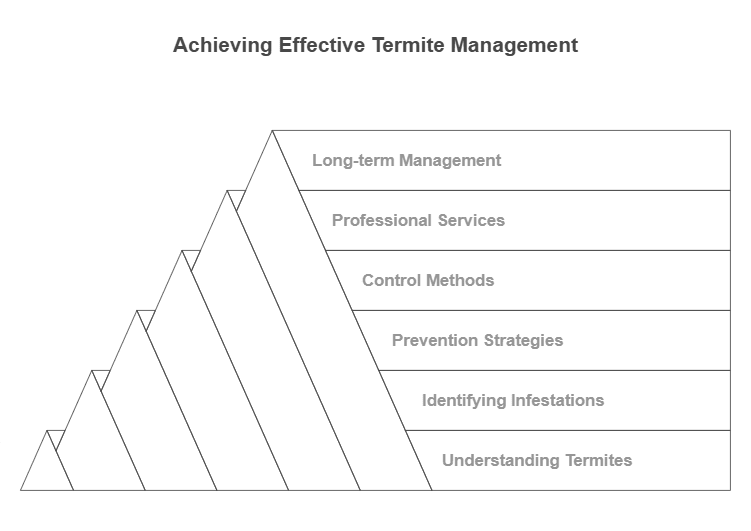
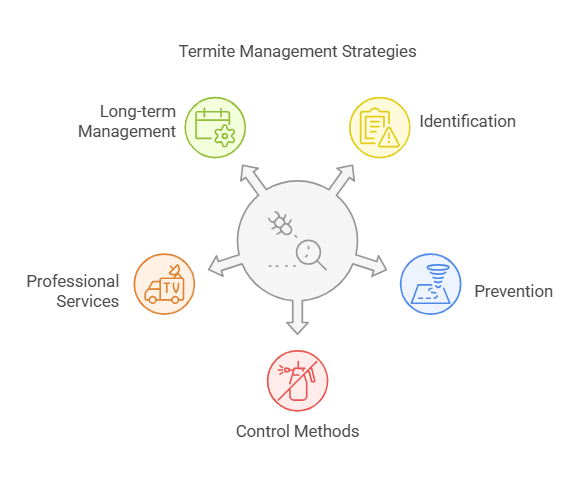
Termites can cause significant damage to homes. Effective long-term management is essential. This means using various strategies to prevent infestations. Regular inspections and integrated pest management are key components.
Regular Inspections
Regular inspections help spot termite activity early. Schedule inspections at least once a year. Hire a professional inspector for thorough checks. They know where termites hide. Early detection saves you money. It also prevents extensive damage.
Integrated Pest Management
Integrated Pest Management (IPM) combines different control methods. It aims to reduce pest damage with minimal harm. Use biological, physical, and chemical controls. Biological controls include introducing natural predators. Physical controls involve barriers and traps. Chemical controls use safe, approved pesticides. This holistic approach ensures long-term termite control.
Frequently Asked Questions
Should I Be Worried If I See A Termite In My House?
Yes, you should be concerned. Termites can cause significant damage to your home. Contact a pest control professional immediately.
Is It Safe To Sleep In A House With Termites?
Sleeping in a house with termites is generally safe for humans. Termites don’t harm people directly. However, they can cause structural damage, which might lead to safety concerns over time. Regular inspections and prompt treatment are essential to ensure your home remains safe.
Which Termites Are Most Common?
Subterranean termites are the most common. They build colonies in soil and can cause significant damage to structures.
Is It Safe To Live In A House With Termites In Your?
Living in a house with termites is unsafe. Termites weaken the structure, posing risks of collapse and health hazards.
Conclusion
Termites can cause significant damage to your home. It’s crucial to identify them early. Regular inspections help prevent infestations. Keep wood away from your home’s foundation. Moisture attracts termites, so fix any leaks promptly. Use termite-resistant materials where possible. Consider professional pest control services for severe problems.
Protect your home and save on costly repairs. Stay vigilant and take action swiftly. Your home’s safety depends on it.