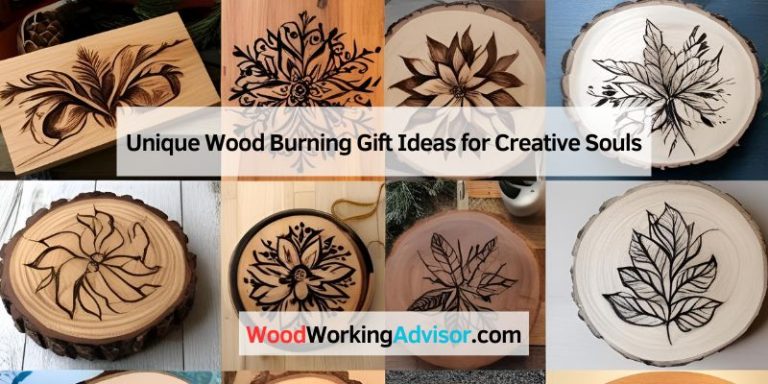
Creative Wood Burning Designs for Beginners
Wood burning is an ancient craft that brings designs to life on wood. For beginners, it offers a unique way to create beautiful art pieces with simple tools.
Starting with wood burning can be both exciting and a bit daunting. This creative hobby lets you turn plain wood into intricate designs. With the right guidance, beginners can make stunning pieces of art. The process involves using a heated tool to burn patterns into the wood.
This creates dark, textured designs. It’s a relaxing and rewarding craft. Plus, it doesn’t require many expensive tools. Whether you want to make gifts or decorate your home, wood burning is a versatile skill. Dive in and discover the joy of creating with fire and wood.
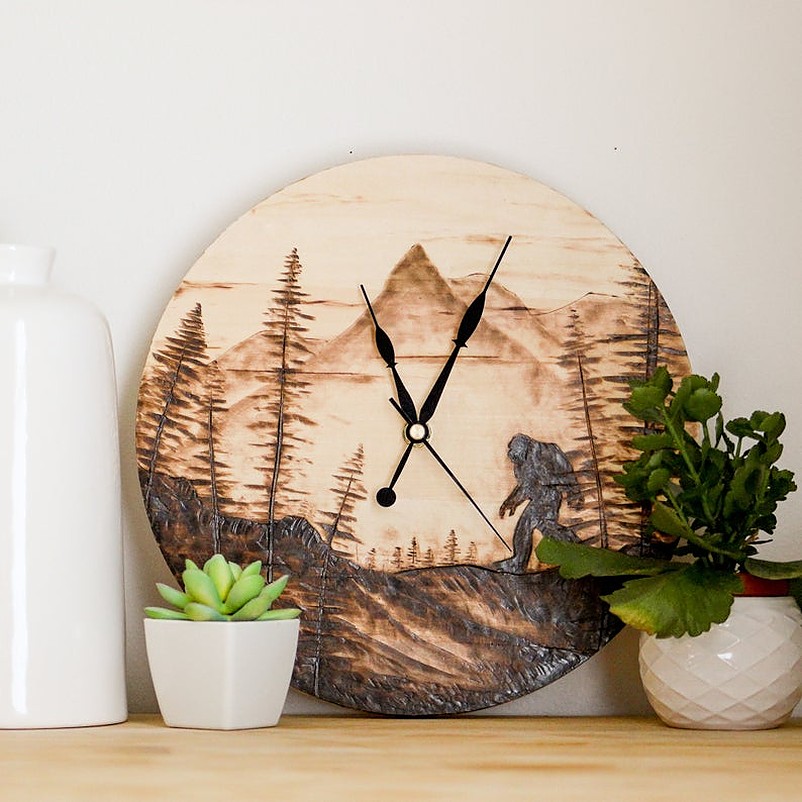
Credit: www.fbpd.org
Introduction To Wood Burning
Have you ever admired the intricate designs on wooden objects and wondered how they were made? Welcome to the world of wood burning! It’s a fun and creative way to add unique designs to wooden items. Even beginners can create stunning artwork with a bit of practice.
What Is Wood Burning?
Wood burning, also known as pyrography, is the art of decorating wood by burning designs into it. You use a heated tool to burn patterns, letters, or images onto a wooden surface. The heat changes the color of the wood, creating contrast and depth.
A basic wood burning kit usually includes a pen-like tool with different tips for various effects. Beginners can start with simple designs like hearts, stars, or geometric shapes. As you gain confidence, you can try more complex patterns.
History Of Wood Burning
Wood burning has been around for centuries. Ancient cultures used heated tools to create decorative patterns on wooden objects. It was a way to add beauty and personal touch to everyday items.
In the past, people used metal rods heated in a fire to burn designs into wood. Today, we have electric tools that make the process easier and more precise. Despite the technological advances, the basic concept remains the same.
Wood burning is not just a hobby; it’s an art form with deep historical roots. It connects us to our past and allows us to express our creativity in a timeless way. Have you ever tried wood burning? If not, why not give it a shot and create something truly unique?
Remember, the key to success is practice and patience. Start with simple designs and gradually move on to more intricate ones. Happy burning!
Essential Tools And Materials
Starting your journey into wood burning can be both exciting and rewarding. However, to create stunning designs, you need the right tools and materials. Let’s dive into the essentials you’ll need to get started.
Basic Tools
First and foremost, you need a wood burning tool. This is your primary instrument for creating designs. Look for a tool with adjustable temperature settings, as different woods require different levels of heat.
A set of interchangeable tips is also crucial. These tips come in various shapes and sizes, allowing you to create intricate patterns and textures. You can find tips for shading, fine lines, and broad strokes.
Safety gear is essential too. Invest in a pair of heat-resistant gloves and a mask to protect yourself from smoke and fumes. A sturdy work surface and good lighting will also improve your precision and comfort.
Choosing The Right Wood
The type of wood you use significantly affects your design’s outcome. Soft woods like pine and basswood are ideal for beginners. They are easy to burn and show clear lines.
Avoid using treated or painted wood. Chemicals in treated wood can produce harmful fumes when burned. Stick to natural, untreated wood for a healthier and safer experience.
Consider the grain and texture of the wood. Smooth surfaces are easier to work with and produce cleaner lines. Rough wood can be challenging but adds a rustic touch to your designs.
Ready to start your wood burning adventure? What designs are you excited to try first? Share your thoughts and let’s inspire each other in this creative journey!
Safety Precautions
Use protective gloves and eyewear to prevent burns and eye injuries when creating wood burning designs. Work in a well-ventilated area to avoid inhaling harmful fumes.
When you’re starting with creative wood burning designs, safety should be your top priority. It’s easy to get caught up in the excitement of creating beautiful patterns, but taking the necessary precautions can prevent accidents and ensure a smooth crafting experience. Let’s dive into some crucial safety tips to keep in mind. ###
Protective Gear
Wearing the right protective gear can make a huge difference. Always use heat-resistant gloves to protect your hands from burns. Safety goggles are essential to shield your eyes from any stray wood particles or sparks. A dust mask will help you avoid inhaling harmful fumes, especially if you’re working with treated wood. Long sleeves and an apron can add an extra layer of protection. Remember, it’s better to be over-prepared than under-protected. ###
Workspace Setup
Your workspace setup plays a significant role in maintaining safety. Ensure you have a stable, non-flammable surface to work on. A wooden or metal table works great, but avoid plastic or cloth surfaces that can catch fire easily. Keep your tools organized and within reach. This minimizes the need to move around and reduces the risk of accidental burns. Always have a fire extinguisher nearby, just in case. Proper ventilation is also critical.
Use a fan or work near an open window to disperse any fumes. Cleanliness matters too—keep your workspace free from clutter and flammable materials. What additional safety measures do you take while crafting? Share your tips and help others create safely!
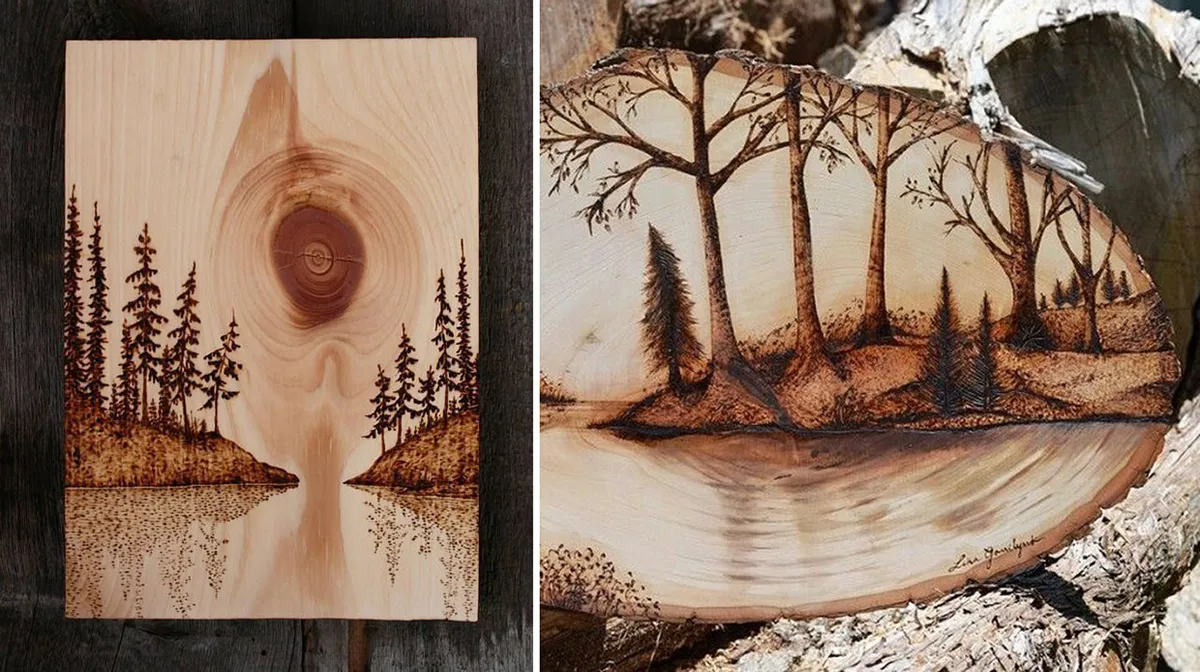
Credit: www.gathered.how
Getting Started With Simple Designs
Discover the art of wood burning with easy-to-follow designs for beginners. Create beautiful, simple patterns on wood surfaces using basic tools. Start your creative journey today!
Getting started with simple wood burning designs can be both exciting and rewarding. As a beginner, you may feel a bit overwhelmed by the variety of tools and techniques available. However, you can create stunning pieces with just a few basic designs. Let’s dive into the essentials, breaking down basic techniques and starter patterns to get you off to a great start.
Basic Techniques
First, you need to familiarize yourself with the wood burning tool. Practice holding the tool like a pen, ensuring you have a steady grip. This helps you control the heat and pressure. Tip: Start with a lower heat setting to avoid burning the wood too quickly. Next, practice making simple lines and shapes on a scrap piece of wood. Focus on straight lines, curves, and dots. These basics will form the foundation of your designs. Lastly, always work in a well-ventilated area. Wood burning produces smoke, and you want to ensure you’re breathing fresh air. This keeps you safe and focused on your art.
Starter Patterns
To make your first designs, use easy and repetitive patterns. Think about geometric shapes like squares, triangles, and circles. These can be turned into beautiful borders or simple focal points. Example: Create a border of small triangles around the edges of a wooden coaster. Another great pattern for beginners is the leaf design. Start with a simple line and add small, curved lines on either side to represent leaves.
You can expand this into a floral pattern as you gain confidence. Lastly, don’t be afraid to make mistakes. Every error is a learning opportunity. Keep a positive mindset and celebrate your progress, no matter how small. What simple design will you try first? Get your tools and start creating today!
Creating Detailed Artwork
Discover the joy of creative wood burning designs for beginners. Start with simple patterns and gradually create more detailed artwork. Enjoy this relaxing and rewarding hobby.
Creating detailed artwork in wood burning can be a rewarding and therapeutic activity. This section will guide you through the essential techniques to enhance your wood burning projects with intricate details. Whether you’re a beginner or someone looking to refine your skills, these techniques will help you achieve impressive results.
Shading Techniques
Shading adds depth and dimension to your wood burning art. Start by adjusting the temperature of your wood burning tool. A lower temperature will create lighter shades, while a higher temperature will produce darker tones. Practice making light and dark areas on a scrap piece of wood. This will help you understand how different temperatures affect the shading. Use a soft, steady hand to gradually build up the shades. Another technique is layering. Burn the surface lightly first, then go over it again to darken certain areas. This creates a gradient effect, making your artwork look more realistic. Experiment with different angles and pressure to see how they influence the shading.
Adding Texture
Texture can bring your wood burning designs to life. Think about the natural textures you see around you, like tree bark, animal fur, or even fabric. Replicating these in your artwork can add realism and interest. Use different tips on your wood burning tool to create various textures. A fine point can be used for tiny details, while a flat tip can create broader strokes. Combining these can give a rich, detailed texture to your designs. Consider using a stippling technique.
This involves making small dots or short strokes to build up texture. It’s perfect for adding details like the roughness of a stone or the softness of a feather. Finally, don’t forget to experiment. Every piece of wood is different, and your technique will evolve with practice. Remember, the more you practice, the more confident you will become in creating detailed wood burning artwork.
What other textures can you think of adding to your designs? How will shading change the way your art is perceived? Engage with these techniques and start creating your masterpiece today.
Incorporating Color
Adding color to your wood burning designs can elevate your artwork from simple to stunning. While the natural look of burnt wood is beautiful, a splash of color can highlight details and make your piece truly unique. If you’re a beginner, understanding different ways to add color can open up a whole new world of creativity.
Types Of Wood Stains
Wood stains are a fantastic way to add depth and color to your wood burning projects. They come in various shades, from light oak to deep mahogany, allowing you to achieve different effects.
Water-based stains are great for beginners. They are easy to apply, clean up with water, and are less toxic. Oil-based stains, on the other hand, penetrate deeper and last longer, but they require more effort to clean up.
Consider testing stains on a scrap piece of wood first. This helps you see how the stain interacts with your burn marks and the wood grain. It’s a small step that can save a lot of frustration.
Painting Tips
Painting on wood burning designs can be as simple or as intricate as you want. Acrylic paints are a popular choice because they dry quickly and come in a wide range of colors. They are also water-soluble, making them easy to work with.
Use fine-tipped brushes for detailed work. This allows you to add color precisely where you want it without covering up your burn lines. Remember to start with light colors first, then layer darker colors on top.
Don’t be afraid to mix colors. A simple gradient or ombre effect can add a lot of interest to your design. Practice on a scrap piece before committing to your final piece.
Have you tried adding color to your wood burning designs? What challenges did you face, and how did you overcome them? Share your experiences and tips in the comments below!
Personalizing Your Designs
Personalizing your wood burning designs can make your projects unique and special. Adding custom touches like patterns or monograms gives a personal touch. This can set your work apart and make it more meaningful.
Custom Patterns
Creating custom patterns lets you explore your creativity. Start with simple shapes. Try circles, lines, or dots. These can form beautiful designs. Combine different shapes to create complex patterns. Look around for inspiration. Nature, textiles, and art can spark ideas. Practice on scrap wood first. This helps improve your skills and build confidence. Custom patterns make each piece unique. They also tell a story through design.
Monogramming Ideas
Monogramming adds a personal touch to wood burning projects. Choose initials or a full name. Use different fonts for variety. Bold letters stand out. Cursive letters add elegance. Experiment with size and placement. Centered letters look classic. Off-center letters can be modern. Try adding borders or flourishes. These add detail and interest. Monogrammed items make great gifts. They show thought and care. Personalizing with monograms makes each piece special.
Troubleshooting Common Issues
Starting your journey in wood burning can be both exciting and challenging. As a beginner, you may encounter some common issues. Here, we’ll discuss practical solutions to help you overcome these hurdles and improve your wood burning skills.
Avoiding Burn Marks
One of the most common issues is unwanted burn marks. These can occur if you apply too much pressure or stay in one spot for too long. To avoid this, keep your hand steady and use gentle, even strokes.
Another tip is to practice on a scrap piece of wood before working on your final design. This helps you get a feel for the right amount of pressure to apply.
Ensure your wood is properly sanded before you start. Rough surfaces are more prone to burn marks, so smooth out any imperfections first.
Fixing Mistakes
Mistakes happen, even to the best of us. If you make a small error, you can lightly sand the area to remove the unwanted mark. Use fine-grit sandpaper for best results.
For larger mistakes, consider incorporating the error into your design. Sometimes a creative adjustment can turn a mistake into a unique feature.
You can also use a sharp craft knife to carefully scrape away thin layers of wood. This technique requires a steady hand, but it’s effective for minor corrections.
Have you ever encountered these issues in your wood burning projects? What solutions have worked best for you? Share your experiences in the comments below!

Credit: www.amazon.com
Frequently Asked Questions
How To Burn Custom Designs Into Wood?
To burn custom designs into wood, use a wood-burning tool. Draw your design, heat the tool, and carefully trace the lines.
What Is The Difference Between Pyrography And Wood Burning?
Pyrography and wood burning are similar techniques. Pyrography involves creating detailed designs, while wood burning is more basic and less intricate.
What Can I Make With A Wood Burner?
You can create intricate designs on wood, personalize gifts, craft wall art, decorate wooden spoons, and make custom signs with a wood burner.
What To Seal Wood Burning Art With?
Seal wood burning art with clear polyurethane, acrylic spray, or wax polish. Ensure the surface is clean before application.
Conclusion
Exploring creative wood burning designs can be a fun journey. Start simple, practice regularly, and watch your skills grow. Use basic tools and patterns to build confidence. Soon, you will craft beautiful pieces. Remember, patience is key. Wood burning is both art and relaxation.