How to Make Custom Wood Pistol Grips: 7 Simple Steps
Custom wood pistol grips fit your hand exactly when you trace your factory grips onto a 5/8-inch blank of walnut, maple, or rosewood before cutting. A poorly shaped grip throws off trigger reach and hurts accuracy on every shot, so getting the template right matters more than the wood species you pick. This guide covers wood selection, shaping with a jigsaw or band saw, and the stain-and-clear-coat finish that protects the grip for years.
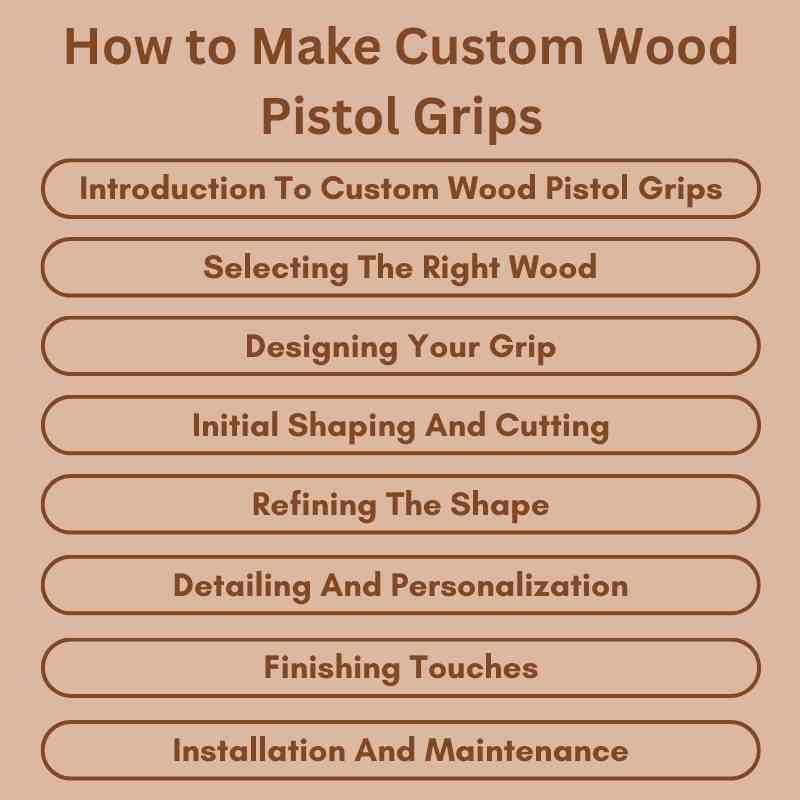
Introduction To Custom Wood Pistol Grips
Best Wood Carving Kit Pick
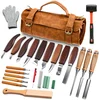
SakerNeo 25-Piece Wood Carving Kit – $56.69
Covers the small chisel this guide calls for when carving initials or a basket-weave pattern into the grip, plus a strop and stone to keep the edge sharp through the whole detailing stage.
- Best for: Carving fine details and personalizing the finished grip
- Why we picked it: Chisels, detail knives, and a sharpening stone in one kit instead of buying each separately
- Main drawback: More tools than you need if you only plan one plain grip
Compare more grip-making supplies
 Option 1 BeaverCraft Walnut Carving Blocks (10-Pack) – $39.99
|
 Option 2 Fandeli Sandpaper Assortment (36 Sheets) – $12.99
|
 Option 3 Watco Natural Danish Oil – $14.98
|
As an Amazon Associate we earn from qualifying purchases.
Custom wood pistol grips offer a unique touch to firearms. Personalized grips enhance comfort and style. Many gun owners appreciate the beauty of natural wood and craftsmanship.
Creating custom grips requires specific materials and tools. Basic wood types include walnut, maple, and mahogany. These wood types are strong and visually appealing. Essential tools include a saw, sandpaper, and a drill.
| Materials | Tools |
|---|---|
| Walnut | Saw |
| Maple | Sandpaper |
| Mahogany | Drill |
Having the right materials and tools makes the process easier. Start with a plan for your design. Measure carefully to ensure a perfect fit on your pistol.
Selecting The Right Wood
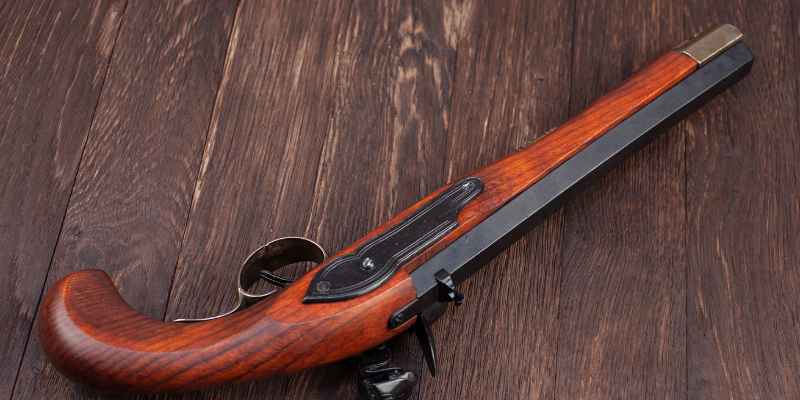
Choosing the right wood is key for custom pistol grips. Many types of wood offer unique looks and feels. Popular choices include:
- Walnut: Durable and beautiful with rich colors.
- Maple: Light in weight and has a fine grain.
- Pearwood: Known for its smooth texture and warm tones.
- Mahogany: Strong with a deep, reddish hue.
Consider durability and aesthetics when selecting wood. Hardwoods resist wear and tear better. Aesthetic appeal enhances the overall look of your grips. Choose a wood that fits your style and needs.
Designing Your Grip
Start by sketching your design on paper. Use a pencil for easy changes. Focus on the shape and contours that feel good in your hand. Consider the ergonomics for comfort and grip.
After finalizing the sketch, transfer your design to the wood. Use carbon paper for accurate tracing. Cut the wood carefully along the lines. Use a jigsaw or band saw for better control.
Sand the edges gently to smooth any rough spots. A fine-grit sandpaper will help achieve a polished finish. This process ensures your custom wood pistol grips look and feel great.
Initial Shaping And Cutting
Always wear safety goggles and ear protection when working with wood. Use a dust mask to avoid inhaling sawdust. Keep fingers away from blades and sharp tools.
Start by measuring the wood carefully. Mark the shape of the grips using a pencil. Use a jigsaw for cutting along the lines. Ensure the wood is firmly clamped down while cutting.
After cutting, use sandpaper to smooth the edges. Gradually move to finer grits for a nice finish. Test the fit often on the pistol. Adjust as needed for a comfortable grip.
Refining The Shape
Sanding is key for creating smooth wood grips. Start with a coarse grit sandpaper. Gradually move to finer grits for best results. This process helps remove any rough edges and imperfections. Make sure to sand along the grain of the wood.
Fitting the grip to the pistol is crucial. Test the fit frequently during the process. Make small adjustments to ensure a comfortable hold. A proper fit improves handling and control. Use clamps to hold the grip in place while fitting.
Detailing And Personalization
Carving details on wood pistol grips adds a unique touch. Use a small chisel for precision. Start with simple shapes like stars or hearts. Gradually try more complex patterns as you gain skill.
Adding personalized engravings makes grips special. Consider initials, names, or meaningful dates. A laser engraver gives a clean finish. Hand engraving allows for more creativity and personal flair. Choose a design that reflects the owner’s personality.
Finishing Touches
Start by applying a stain to enhance the wood’s natural beauty. Choose a color that matches your style. Use a clean cloth to apply the stain evenly. Allow it to dry completely before moving on.
Next, seal the grips with a clear coat. This protects the wood and gives it a nice shine. Apply thin layers for the best results. Let each layer dry fully before adding the next.
For a professional finish, polish the grips using fine sandpaper. This removes any imperfections and creates a smooth surface. A soft cloth can help buff the grips to a glossy sheen.
Installation And Maintenance
To attach your grips securely, use the right screws. Make sure the screws fit well. Tighten them gently to avoid damage. Check the fit regularly to keep them secure.
Maintaining your custom grips is essential for long-lasting use. Clean them often with a soft cloth. Avoid using harsh chemicals that can damage the wood. Apply a wood conditioner every few months. This keeps the wood looking fresh and prevents cracks.
Store your pistol in a dry place. This helps prevent moisture damage. Inspect your grips regularly for wear and tear. Replace any damaged parts quickly to keep your grips safe.
Frequently Asked Questions
How Do I Choose Wood For Pistol Grips?
Selecting the right wood is crucial for custom pistol grips. Popular choices include walnut, rosewood, and cherry. Each type offers unique aesthetics and durability. Consider the wood’s density, grain pattern, and finish. Test different options to find what feels best in your hand.
What Tools Do I Need For Making Grips?
You’ll need several essential tools for crafting custom grips. A bandsaw or jigsaw will help cut the wood accurately. Sandpaper and files are necessary for shaping and smoothing edges. Additionally, a drill is essential for creating screw holes. Ensure you have a measuring tape for precision.
Can I Personalize My Pistol Grips?
Absolutely! Personalizing your pistol grips is a fun aspect of the process. You can add custom designs, engravings, or unique finishes. Consider incorporating your initials or favorite symbols. This enhances your grip’s aesthetics and makes it uniquely yours.
What Finish Should I Use On Wood Grips?
Choosing the right finish enhances both appearance and durability. Options include oil, varnish, or polyurethane. Oil provides a natural look but needs regular maintenance. Varnish and polyurethane offer more protection but can alter the wood’s appearance. Test finishes on scrap wood first.
Conclusion
Custom wood pistol grips enhance both aesthetics and functionality. Crafting them allows for personal expression and improved handling. With the right tools and techniques, anyone can create unique grips tailored to their preferences. Embrace the process and enjoy the satisfaction of a finished product that truly represents you.
Happy crafting!
Sponsored / affiliate links. As an Amazon Associate I earn from qualifying purchases. I may earn additional commission from eligible campaigns.