Cutting Concrete Curb: Tips and Techniques for a Clean and Safe Job
Cutting a concrete curb is a DIY-doable job with a diamond blade and the right technique, but it’s physically demanding work that requires real safety gear and, in some cases, a permit. Whether the goal is a new driveway apron, a sidewalk cut, or improved drainage, the same core method applies: mark it, cut a shallow guide pass first, then deepen the cut in stages while keeping the blade wet to control dust.
Check with your local public works department before cutting a street-facing curb – many municipalities require a permit or their own crew to cut curb along a public road, since it affects drainage and road structure. For a curb entirely on private property, this guide covers the tools, technique, and safety steps to do it yourself.
Tools Required for Cutting Concrete Curb
The Blade That Actually Matters Here
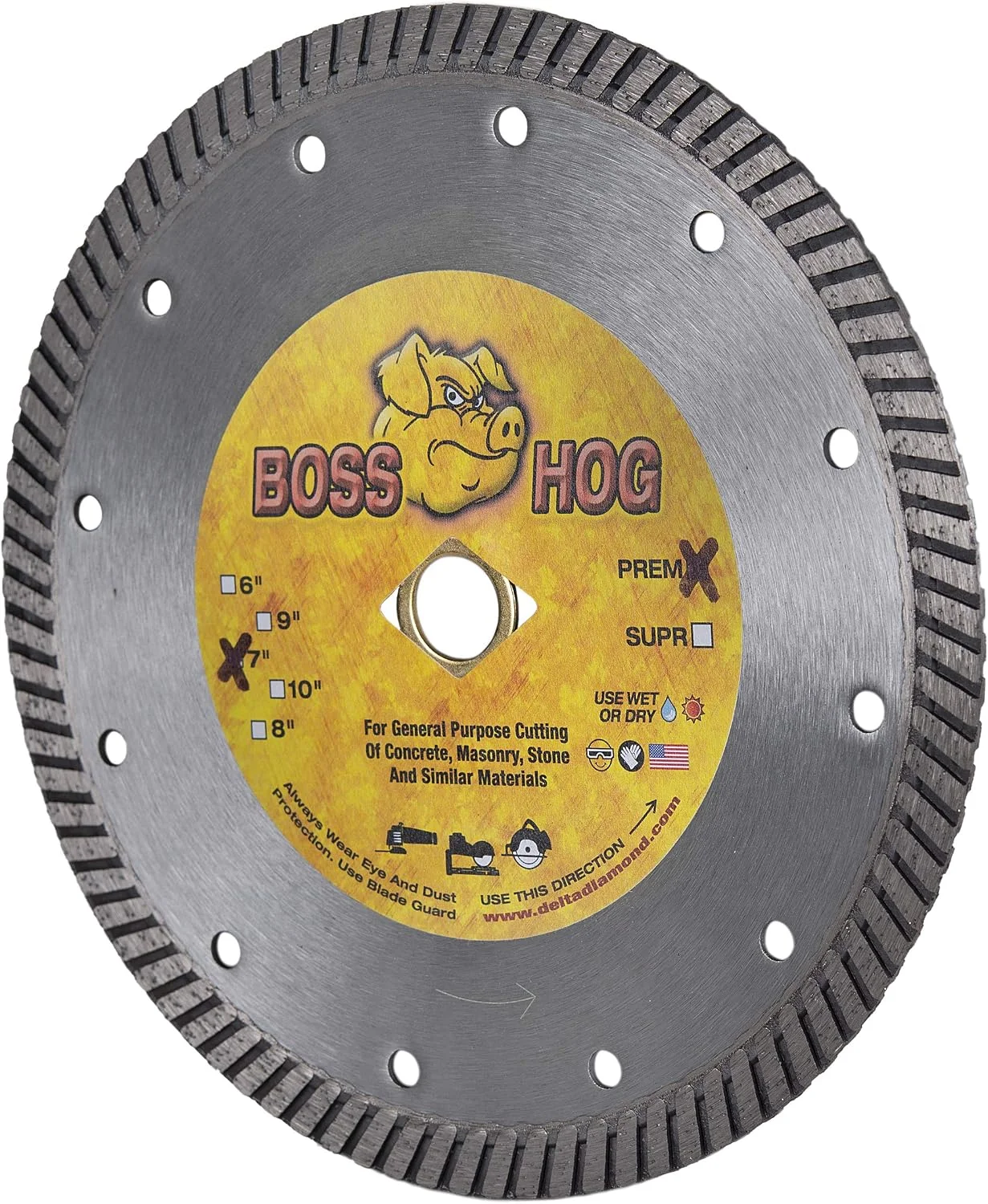 |
Delta Diamond Boss Hog 7″ Turbo Diamond Blade Rated for wet or dry cutting on concrete, block, and pavers – fits standard 7″ circular and cut-off saws for curb-scale jobs.
|
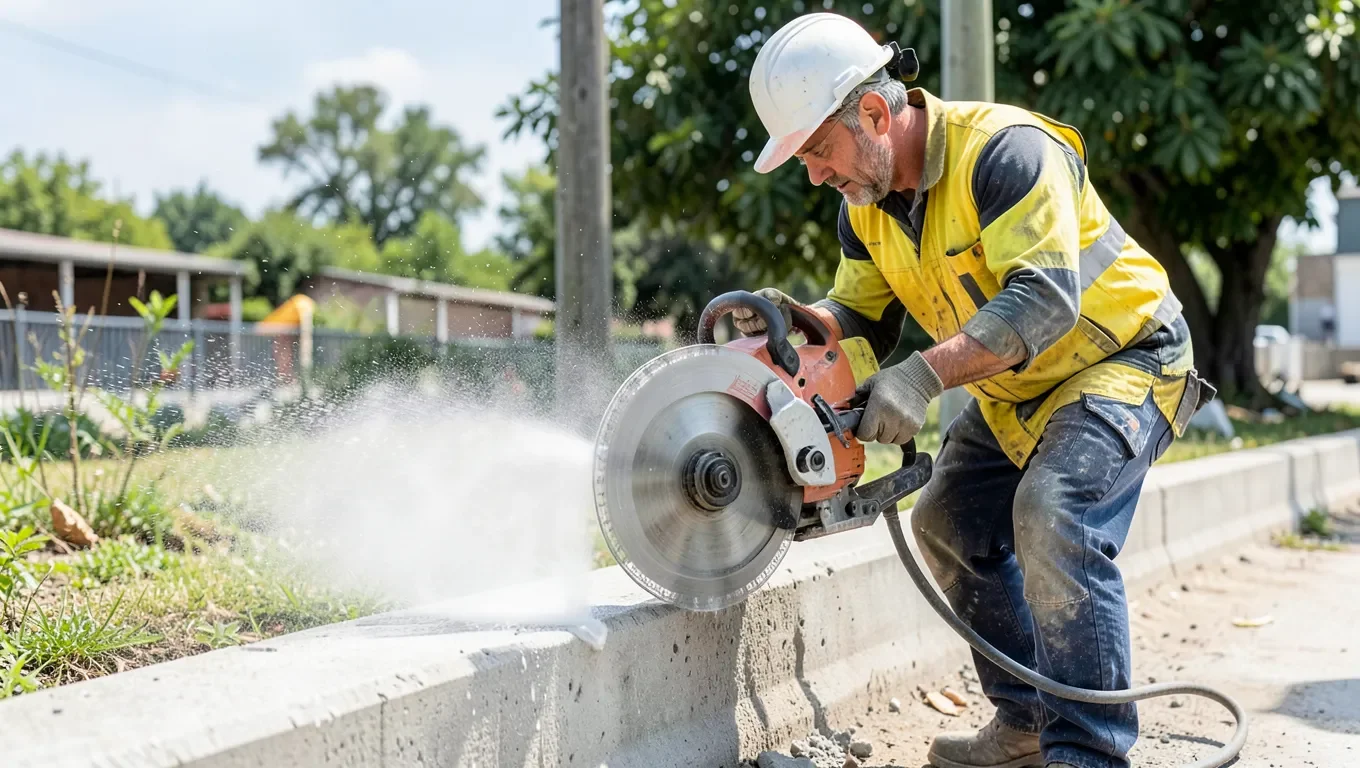
The core tool is a concrete saw – either a walk-behind saw for long, straight cuts or a hand-held cut-off saw (gas or electric) for shorter curb sections. Both need a diamond blade rated for concrete; a standard abrasive masonry blade wears out far faster and produces a rougher cut.
Types of Diamond Blades
Not all diamond blades are the same, and picking the wrong one costs time and money.
1. Segmented blades – diamond segments angled toward the cutting direction, good for general concrete and asphalt cutting where a slightly rougher edge is acceptable.
2. Turbo blades – a serrated diamond rim that cuts faster and leaves a smoother edge than a segmented blade, a good all-around choice for curb work.
3. Continuous rim blades – a smooth, unbroken diamond edge for the cleanest cut, best suited to tile, stone, or curb faces where chipping needs to be minimized.
Safety Equipment Needed
Cutting concrete is dusty, loud, and physically demanding work. Wear safety glasses or a face shield, hearing protection, a properly rated dust mask or respirator (concrete dust contains silica, which is a real long-term respiratory hazard), work gloves, and steel-toed boots. Skip any of these and you’re trading a few minutes of convenience for a real injury risk.
Preparation for Cutting Concrete Curb
Before the saw ever touches the curb, plan the cut and confirm there’s nothing hidden underneath it.
Identify the Cut Area
Walk the section that needs cutting and mark it clearly, keeping the finished project’s dimensions in mind rather than just marking a rough guess.
Check for Utilities
Before cutting into any curb near a driveway or street, check for buried utility lines, sprinkler pipes, or conduit running along the curb line. A quick call to your local utility locating service is far cheaper than an accidental cut into a gas or electrical line.
Clear the Area of Debris
Remove dirt, stones, or anything else along the cut line, and clear enough working space around the curb for the saw itself and its water hose or cord.
Mark Your Cut Line
Snap a chalk line along the exact cut path. This line is what your eye follows during the cut, so take the extra minute to get it straight before starting the saw.
Techniques for Cutting Concrete Curb
Don’t try to cut all the way through in one pass. Make a shallow guide cut first – about an inch deep – along the entire marked line. This gives the blade a groove to track in in for the deeper pass, which keeps the cut straight and reduces the chance of the blade wandering or binding.
Cutting to a Specific Depth
Once the guide cut is in, go back over the line in progressively deeper passes, checking the depth as you go. Cutting in stages rather than trying to go full-depth in one pass puts far less strain on the blade and the saw’s motor.
Finishing the Cut
Once you’ve cut to full depth, break out the remaining section with a sledgehammer and chisel, or cut it into smaller segments with the saw for easier removal. Work carefully near the edges of your cut line to avoid cracking the concrete you’re keeping.
Tips for a Clean Job
Two things separate a clean, professional-looking cut from a rough DIY one: dust control and proper cleanup.
Using Water to Control Dust
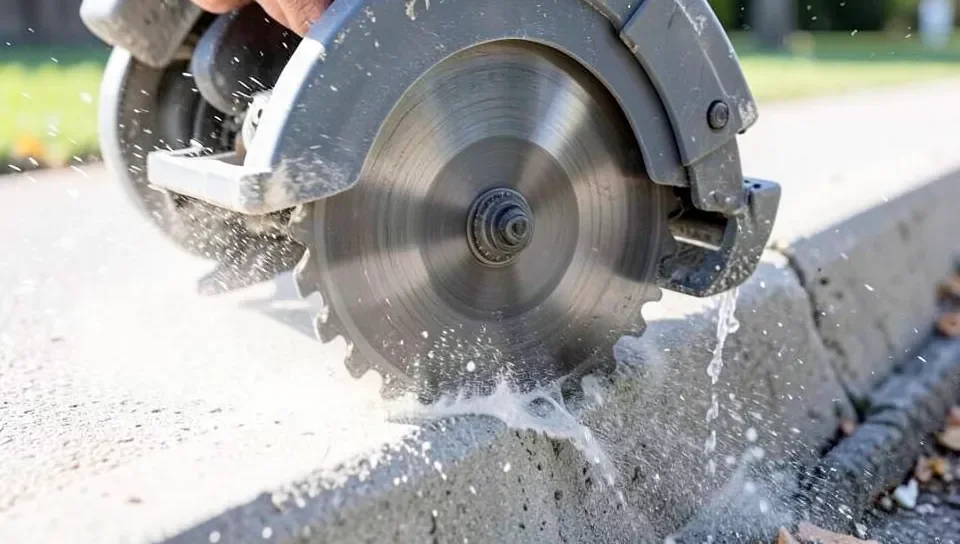
Feed water to the blade, either from a saw with a built-in water attachment or a helper running a hose at a slow trickle. This keeps concrete dust from becoming airborne, which protects your lungs and everyone else’s nearby, and it also cools the blade, extending its life significantly.
Proper Disposal of Concrete Debris
Concrete rubble is heavy and often not accepted in regular curbside trash pickup. Check your local regulations – many areas require concrete debris to go to a construction and demolition (C&D) recycling facility rather than a standard landfill.
Safety Measures for Cutting Concrete Curb
Beyond basic PPE, a couple of specific hazards are worth calling out for curb-cutting work.
Preventing Kickback
A concrete saw blade can bind and kick back toward the operator if it catches in the cut unevenly. Stand to the side of the saw rather than directly behind it, never force the blade through a cut that’s binding, and release the power immediately if you feel the blade grab.
Clean-Up
Clear loose debris and rubble from the work area as you go, not just at the end – a cluttered cut zone is a slip-and-trip hazard while the saw is still running nearby.
Common Mistakes to Avoid
Most curb-cutting problems trace back to one of two mistakes.
Not Cutting Deep Enough
A shallow cut can leave the remaining curb prone to cracking or crumbling unevenly when you try to break it out. Set the blade to the correct depth before starting, and don’t rely on eyeballing it.
Using the Wrong Blade
Reinforced concrete (with rebar or wire mesh inside) needs a blade rated to handle that reinforcement; using a standard masonry blade on rebar-reinforced curb wears the blade out fast and can produce a dangerous, uneven cut.
Frequently Asked Questions
How do you cut a concrete curb?
Mark the cut line, make a shallow guide pass with a diamond-blade saw, then deepen the cut in stages while keeping the blade wet to control dust. Once you’ve cut to full depth, break out the remaining section with a sledgehammer or finish cutting it into removable segments.
How do you cut a concrete sidewalk?
The same method applies: a diamond blade with a wet saw, a shallow guide cut first, then progressively deeper passes rather than one full-depth cut.
How deep is a concrete curb?
Most residential curbs run 6 to 18 inches deep, though the exact depth depends on local building codes and the curb’s original construction.
Can I use a circular saw to cut concrete?
Yes, a circular saw fitted with a diamond blade rated for concrete can cut curb and slab sections, though a dedicated concrete cut-off saw handles thicker cuts more easily. Either way, keep the blade wet and cut in stages rather than trying to go full-depth in one pass.
Conclusion
Cutting a concrete curb is manageable as a DIY project with the right diamond blade, a shallow guide pass before the deep cut, and real dust and safety precautions along the way. For street-facing curb work, check with local public works first – for curb entirely on private property, the technique above gets a clean, straight cut with standard tools.
Sponsored / affiliate links. As an Amazon Associate I earn from qualifying purchases. I may earn additional commission from eligible campaigns.