Deck Framing Screws Or Nails: Which is Best?
When it comes to building a sturdy deck, every detail matters, and the choice between framing screws or nails can make a significant difference. You might wonder, does it really matter which one you use?
Well, imagine spending your summer afternoons on a deck that feels safe, secure, and built to last. The right fasteners ensure your deck withstands the elements and maintains its integrity over time. As you embark on your decking project, you’ll face many decisions, but few are as crucial as this one.
Choosing the best option can save you time, money, and potential headaches down the road. We’ll explore the pros and cons of deck framing screws and nails, helping you make an informed decision that aligns with your needs and preferences. By the end, you’ll feel confident in your choice, knowing your deck is built on a solid foundation. Ready to dive in? Let’s get started!

Credit: www.reddit.com
Deck Framing Basics
Building a deck needs strong framing. This keeps the deck safe. Secure framing stops the deck from wobbling. It helps the deck last long. Framing keeps people safe. Bad framing can cause accidents. Using the right materials is key. Choose wisely to keep the deck strong.
Screws and nails are used in deck framing. Screwshold things tight. They stop boards from moving. Nails are quick to use. They save time. Both have their own benefits. Some builders prefer screws. Others like nails more. The choice depends on the deck type. Using both can be smart.
Screws For Deck Framing
Screws hold decks together tightly. They create a strong bond. Screws prevent wood from moving. This keeps the deck safe. Using screws makes it easy to fix mistakes. You can remove them without damaging the wood. Screws also resist rust better. This makes them last longer.
Many types of screws exist for decks. Wood screws work well with wood. Deck screws are special for outdoor use. Stainless steel screws resist rust the best. Coated screws have a protective layer. This layer helps them last longer.
Always use the right screwdriver. It should match the screw head. Drill pilot holes first. This prevents the wood from splitting. Keep screws straight when driving them in. This ensures a tight fit. Don’t over-tighten screws. This can damage the wood.
Nails For Deck Framing
Nailsare often cheaper than screws. This makes them a budget-friendly choice. They are also easier to remove. This is helpful if you make a mistake. Nails also have a higher shear strength. This means they are less likely to snap under pressure.
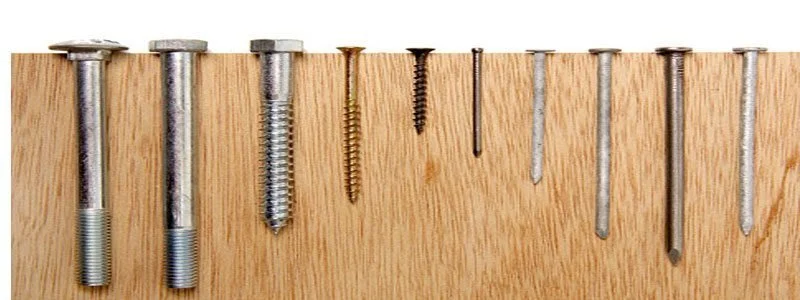
There are many types of nails. Some are coated to resist rust. Others have special tips. These tips help them go into wood easily. Common types include galvanizedand stainless steel nails. Each type has its own use. Choose wisely.
Use a hammer that feels good in your hand. Hold the nail steady. Tap gently to start. Increase force as the nail goes in. Make sure the nail is straight. This helps keep the deck strong. Don’t rush. Take your time.
Credit: www.rmfp.com
Comparison: Screws Vs. Nails
Screwsare strong. They hold wood better. They do not move much. Nails can bend. This makes them less strong. Screws resist pulling out. This makes decks last longer. Choose screws for a strong deck.
Nailsare quick to use. They need a hammer. Screws need a drill. This takes more time. Screws fit tight. This makes them harder to install. Nails are faster for big jobs. But screws hold better.
Nailsare cheaper. They cost less money. Screws cost more. But they last longer. You save money on repairs. Choose nails for small budgets. Choose screws for long-lasting decks.
Best Practices For Deck Framing
Screws hold stronger than nails. They are better for decks. Nails are cheaper. They are faster to use. Screws prevent board movement. They are more secure. Nails can bend over time. Screws stay straight. Choose the right size. Length matters. Too short can fail. Material is key. Use galvanized or stainless. Avoid rust.
Clean the deck often. Dirt causes damage. Inspect for loose screws. Tighten them. Seal wood every year. Protect from rain. Check for rot. Replace bad boards. Trim nearby trees. Keep branches off. Sweep leaves regularly. They trap moisture. Repair cracks quickly. Use wood filler. Paint every few years. Keeps it fresh.
Using wrong fasteners is bad. Always choose deck-rated screws. Skipping sealing invites water damage. Ignoring loose boards is risky. Overloading deck leads to collapse. Neglecting cleaning causes rot. Forgetting to check for pests can be harmful. Using untreated wood is a mistake. Not checking local codes can result in fines. Incorrect spacing weakens structure.
Frequently Asked Questions
What Are Deck Framing Screws?
Deck framing screws are specialized fasteners used in deck construction. They provide superior holding power compared to nails. Made of corrosion-resistant materials, they are ideal for outdoor use. Screws offer better stability and longevity for deck structures. They prevent wood movement and are less likely to loosen over time.
Are Nails Suitable For Deck Framing?
Nails are less suitable for deck framing due to their lower holding strength. They can loosen over time, leading to structural issues. While cheaper, nails are prone to rust, especially in outdoor conditions. For a more durable deck, using screws is recommended.
Nails might be suitable for temporary or less critical applications.
Why Choose Screws Over Nails For Decks?
Choosing screws over nails ensures better stability and longevity. Screws provide higher resistance to rust and weathering. They offer superior holding power, preventing movement and loosening. Screws are also less likely to cause wood splitting. Overall, they contribute to a safer and more durable deck structure.
Do Deck Screws Prevent Wood Splitting?
Yes, deck screws help in preventing wood splitting. Their design allows for smoother penetration into wood. This reduces the risk of splitting compared to nails. Screws create a tighter grip, minimizing wood movement. Using screws ensures a more stable and long-lasting deck construction.
Conclusion
Choosing between deck screws or nails involves careful thought. Screws offer strength. Nails provide speed. Consider your deck’s purpose. Will it face heavy loads? Screws might be better. Building quickly? Nails can save time. Weather matters too. Screws resist rust.
Nails may corrode. Think cost. Screws are pricier. Nails are budget-friendly. Always prioritize quality. Poor materials weaken decks. Inspect regularly. Maintain your deck’s safety and look. Your choice impacts longevity. Choose wisely for lasting results. Safety first. Happy building!