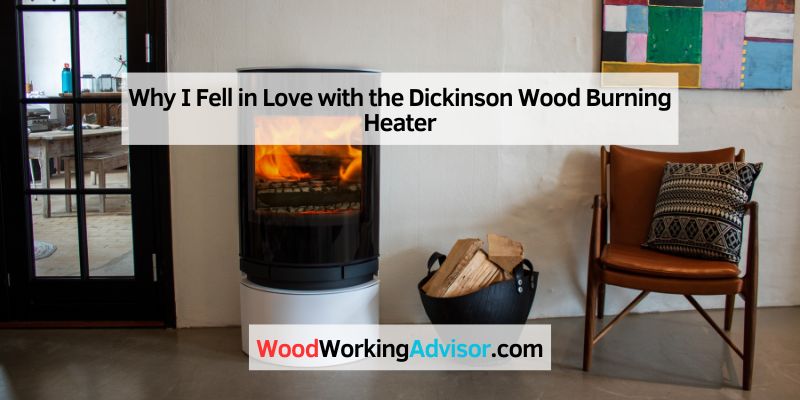
Why I Fell in Love with the Dickinson Wood Burning Heater
Picture this: you’re out on the open road, your RV parked in a quiet forest, the air crisp and chilly. You step inside, and the cozy warmth of a Dickinson wood burning heater wraps around you like a hug. That’s what hooked me on these heaters. As someone who’s spent years exploring the RV lifestyle and tinkering with marine setups, I’ve come to appreciate the charm and reliability of a wood stove like Dickinson’s. Whether you’re a weekend camper or a full-time boater, this heater brings comfort to any adventure. In this article, I’ll share everything I’ve learned about Dickinson wood burning heaters, from their history to their practical use in RVs and boats. Let’s dive in and see why these heaters are a game-changer.
The Legacy of Dickinson Marine
I first stumbled across Dickinson Marine when I was outfitting my RV for a cross-country trip. This Canadian company has been around since the 1930s, starting with diesel heaters for fishing boats. Over time, they expanded to include wood stoves and propane heaters, perfect for both marine and RV environments. Their Dickinson wood burning heater, especially the Newport model, caught my eye for its compact design and rugged reliability. Built with a focus on quality, these heaters are made to last, whether you’re battling icy winds on a boat or cozying up in a tiny home. What I love most is how Dickinson blends old-school craftsmanship with practical features, making their heaters a favorite among adventurers like me.
Why Choose a Wood Burning Heater for Your RV or Boat?
You might be wondering, why go for a wood stove when there are electric or propane options? For me, it’s about the experience. There’s something special about the crackle of wood and the glow of a fire. A Dickinson wood burning heater isn’t just about heat—it’s about creating a warm, inviting atmosphere. Plus, wood is often easier to source in remote areas compared to propane or electricity. These heaters are also efficient, burning small amounts of wood to produce steady heat. In my RV, I’ve found that a wood burning heater keeps me warm without relying on external power, which is a lifesaver during off-grid camping.
Key Features of the Dickinson Wood Burning Heater
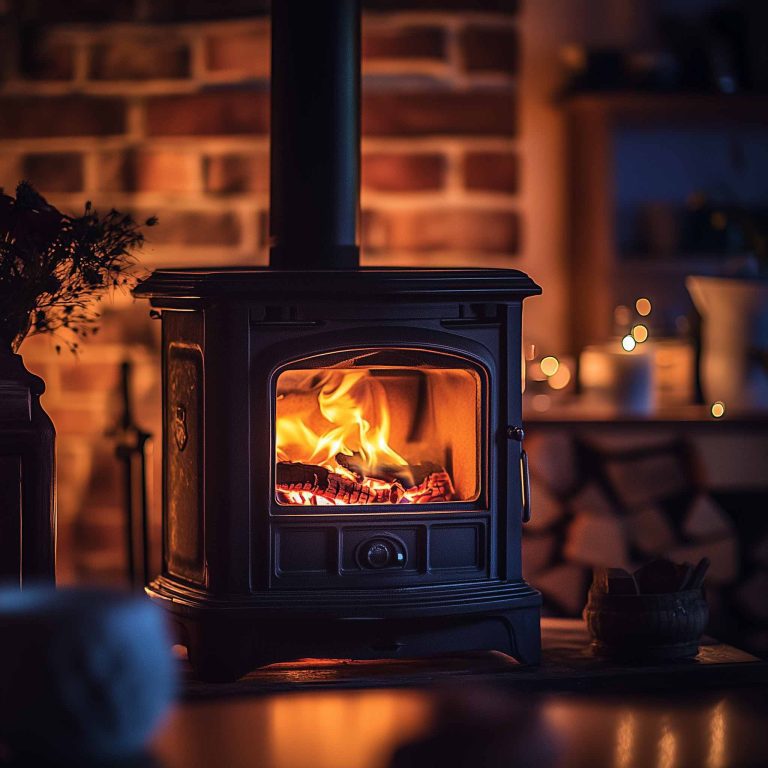
Let me walk you through what makes the Dickinson wood burning heater stand out. I’ve used the Newport Solid Fuel Heater, and it’s packed with features that make it ideal for small spaces. The stainless steel construction is tough, resisting rust even in salty marine air. It has a small firebox, so you don’t need to chop huge logs—just small pieces of wood or even kindling. The adjustable damper lets you control the burn rate, which I’ve found helps stretch my fuel supply. There’s also a viewing window, which adds that cozy fireplace vibe. For boats, the heater includes mounting options to stay secure in rough seas. Here’s a quick breakdown of the features I love:
| Feature | Description | Why It Matters |
|---|---|---|
| Stainless Steel Body | Durable, rust-resistant material | Perfect for marine or outdoor use |
| Compact Firebox | Designed for small wood pieces | Easy to fuel in tight spaces |
| Adjustable Damper | Controls airflow and burn rate | Saves fuel and customizes heat |
| Viewing Window | Glass panel to see the fire | Adds ambiance to your space |
| Secure Mounting | Stable base for boats | Safe even in rough conditions |
These features make the Dickinson wood burning heater a practical choice for anyone who values reliability and charm.
Installing a Dickinson Wood Burning Heater in Your RV or Boat
Installing a wood stove might sound daunting, but I found it manageable with some planning. When I set up my Newport heater in my RV, I started by choosing a spot with enough clearance from walls and furniture. Safety is key—Dickinson provides clear guidelines on spacing to prevent fire hazards. You’ll need a chimney kit, which Dickinson sells separately, to vent smoke outside. I learned the hard way to double-check all connections for a tight seal; a small leak can fill your space with smoke. For boats, you’ll want to ensure the chimney is weatherproof to handle rain or waves. If you’re not handy, I’d recommend hiring a professional, especially for marine installations where stability is critical. My setup took a weekend, but the warmth it provides was worth every minute.
How to Use and Maintain Your Wood Stove
Using a Dickinson wood burning heater is straightforward, but it took me a few tries to get the hang of it. Start with dry, seasoned wood—wet wood creates more smoke and less heat. I keep a small stack of kindling handy to get the fire going. Light a small fire, then use the damper to control the burn. I check the chimney regularly for creosote buildup, which can be a fire risk if ignored. Cleaning is simple: empty the ash pan every few uses and wipe down the glass window with a damp cloth. Dickinson recommends an annual inspection to ensure everything’s in top shape. I’ve found that a little care goes a long way in keeping my wood stove running smoothly.
Benefits of a Dickinson Heater for Off-Grid Adventures
One of the biggest reasons I love my Dickinson wood burning heater is its off-grid capability. When I’m camping in remote spots, I don’t always have access to electricity or propane. With a wood stove, I can gather wood from the surrounding area (where permitted) or bring a small bundle along. This saves money and reduces my reliance on external fuel sources. The heater also provides consistent heat, which is a blessing on cold nights. I’ve spent evenings in my RV, sipping coffee by the fire, feeling like I’m in a cabin rather than a vehicle. For boaters, the marine heater aspect means you can stay warm even in the middle of a lake or ocean.
Comparing Dickinson to Other Heating Options
I’ve tried other heating options, like propane and electric heaters, but the Dickinson wood burning heater has a unique edge. Propane heaters are convenient but require refilling tanks, which can be a hassle on long trips. Electric heaters are great if you’re hooked up to a power source, but they’re useless off-grid. A wood stove, on the other hand, offers independence and a nostalgic charm. That said, propane heaters might heat up faster, and electric ones are easier to control. Here’s how they stack up based on my experience:
| Heater Type | Pros | Cons |
|---|---|---|
| Dickinson Wood Burning | Off-grid, cozy ambiance, low fuel cost | Requires wood, more maintenance |
| Propane Heater | Quick heat, portable | Needs fuel refills, less ambiance |
| Electric Heater | Easy to use, precise control | Needs power, not off-grid friendly |
For me, the Dickinson wood burning heater wins for its versatility and charm, especially for long-term adventures.
Tips for Maximizing Efficiency and Safety
Over time, I’ve picked up a few tricks to get the most out of my wood stove. First, always use dry wood—seasoned hardwood burns hotter and cleaner. I store my wood in a dry, covered area to keep it ready. Second, don’t overload the firebox; small, frequent loads keep the fire steady without smothering it. For safety, I keep a fire extinguisher nearby and never leave the fire unattended. I also installed a carbon monoxide detector in my RV, just in case. Dickinson’s manual has great tips, but I learned that checking the chimney for blockages before each trip prevents surprises. These small steps make a big difference in keeping my heater safe and efficient.
Why Dickinson Heaters Are Perfect for Tiny Homes
Beyond RVs and boats, I’ve noticed Dickinson wood burning heaters popping up in tiny homes. Their compact size makes them ideal for small spaces, and the wood stove aesthetic fits the minimalist, rustic vibe many tiny home owners love. I visited a friend’s tiny home last year, and their Dickinson Newport heater was the heart of the space. It heated the entire 200-square-foot home without breaking a sweat. The low fuel consumption is a bonus for those living off-grid or on a budget. If you’re building a tiny home, this marine heater can double as a stylish and functional centerpiece.
Where to Buy and What to Consider
When I decided to buy my Dickinson wood burning heater, I started at Fisheries Supply, a trusted retailer for marine and RV gear. They carry a wide range of Dickinson products, and their staff helped me pick the right model for my RV. You can also check Dickinson’s official website or other outdoor retailers. Prices vary, but expect to spend $500–$1,000 for the heater and chimney kit. Consider your space size, ventilation needs, and whether you’ll use it on a boat or RV. If you’re new to wood stoves, start with the Newport model—it’s user-friendly and versatile. Just make sure to budget for installation if you’re not doing it yourself.
My Personal Experience with the Dickinson Heater
I’ll never forget my first winter with the Dickinson wood burning heater. I was camped in Oregon, surrounded by snow, and the heater kept my RV toasty all night. The fire’s glow made every evening feel like a retreat. I’ve since taken it on countless trips, from mountain campsites to coastal marinas. It’s not perfect—cleaning ashes isn’t my favorite task—but the warmth and independence it offers are unmatched. I’ve even cooked simple meals on the heater’s top surface, like warming soup or toasting bread. It’s become a trusty companion, and I can’t imagine my adventures without it.
Conclusion
After years of using my Dickinson wood burning heater, I can say it’s more than just a heat source—it’s a lifestyle choice. It brings warmth, charm, and independence to my RV and marine adventures. Whether you’re a full-time RVer, a weekend boater, or a tiny home dweller, this wood stove delivers reliable heat with a touch of nostalgia. From its durable design to its off-grid capabilities, it’s a smart investment for anyone who loves the open road or water. So, grab some firewood, cozy up, and let Dickinson transform your space into a warm haven. Trust me, you won’t look back.
FAQs
What is a Dickinson wood burning heater?
A Dickinson wood burning heater is a compact, solid fuel stove designed for small spaces like RVs, boats, and tiny homes. It burns wood to provide heat and creates a cozy ambiance with its firebox and viewing window.
Can I use a Dickinson heater in my RV?
Yes, the Dickinson wood burning heater is perfect for RVs. Its compact size and efficient design make it ideal for heating small spaces, especially during off-grid camping. Just ensure proper installation and ventilation.
Is it safe to use a wood stove on a boat?
Absolutely, Dickinson’s marine heater models, like the Newport, are designed for boats. They include secure mounting options and rust-resistant materials to handle marine conditions safely.
How do I maintain my Dickinson wood burning heater?
Regular maintenance involves emptying the ash pan, cleaning the glass window, and checking the chimney for creosote buildup. Use dry, seasoned wood and inspect the heater annually for optimal performance.
Where can I buy a Dickinson wood burning heater?
You can purchase a Dickinson wood burning heater from retailers like Fisheries Supply, Dickinson’s official website, or other outdoor and marine gear stores. Prices typically range from $500 to $1,000.
How much wood does a Dickinson heater use?
The amount varies, but the compact firebox uses small pieces of wood or kindling. I typically use a small bundle per night, depending on how long I keep the fire going.
Can a Dickinson heater heat a tiny home?
Yes, the Dickinson wood burning heater is great for tiny homes. Its compact size and efficient heat output can warm spaces up to 200–300 square feet, making it a stylish and practical choice.