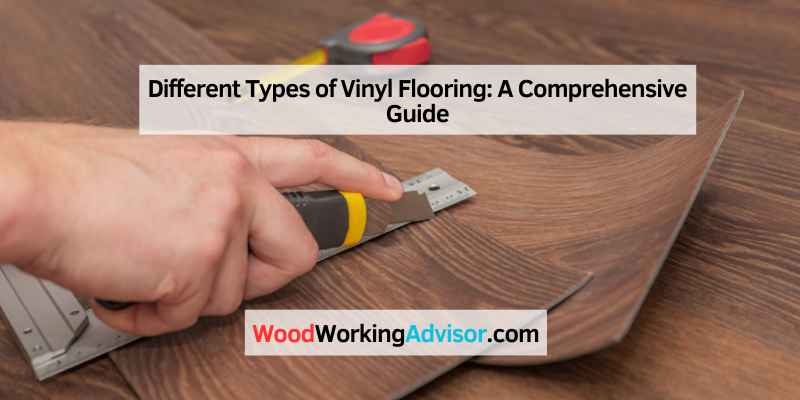
Different Types of Vinyl Flooring: A Comprehensive Guide
Vinyl flooring comes in two main types: vinyl roll flooring (or sheet flooring) and luxury vinyl tiles (LVT). Manufacturers offer various products in each category, tailored for specific applications and preferences.
From realistic wood-look planks to ceramic-look tiles, vinyl flooring provides versatility and durability for different spaces. Whether you opt for luxury vinyl flooring for its superior appearance and performance or choose sheet vinyl for a seamless, waterproof solution, there are options to suit every need and style.
With luxury vinyl plank flooring (LVP) being a popular choice due to its resemblance to hardwood and ease of maintenance, exploring the different types of vinyl flooring can help you find the perfect fit for your home.
Introduction To Vinyl Flooring
Vinyl flooring comes in various types, including vinyl roll flooring (vinyl sheet flooring) and luxury vinyl tiles (LVT). Each type offers specific characteristics suitable for different applications. Luxury vinyl flooring (LVF) is often considered the best choice due to its superior appearance and performance, especially for areas requiring a seamless, waterproof surface like children’s bathrooms.
The Surge In Popularity
Vinyl flooring has experienced a remarkable surge in popularity in recent years. Its versatility, durability, and cost-effectiveness have made it a top choice for homeowners and commercial spaces alike. Let’s delve into the basics and explore the various types of vinyl flooring that have captured the attention of the market.
Vinyl Flooring Basics
Before delving into the different types of vinyl flooring, it’s essential to understand the basics. Vinyl flooring encompasses an array of options, including vinyl roll flooring, also known as vinyl sheet flooring, and luxury vinyl tiles (LVT). Manufacturers offer a range of products within each category, each tailored to specific applications and preferences.
When it comes to different grades of vinyl plank flooring, luxury vinyl flooring (LVF) often stands out as the best choice due to its superior appearance and performance. However, sheet vinyl remains a favorable option for areas where a seamless, waterproof surface is essential, such as children’s bathrooms.
Popular types of vinyl flooring include plank, sheet, and peel-and-stick varieties, each offering distinct advantages and applications. Luxury vinyl plank flooring (LVP) is particularly noteworthy, as it replicates the look of hardwood while offering enhanced durability and resilience.
Vinyl Sheet Flooring
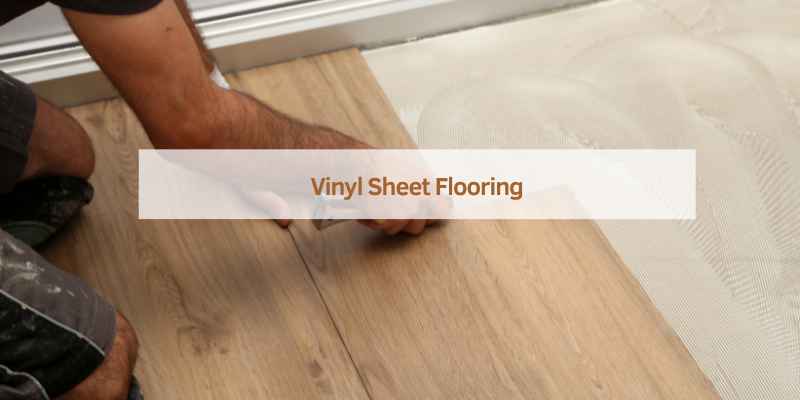
Vinyl sheet flooring is one of the main types of vinyl flooring, along with luxury vinyl tiles (LVT). It offers specific characteristics suited to different applications. Whether you’re looking for a seamless, waterproof surface or a wood-look product, vinyl sheet flooring provides a range of options to meet your needs.
Characteristics Of Vinyl Roll
Vinyl sheet flooring, also known as vinyl roll flooring, is a versatile and practical choice for both residential and commercial spaces. This type of flooring is made from a single sheet of vinyl that is cut to fit the dimensions of the room. Vinyl roll flooring offers several characteristics that make it a popular choice:
- Waterproof: Vinyl roll flooring is highly resistant to water, making it an ideal option for areas prone to moisture, such as bathrooms, kitchens, and basements.
- Durable: With its wear layer and protective coating, vinyl roll flooring is designed to withstand heavy foot traffic and resist scratches, stains, and fading.
- Easy Maintenance: Vinyl roll flooring is easy to clean and maintain. Regular sweeping or vacuuming, along with occasional damp mopping, is usually sufficient to keep it looking its best.
- Comfortable Underfoot: Vinyl roll flooring provides a cushioned surface that is comfortable to walk on, reducing fatigue and impact on joints.
- Wide Range of Designs: Vinyl roll flooring is available in a variety of designs, including wood, stone, and tile patterns, allowing you to achieve the look of natural materials without the cost and maintenance.
Ideal Uses For Sheet Vinyl
Sheet vinyl flooring is suitable for various applications due to its unique characteristics. Here are some ideal uses for sheet vinyl:
- Residential Spaces: Sheet vinyl is a popular choice for kitchens, bathrooms, laundry rooms, and other areas where water resistance and durability are essential.
- Commercial Spaces: Sheet vinyl is commonly used in commercial settings, such as offices, retail stores, healthcare facilities, and schools, thanks to its ability to withstand heavy foot traffic and its low maintenance requirements.
- High-Moisture Areas: Sheet vinyl is an excellent option for areas prone to moisture, such as basements and entryways, as it provides a seamless and waterproof surface.
- Allergy-Friendly: Vinyl roll flooring is hypoallergenic and resistant to mold and mildew growth, making it a suitable choice for individuals with allergies or asthma.
- Budget-Friendly: Sheet vinyl is a cost-effective flooring option, offering a wide range of designs and styles to suit various budgets.
In conclusion, vinyl sheet flooring, also known as vinyl roll flooring, offers a combination of durability, water resistance, easy maintenance, and a wide range of design options. It is an ideal choice for both residential and commercial spaces, especially in areas where moisture and high foot traffic are factors to consider.
Luxury Vinyl Tiles (lvt)
Luxury Vinyl Tiles (LVT) are a top choice among the different types of vinyl flooring. They offer a wide range of characteristics suited to various applications and are known for their superior appearance and performance. LVT is particularly favored for its seamless, waterproof surface, making it ideal for areas such as bathrooms and kitchens.
The Appeal Of Lvt
Luxury Vinyl Tiles (LVT) offer a perfect blend of style and durability. With advanced printing technology, LVT can replicate the look of natural materials like wood and stone with remarkable realism. The intricate details and textures make it difficult to distinguish from the real thing, giving your space a luxurious feel without the high maintenance associated with natural materials.
Where To Install Lvt
LVT is a versatile flooring option suitable for various settings. Its water and scratch resistance make it ideal for high-traffic areas such as kitchens, bathrooms, and entryways. Additionally, LVT’s ability to withstand moisture makes it a great choice for basements and laundry rooms. Its durability and aesthetic appeal also make it suitable for commercial spaces like retail stores and offices.
Luxury Vinyl Plank (lvp) Flooring
Luxury Vinyl Plank (LVP) Flooring is a premium vinyl flooring option that mimics the look of hardwood floors. It is constructed in planks, providing a realistic wood-like appearance while offering durability and easy maintenance.
Lvp Vs. Hardwood Aesthetics
LVP flooring offers the aesthetic appeal of hardwood floors without the high maintenance. It comes in a variety of colors and textures, providing a versatile option to suit different design preferences.
Areas Best Suited For Lvp
- Kitchens: Resistant to water and spills, making it ideal for kitchen spaces.
- Bathrooms: Waterproof properties make LVP a great choice for bathrooms.
- Basements: Resistant to moisture, making it suitable for below-grade installations.
- Commercial Spaces: Durable and easy to clean, perfect for high-traffic areas.
Wpc And Spc Vinyl Flooring
When it comes to choosing the right flooring for your space, vinyl flooring is a popular and versatile option. With its durability, affordability, and wide range of styles and designs, vinyl flooring has become a top choice for many homeowners. Within the vinyl flooring category, there are different types available, each with its own unique features and benefits. In this article, we will focus on two popular options: WPC (Wood Plastic Composite) and SPC (Stone Plastic Composite) vinyl flooring.
Waterproof Core Options
One of the key advantages of both WPC and SPC vinyl flooring is their waterproof core. This means that these types of flooring are highly resistant to water damage, making them suitable for areas prone to moisture, such as bathrooms, kitchens, and basements. The waterproof core not only protects the flooring from potential water damage but also makes it easier to clean and maintain.
Comparing Wpc And Spc
While both WPC and SPC vinyl flooring share the same waterproof core feature, there are some differences between the two that are worth considering when making your flooring decision. Let’s take a closer look at each:
| WPC Vinyl Flooring | SPC Vinyl Flooring |
|---|---|
| Contains a wood plastic composite core, combining wood fibers and PVC resin | Features a stone plastic composite core, made of limestone powder and PVC resin |
| Offers a softer and more comfortable underfoot feel | Provides a more rigid and durable flooring option |
| Can be installed over imperfect subfloors | Requires a more level subfloor for installation |
| Available in a variety of wood grain patterns and colors | Offers a wide range of stone-inspired designs and textures |
When choosing between WPC and SPC vinyl flooring, consider factors such as your specific needs, the levelness of your subfloor, and the aesthetic you want to achieve in your space. Both options provide excellent durability and water resistance, making them suitable for various areas of your home.
In conclusion, vinyl flooring offers a versatile and practical solution for your flooring needs. Whether you opt for WPC or SPC vinyl flooring, you can enjoy the benefits of a waterproof and low-maintenance flooring option that is both stylish and durable.
Peel And Stick Vinyl Options
Vinyl flooring is a versatile option for any home, with different types to suit different needs. Peel and stick vinyl is a popular option that is easy to install and comes in a variety of styles. Other types of vinyl flooring include vinyl roll flooring and luxury vinyl tiles (LVT), each with their own unique characteristics.
Peel and Stick Vinyl Options are a popular choice for those who are looking for a quick and easy installation process. As the name suggests, these vinyl options can be easily peeled off and stuck onto the floor. This type of vinyl flooring is available in both plank and tile form, and can be a great option for DIY enthusiasts who want to save time and money on installation costs.
Ease Of Installation
One of the biggest advantages of Peel and Stick Vinyl Options is the ease of installation. Unlike traditional vinyl flooring, there is no need for glue or special tools. All you need is a clean, dry surface and you’re ready to start. The planks or tiles can be easily cut to fit around obstacles like cabinets and doorways, making it a great option for those who want to tackle a flooring project on their own.
Pros And Cons
As with any type of flooring, there are pros and cons to Peel and Stick Vinyl Options. Some of the pros include the ease of installation, affordability, and versatility in design options. However, one of the biggest cons is that it may not be as durable as other types of vinyl flooring. It may also be more prone to wear and tear, especially in high-traffic areas.
Overall, Peel and Stick Vinyl Options can be a great option for those who want a quick and easy installation process. However, it’s important to consider the pros and cons before making a final decision. If you’re unsure which type of vinyl flooring is right for you, consult with a flooring professional to help guide you in the right direction.
Commercial Vs. Residential Vinyl
When it comes to vinyl flooring, it’s essential to understand the differences between commercial and residential vinyl. Each type is specifically designed to meet the unique demands of its respective environment. Let’s delve into the key distinctions between commercial and residential vinyl flooring.
Differences In Durability
Commercial vinyl flooring is engineered to withstand heavy foot traffic and is highly durable, making it ideal for retail spaces, offices, and healthcare facilities. It is constructed to resist wear and tear, ensuring longevity even in high-traffic areas.
On the other hand, residential vinyl flooring is designed for comfort and style. While it is also durable, it may not be as resilient as commercial vinyl. However, it offers a wide range of design options and is suitable for areas with lighter foot traffic, such as homes and apartments.
Design Variations
Commercial vinyl flooring often features a more subdued and professional aesthetic, focusing on functionality and practicality. It may offer limited design choices, prioritizing resilience and ease of maintenance.
Residential vinyl, on the other hand, provides a vast array of design options, including styles that mimic natural materials like wood and stone. This type of vinyl flooring is tailored to create inviting and visually appealing spaces within homes and residential settings.
Factors In Selecting Vinyl Flooring
When choosing vinyl flooring, several factors come into play to ensure you make the best decision for your space. From understanding the grades of vinyl to balancing cost and performance, it’s essential to consider all aspects before making a selection.
Understanding Grades Of Vinyl
When it comes to vinyl flooring, it’s crucial to understand the different grades available. Vinyl flooring grades are typically categorized as residential or commercial. Residential vinyl is designed for use in homes, while commercial vinyl is suitable for high-traffic areas like offices and retail spaces.
Cost Vs. Performance
Balancing cost and performance is a key consideration when selecting vinyl flooring. While cost-effective options may seem appealing, it’s important to weigh the long-term performance and durability of the flooring. Higher-quality vinyl may come at a higher cost, but it often offers better wear resistance and longevity.
Installation Of Vinyl Flooring
Discover the variety of vinyl flooring options available, including vinyl roll flooring and luxury vinyl tiles (LVT). Each type offers unique features tailored to different needs, ensuring a perfect fit for any space. Explore the best vinyl flooring type for your project today.
Preparation And Tools
Before starting the installation process, it is essential to prepare the subfloor properly. The subfloor must be clean, smooth, and free from any debris. It is recommended to remove any existing floor covering and ensure that the subfloor is level.
Moreover, the tools required for the installation process include a utility knife, a measuring tape, a straight edge, a hand roller, and a notched trowel. It is also essential to wear safety equipment such as gloves and goggles during the installation process.
Diy Tips And Techniques
Vinyl flooring installation can be a DIY project if you have the right tools and knowledge. It is essential to follow the manufacturer’s instructions for the specific type of vinyl flooring being installed.
One important tip is to acclimate the vinyl flooring to the room’s temperature and humidity level before installation. This will prevent any expansion or contraction of the material after installation.
Another tip is to start the installation process in the center of the room and work your way out towards the edges. This will ensure that the vinyl flooring is installed evenly and prevent any issues with the pattern or design.
Differences From Other Flooring Products
Vinyl flooring has some distinct differences from other flooring products. For example, it is more affordable than hardwood or stone flooring and easier to maintain. Vinyl flooring is also more water-resistant than other flooring products, making it a popular choice for bathrooms and kitchens.
In addition, vinyl flooring is available in a wide range of designs and styles, including luxury vinyl plank (LVP) and luxury vinyl tile (LVT), which mimic the look of natural materials such as wood and stone.
In conclusion, vinyl flooring is a versatile and practical choice for any room in the house. With proper preparation and installation techniques, it can be a DIY project for homeowners.
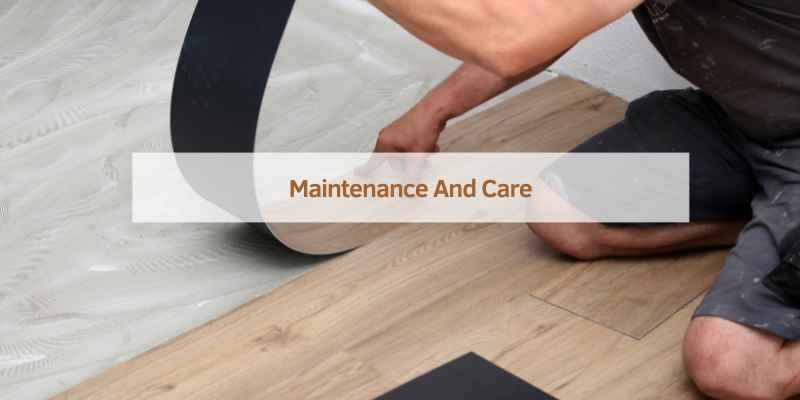
Maintenance And Care
Proper maintenance and care are essential for keeping your vinyl flooring looking its best and prolonging its lifespan. By following the recommended cleaning guidelines and understanding the longevity and wear characteristics of your vinyl flooring, you can ensure that it stays in great condition for years to come.
Cleaning Recommendations
To maintain the beauty of your vinyl flooring, it is important to clean it regularly using the appropriate methods. Here are some cleaning recommendations to keep in mind:
- Regularly sweep or vacuum the floor to remove dust and loose dirt. This prevents them from scratching the surface.
- Use a damp mop or cloth with a mild detergent to clean the floor. Avoid using abrasive cleaners or harsh chemicals, as they can damage the vinyl.
- Wipe up spills immediately to prevent staining. Blot the area with a clean cloth or paper towel, and then clean it with a damp mop.
- Avoid using excessive water or allowing water to stand on the floor for a long time, as it can seep into the seams and cause damage.
- Place mats or rugs at entrances to trap dirt and moisture from shoes. This helps prevent them from being tracked onto the vinyl flooring.
- Use furniture pads or coasters to protect the floor from scratches and indentations caused by heavy furniture.
Following these cleaning recommendations will help maintain the appearance and integrity of your vinyl flooring.
Longevity And Wear
Vinyl flooring is known for its durability, but understanding its longevity and wear characteristics can help you make informed decisions about its maintenance and care. Here are some key points to consider:
- Vinyl roll flooring, also known as vinyl sheet flooring, is generally more resilient and resistant to wear and tear compared to luxury vinyl tiles (LVT).
- LVT often has a wear layer that provides additional protection against scratches, stains, and fading.
- Regular maintenance, such as sweeping and cleaning, can help prevent dirt and debris from causing premature wear on the surface of the vinyl flooring.
- High-traffic areas may require more frequent cleaning and maintenance to keep the vinyl flooring looking its best.
- Using furniture pads and taking precautions to prevent dragging heavy objects across the floor can help minimize scratches and indentations.
By understanding the longevity and wear characteristics of your vinyl flooring, you can take appropriate measures to protect and maintain it, ensuring it remains in excellent condition for a long time.
Environmental Impact And Sustainability
When choosing vinyl flooring, it’s crucial to consider the environmental impact and sustainability aspects. Understanding the eco-friendly options and recyclability of vinyl flooring can help make more informed decisions.
Eco-friendly Options
Opting for eco-friendly vinyl flooring can significantly reduce the environmental impact of your flooring choice. Manufacturers now offer sustainable options that prioritize recycled materials and low VOC emissions.
- Choose vinyl flooring made from recycled content to minimize the demand for new resources.
- Look for certifications such as FloorScore or GREENGUARD to ensure environmental standards are met.
- Consider bio-based vinyl flooring options that utilize renewable resources in their production.
Recyclability Of Vinyl Flooring
Recycling vinyl flooring is a key aspect of sustainable practices. Understanding the recyclability of vinyl flooring can contribute to reducing waste and promoting a circular economy.
| Recyclability Aspect | Details |
|---|---|
| Material Composition | Vinyl flooring can be recycled into new flooring products or other materials. |
| Collection Programs | Some manufacturers offer take-back programs to recycle old vinyl flooring. |
| Environmental Impact | Recycling vinyl flooring helps reduce landfill waste and energy consumption. |
Frequently Asked Questions
What Are The Different Types Of Vinyl Flooring?
Vinyl flooring comes in two main types: vinyl roll flooring (sheet) and luxury vinyl tiles (LVT). Each type offers specific characteristics for different applications.
What Type Of Vinyl Floor Is The Best?
Luxury vinyl flooring (LVF) is often the best choice due to superior appearance and performance, offsetting the higher cost.
Are There Different Grades Of Vinyl Plank Flooring?
Yes, there are different grades of vinyl plank flooring based on quality and durability.
What Is High End Vinyl Flooring Called?
High end vinyl flooring is called luxury vinyl plank flooring (LVP). It is made up of planks instead of one large sheet of vinyl or individual tiles. LVP flooring is popular because it has a wood-look product that shares characteristics of hardwood.
Manufacturers offer a range of vinyl flooring products within each category, with each product offering specific characteristics suited to specific applications.
Conclusion
Understanding the different types of vinyl flooring is crucial for making informed choices. Luxury vinyl tiles and vinyl roll flooring offer unique characteristics suited for various applications. Consider the virtues of luxury vinyl flooring for superior appearance and performance. Choose the best type to suit your specific needs and preferences.