Lumber Liquidators vs. Home Depot: Why This Comparison No Longer Applies
LL Flooring (the company formerly known as Lumber Liquidators) filed for Chapter 11 bankruptcy in August 2024 and closed all of its roughly 430 retail stores by early 2025 — it no longer operates as a retailer. A sale of the business to a buyer fell through, and the company proceeded to a full liquidation instead. If you were planning to compare it against Home Depot for a flooring purchase, that comparison is no longer relevant for new buying decisions — here’s what actually happened and where to shop instead.
What Actually Happened To Lumber Liquidators / LL Flooring
A Real Alternative Available Now
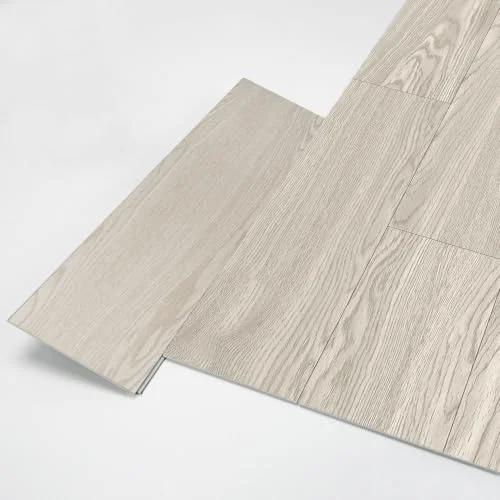 |
Art3d 24-Pack Click-Lock SPC Floor Planks, White Oak – $71.99 A tool-free, waterproof click-lock plank floor covering the same 24 sq ft niche Lumber Liquidators’ budget vinyl plank lines used to fill.
|
Lumber Liquidators rebranded to LL Flooring several years ago, after a separate 2015 controversy in which “60 Minutes” reported that some of the company’s Chinese-sourced laminate flooring contained formaldehyde levels above what California’s regulations allowed — a real, documented issue at the time that led to lawsuits and a subsequent shift in the company’s sourcing and quality-control practices. That history is unrelated to the 2024 closure: the bankruptcy filing cited post-pandemic demand normalization, reduced borrowing capacity, and vendor shipment stoppages that drained the company’s cash, not a product-safety issue. LL Flooring first tried to sell the business as a going concern; when no buyer emerged, the company shut down all locations and proceeded through a Chapter 11 liquidation, winding down its retail footprint entirely.
If You Have An Open Warranty, Gift Card, Or Pending Order
A liquidated company generally cannot honor ongoing warranty claims, gift card balances, or store credit the way an operating business can — in a Chapter 11 liquidation, unsecured creditors (which typically includes customers holding gift cards or warranty claims) are paid out of what’s left after secured creditors, if anything remains at all. If you’re in this situation, check the bankruptcy court’s official claims process for the case rather than contacting a store location, since the retail locations and their staff are gone. This is a genuinely disappointing outcome for anyone holding a warranty on flooring installed through the company, and there’s no way to soften that — the practical options are limited to whatever the bankruptcy proceeding’s claims process allows.
Where To Shop For Flooring Instead
- Home Depot: a large, ongoing selection across laminate, vinyl plank, hardwood, and tile, with both DIY and professional installation services — the natural default for the budget-to-mid-range flooring segment LL Flooring used to compete in.
- Lowe’s: a comparable big-box alternative with its own flooring selection and installation services, worth price-comparing against Home Depot for the same product category.
- Local/regional flooring specialty retailers: often carry a deeper selection in a specific category (hardwood, tile) with more knowledgeable staff than a big-box store, at a real cost premium for that expertise.
- Direct-to-consumer online retailers (including Amazon): for straightforward click-lock vinyl plank or laminate products where you don’t need in-person color matching or installation services, buying online can be the most cost-effective route — see the product above as one real example of what’s available.
What To Check Before Buying Flooring Anywhere
- Formaldehyde/VOC certification (CARB Phase 2 compliance): a real, relevant standard given the industry’s history — reputable manufacturers now display this compliance clearly; if a listing doesn’t mention it, ask before buying.
- Water resistance rating for the actual room: “waterproof” and “water-resistant” are different claims with different real-world tolerances — check the specific rating against where you’re installing it (kitchen/bathroom vs. living room).
- Warranty terms and who backs them: a manufacturer-backed warranty (not just a retailer’s return policy) survives even if the specific store you bought from later closes — a real, practical lesson from this exact situation.
- Total square footage math, including waste factor: order roughly 5-10% more than your measured square footage to account for cuts and waste, a step easy to underestimate when buying by the box.
What The Old Comparison Actually Covered (For Historical Context)
For readers curious what the comparison used to look like while both retailers competed: Lumber Liquidators positioned itself as a specialist with a deeper hardwood and laminate selection at aggressive price points, often undercutting big-box pricing on comparable products, while Home Depot’s advantage was breadth — one store carrying flooring alongside every other category needed for a renovation, plus a broader installation-services network and the buying power of a much larger company. That specialist-vs-generalist tradeoff is now moot for Lumber Liquidators specifically, but it’s still a useful lens for comparing Home Depot against other flooring specialists that remain in business today — a smaller specialist can still offer deeper category expertise and sometimes better pricing than a big-box generalist, which was the real logic behind the original comparison even before this particular company closed.
Frequently Asked Questions
Is Lumber Liquidators still in business?
No. As LL Flooring, the company filed Chapter 11 bankruptcy in August 2024 and closed all of its roughly 430 stores by early 2025 after a sale of the business fell through. It no longer operates as a retailer.
What was the formaldehyde issue with Lumber Liquidators flooring?
In 2015, a “60 Minutes” investigation reported that some Chinese-sourced laminate flooring sold by the company contained formaldehyde levels exceeding California’s regulatory limits, leading to lawsuits and a shift in sourcing practices. This was unrelated to the company’s 2024 bankruptcy and closure.
Is LL Flooring the same company as Lumber Liquidators?
Yes — LL Flooring was Lumber Liquidators’ rebranded name. The company closed entirely in 2024-2025, so the name change doesn’t affect the fact that no stores remain open.
Conclusion
This isn’t a “which is better” comparison anymore — LL Flooring’s 2024 bankruptcy and full store closure took it out of the running entirely, leaving Home Depot (and other retailers) as the practical options for a new flooring purchase. If you’re holding a warranty or gift card from the old company, the bankruptcy court’s claims process, not a store visit, is the only remaining path.
Sponsored / affiliate links. As an Amazon Associate I earn from qualifying purchases. I may earn additional commission from eligible campaigns.