DIY Drill Bit Holder: Easy, Affordable, and Space-Saving Ideas
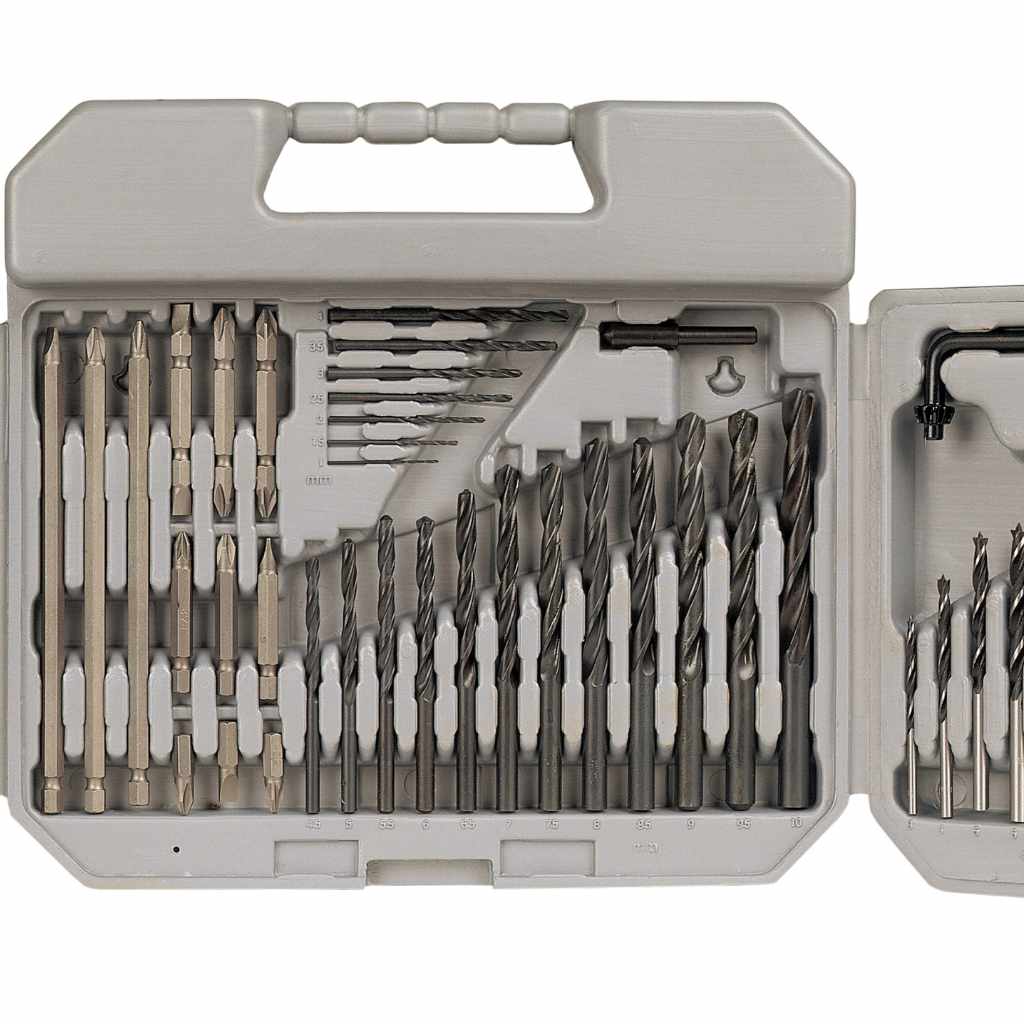
Are your drill bits scattered all over your workspace, making it hard to find the right one when you need it? Imagine having a simple, affordable solution that keeps your drill bits organized, easy to access, and safe from damage.
You can create your own DIY drill bit holder with just a few materials and basic tools. This not only saves you money but also gives you a custom organizer tailored to your needs. Keep reading, and you’ll discover step-by-step instructions to make your work smoother and more efficient every time you pick up your drill.
Materials Needed
Gathering the right materials is key to making a DIY drill bit holder. These items keep your workspace tidy and your bits easy to find. Preparing everything before starting saves time and effort.
Wood Or Plastic Base
A sturdy base holds the drill bits securely. Wood is easy to cut and shape. Plastic sheets work well for a lightweight option. Choose a size that fits your workspace.
Drill Or Hole Saw
Create holes to hold the drill bits using a drill or hole saw. Match the hole size to your drill bits. Clean, precise holes keep bits stable and organized.
Measuring Tools
Use a ruler or measuring tape to space holes evenly. Mark spots with a pencil. Accurate measurements make the holder look neat and professional.
Sandpaper
Sandpaper smooths rough edges after cutting or drilling. A smooth surface prevents splinters and damage to bits. Fine-grit sandpaper works best for finishing touches.
Adhesive Or Screws
Secure parts together with wood glue or screws. Glue works for lightweight projects. Screws add extra strength and durability. Pick the option that suits your base material.
Protective Gear
Wear safety glasses and gloves to protect yourself. Small wood chips and plastic shards can cause injury. Safety first keeps your project fun and safe.
Wooden Block Holder
A wooden block holder is a simple and effective way to organize drill bits. It keeps bits in one place and easy to find. Making your own holder saves money and allows you to customize it to fit your needs. A wooden block is sturdy and looks good in any workshop.
Choosing The Right Wood
Select wood that is strong and easy to work with. Pine, oak, or maple are good choices. Avoid soft woods that can wear out quickly. The wood should be thick enough to hold drill bits firmly. A smooth surface helps protect the bits from scratches.
Measuring And Marking Drill Bit Slots
Measure each drill bit’s diameter carefully. Mark the wood to match these sizes. Space the slots evenly to keep bits organized. Use a pencil and ruler for accurate marks. Double-check measurements before cutting to avoid mistakes.
Cutting And Sanding The Wood
Cut slots using a drill or saw to match your marks. Make sure cuts are clean and straight. Sand the edges of the slots to remove splinters. Sand the whole block for a smooth finish. This makes the holder safe to handle and neat in appearance.
Finishing Touches
Apply a clear wood finish or varnish to protect the wood. This helps the holder last longer and look better. Let the finish dry completely before using the holder. Add labels or paint if you want to organize bits by size. Your wooden block holder is now ready to use.
Magnetic Strip Holder
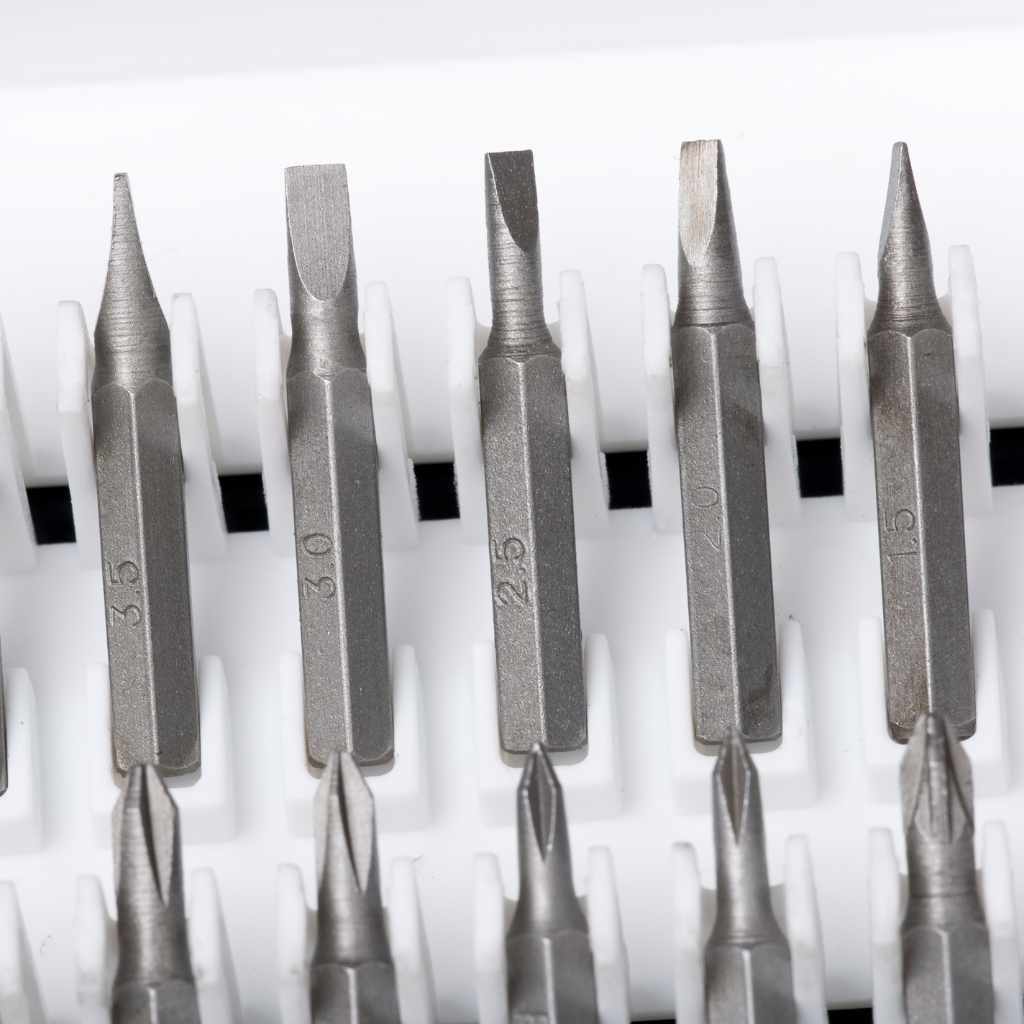
A magnetic strip holder offers a simple way to organize drill bits. It keeps bits visible and easy to grab. This holder saves space and reduces clutter in your workspace.
The magnetic strip holds bits firmly in place. It works best on metal surfaces or wooden walls. Installing one requires a few basic tools and materials.
Selecting A Strong Magnet
Choose a magnet strong enough to hold heavy drill bits. Neodymium magnets are a good choice. They provide a powerful grip without being too bulky.
Check the magnet’s pull force before buying. It should hold bits firmly without slipping. Avoid weak magnets that can let bits fall off.
Mounting The Strip
Pick a flat and clean surface for mounting. Use screws or strong adhesive to fix the strip. Make sure the strip is level and secure.
Mount the strip at a height easy to reach. Avoid placing it too high or too low. This keeps drill bits accessible while working.
Arranging Drill Bits
Organize drill bits by size for quick selection. Place the largest bits on one end and smallest on the other. This layout helps find the right bit fast.
Keep frequently used bits near the center. This reduces time searching during projects. Magnetic strips make it easy to rearrange bits anytime.
Pvc Pipe Organizer
A PVC pipe organizer is a simple and effective way to store drill bits. It keeps bits neat and easy to reach. You can make it yourself with a few tools and materials.
Using PVC pipe makes the holder strong and durable. It also saves space by holding bits vertically. The pipe’s round shape fits drill bits perfectly.
Cutting Pvc To Size
Start by measuring the length of your drill bits. Cut the PVC pipe into sections slightly longer than your longest bit. Use a handsaw or pipe cutter for clean cuts. Sand edges smooth to avoid rough spots.
Attaching To Wall Or Workbench
Find a good spot on your wall or workbench. Drill holes in the PVC pieces for screws. Use screws or heavy-duty adhesive to fix the pipe sections firmly. Make sure the holder is secure and won’t move.
Labeling Each Slot
Label each pipe section to identify bit sizes easily. Use a permanent marker or attach small stickers. Clear labels save time and keep your workspace organized. This way, you grab the right drill bit quickly.
Repurposed Containers
Repurposed containers make excellent drill bit holders. They help keep your bits organized and easy to find. Using items you already have saves money and reduces waste. Many household containers fit drill bits perfectly with little or no change.
Using Tin Cans
Tin cans are sturdy and come in many sizes. Clean the can thoroughly before use. Remove any sharp edges for safety. Drill holes in the bottom for drainage if needed. You can paint the can for a neat look. Place drill bits upright inside the can. Larger bits fit better in wider cans.
Old Jars And Bottles
Glass jars and bottles hold drill bits safely. Clear glass lets you see the bits inside. Use jars with wide openings for easy access. Plastic bottles can also work well. Cut the bottle to create compartments for bits. Label jars to find bits faster. These containers keep your workspace tidy.
Customizing For Drill Bits
Customize containers to fit your drill bits. Use foam or cork inside to hold bits firmly. Add dividers made from cardboard or wood. Paint or label each section for quick identification. Attach magnets to hold bits on metal surfaces. Custom holders save time and reduce clutter.
Space-saving Tips
Saving space is key when organizing drill bits. A tidy workspace helps you find tools fast and keeps your area safe. Smart storage ideas prevent clutter and make your DIY projects easier. Below are simple ways to save space with your drill bit holder.
Vertical Storage Ideas
Store drill bits upright to use less surface space. Use a wooden block or metal strip to hold bits vertically. This keeps bits visible and easy to grab. Vertical storage helps keep small bits from getting lost.
Stackable Designs
Stackable holders save space by piling storage units. These designs fit drill bits in layers. Stack holders on shelves or in drawers to use vertical room. This method keeps bits organized and compact.
Portable Options
Choose compact holders that you can carry easily. Portable cases protect drill bits and save space in your toolbox. Look for holders with secure lids to avoid spills. Portable options keep bits ready for any job.
Safety And Maintenance
Keeping your DIY drill bit holder safe and well-maintained helps it last longer. It also protects your drill bits from damage. Simple steps make a big difference in safety and care.
Proper Storage To Avoid Damage
Store the drill bit holder in a dry place. Avoid spots with high humidity to stop rust. Keep it away from heavy objects that can crush it. Arrange bits by size to prevent bending or breaking.
Cleaning And Care
Wipe the holder with a soft cloth after use. Remove dirt and dust that can build up. Use mild soap and water for stubborn grime. Dry it completely before storing to stop rust.
Regular Inspection
Check the holder for cracks or wear often. Look for loose parts or broken sections. Replace or fix damaged parts quickly. This keeps the holder safe and effective for your projects.
Frequently Asked Questions
What Materials Are Best For A Diy Drill Bit Holder?
Wood, metal, and plastic are common materials for DIY holders. Wood is easy to work with and customizable. Metal offers durability, while plastic is lightweight and affordable. Choose based on your tool size and workspace needs.
How Do I Organize Drill Bits In A Holder?
Organize drill bits by size and type for easy access. Label each slot or section clearly. This saves time during projects and protects bits from damage. Consistent arrangement helps maintain an efficient workspace.
Can I Make A Drill Bit Holder Without Power Tools?
Yes, you can create a drill bit holder using hand tools like saws and drills. Simple designs with wooden blocks and pre-made holes work well. This approach is budget-friendly and accessible for beginners.
How To Customize A Drill Bit Holder For Different Sizes?
Use adjustable slots or removable inserts to fit various drill bit sizes. Measure bits before making holes to ensure a snug fit. Customization increases versatility and keeps bits securely in place.
Conclusion
Creating your own drill bit holder saves space and keeps tools neat. It helps find bits quickly and protects them from damage. You can customize the holder to fit your needs and workspace. Using simple materials makes this project easy and affordable.
A DIY holder adds order to any toolbox or workshop. Give it a try and enjoy a cleaner, more efficient workspace. Small steps like this make a big difference in daily work.