DIY Projects Woodworking: Transform Your Home with Creative Builds
Woodworking offers a rewarding and creative way to spend your time. Whether you are a beginner or a seasoned craftsman, DIY woodworking projects can be both fun and fulfilling.
Imagine turning a piece of wood into something useful and beautiful. With DIY woodworking, you can create furniture, decorations, and many other items right at home. The satisfaction that comes from building something with your own hands is unmatched. Woodworking not only helps you develop new skills but also provides a sense of accomplishment.
Plus, it is a great way to personalize your living space with unique, handmade items. In this blog, you will discover various woodworking projects that you can try on your own. Let’s dive into the world of DIY woodworking and unleash your creativity!
Introduction To DIY Woodworking
Woodworking is a fun and rewarding hobby. It helps improve your creativity and problem-solving skills. Building things with wood can save money. You can make gifts and furniture for your home. Woodworking also helps reduce stress. It is very satisfying to see your finished projects. Working with wood can also be a good way to spend time with family. You can teach kids new skills. They will enjoy making things too.
To start woodworking, you need some basic tools. A saw is very important. You will need a hammer and nails. A measuring tape and a square are also useful. Sandpaper helps to make wood smooth. Don’t forget safety gear like gloves and goggles. Wood glue is good for joining pieces. You will also need different types of wood. Pine is a good choice for beginners. It is cheap and easy to work with.
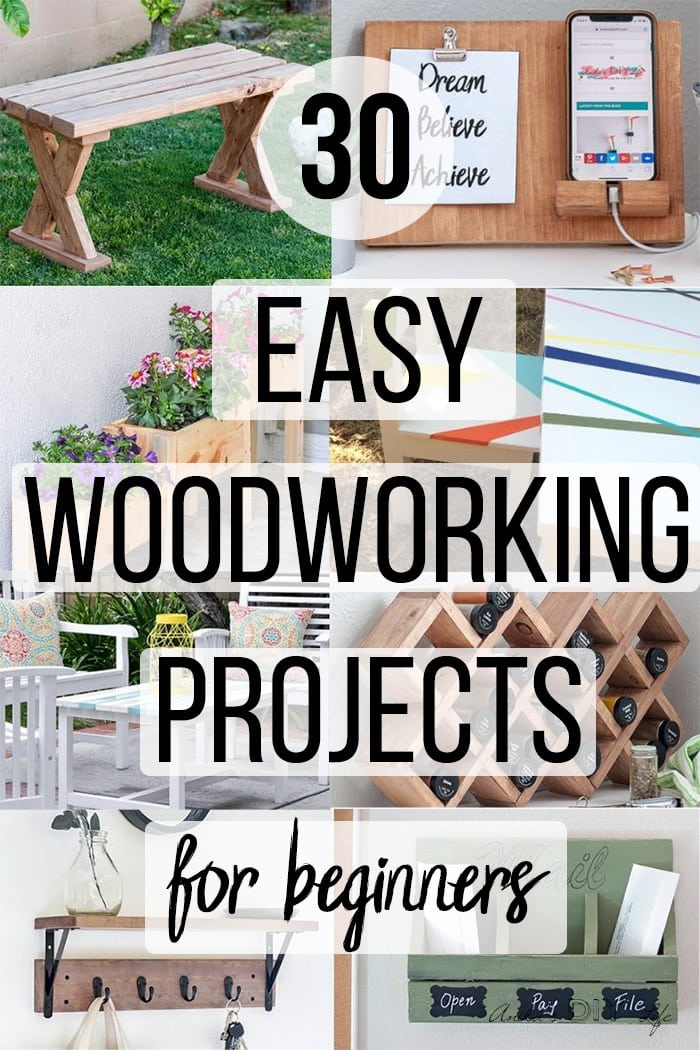
Credit: www.anikasdiylife.com
Choosing The Right Wood
Different woods have unique qualities. Oak is strong and lasts long. Pine is soft and easy to work with. Cedar resists rot and insects. Maple is hard and often used for furniture. Choose wood based on your project needs.
Check for knots and cracks. These can weaken the wood. Look for wood with straight grain. This is easier to cut and shape. Pick wood that is dry. Wet wood can warp and split. Always buy from a trusted supplier for quality assurance.
Beginner Woodworking Projects
Building simple shelves is a great start for beginners. You need only basic tools. A saw, a hammer, and nails. Choose strong wood like pine or oak. Cut the wood to your desired length. Use a level to make sure your shelves are straight. Attach the shelves to the wall with brackets. Always measure twice, cut once. Paint or stain the wood for a finished look. This project improves your skills and boosts your confidence.
Creating a basic table is another good project. Use sturdy wood for legs and top. Cut four legs to the same height. Attach them to the table top with screws. Sand the edges to smooth rough spots. You can add a shelf under the top. This gives extra storage. Finish with paint or varnish. Building a table teaches you precision and patience.
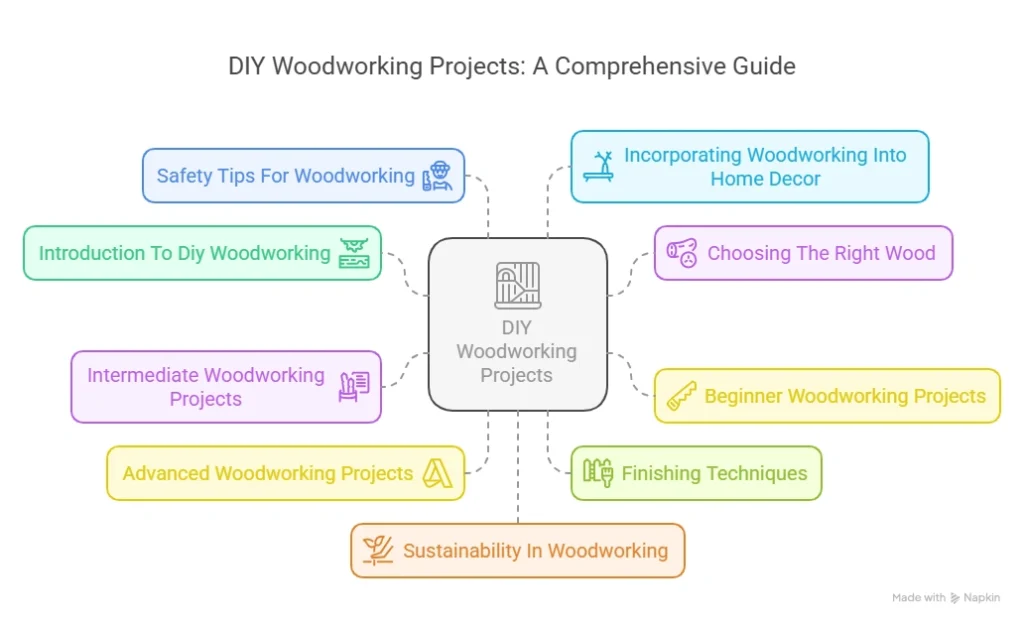
Intermediate Woodworking Projects
A coffee table can be a great woodworking project. It requires some skill but is very rewarding. Use solid wood for durability. Consider oak or maple. These woods are strong and look beautiful. Sand the wood well. This will make the surface smooth. Apply a finish to protect the wood. You can use varnish or paint. Add legs that are sturdy. Make sure they are the same length. This will keep the table stable. You can add a shelf underneath. This is good for storage.
Building a bookshelf is another intermediate project. Use plywood or hardwood. These materials are strong. Measure the space where the shelf will go. Cut the wood to fit this space. Sand the edges to make them smooth. Assemble the pieces carefully. Use screws for extra strength. Paint or stain the wood to protect it. Add brackets for support. Shelves should be level. This keeps books from falling. You can add a backing. This gives extra support and looks nice.
Advanced Woodworking Projects
Building custom cabinets can enhance your space. Start with a clear plan. Use quality wood for durability. Measure twice to avoid mistakes. Cabinet doors should align well. Strong joints keep everything secure. Add custom handles for a unique touch. Paint or stain them to match your decor. Enjoy your new custom cabinets.
Creating intricate furniture is a rewarding challenge. Detailed designs need careful attention. Small mistakes can show up. Use sharp tools for clean cuts. Sand edges for a smooth finish. Carved details add beauty. Choose wood that suits your design. Take your time and be patient. Enjoy your handcrafted furniture.
Finishing Techniques
Staining gives wood a deep color. It shows the grain. Painting hides the wood. It adds bright color. Stain needs a sealer. Paint does not need a sealer. Stain can be water-based or oil-based. Paint can be latex or oil-based.
Protective coatings keep wood safe. Polyurethane is strong. It protects from scratches. Shellac adds shine. It is not water-resistant. Varnish is good for outdoors. It handles sun and rain. Wax gives a soft finish. It needs frequent reapplication. Choose the right coating for the project.
Safety Tips For Woodworking
Always wear safety goggles to protect your eyes. Use ear protection to avoid loud noise damage. Gloves keep your hands safe from splinters. Wear a dust mask to avoid inhaling sawdust. Sturdy shoes protect your feet from falling objects. Long sleeves can protect your arms from cuts.
Read the manual for each tool. Know how to turn off tools quickly. Keep tools sharp and in good condition. Do not use damaged tools. Always clamp wood securely before cutting. Keep fingers away from cutting edges. Unplug tools when not in use.
Incorporating Woodworking Into Home Decor
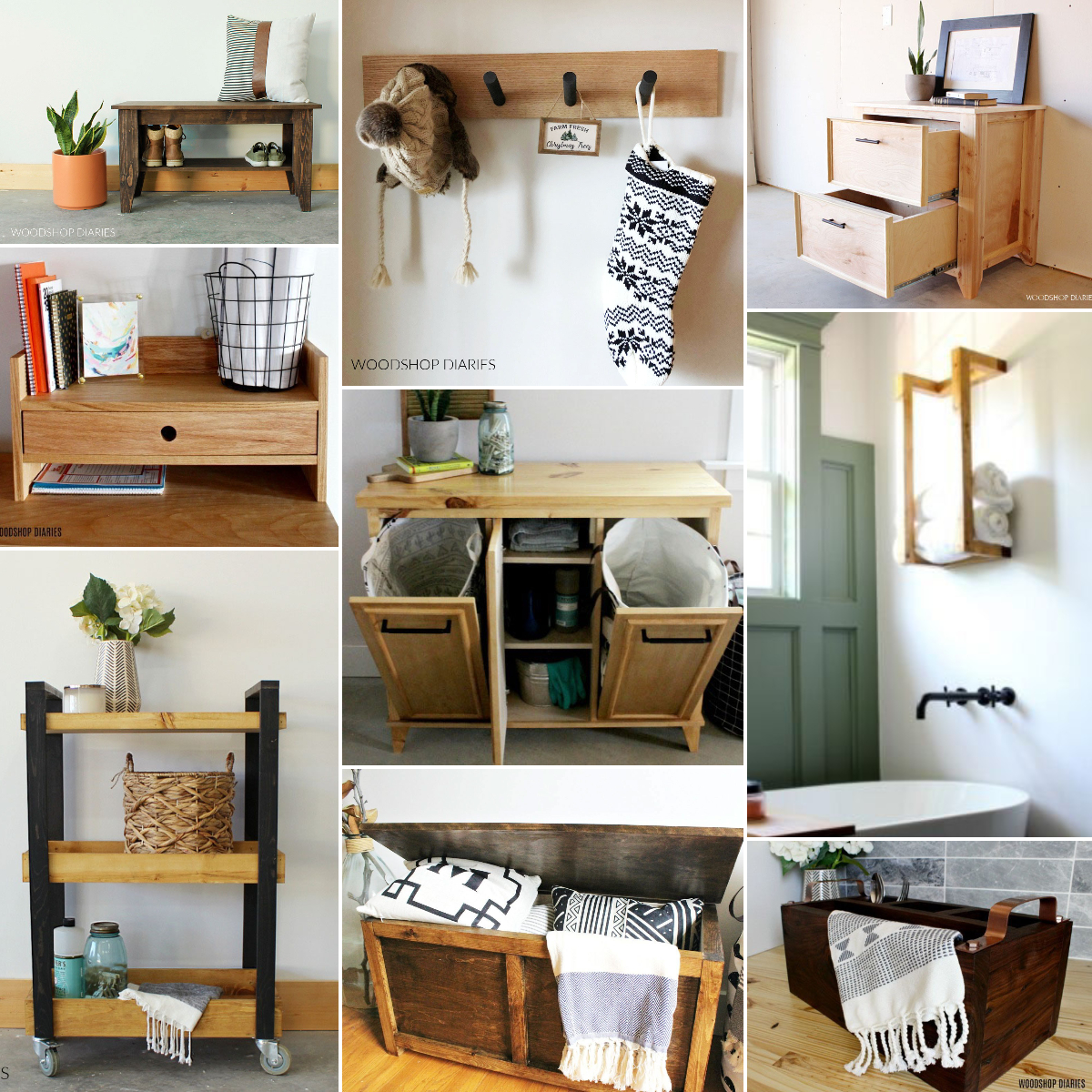
Accent pieces add charm to any room. A handcrafted wooden frame can showcase your favorite photos. Wooden candle holders create a cozy atmosphere. Simple wooden shelves can hold small plants or books. Small wooden sculptures bring a unique touch. Wooden trays are perfect for organizing items on a coffee table.
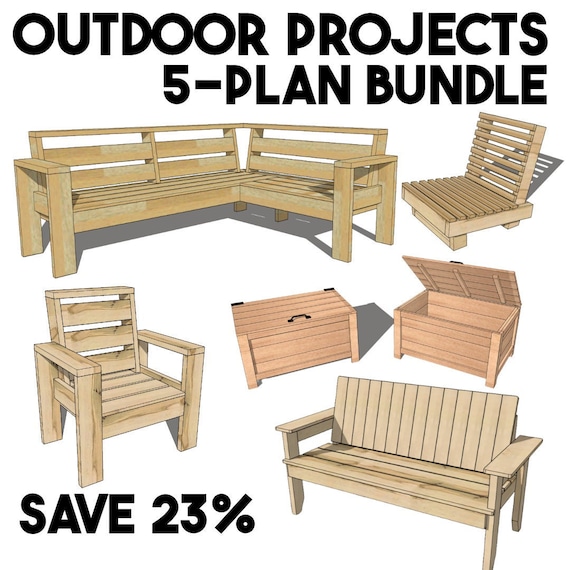
Functional furniture serves a purpose and looks great. A wooden coffee table can be the centerpiece of your living room. Wooden stools offer extra seating and style. A custom bookshelf keeps your books organized. Wooden benches are perfect for entryways. Small wooden desks fit in tight spaces and provide a workspace.
Sustainability In Woodworking
Choosing eco-friendly materials is important. They help the planet. Recycled wood is a great option. It saves trees. Bamboo grows fast. It is strong and green. Reclaimed wood adds character. It looks unique.
Using sustainable practices makes a big difference. Reduce waste by using every bit of wood. Reuse scraps for smaller projects. Recycle old pieces to create new items. Buy local wood to cut down on shipping. Plant trees to replace what you use. Safe finishes are better for health.
Credit: www.etsy.com
Tips For Setting Up A Home Workshop
First, clear out a small area in your garage or basement. Make sure there is enough light. Good lighting is important for safety. Use shelves to store wood and tools. Label all containers. It helps to know where things are. Keep the floor clean. This prevents accidents.
Some tools are essential for any workshop. A saw is needed to cut wood. A hammer is used to put nails in. A drill helps to make holes. Sandpaper smooths rough edges. A measuring tape ensures accurate cuts. Finally, safety gear like gloves and goggles is a must. Without these, injuries can happen.
Credit: www.woodshopdiaries.com
Frequently Asked Questions
What Tools Do I Need For Woodworking?
For woodworking, you need basic tools like a saw, hammer, measuring tape, and screwdrivers. Advanced tools include a table saw, router, and planer.
How Do I Start A Diy Woodworking Project?
Begin with simple projects. Gather materials, follow a plan, and ensure safety measures. Start small and build your skills.
What Type Of Wood Is Best For Beginners?
Softwoods like pine and cedar are easier to work with. They are affordable and readily available for beginners.
How Can I Ensure Safety While Woodworking?
Wear safety gear like goggles and gloves. Keep your workspace clean and use tools correctly. Follow all safety guidelines.
Conclusion
Woodworking DIY projects are perfect for creativity and relaxation. They offer a hands-on approach to crafting beautiful items. From simple shelves to complex furniture, the possibilities are endless. You can use reclaimed wood or buy new materials. The key is patience and practice.
Start small and work your way up. Enjoy the process and the satisfaction of creating something unique. Woodworking not only enhances your skills but also provides a great sense of accomplishment. Dive into your next project today and discover the joy of woodworking.