Aspen Versus Poplar for Cabinets: Which Is Better?
Choosing the right wood for your cabinets can feel a little tricky, especially when you’re just starting out. You might hear about different types of wood like aspen and poplar and wonder which one is the best fit for your kitchen or bathroom. It’s a common question, and sometimes figuring it out can seem like a puzzle.
But don’t worry, we’ll break it down step-by-step so you can make a smart choice easily. Get ready to learn about the differences and discover which wood will make your cabinets look great and last a long time.
Aspen vs Poplar for Cabinets Which Is Better
When you’re thinking about building or refacing your kitchen cabinets, the wood you choose makes a big difference. It affects how they look, how long they last, and how much they cost. Two woods that often come up in these discussions are aspen and poplar.
Both are hardwoods, meaning they come from deciduous trees, and both have their own unique qualities that make them suitable for different projects. Understanding the pros and cons of each will help you decide which one is right for your home. This section will look at the main features of aspen and poplar to help you see the differences clearly.
What is Aspen Wood
Aspen wood comes from aspen trees, which are known for their fast growth and adaptability to various climates. These trees are widespread, especially in North America and Europe. The wood itself is light in color, often creamy white to pale yellow, and has a fine, even texture.
It’s a relatively soft hardwood, which means it’s easier to work with compared to denser woods. Because of its light color, it takes stains and paints very well, allowing for a lot of design flexibility. It’s also known for being splinter-free, which is a nice bonus when you’re handling it during a DIY project.
One of the most appealing aspects of aspen is its uniformity. It has a subtle, straight grain that doesn’t draw too much attention. This makes it a great choice for a clean, modern look or when you want a painted finish that is smooth and even.
Its lightweight nature also makes it easier to install cabinets, especially if you’re doing the work yourself. However, its softness means it can be more prone to dents and scratches than harder woods. This is an important consideration for high-traffic areas like kitchen cabinets.
Aspen is also recognized for its stability. This means it doesn’t expand or contract much with changes in humidity and temperature. This is a valuable trait for cabinetry, as it helps prevent warping and joint separation over time.
The wood has a smooth feel and is often used for decorative items, small furniture, and, of course, cabinet components. Its availability and cost-effectiveness also make it an attractive option for many homeowners looking for a budget-friendly yet attractive material.
What is Poplar Wood
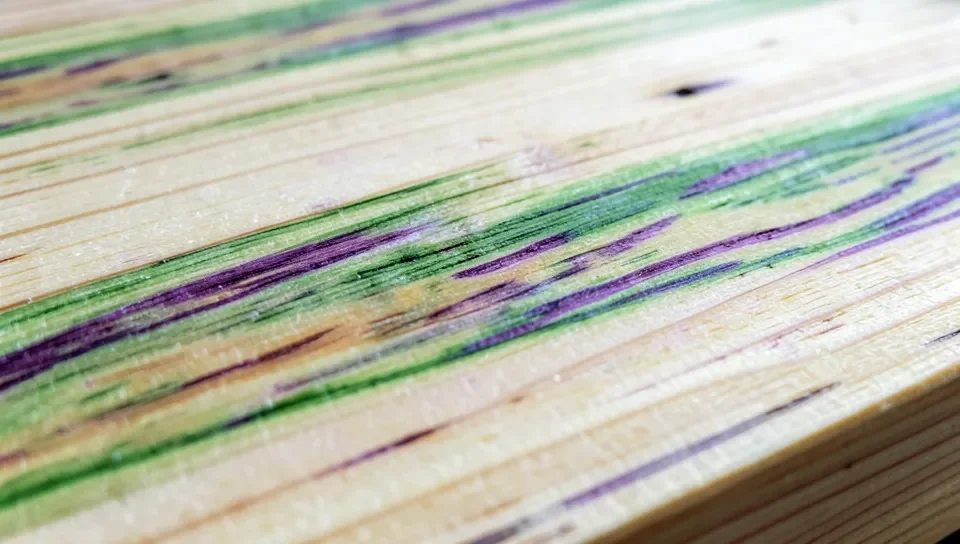
Poplar wood comes from poplar trees, another type of deciduous tree that grows quite quickly and is abundant in many parts of the world. Poplar is also a hardwood, but it tends to be a bit harder and denser than aspen. Its color can vary more than aspen, ranging from creamy white to yellowish-brown, and it often has streaks of green, purple, or gray within the grain.
This natural variation can be a unique design element if you’re aiming for a rustic or eclectic look, but it can also make achieving a perfectly uniform painted finish more challenging without proper preparation.
Poplar is known for being relatively easy to work with, despite being a bit harder than aspen. It cuts, sands, and shapes well, making it suitable for various woodworking projects, including cabinet doors, drawer fronts, and frames. Its strength and stability are also good for cabinetry.
While it might not be as naturally beautiful as some premium woods, its affordability and workability make it a very popular choice for painted cabinets. It can also be stained, but the natural color variations might show through, creating a more dynamic effect.
The presence of darker streaks in poplar is sometimes seen as a drawback for those seeking a pristine, uniform look. However, many woodworkers embrace this characteristic, seeing it as part of the wood’s natural charm. Poplar is also quite durable and resistant to decay, which adds to its appeal for furniture and cabinetry.
It’s a solid, reliable choice for many home improvement projects, offering a good balance of cost, durability, and ease of use. Its widespread availability ensures it’s a common option in most lumber yards.
Best For Blocking Poplar’s Streaks Before Painting
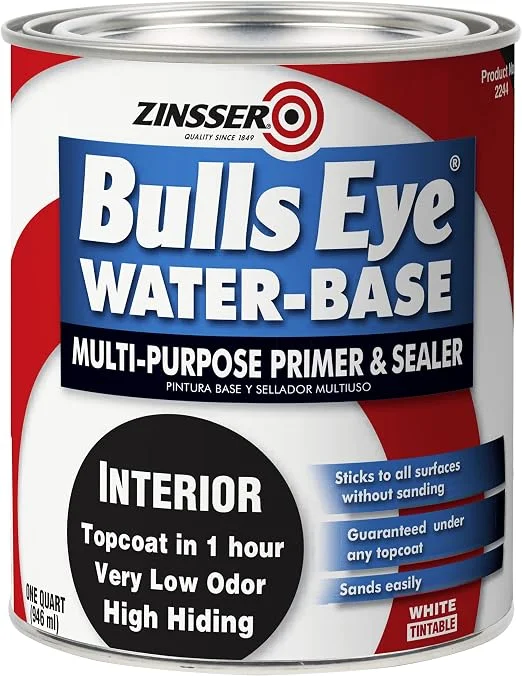 |
Zinsser Bulls Eye 1-2-3 Stain-Blocking Primer, Quart – $9.44 A fast-dry, stain-blocking primer that seals poplar’s mineral streaks so they don’t bleed through your topcoat – exactly the extra prep step this guide recommends for poplar cabinets.
|
Comparing Aspen and Poplar for Cabinets
Now that we know a bit about each wood, let’s put them side-by-side to see how they stack up for cabinet use. When people ask which one is better, they are really trying to find out which wood offers the best combination of appearance, durability, workability, and cost for their specific needs. Both woods have their strengths and weaknesses, and the “better” choice often depends on the desired finish, budget, and how the cabinets will be used.
This comparison will help clarify the key differences, making your decision process much simpler.
Appearance and Finish Options
The visual appeal of your cabinets is paramount. Aspen is favored for its consistently light, creamy white color and fine, even texture. This makes it an excellent canvas for paint.
If you desire a smooth, uniform painted finish, aspen is a top contender because its natural color is very neutral. The grain is subtle and straight, so it doesn’t distract from the paint color. Staining aspen can also yield beautiful results, often giving a light, natural look that’s airy and bright.
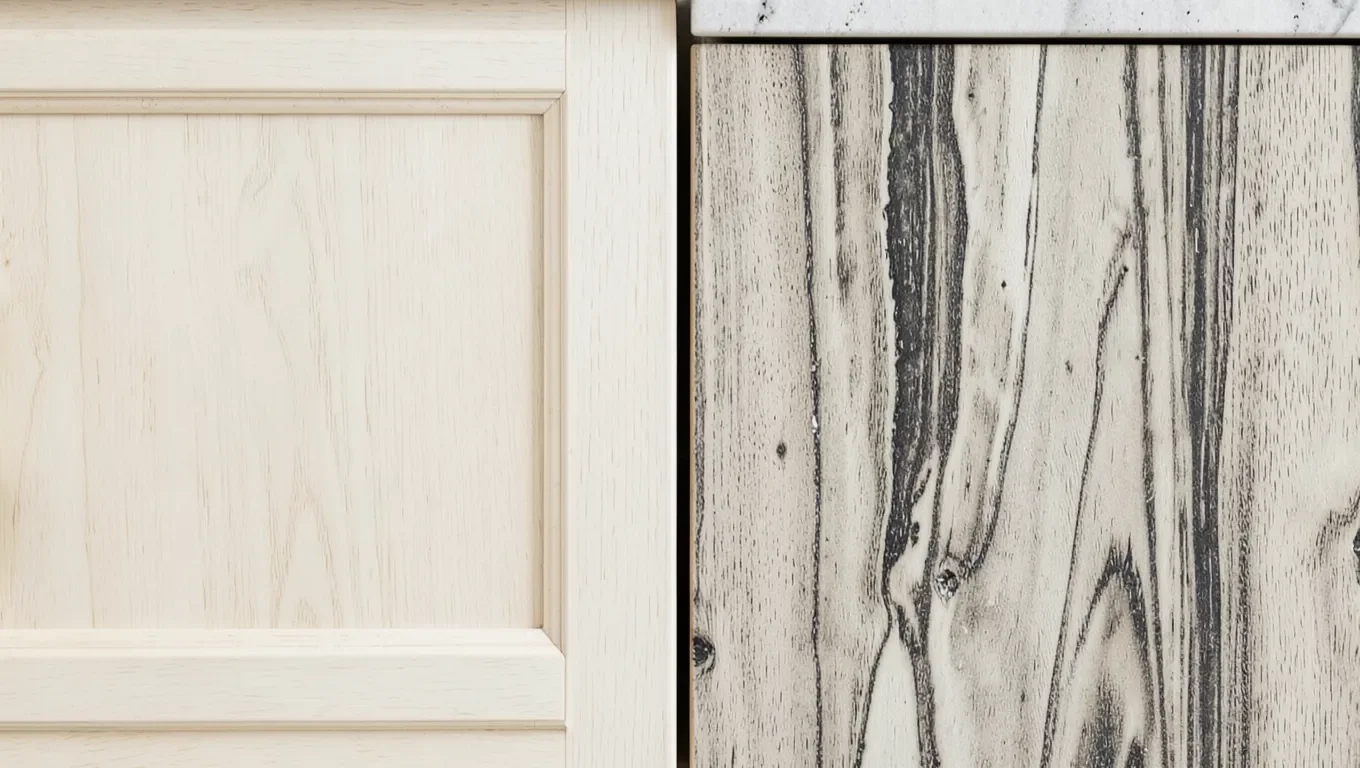
Poplar, on the other hand, has a more varied color palette. It can range from pale yellow to brown, with distinctive streaks of green, gray, or even purple. This natural variation can be a beautiful feature if you’re going for a rustic or antique look where the wood’s character is celebrated.
However, if you plan to paint your cabinets and want a perfectly uniform color, poplar requires more careful preparation to ensure the streaks don’t show through or affect the paint’s hue. Staining poplar can be unpredictable due to these color differences, sometimes leading to blotchy results if not sealed properly.
For a clean, modern painted finish, aspen often has an edge due to its uniformity. For a more natural or distressed look where color variations are welcome, poplar can offer a unique charm. The choice here really hinges on the aesthetic you’re trying to achieve.
If a perfectly smooth, solid color is your goal, aspen is generally the safer bet. If you’re open to a bit more natural character and variation, poplar might be more interesting.
Durability and Strength
When it comes to cabinets, durability is key. They are used every day and need to withstand a lot of wear and tear. As true hardwoods (from broadleaf, deciduous trees), aspen and poplar generally hold up better than softwoods like pine.
However, there are differences in their hardness. Aspen is considered a relatively soft hardwood. While it’s stable and doesn’t warp easily, its softer nature means it can be more susceptible to dents, scratches, and dings from everyday use.
This is a significant factor for kitchen cabinets, which can endure bumps from pots, pans, and even children.
Poplar is generally a bit harder and denser than aspen. This makes it more resistant to impacts and surface damage. While it’s not as hard as woods like oak or maple, it offers better protection against the rigors of daily use in a busy household.
Its strength means that cabinet doors and drawer fronts made from poplar are less likely to get damaged over time. This added resilience can be a deciding factor for many homeowners, especially those with active families or pets.
The stability of both woods is quite good, meaning they are less prone to expanding and contracting with changes in humidity. This is important for maintaining the integrity of cabinet joints and preventing warping. However, when comparing their resistance to physical damage, poplar typically has a slight advantage over aspen.
If your primary concern is how well your cabinets will hold up to daily knocks and scrapes, poplar might be the more robust choice.
Workability and Ease of Use
For DIY enthusiasts or those working with a contractor who values ease of execution, the workability of wood is a crucial consideration. Ease of use is part of why both woods are popular cabinet choices in the first place. Aspen is very easy to machine and cut.
Its fine, even texture means it sands smoothly, and it’s less likely to splinter compared to some other woods. This makes it a pleasure to handle and shape. Its light weight also contributes to easier installation.
Poplar is also quite workable. It cuts cleanly and sands well, though its hardness might require slightly sharper tools compared to aspen. The natural color variations in poplar can sometimes make it a bit trickier for a perfectly uniform finish, but from a purely woodworking perspective—cutting, drilling, and assembling—it’s straightforward.
Both woods accept glue and fasteners well, which are essential for cabinet construction.
When it comes to finishing, aspen’s uniform color makes it incredibly easy to achieve a flawless painted surface. Poplar’s variations can present a challenge for achieving a perfectly solid color, as the underlying streaks might still show through, even with primer. However, if you’re looking for a stained finish, both can be worked with, though results may vary.
For ease of achieving a perfect painted finish, aspen has an advantage. For general woodworking ease, both are excellent choices.
Cost and Availability
Cost is often a significant factor in choosing materials for home renovation projects. Compared to premium hardwoods like cherry, maple, or oak, both aspen and poplar are noticeably easier on the budget. Their widespread growth and faster maturity contribute to their lower price point, making them accessible options for many budgets.
Aspen is typically quite economical. Its availability is good, especially in regions where aspen trees are common.
Poplar is also known for being budget-friendly. Its abundance means it’s readily available at most lumber suppliers and home improvement stores. In terms of pure cost, aspen and poplar are often very close, with prices fluctuating based on local availability, grade, and market conditions.
It’s rare for one to be significantly more expensive than the other on a national scale. However, sometimes poplar can be slightly more available in certain regions, which can influence price.
The decision between aspen and poplar based on cost is usually minimal. You’re more likely to see larger price differences based on the grade of the wood (how free of knots and imperfections it is) or the supplier. Both offer excellent value for their price.
For a project where budget is a major concern, either aspen or poplar will likely fit the bill without compromising too much on quality or appearance, especially when painting.
Detailed Comparison
This detailed comparison aims to provide a clear picture for making an informed decision. We’ve looked at the individual traits, but now it’s time to see how they really stack up against each other for cabinetry. The choice between the two often comes down to your priorities.
Are you aiming for a flawless painted finish or a more natural, varied look? How important is resistance to dents and scratches for your lifestyle? Considering these questions will guide you towards the best wood for your specific situation.
| Feature | Aspen | Poplar |
|---|---|---|
| Color | Creamy white to pale yellow, very uniform | Creamy white to yellowish-brown, often with green, purple, or gray streaks |
| Grain | Fine, straight, and subtle | Fine to medium, can be straight or irregular |
| Hardness (Janka rating approximation) | Softer hardwood (approx. 400-470 lbf) | Moderately soft hardwood (approx. 510-570 lbf) |
| Paintability | Excellent, very smooth and uniform finish | Good, but color variations may require extra prep |
| Stainability | Good, results in a light, natural look | Can be unpredictable due to color variations; may appear blotchy |
| Durability (Scratch/Dent Resistance) | Moderate; more prone to dings | Good; more resistant to impacts |
| Workability | Very easy, sands smoothly, less splintering | Easy, cuts cleanly, sands well |
| Stability (Expansion/Contraction) | Excellent | Very Good |
| Cost | Economical | Economical |
| Availability | Good, especially in certain regions | Excellent, widely available |
Here’s a breakdown of when each wood might be the preferred choice:
Choose Aspen if: You want a perfectly smooth, solid painted finish with no visible grain patterns or color variations. Its consistent color makes it ideal for modern or minimalist designs where the paint color is the main focus. It’s also a good choice if you’re a beginner DIYer and want a wood that’s extremely easy to work with and finish cleanly. The lack of strong grain can make repairs less noticeable if done well.
Choose Poplar if: You are looking for a more characterful cabinet. The natural color streaks can add a unique visual element, especially if you plan to use a glaze or a distressed finish. It’s also a better choice if your cabinets are in a high-traffic area where they might be subject to more knocks and bumps, as it offers slightly better resistance to dents and scratches. It’s a reliable, cost-effective option that holds up well over time for general use.
Two Common Situations
These two everyday situations show how the choice plays out in practice.
A modern painted kitchen: If you want a deep, solid color like navy or black with zero grain or streaking showing through, aspen is the safer pick. Its uniform, light color means the paint goes on evenly with no surprises from the wood underneath, and its stability helps the paint job hold up at the joints over time.
A rustic or farmhouse pantry: If you like the idea of the wood having some character under a light stain, poplar’s natural green and purple streaks can add a distinctive, antique look once lightly sanded and sealed. It also holds up a bit better under the weight and knocks that open shelving and pantry storage tend to take.
Tips for Working with Aspen and Poplar
Whether you choose aspen or poplar for your cabinets, a few tips can help ensure a successful project.
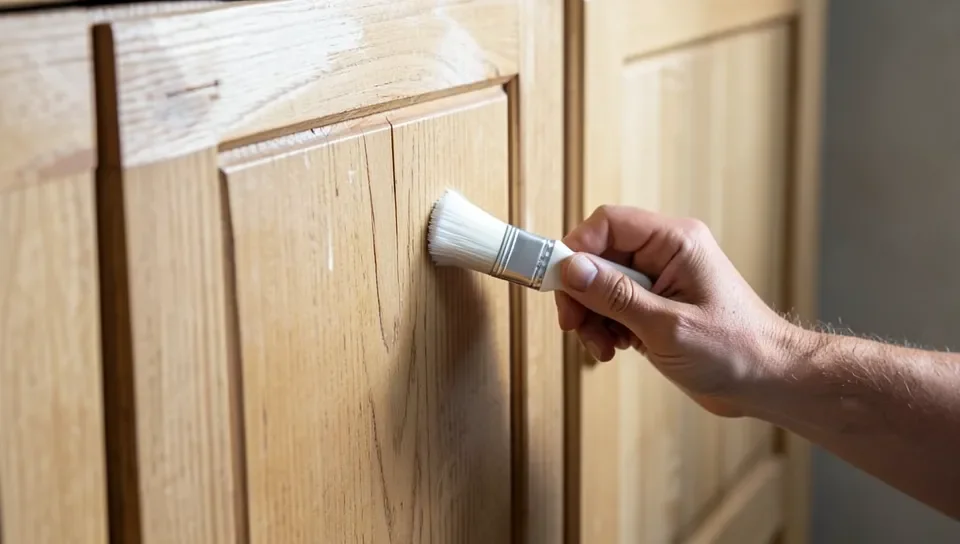
For Painted Finishes: Always use a high-quality primer specifically designed for cabinetry. For poplar, consider using a stain-blocking primer or applying two coats of primer to ensure any color variations don’t bleed through your topcoat. Sanding between primer coats is essential for a smooth finish. Ensure all surfaces are clean and free of dust before painting.
For Stained Finishes: Test your stain on scrap pieces of the exact wood you are using. Poplar can be particularly unpredictable, so a pre-stain conditioner can help create a more even absorption of the stain, preventing blotchiness. For aspen, the fine grain means stains will absorb more uniformly, but the results will be lighter and more subtle.
Sanding: Both woods sand well, but start with a medium grit (like 120-150) and finish with a fine grit (like 220) for a smooth surface. Always sand with the grain. If you encounter any rough spots or imperfections, address them during the sanding process.
Joining and Assembly: Use a good quality wood glue for all joints. Pre-drilling pilot holes for screws is recommended, especially for poplar, to prevent splitting. Pocket hole joinery works very well for cabinet boxes and doors made from both woods.
Finishing Touches: Once your chosen finish (paint or stain) is applied, consider a clear topcoat like polyurethane or lacquer. This adds an extra layer of protection against moisture and wear, which is crucial for cabinet longevity.
Frequently Asked Questions
Which wood is more durable for cabinets aspen or poplar?
Poplar is generally considered more durable than aspen for cabinets. Poplar is a bit harder and denser, making it more resistant to dents and scratches from daily use. Aspen is a softer hardwood and can be more prone to damage.
Can I paint aspen and poplar cabinets?
Yes, both aspen and poplar can be painted. Aspen is excellent for painting because of its uniform light color and fine texture, which leads to a smooth, flawless finish. Poplar can also be painted, but its natural color variations might require extra priming and sanding to prevent them from showing through the paint.
Which wood is better for stained cabinets aspen or poplar?
The choice depends on the desired look. Aspen stains well, offering a light, natural finish with its subtle grain. Poplar’s color variations can make staining unpredictable, sometimes leading to blotchiness, but these variations can also create a unique, character-rich look if that’s what you want.
Is aspen wood good for kitchen cabinets?
Aspen is a good choice for kitchen cabinets, especially if you plan to paint them. It is stable, easy to work with, and provides a smooth surface for paint. However, its softer nature means it might not be the best choice for kitchens where cabinets are subjected to heavy wear and tear without a protective finish.
Is poplar wood a good choice for cabinet doors?
Yes, poplar is a very good choice for cabinet doors. It is durable enough for everyday use, easy to machine and finish, and cost-effective. Its ability to take paint well makes it popular, though its natural color variation should be considered for stained finishes.
Summary
Deciding between aspen and poplar for your cabinets involves looking at your priorities. Aspen offers a beautifully uniform surface perfect for flawless painted finishes and is very easy to work with. Poplar provides a bit more durability against dents and scratches, and its natural color variations can add character, especially for stained or distressed looks.
Both are budget-friendly hardwoods, making them smart choices for many projects.
Sponsored / affiliate links. As an Amazon Associate I earn from qualifying purchases. I may earn additional commission from eligible campaigns.