DIY Wood Roach Repellent: Natural Solutions for a Pest-Free Home
Roaches can be a real nuisance in your home. They are not only unsightly but also a health hazard.
If you’re tired of dealing with these pesky invaders, a DIY wood roach repellent might be the solution you need. Creating your own repellent is simple and cost-effective. Plus, it allows you to avoid harsh chemicals found in commercial products.
Many natural ingredients can keep roaches at bay. This can make your home safer for pets and children. In this blog post, we will explore how you can create an effective wood roach repellent using items you may already have at home. Stay tuned to learn how to keep your home roach-free naturally and efficiently.
Introduction To DIY Wood Roach Repellent
Create your own wood roach repellent easily at home. Natural ingredients make it safe and effective. Keep pests away without harmful chemicals.
Roaches can be a nuisance in any home. They spread germs and create an unpleasant environment. Many people seek natural ways to repel these pests. DIY wood roach repellents offer a simple and effective solution.
Why Choose Natural Solutions
Natural solutions are safe for families and pets. They do not contain harmful chemicals. They are also eco-friendly and less expensive. Using natural repellents can create a healthier home environment.
Benefits Of DIY Repellents
Making your own repellents saves money. You can use items you already have at home. DIY solutions are customizable. You can choose the scents and ingredients you prefer. This makes the process fun and rewarding.
Credit: diypestcontrol.com
Identifying Wood Roaches
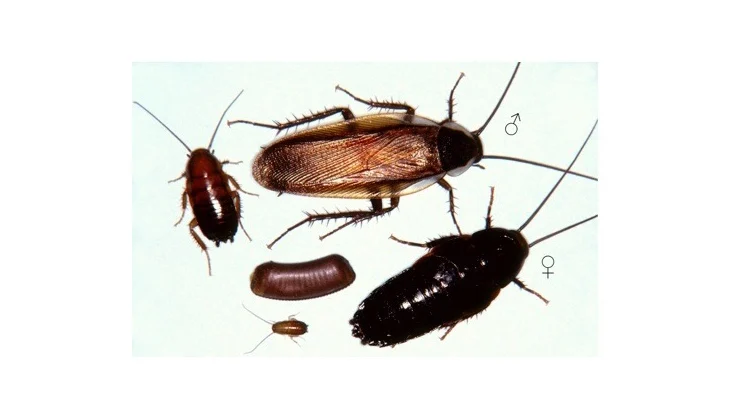
Wood roaches are often mistaken for common household cockroaches. Identifying them correctly is crucial for effective pest control. They thrive in moist, wooded areas and can sometimes enter homes. Knowing their characteristics and signs of infestation will help you tackle the problem efficiently.
Common Characteristics
Wood roaches have distinct features that set them apart from other roaches. Here are some common characteristics:
- Color: They are typically light brown or tan.
- Size: Adults range from 1 to 1.5 inches.
- Wings: Males have long wings and can fly; females have shorter wings.
- Shape: Their bodies are flat and oval-shaped.
Signs Of Infestation
Detecting a wood roach infestation early can prevent bigger problems. Look out for these signs:
- Sightings: You may see them near woodpiles or in damp areas.
- Shed Skins: Look for discarded skins around your home.
- Droppings: Small, black droppings are a clear sign.
- Egg Capsules: These are usually found in dark, moist areas.
If you notice these signs, it’s time to act. Using a DIY wood roach repellent can help keep these pests at bay.
Essential Oils For Repelling Roaches
Essential oils offer a natural way to repel roaches from your home. They provide a safe and eco-friendly option. These oils not only deter pests but also leave a pleasant aroma. Read on to learn about popular essential oils and how to use them effectively.
Popular Essential Oils
Peppermint oil is a strong repellent for roaches. Its intense scent disrupts their sense of smell. Lavender oil also works well. It creates an environment that roaches avoid. Eucalyptus oil is another good choice. Its sharp smell keeps roaches at bay. Tea tree oil is effective too. It has strong antibacterial properties. Citronella oil can also be used. Its lemony scent acts as a natural deterrent.
How To Use Essential Oils
First, mix essential oils with water. Use a spray bottle for easy application. Spray areas where roaches frequent. Focus on kitchen cabinets, under sinks, and corners. Refresh the spray every few days. You can also use cotton balls. Soak them in essential oils. Place them in problem areas. Ensure they are out of reach of children and pets. Another method is using diffusers. They spread the scent throughout the room. This keeps roaches away while freshening the air.
Homemade Roach Repellent Sprays
Creating your own homemade roach repellent sprays can be an effective way to keep your home free from these unwanted pests. Using natural ingredients, you can make simple, non-toxic solutions that are safe for your family and pets. These DIY sprays can help you maintain a clean and roach-free environment.
Simple Spray Recipes
Here are a few easy recipes to make your own roach repellent sprays at home:
| Ingredients | Instructions |
|---|---|
| 1 cup water 1 cup white vinegar 10 drops peppermint essential oil |
|
| 1 cup water 2 tbsp lemon juice 10 drops eucalyptus essential oil |
|
| 1 cup water 2 tbsp baking soda 10 drops tea tree oil |
|
Application Tips
Follow these tips for the best results:
- Spray around entry points like doors and windows.
- Focus on areas where you have seen roaches.
- Reapply the spray every few days for continuous protection.
- Keep the spray bottle out of reach of children and pets.
These simple steps will help you create a roach-free home with ease. Using natural ingredients ensures safety and effectiveness. Happy spraying!
Natural Roach Repellent Powders
Roaches are a common household pest. They spread diseases and cause discomfort. Many people prefer natural remedies over chemical sprays. Natural roach repellent powders are effective and safe. They use everyday ingredients to keep roaches at bay. Let’s explore some powerful ingredients and how to use them.
Effective Ingredients
Boric acid is a popular choice. It’s a natural compound. It affects the roach’s nervous system. Diatomaceous earth is another great option. It’s made from fossilized algae. It damages the roach’s exoskeleton. Baking soda mixed with sugar works well too. The sugar attracts the roaches. The baking soda kills them.
How To Apply Powders
First, clean the area to remove food crumbs. This ensures roaches are attracted to the powder. Sprinkle a thin layer of boric acid in roach-prone areas. Focus on cracks, crevices, and under sinks. For diatomaceous earth, lightly dust the same areas. Avoid over-applying as it can be messy.
Mix equal parts of baking soda and sugar. Spread the mixture in a thin layer. Place it near roach entry points. Reapply the powders every few days. Keep the area dry for better results. Remember, patience is key. Natural powders take time to work.
Using Herbs And Plants
Using natural methods to repel roaches can be very effective. One of the best ways to deter roaches is by using herbs and plants. This method is safe, cost-effective, and eco-friendly. Below, we will explore the best herbs and plants to use, as well as how to place and use them properly.
Best Herbs And Plants
Certain herbs and plants are known for their ability to repel roaches. Here is a list of the most effective ones:
- Bay Leaves: Roaches dislike the smell of bay leaves. Crushing them can enhance their potency.
- Catnip: Contains nepetalactone, a compound that repels roaches.
- Garlic: Its strong odor is unpleasant to roaches.
- Cucumber: Fresh cucumber slices can deter roaches due to their scent.
- Mint: The strong aroma of mint repels many pests, including roaches.
Placement And Usage
Knowing where to place these herbs and how to use them is crucial. Follow these tips for optimal results:
| Herb/Plant | Placement | Usage |
|---|---|---|
| Bay Leaves | Near entry points, in cabinets | Crush and scatter them |
| Catnip | In corners, behind appliances | Use dried catnip or catnip oil |
| Garlic | Kitchen, pantry | Place cloves in strategic areas |
| Cucumber | Near doors, windows | Place fresh slices |
| Mint | Windowsills, under sinks | Use fresh or dried leaves |
Remember to replace the herbs and plants regularly to maintain their effectiveness. Using these natural methods can help keep your home roach-free without harmful chemicals.
Preventative Measures
Preventing roaches from entering your home is crucial. By taking a few simple steps, you can keep these pests at bay. Let’s explore some effective preventative measures.
Sealing Entry Points
Roaches can enter through tiny cracks and holes. To block their entry, inspect your home thoroughly. Look for gaps around windows, doors, and pipes. Use caulk or weatherstripping to seal these openings.
A table can help you check common entry points:
| Entry Point | Action |
|---|---|
| Windows | Seal gaps with caulk |
| Doors | Use weatherstripping |
| Pipes | Apply caulk around pipes |
Don’t forget to check vents and chimneys too. Install mesh screens to prevent roaches from crawling in. Regularly inspect these areas to ensure they remain sealed.
Maintaining A Clean Home
A clean home is less attractive to roaches. Keep your kitchen and dining areas spotless. Wipe down counters and sweep floors daily. Store food in airtight containers.
Follow these tips to maintain cleanliness:
- Take out the trash regularly.
- Clean up spills immediately.
- Do not leave dirty dishes overnight.
Additionally, declutter your home. Roaches love hiding in piles of paper and boxes. Keep storage areas organized and dry. Vacuum carpets and rugs often.
Use natural cleaners like vinegar and baking soda. These are effective and safe. Avoid using harsh chemicals that can be harmful to pets and humans.
By sealing entry points and keeping your home clean, you can effectively prevent roach infestations. Implement these measures today for a roach-free home.
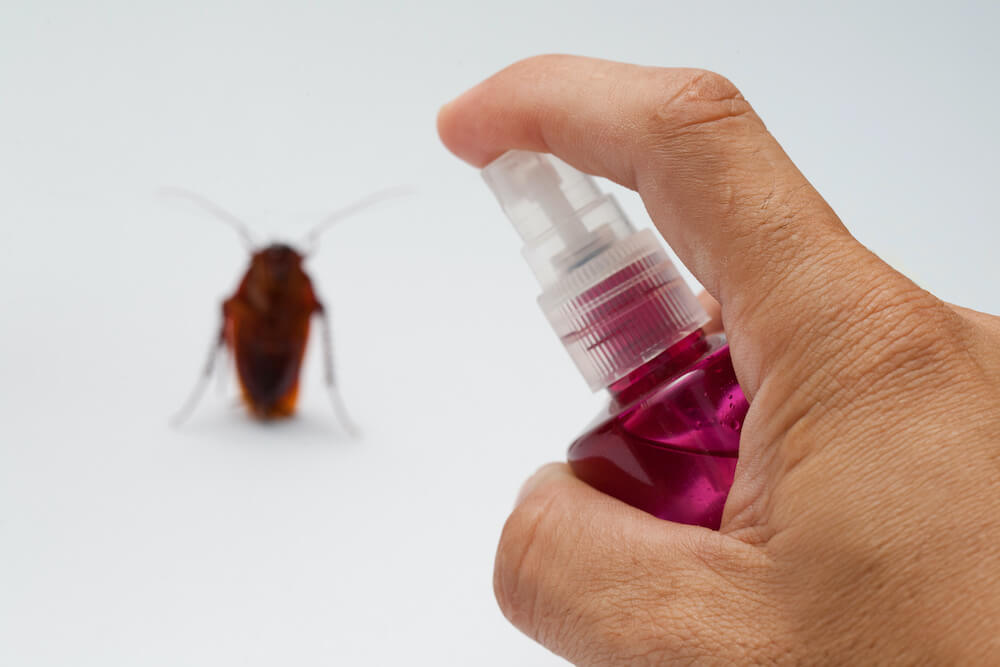
Credit: bughousepestcontrol.com
Long-term Roach Control
Creating a DIY wood roach repellent helps maintain a roach-free home. Mix essential oils like cedarwood or eucalyptus with water. Spray the solution around entry points and common roach areas.
Finding effective ways to keep roaches away can be challenging. Using DIY wood roach repellents is a natural option. For best results, focus on long-term roach control. This involves consistent effort and a few simple tips.
Regular Maintenance Tips
Keep your home clean. Roaches love food crumbs and spills. Sweep and mop floors regularly. Wipe down kitchen counters and store food in sealed containers. Avoid leaving dirty dishes in the sink overnight.
Seal cracks and gaps. Roaches can enter through tiny openings. Use caulk to seal cracks around windows, doors, and baseboards. Check for gaps around pipes and electrical outlets.
Use wood roach repellents correctly. Place them in areas where roaches are likely to hide. Common spots include under sinks, behind appliances, and in dark corners. Replace the repellent as needed to maintain its effectiveness.
When To Seek Professional Help
If you see roaches during the day, this is a sign of a large infestation. Roaches are nocturnal, so daytime sightings mean they are overcrowded. Professional help may be necessary.
If DIY methods do not work, call an expert. Sometimes, roaches are resistant to certain repellents. Pest control professionals have access to stronger treatments.
If you have allergies or respiratory issues, consider professional help. Roaches can trigger allergies and asthma. A professional can ensure your home is safe and roach-free.
By following these tips, you can keep roaches at bay. Long-term control requires consistency and attention to detail. With the right approach, your home can remain roach-free.
Frequently Asked Questions
How To Keep Roaches Off Of Wood?
Keep roaches off wood by cleaning regularly, sealing cracks, using roach baits, and applying essential oils like peppermint.
What Is The Best Homemade Roach Repellent?
Mix equal parts of baking soda and sugar. Sprinkle the mixture in areas where roaches are present. This natural remedy effectively repels roaches.
What Smell Do Wood Roaches Hate?
Wood roaches hate the smell of essential oils like peppermint, lavender, and eucalyptus. These scents repel them effectively.
What Time Of Year Are Wood Roaches Most Active?
Wood roaches are most active during late spring and early summer. They thrive in warm, humid conditions.
Conclusion
Creating your own wood roach repellent is simple and effective. Natural ingredients are safe for your home. No need for harsh chemicals. Save money and protect your family. Try these DIY methods today. You’ll see a big difference. Enjoy a pest-free home.
Keep experimenting with different solutions. Find what works best for you. Happy crafting and good luck!