How Often Should You Drink Cedar Tea? Thujone Risks Explained
Most “cedar tea” recipes actually use Thuja occidentalis (arborvitae) or Eastern red cedar (a juniper) — neither is a true Cedrus species — and both contain thujone, a compound that’s neurotoxic in excess. There’s no established safe daily dose for regular drinking, and Eastern red cedar has documented overdose cases including seizures. This guide covers which “cedar” is which, what the safety research actually shows, and who should avoid it entirely.
“Cedar” Tea Isn’t Made From a True Cedar Tree
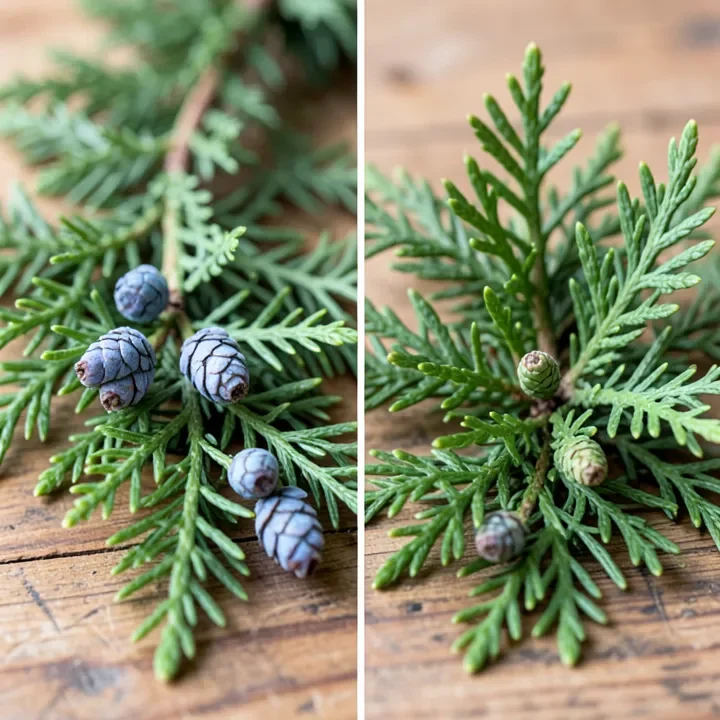
True cedars belong to the genus Cedrus — species like Lebanon cedar, Atlas cedar, and deodar cedar, native to the Mediterranean and Himalayas. They aren’t the trees behind “cedar tea” recipes. What people actually forage and steep is almost always one of two unrelated conifers that just borrowed the common name “cedar”: Eastern red cedar (Juniperus virginiana), which is a juniper, or northern white cedar (Thuja occidentalis), also called arborvitae, which is in the cypress family. Neither is a Cedrus.
That naming confusion is not a technicality — the two “cedars” people actually use have different documented risk profiles, which is exactly why species identification matters more here than in a typical herbal tea.
Eastern Red Cedar vs. Northern White Cedar: Why the Difference Matters
Eastern red cedar (Juniperus virginiana) is not the plant traditionally used for cedar tea. Overdose cases involving its essential oil have reported burning in the stomach, vomiting, convulsions, coma, and death — serious enough that it should not be treated as a casual tea ingredient.
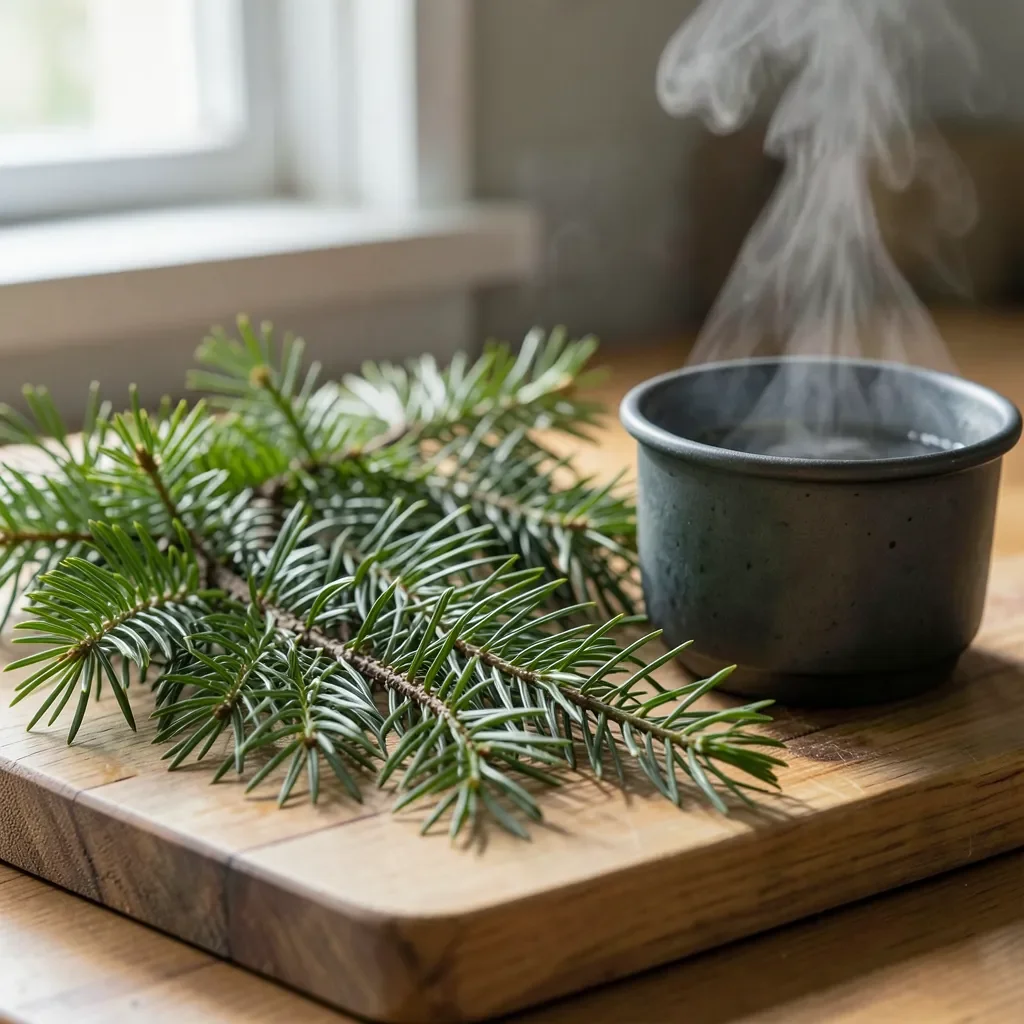
Northern white cedar (Thuja occidentalis) is the tree behind the traditional Native American and early-settler tea. It’s better documented historically, but it still contains thujone, and mainstream herbal-safety references describe it as suited to occasional, short-term use rather than an established-safe daily beverage — not a plant with a confirmed, regulator-set “safe dose” for routine drinking.
📊 One gram of fresh cedar leaf contains roughly 10.5 mg of thujone — well above the low milligram range some herbal-safety references treat as a cautious upper limit. Source: RxList, Thuja
The Historical Use — and Why It Isn’t the Same as a Daily Health Drink
Northern white cedar’s most famous documented use is medicinal history, not a wellness routine: researchers have identified it as the likely source of “annedda,” the vitamin-C-rich evergreen tea that cured Jacques Cartier’s scurvy-stricken crew in the winter of 1535–1536, according to a peer-reviewed account in the Journal of Ethnobiology and Ethnomedicine. (Some historians argue the tree was actually balsam fir, not white cedar — the identification is still debated.)
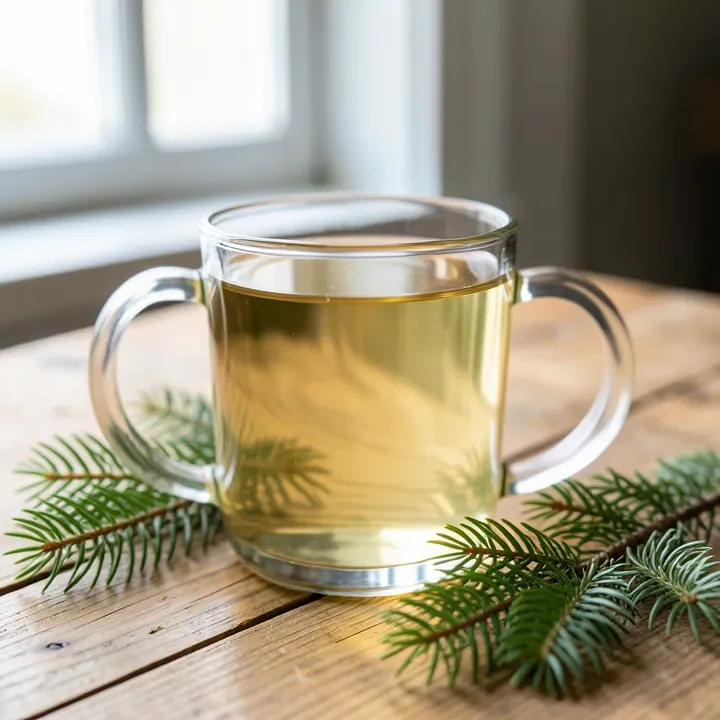
That’s a genuinely useful historical fact, but it doesn’t translate into “drink a cup daily for wellness.” Cartier’s crew were treating acute, severe vitamin C deficiency with the strongest plant source available in a Quebec winter with no alternative — not using it as a routine beverage alongside a normal modern diet that already supplies vitamin C. Historical emergency use and daily recreational use are not the same safety question.
What the Safety Research Actually Says About Thujone
Thujone’s mechanism is well studied outside the cedar-tea context: research published in PNAS on absinthe and wormwood found that thujone blocks GABA-A receptor chloride channels in the brain, the same receptor family targeted by convulsant poisons like picrotoxin. At high enough doses, that blockage is what produces the tremors and seizures reported in overdose cases.
What’s missing from most “cedar tea” articles, including earlier versions of this one, is that no health authority has published an established safe daily dose for casual cedar tea drinking. Numbers like “one cup a day” or “three cups a week” that circulate online are not sourced to any toxicology body — they’re folk guidance repeated from site to site. The honest answer is that herbal-safety references consistently frame this as an occasional, short-term preparation rather than a quantified daily habit, and cedar essential oil specifically should never be taken internally at all — it’s far more concentrated than a steeped tea and is the form linked to the most severe overdose reports.
Who Should Avoid Cedar Tea Entirely
- Pregnant or breastfeeding people — thujone crosses into contexts where its effects on a fetus or infant haven’t been established as safe.
- Anyone with a seizure disorder — given thujone’s documented action on GABA-A receptors, it’s a mechanistically plausible seizure trigger.
- Anyone with kidney disease — commonly cited as a precaution in herbal-safety references for this plant.
- Anyone who can’t positively identify the species — misidentifying a juniper for an arborvitae, or vice versa, is the single biggest risk factor in every documented bad outcome.
- Children — smaller body mass means a much lower margin between a typical serving and a concerning dose.
If you don’t fall into any of those groups and still want to try a traditional preparation, treat it as occasional rather than routine, confirm the species with a real field guide or a knowledgeable forager rather than a photo search, and talk to a healthcare provider first if you take any regular medication — thujone’s effect on drug interactions isn’t well studied.
Frequently Asked Questions
Is cedar tea actually made from a real cedar tree?
No, not from a true Cedrus species. Most “cedar tea” is brewed from northern white cedar (Thuja occidentalis), which is actually in the cypress family, or occasionally Eastern red cedar, which is a juniper. True cedars like Lebanon or Atlas cedar aren’t typically used for tea.
What are the risks of drinking cedar tea?
The main risk is thujone, a compound that blocks GABA-A receptors in the brain and can cause tremors or seizures at high doses. Documented overdose cases, mostly involving concentrated Eastern red cedar essential oil rather than steeped tea, include stomach burning, vomiting, convulsions, and death in severe cases.
Is Eastern red cedar the same plant as northern white cedar?
No. Eastern red cedar (Juniperus virginiana) is a juniper, while northern white cedar (Thuja occidentalis), also called arborvitae, is in the cypress family. Both are commonly called “cedar” despite neither being a true Cedrus species, and they have different documented toxicity profiles.
Did cedar tea really cure scurvy?
A peer-reviewed account in the Journal of Ethnobiology and Ethnomedicine identifies a vitamin-C-rich evergreen tea, likely from northern white cedar, as the “annedda” that cured Jacques Cartier’s scurvy-stricken crew in 1535–1536 — though some historians argue the source tree was balsam fir instead. Either way, that was emergency treatment for severe vitamin deficiency, not a template for routine daily drinking.
Who should not drink cedar tea?
Pregnant or breastfeeding people, anyone with a seizure disorder or kidney disease, children, and anyone who can’t positively identify the tree species should avoid it. Cedar essential oil should never be taken internally under any circumstances.
Conclusion
The plants sold and foraged as “cedar tea” aren’t true cedars, and the thujone they contain doesn’t have an established safe daily dose for routine drinking — the confident “one cup a day” numbers that circulate online aren’t backed by any toxicology body. Get the species right, treat it as occasional rather than habitual, and skip it entirely if you’re pregnant, have a seizure or kidney condition, or can’t confirm what tree you’re actually holding.
Sponsored / affiliate links. As an Amazon Associate I earn from qualifying purchases. I may earn additional commission from eligible campaigns.