Advantages of Cedar Wood: Real Benefits (and the Waterproof Myth)
Cedar wood’s main advantages are natural rot and insect resistance from its own oils, dimensional stability, and an aromatic scent that doubles as a natural moth deterrent — all without chemical treatment. One correction worth making up front: cedar is water-resistant, not waterproof. Its oils slow water absorption and slow rot, but the wood still absorbs moisture over time and needs a sealant for ground contact or standing water, a distinction a lot of “advantages” articles blur or get flatly wrong.
Cedar Products Worth Having Around The House
Best Way To Use Cedar’s Aroma Indoors
 |
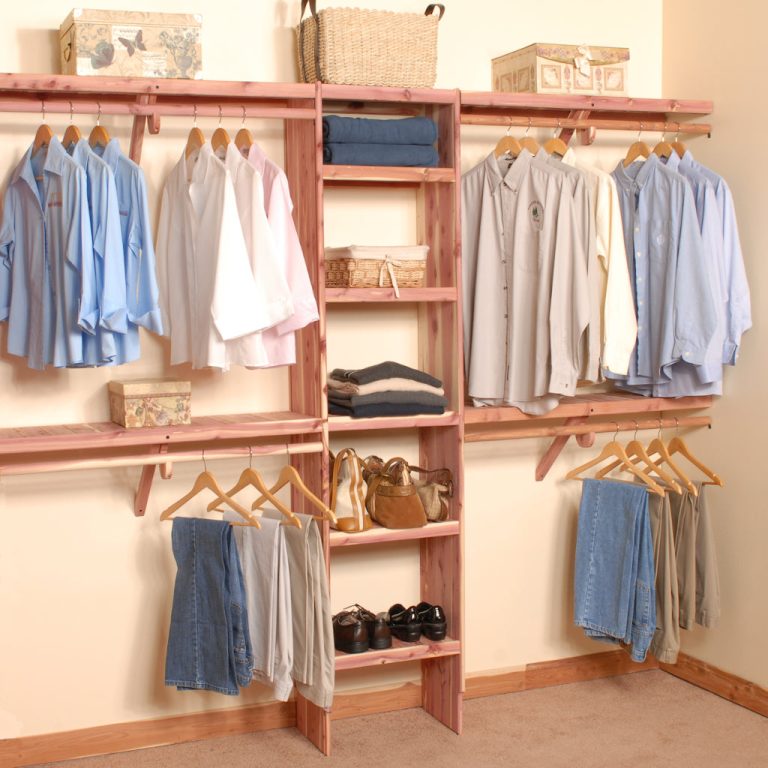
Homode Cedar Closet Liner Planks, Set of 8 – $27.54 Tongue-and-groove aromatic cedar panels bring the natural moth-deterrent scent this article talks about directly into a closet or drawer.
|
Compare more cedar closet and drawer options
 Value pack for larger closets — $26.99 Check Price |
 Drop-in blocks, no installation needed — $11.19, cheapest option here Check Price |
 Smooth, milled finish sized for standard drawers — $20.99 Check Price |
Natural Durability And Pest Resistance
Cedar’s natural oils (mainly thujaplicins in Western Red Cedar) are what give it rot and insect resistance without chemical treatment — the same oils responsible for the scent. This is a genuine, measurable property, not marketing: those compounds are documented to be toxic to decay fungi and repellent to many insects, which is why cedar has been the standard choice for closets, chests, shingles, and outdoor structures for generations.
Water Resistance Vs. Waterproof (The Distinction That Matters)
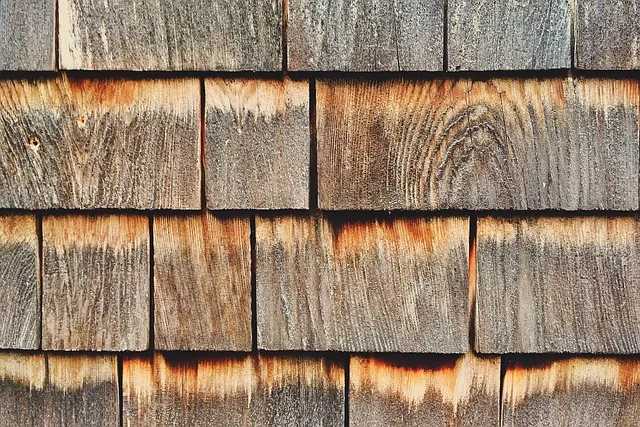
Cedar sheds water better than most woods and resists the rot that standing moisture usually causes, but it is not waterproof — left unsealed and in constant contact with water (a planter box, a boat hull below the waterline, ground contact), it will eventually absorb moisture, swell, and can still decay over enough time. For decking, fencing, and siding, a water-repellent sealant reapplied every 1-3 years is still the recommended practice even though cedar needs it less urgently than pine or fir.
Aesthetic And Aromatic Appeal
Cedar’s grain and color range from pale honey to deep reddish-brown, and its scent is more than a pleasant side effect — the aromatic oils that repel moths and insects are exactly what you’re smelling, which is why cedar linings are a functional pest deterrent rather than just decoration.
Environmental And Cost Considerations
Cedar is a renewable softwood that grows relatively quickly compared to hardwoods, and responsibly harvested cedar (look for FSC certification on larger purchases) is a genuinely lower-impact building material since it skips the chemical preservatives that pressure-treated lumber requires. It typically costs more upfront than pressure-treated pine, but the reduced maintenance and longer service life narrow that gap over the life of a project.
Maintenance And Care
Clean cedar with mild soap and water rather than harsh chemicals or a high-pressure washer, which can damage the surface fibers. For exterior cedar, reapply a water-repellent or UV-protective finish every 1-3 years — skipping this is the most common reason cedar decks and fences gray and split prematurely, since the graying itself is a UV effect on the surface, not decay.
Frequently Asked Questions
What Are The Disadvantages Of Cedar Wood?
Cedar costs more than basic pressure-treated lumber, is softer and more prone to denting than hardwoods, and its strong scent (a benefit for some uses) can be overpowering in enclosed spaces for sensitive individuals. It also still needs periodic sealing outdoors despite its natural resistance.
Is Cedar Wood Waterproof?
No, cedar is water-resistant, not waterproof. Its natural oils slow water absorption and rot better than most woods, but it still absorbs moisture over time and needs a sealant for ground contact, standing water, or long-term outdoor exposure.
What Is So Special About Cedar Wood?
Cedar is one of the few woods that resists rot and insects using its own natural oils rather than chemical treatment, while also being lightweight, easy to work with, and naturally aromatic — a combination few other woods offer at a similar price point.
Does Cedar Wood Need To Be Treated?
Cedar doesn’t need chemical pressure-treatment the way pine does, but exterior cedar still benefits from a water-repellent sealant reapplied every 1-3 years to slow graying and prevent moisture absorption at the surface.
Bottom Line
Cedar’s real advantages — natural pest resistance, dimensional stability, and genuine aromatic pest deterrence — are real and well documented. Just don’t let “naturally resistant” get rounded up to “waterproof” or “maintenance-free” when you’re planning a project.
Sponsored / affiliate links. As an Amazon Associate I earn from qualifying purchases. I may earn additional commission from eligible campaigns.