Do Japanese Maples Lose Leaves in Fall
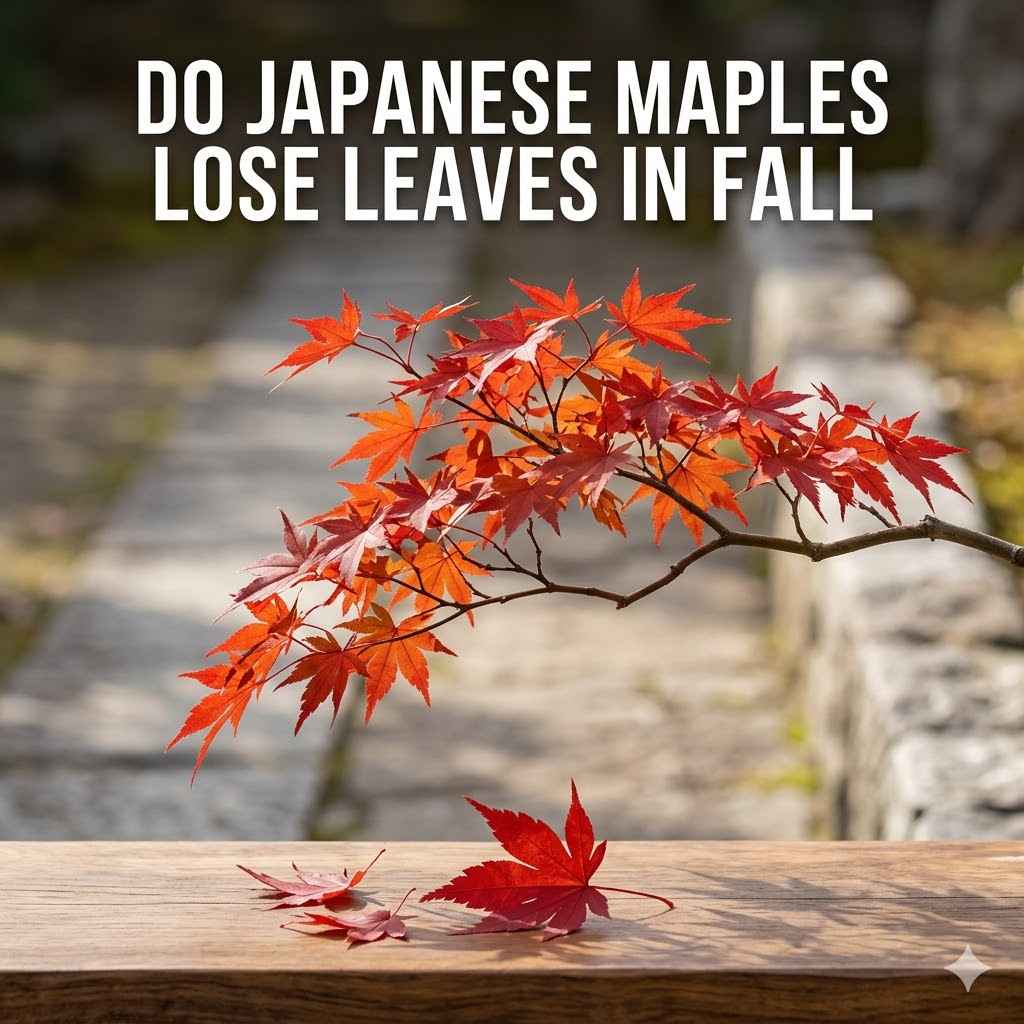
Many new gardeners wonder, Do Japanese Maples Lose Leaves in Fall? This can be a bit confusing because not all trees do. Some stay green, and some turn bright colors before dropping. It’s easy to get mixed up.
This guide will clear things up easily. We’ll walk through it step by step so you know exactly what to expect for your beautiful tree. Let’s find out what your Japanese Maple will do when the weather gets cooler.
Understanding Japanese Maple Fall Foliage
Japanese Maple trees are famous for their stunning beauty, especially in autumn. Many people love them for their delicate leaves and vibrant colors. When fall arrives, people naturally wonder about their trees’ behavior.
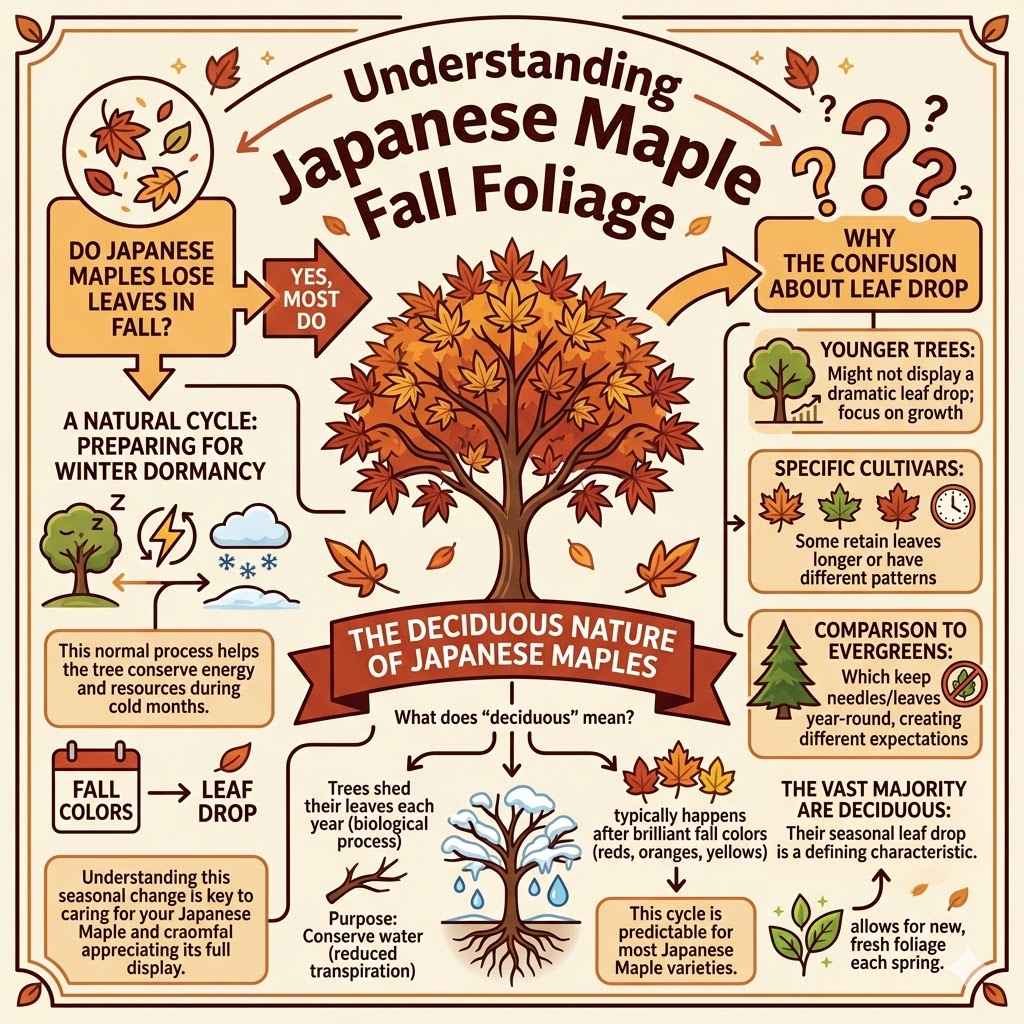
A common question is, Do Japanese Maples Lose Leaves in Fall? The answer is yes, most of them do. This is a normal part of their life cycle. It’s a sign that the tree is preparing for winter dormancy.
This process helps the tree conserve energy and resources during the cold months. Understanding this seasonal change is key to caring for your Japanese Maple and appreciating its full display of fall colors before the leaves drop.
The Deciduous Nature of Japanese Maples
Japanese Maples are deciduous trees. This means they naturally shed their leaves each year. It’s a biological process common to many trees in temperate climates.
The purpose of shedding leaves is to prevent damage from frost and snow. If leaves remained on the branches during winter, they could collect heavy snow and ice, leading to broken branches. Losing leaves also helps the tree conserve water.
Transpiration, the process of water loss through leaves, significantly reduces when leaves are gone. This is vital during winter when water is less available in the frozen ground.
This shedding typically happens after the tree has displayed its most brilliant fall colors. The vibrant reds, oranges, and yellows are the tree’s way of showing off before it goes into its resting phase. It’s a beautiful farewell to the growing season.
This cycle is predictable for most Japanese Maple varieties. Knowing they are deciduous helps gardeners avoid worry when the leaves start to fall.
Why the Confusion About Leaf Drop
The confusion about whether Japanese Maples lose leaves in fall often stems from a few factors. First, some younger trees might not display a dramatic leaf drop. Their energy is still focused on growth.
Second, a few specific cultivars might retain their leaves longer or have different shedding patterns, leading to generalizations. Another reason is that people might compare them to evergreen trees which keep their needles or leaves year-round. Evergreens provide year-round greenery, which can create a different expectation.
However, the vast majority of Japanese Maples are indeed deciduous. Their seasonal leaf drop is a defining characteristic. It’s an essential part of their natural cycle and beauty.
This natural shedding is what allows them to produce new, fresh foliage each spring. It’s a cycle of renewal that gardeners come to anticipate and enjoy.
What Happens to Japanese Maple Leaves in Fall
When autumn arrives, Japanese Maples undergo a remarkable transformation. This period is characterized by changing leaf colors and eventual leaf drop. The process is both beautiful and essential for the tree’s health.
Understanding what happens during this time helps you appreciate your tree’s natural rhythms and care for it properly. This section will detail the visual changes and the underlying biological reasons for these autumn events.
The Spectacle of Autumn Colors
The most anticipated part of fall for many Japanese Maple owners is the color change. As days shorten and temperatures cool, chlorophyll, the green pigment that makes leaves, begins to break down. This allows other pigments, like carotenoids (yellows and oranges) and anthocyanins (reds and purples), to become visible.
The intensity and specific hues depend on the maple variety, weather conditions, and sunlight exposure.
For example, cultivars like ‘Bloodgood’ often turn a deep crimson, while ‘Sango-kaku’ might display bright yellow leaves with red-tinged stems. The exact timing of this color change can vary. It typically starts in mid-to-late autumn, peaking before the leaves finally fall.
A bright, sunny autumn with cool nights is often ideal for the most vibrant displays.
Factors Influencing Color Intensity
Sunlight Exposure: Trees that receive ample sunlight often develop richer and more intense colors. Areas of the tree that are shaded might show less vibrant hues. Full sun helps the plant produce more anthocyanins, which create the reds and purples.
Temperature Fluctuations: Cool, crisp nights followed by sunny days are perfect for color development. Frost can sometimes prematurely halt the color-changing process or damage delicate leaves. The transition from warm days to cool nights signals the tree to produce the pigments.
Water and Nutrient Levels: Proper watering and balanced soil nutrients are crucial. Drought stress can sometimes lead to earlier leaf drop and less impressive color. Over-fertilization, especially with nitrogen, can sometimes result in greener leaves or delayed color change.
These elements work together to create the annual masterpiece that is a Japanese Maple in autumn. It’s a visual reward for the care provided throughout the growing season.
The Process of Leaf Drop
After the leaves have displayed their spectacular colors, the process of leaf drop begins. This is a gradual shedding, not an instant event. A specialized layer of cells, called the abscission layer, forms at the base of the leaf stem.
This layer weakens the connection between the leaf and the branch.
As the abscission layer develops, it cuts off the flow of water and nutrients to the leaf. This causes the leaf to dry out and eventually detach from the branch. Wind and rain can accelerate the process, helping to clear the branches of spent foliage.
This natural shedding is how the tree prepares for the winter. It’s a vital step in its annual cycle.
Timing of Leaf Drop
Late Autumn to Early Winter: The majority of Japanese Maples will begin to shed their leaves from late autumn through early winter. This timing is influenced by climate and the specific variety of maple.
Variety Differences: Some cultivars might hold their leaves for a bit longer, especially if the weather remains mild. Others might drop them more quickly once the vibrant color fades.
Environmental Factors: Severe cold snaps or heavy frost can sometimes cause a more rapid and complete leaf drop. Conversely, prolonged warm spells might delay the shedding process.
The leaf drop is a complete cycle, ensuring the tree is ready for its dormant period. It’s a beautiful, natural process to observe each year.
Do Japanese Maples Lose Leaves in Fall A Detailed Look
To fully answer the question, Do Japanese Maples Lose Leaves in Fall?, we need to delve deeper into the biological and horticultural aspects. This section will provide comprehensive details on why and how they shed, addressing common concerns and offering practical insights for gardeners. We will explore the reasons behind this phenomenon, the variations among different types of Japanese Maples, and what this means for their care and appearance throughout the year.
Understanding Abscission
Abscission is the natural process by which plants shed parts, such as leaves, fruits, or flowers. In the case of Japanese Maple leaves, abscission is triggered by environmental cues like shorter days and cooler temperatures. A special layer of cells, the abscission layer, forms at the base of the leaf stalk (petiole).
This layer has two parts: the separation layer and the protective layer.
The separation layer is made of cells that weaken over time. Hormonal changes within the tree, particularly a decrease in auxin and an increase in ethylene, promote the formation and activity of this layer. As the cells in the separation layer break down, the connection between the leaf and the stem weakens.
Simultaneously, the protective layer, composed of corky cells, develops on the twig side. This layer seals the scar left on the twig after the leaf falls, preventing water loss and the entry of pathogens.
The process is efficient and ensures that the tree doesn’t lose excessive sap or sustain damage. This biological mechanism is crucial for the survival of deciduous trees like Japanese Maples in climates with distinct seasons. Without abscission, leaves would remain attached, potentially causing damage during winter or hindering the tree’s ability to enter dormancy.
Variations in Leaf Retention
While most Japanese Maples are deciduous and lose all their leaves, some cultivars exhibit variations in leaf retention. This can sometimes lead to confusion. For instance, a few varieties might retain some of their dead, brown leaves throughout the winter.
This phenomenon is known as marcescence. It’s important to note that these are still considered deciduous trees; the leaves are simply not abscising completely in the fall.
Marcescence is more common in younger trees or certain cultivars. The dead leaves, often called ‘flags’ or ‘remnants,’ eventually fall off in the spring as new growth emerges. This provides a bit of visual interest during the winter months, with the bare branches holding onto a few remnants of the past season.
However, this is not the norm for all Japanese Maples, and the vast majority will shed cleanly.
Common Cultivars and Their Fall Behavior
Acer palmatum ‘Bloodgood’: Known for its deep red foliage throughout the summer, ‘Bloodgood’ typically turns a brilliant scarlet in fall before dropping its leaves cleanly. It’s a classic example of a Japanese Maple with predictable fall leaf drop.
Acer palmatum ‘Sango-kaku’ (Coral Bark Maple): This cultivar is famous for its striking coral-red bark in winter. Its leaves turn a vibrant yellow in fall, often with red margins, and then drop, revealing the colorful bark.
Acer palmatum ‘Crimson Queen’ (Dissectum): These lace-leaf varieties often develop bronzy-red to deep red foliage that can turn fiery red or orange in fall before shedding. Their fine texture enhances the visual impact of their fall colors.
Acer palmatum ‘Omura yama’: This variety is noted for its strong upright growth and rich green summer leaves that turn striking shades of orange and red in autumn before abscising.
These examples illustrate the diversity in leaf color and the general pattern of leaf drop characteristic of the species.
Environmental Impacts on Leaf Fall
The timing and extent of leaf fall in Japanese Maples can be influenced by various environmental factors beyond the natural cycle. Weather patterns play a significant role.
Early Frost: An early, hard frost can sometimes shock the tree. This might cause the leaves to turn brown and drop prematurely, potentially before they have reached their peak color. The vibrant pigments may not have enough time to develop fully.
Drought Conditions: Prolonged periods of drought can stress the tree. This stress might lead to earlier leaf drop as the tree tries to conserve water. The leaves may also appear scorched or wilted before they fall.
Unseasonably Warm Weather: Conversely, extended warm spells in autumn can delay the onset of fall color and leaf drop. The tree may not receive the necessary temperature cues to initiate the abscission process.
A typical ideal scenario for spectacular fall colors followed by a clean leaf drop involves sunny days and cool (but not freezing) nights. This combination encourages the production of anthocyanins and the subsequent weakening of the abscission layer.
For instance, a study on maple trees in North America indicated that variations in autumnal temperatures significantly affected the duration and intensity of fall foliage. Warmer autumns were linked to shorter display periods, while cooler, drier conditions often led to more brilliant colors and a more defined leaf drop. This highlights how the broader environment interacts with the tree’s internal mechanisms.
Caring for Your Japanese Maple Through Fall and Winter
Once you understand that Japanese Maples do lose their leaves in fall, you can better prepare for their care during the dormant season. This section provides practical advice on how to support your tree through the autumn leaf drop and into winter, ensuring it remains healthy and ready to thrive in the spring. Proper care during these periods is crucial for the tree’s longevity and its future display of beauty.
Preparing for Leaf Drop
As autumn progresses and your Japanese Maple begins to change color, you can take a few steps to help it through this transition. The primary goal is to support the tree’s natural processes and protect it from potential harm.
Watering: Continue to water your Japanese Maple, especially if the fall is dry. While the tree is preparing to go dormant, adequate moisture in the soil is still important. Water deeply but infrequently, allowing the soil to dry slightly between waterings. This ensures the root system remains hydrated as the leaves drop.
Mulching: Applying a layer of organic mulch around the base of the tree is highly beneficial. Mulch helps retain soil moisture, regulate soil temperature, and suppress weeds. It also protects the roots from extreme cold. Keep the mulch a few inches away from the trunk to prevent rot and pest issues. A typical mulch layer might be 2-4 inches deep.
Fertilizing: Avoid fertilizing your Japanese Maple in late summer or fall. Fertilizing at this time can stimulate new growth that is vulnerable to frost damage. The tree needs to prepare for dormancy, not produce new leaves.
These simple actions help ensure your tree has the best possible conditions to shed its leaves and enter winter dormancy.
Post-Leaf Drop Care
After your Japanese Maple has shed most or all of its leaves, it has entered its dormant phase. During this time, the tree is resting, and its needs change.
Winter Protection (if needed): In regions with very harsh winters or strong, drying winds, young or newly planted Japanese Maples might benefit from some protection. This could include wrapping the trunk with burlap or using a frost cloth. Established trees are generally quite hardy and do not require special winter protection.
Pruning: The best time to prune most Japanese Maple cultivars is during their dormant season, typically in late winter or early spring, before new growth begins. Pruning in fall can remove leaves that might offer some winter protection and can also stimulate new growth too late in the season. Wait until the tree is fully dormant.
Monitoring: Even in dormancy, keep an eye on your tree. Check the mulch layer and ensure the soil isn’t becoming waterlogged, especially if you have heavy clay soil. Look for any signs of damage from animals, such as deer browsing.
This period of rest is crucial for the tree’s health, allowing it to store energy for the next growing season.
Spring Rebirth
The return of spring signals the end of dormancy for your Japanese Maple. As temperatures gradually warm and days lengthen, the tree will begin to bud and eventually unfurl its new leaves. This transition is a testament to its successful winter rest.
Bud Swelling: You’ll notice small buds begin to swell on the branches. These buds contain the undeveloped leaves and flowers for the coming season.
Leaf Unfurling: Within a few weeks, these buds will open, revealing delicate, often vibrant green or red new leaves. The process is gradual and beautiful to watch.
Post-Dormancy Watering: Once active growth begins, ensure the tree has consistent moisture. The new leaves will require water, and the soil may start to dry out more quickly as temperatures rise.
Witnessing the vibrant new growth emerge after the bareness of winter is one of the most rewarding aspects of growing a Japanese Maple. It completes the annual cycle that begins with the stunning fall colors and subsequent leaf drop.
Japanese Maple Fall Color and Leaf Drop by Variety
Understanding the specific characteristics of different Japanese Maple cultivars can greatly enhance your appreciation for their autumn display. While the general rule is that they lose leaves in fall, the timing, color intensity, and even the completeness of leaf drop can vary. This section explores some popular varieties and what you can expect from them as autumn approaches, addressing the core question: Do Japanese Maples Lose Leaves in Fall? with specific examples.
Popular Cultivars and Their Autumn Performance
Japanese Maples come in hundreds of varieties, each with unique traits. Their fall foliage is a significant reason for their popularity, and knowing what to expect can help in selecting the right tree and caring for it.
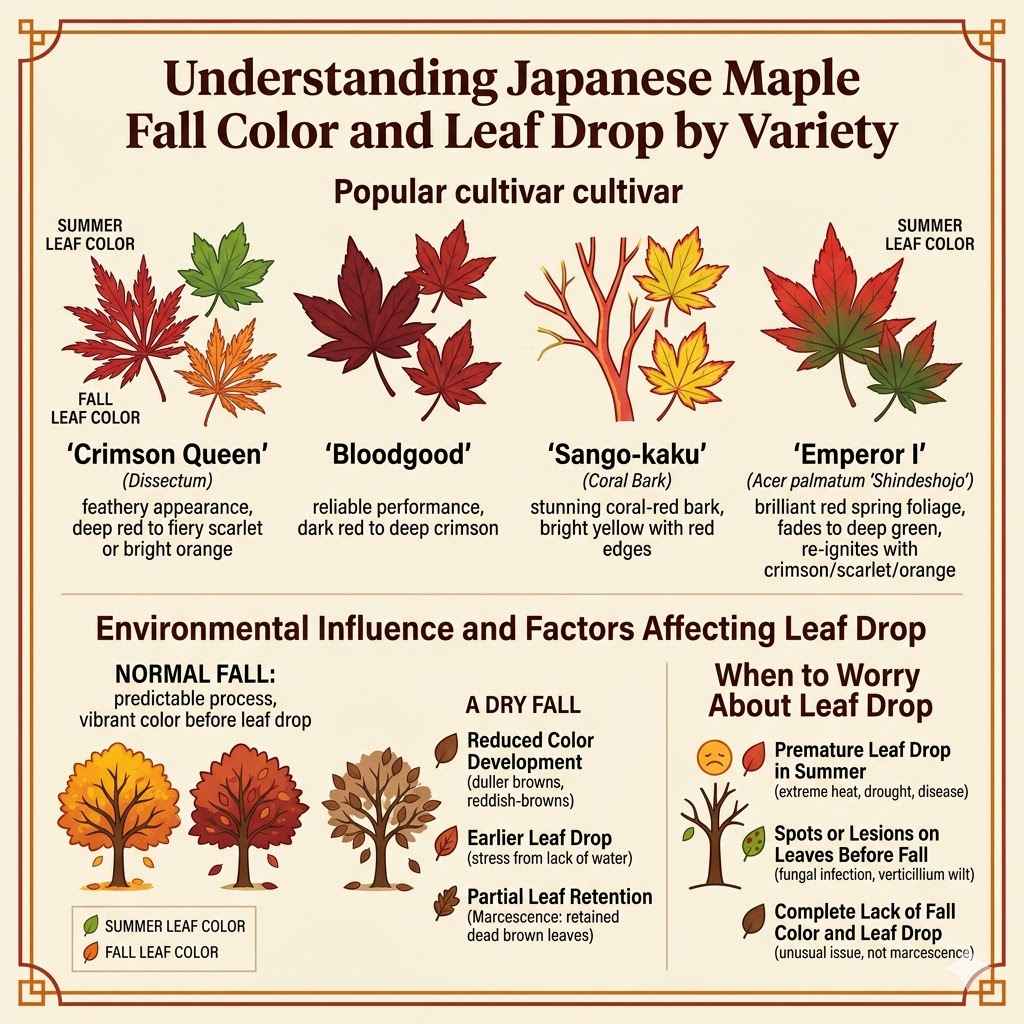
‘Crimson Queen’ (Dissectum): This popular laceleaf variety typically has deep red leaves throughout the summer. In fall, these leaves can turn a fiery scarlet or bright orange, offering a dramatic display. The fine, dissected leaves give it a feathery appearance. After the color show, it sheds its leaves completely, revealing its graceful, weeping form and intricate branching.
‘Bloodgood’: One of the most well-known upright Japanese Maples, ‘Bloodgood’ boasts dark red leaves from spring to summer. Its fall color is a deep crimson, sometimes with shades of scarlet. This variety is known for its strong constitution and reliable performance. Like most, it will drop its leaves in late autumn, leaving behind dark, sturdy branches.
‘Sango-kaku’ (Coral Bark): Famous for its stunning coral-red bark that is most visible in winter, ‘Sango-kaku’ offers a beautiful transition in fall. Its leaves turn a bright yellow, often with red edges. This adds a unique color combination before the leaves finally detach. The contrast between the yellow leaves and the red stems is particularly striking.
‘Emperor I’ (Acer palmatum ‘Shindeshojo’): This cultivar is known for its brilliant red spring foliage, which fades to a deep green in summer. In fall, it re-ignites with a spectacular display of crimson, scarlet, and orange. It typically sheds its leaves cleanly in late fall, preparing for winter.
These examples demonstrate the range of fall colors and the typical leaf-dropping behavior of popular Japanese Maple varieties.
The Role of Leaf Color in Predicting Leaf Drop
The intensity and type of fall color can sometimes offer clues about when leaf drop will occur, though it’s not a definitive predictor. Trees that develop vibrant red and orange colors often do so just before the abscission process fully takes hold. The pigments responsible for these brilliant hues are produced as chlorophyll breaks down.
A tree that displays a more muted or predominantly brown fall color might indicate stress, such as drought, or an earlier onset of senescence (the process of aging and decay in plants). In such cases, leaf drop might happen sooner or be less uniform. However, the primary trigger for leaf drop remains the shortening days and cooler temperatures, which signal the tree to prepare for dormancy, regardless of the specific color achieved.
Example Scenario: A Dry Fall
Imagine a Japanese Maple that has experienced a drier-than-usual late summer and early fall.
Reduced Color Development: The tree might not achieve its usual peak vibrancy. Instead of bright reds and oranges, the leaves might turn a duller brown or reddish-brown.
Earlier Leaf Drop: Due to the stress from lack of water, the tree might initiate the abscission process earlier than usual. The leaves could start falling before they reach their full color potential or before trees in ideal conditions begin to shed.
Partial Leaf Retention (Marcescence): In some stressed conditions, the tree might retain some of its dead, brown leaves longer into winter (marcescence) as its energy is diverted to survival rather than complete shedding.
This scenario illustrates how environmental conditions can alter the expected fall display and leaf drop timing for Japanese Maples.
When to Worry About Leaf Drop
While it is normal for Japanese Maples to lose their leaves in fall, there are a few situations where you might want to be concerned. Usually, these relate to signs of disease or significant stress that could impact the tree’s long-term health.
Premature Leaf Drop in Summer: If your Japanese Maple drops its leaves during the summer months, this is a serious concern. It usually indicates severe stress, such as extreme heat, drought, root issues, or a disease like verticillium wilt. This is not related to normal fall shedding.
Spots or Lesions on Leaves Before Fall: If leaves show unusual spots, discoloration, or signs of fungal infection before autumn, it could be an indication of a disease that might affect the tree’s overall health and its ability to withstand winter.
Complete Lack of Fall Color and Leaf Drop: If a typically vibrant Japanese Maple shows no signs of fall color and also fails to drop its leaves in late fall and early winter (and it’s not a known marcescent variety), it could suggest an underlying issue, though this is rare.
Normal fall leaf drop is a predictable and healthy part of the Japanese Maple’s life cycle. If you observe any of these unusual symptoms, it’s best to consult with a local horticulturalist or arborist to diagnose the problem.
Frequently Asked Questions
Question: Do all Japanese Maples lose all their leaves in fall
Answer: Most Japanese Maples are deciduous and lose all their leaves in fall. However, some varieties may retain dead leaves through winter, a process called marcescence. This is normal for those specific types.
Question: When do Japanese Maples typically lose their leaves
Answer: Japanese Maples usually begin to lose their leaves in late autumn and continue through early winter. The exact timing depends on the specific cultivar and local climate conditions.
Question: What causes the leaves of a Japanese Maple to change color
Answer: As days get shorter and temperatures cool, the green chlorophyll in the leaves breaks down. This reveals yellow and orange pigments that were always there, and sometimes red pigments are produced, leading to vibrant fall colors.
Question: Is it normal for my Japanese Maple to drop leaves quickly
Answer: Yes, a rapid leaf drop can occur due to environmental factors like an early frost or strong winds after the leaves have turned color. It’s part of the natural process of preparing for winter.
Question: Can I stop my Japanese Maple from losing its leaves
Answer: No, losing leaves in fall is a natural and essential part of a Japanese Maple’s life cycle. It is a deciduous tree and needs to shed its leaves to survive winter and prepare for new growth in spring.
Conclusion
Yes, Japanese Maples do lose their leaves in fall. This seasonal shedding is a beautiful and crucial part of their annual life cycle. After displaying stunning colors, the leaves detach naturally as the tree prepares for winter dormancy.
Different varieties offer unique fall foliage and drop patterns. Proper care, including watering and mulching in fall, supports this natural process, ensuring a healthy return in spring. Enjoy this predictable transition each year.