Are Oak Trees Evergreen? Most Are Deciduous
Most oak trees are not evergreen: they are deciduous and drop their leaves each fall. A few species, including southern live oak, coast live oak, holm oak and cork oak, keep green leaves all year. Brown leaves clinging to an oak in January usually mean marcescence, not an evergreen habit. This guide covers which oaks are evergreen, how to tell in winter, and what it means for the wood.
Are Oak Trees Evergreen? The Short Answer
Best Tree ID Book Pick
 |
The Sibley Guide to Trees – $23.12 A field guide to North American trees you can carry on a walk. Use it to confirm whether the oak in front of you is one of the evergreen or semi-evergreen species in the table below, or one of the many deciduous oaks.
|
As an Amazon Associate we earn from qualifying purchases.
Oaks fall into three leaf habits, and most confusion comes from mixing them up. Deciduous oaks go bare for the winter. Marcescent oaks are deciduous too, but their dead leaves stay on the twigs for months. Evergreen or semi-evergreen oaks carry living green leaves through winter and swap them out around spring growth. The table lists species a reader is likely to meet, using the leaf habit and range reported by the sources linked in this article.
| Oak | Leaf habit | Where it grows | Winter look |
|---|---|---|---|
| Southern live oak (Quercus virginiana) | Semi-evergreen: keeps leaves until new ones open | Coastal plain from Virginia to Florida and east Texas, zones 8 to 10 | Green, with leathery smooth-edged leaves |
| Coast live oak (Quercus agrifolia) | Semi-evergreen | California, Mendocino County south to northern Baja | Green, with spiny-toothed leaves |
| Holm oak (Quercus ilex) | Evergreen | Mediterranean region | Green, leaves variable in shape |
| Cork oak (Quercus suber) | Evergreen, leaves last about 2 to 3 years | Western Mediterranean basin | Green, with thick corky bark |
| Laurel oak (Quercus laurifolia) | Semi-evergreen to deciduous | Virginia to Florida and west to Texas, zones 7 to 9 | Leaves last into winter in warm climates, bare farther north |
| Willow oak (Quercus phellos) | Deciduous | Eastern and southeastern states, zones 5 to 9 | Bare, narrow willow-like leaves gone |
| White oak (Quercus alba) and red oak group | Deciduous, often marcescent when young | Eastern United States | Bare or holding brown dead leaves |
| Texas red oak, also called Spanish oak (Quercus buckleyi) | Deciduous, red and orange fall color | Oklahoma and Texas | Bare |
Two sources worth bookmarking for your own species: NC State Extension for live oak and NC State Extension for laurel oak both list leaf habit and hardiness zones. Cork oak and holm oak details come from botanical references on those species. Leaf habit can shift with climate, so check your local extension office before you plant or buy a tree.
Which Oaks Are Evergreen or Semi-Evergreen?
Evergreen oaks are a minority of the genus, and they mostly belong to warm or Mediterranean climates. In the United States the one most people mean is the southern live oak. NC State Extension calls it not a true evergreen, because it keeps its leaves only until the new ones begin to open in spring, then replaces them. It is still classed as a broadleaf evergreen, and it is hardy in zones 8a through 10b.
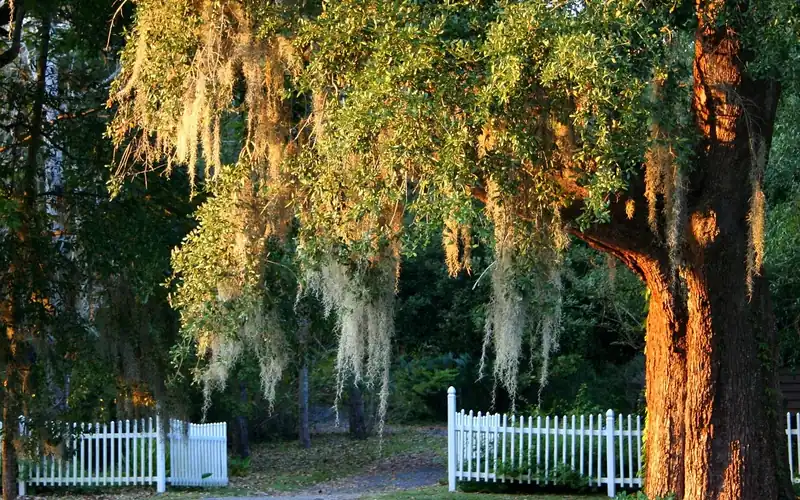
Coast live oak behaves the same way on the West Coast. Its leaves are spiny-toothed, closer to holly than to the lobed leaves most people picture, and the tree sheds dead leaves while adding young ones rather than dropping everything in one season. Holm oak and cork oak are the two dominant evergreen oaks of the Mediterranean, and cork oak leaves last about two to three years before they fall. Cork bark is harvested every nine to twelve years, so a cork oak is a working tree, not just an ornamental.
Why live oak is not a true evergreen
The word matters here. Live oak holds its old leaves right through winter and then replaces them as the new ones open. For a homeowner that means a tree that looks evergreen in every month, with one short changeover in spring. It also means an evergreen oak is not a conifer: it is a broadleaf tree with leathery leaves, not needles.
Laurel oak: the in-between case
Laurel oak is the oak that changes label with the map. NC State Extension lists it as semi-evergreen to deciduous, with leaves that last into winter in warmer climates. If you see an oak with glossy, smooth-edged leaves still green in January in the Southeast, it could be laurel oak or live oak, so check the leaf and the range before you decide.
Why Some Oaks Look Evergreen but Are Not: Marcescence
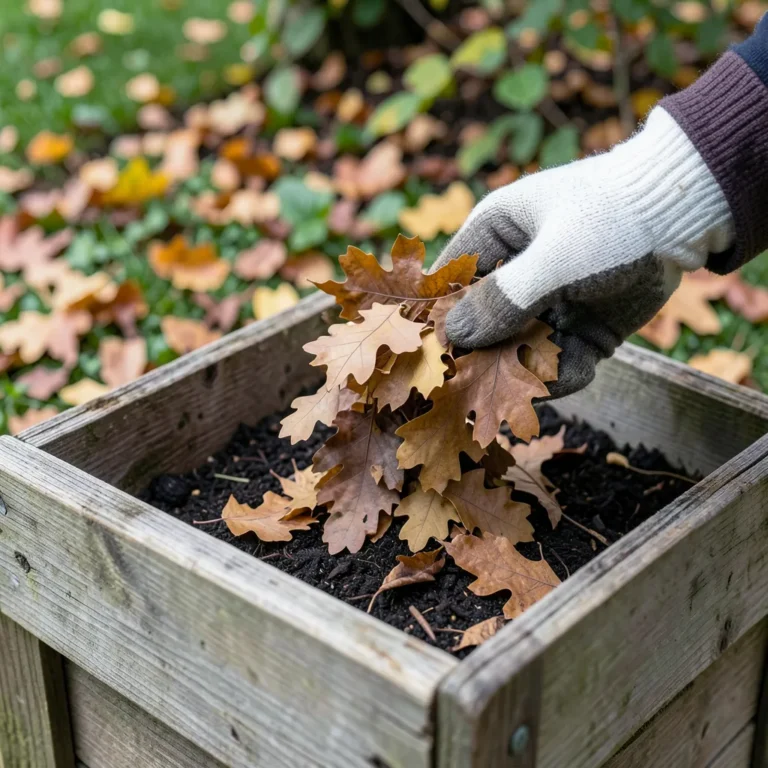
The most common reason people ask this question is a winter oak that has not dropped its leaves. Marcescence is the retention of dead leaves past the end of the growing season. The International Oak Society lists black oak and scarlet oak among oaks that show it, and the University of Illinois Extension notes that oaks and beech are the usual examples. Unlike a normal leaf drop, the leaf never forms a complete separation layer, so it stays attached until spring growth or weather pushes it off.
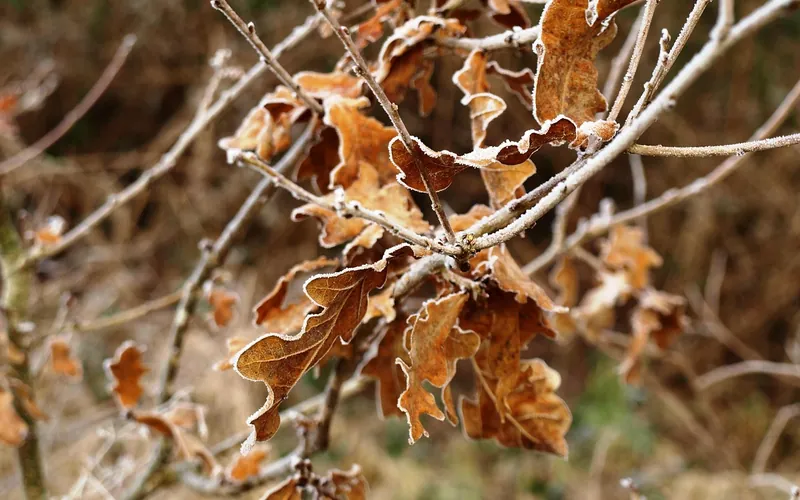
- Young trees show it most: the trait is stronger on juvenile trees and on the lower branches of mature ones, which is why a small oak can look leafy in February while a mature neighbor is bare.
- The leaves are brown, not green: marcescent leaves are dry and often rattle in the wind, so the tree is clearly dormant.
- They fall in late winter or spring: the final drop usually comes around bud burst, so the tree is not evergreen even though it never looks bare.
- Nobody is sure why: extension sources list two theories, that dead leaves shield buds from drying winds and that they make buds less appealing to browsing deer.
This is the corrected version of a common claim. People say an oak that keeps its leaves all winter must be evergreen. The leaf color settles it: green living leaves mean evergreen or semi-evergreen, brown dead ones mean a deciduous oak that is marcescent. For how many leaves a healthy oak carries, see how many leaves are on an oak tree.
How to Tell If an Oak Is Evergreen in Winter
You only need a leaf, a calendar and a map. Work through the checks in order.
- Check the color of leaves still on the tree: green and leathery points to live oak, coast live oak, holm oak, cork oak or a warm-climate laurel oak. Brown and dry points to marcescence.
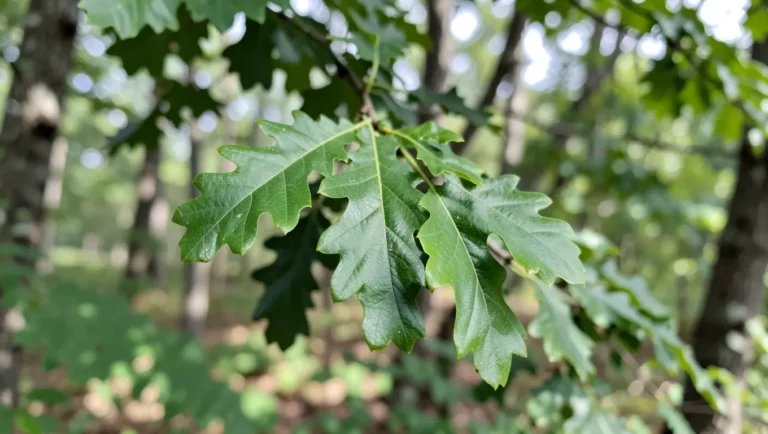
- Check the edge of the leaf: smooth-edged oval leaves suggest southern live oak, spiny-toothed leaves suggest coast live oak or holm oak, and deeply lobed leaves almost always belong to a deciduous oak.
- Check where you live: southern live oak is native to the coastal plain from Virginia to Florida and east Texas and is rated for zones 8 to 10, so a green oak in a cold northern state is not a live oak.
- Watch the spring changeover: if the old leaves fall within a few weeks just as new ones open, you have a semi-evergreen oak.
- Look at the tree form: live oak is often seen with gnarled, spreading branches and Spanish moss in the Southeast, while cork oak has thick, corky bark.
If the tree is bare and you cannot tell what it is yet, bud and bark clues are hard to learn from text, which is where a field guide earns its place. Our oak vs. maple leaf guide and elm vs. oak comparison help with the first step, confirming the tree is an oak at all.
Evergreen Oak vs. Deciduous Oak Lumber
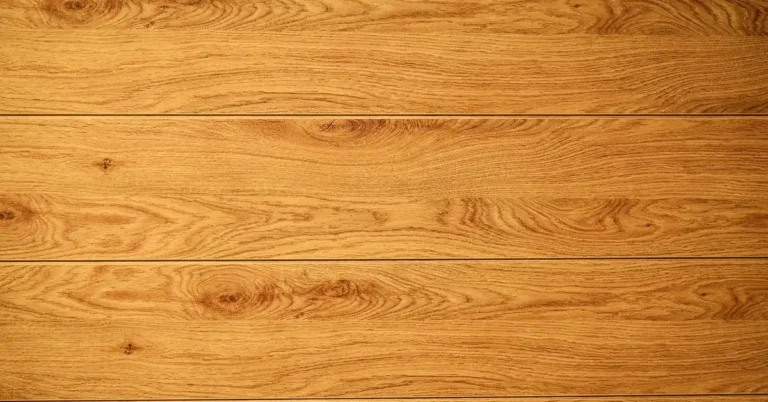
Leaf habit does not decide whether a species is a lumber tree, but the evergreen live oak is a very different wood from the red and white oak sold at lumberyards. The Wood Database numbers show how far apart they are.
| Property | Live oak | White oak | Red oak |
|---|---|---|---|
| Janka hardness | 2,680 lbf | 1,350 lbf | 1,220 lbf |
| Weight at 12% moisture | 63 lbs/ft3 | 47.0 lbs/ft3 | 43.8 lbs/ft3 |
| Shrinkage, radial / tangential | 6.6% / 9.5% | 5.6% / 10.5% | 4.0% / 8.6% |
| Availability | Seldom available commercially | Widely sold | Widely sold |
Live oak is roughly twice as hard as red oak by Janka rating and about 44 percent heavier by weight, which are our own calculations from the table above (2,680 vs. 1,220 lbf, and 63 vs. 43.8 lbs/ft3). Per the Wood Database, it is seldom available commercially and may only be found at local sawmills inside its native range, at premium prices. So the oak you buy for furniture or flooring is almost always deciduous red or white oak, whatever the leaf habit of the trees nearby.
For the practical side of those two, see our guide to red oak vs. white oak and the oak grain pattern guide. The shrinkage figures above come from the Wood Database and Wood Database pages, and our wood shrinkage calculator turns them into inches.
Does Leaf Habit Change How an Oak Grows?
Not as much as people expect. Evergreen live oaks are broad, spreading trees; the Wood Database lists live oak at about 40 to 60 feet tall, and NC State Extension gives a crown spread of up to 100 feet. Growth rate, size and lifespan depend more on species and site than on whether the leaves stay green. If you are planning a planting, see how fast an oak tree grows, how big oak trees can grow and how old oak trees can get. For a tree that clearly drops everything each fall, the maple leaf cycle is an easy contrast.
If you are thinking about the wood in a tree you already own, the weight of a mature one is covered in how much an oak tree weighs, and the lumber question for one specific red oak relative is in is pin oak good for lumber. For a wider look at hardwoods, softwoods and engineered woods, start at the types of wood guide.
Frequently Asked Questions
Are all oak trees deciduous?
No. Most North American oaks are deciduous, but southern live oak, coast live oak, holm oak and cork oak keep leaves year round, and laurel oak is semi-evergreen to deciduous depending on climate.
Is a live oak really evergreen?
Almost. NC State Extension says it is not a true evergreen because it keeps its old leaves only until the new ones start to open in spring. The tree is never bare for long, so it is usually grouped with the broadleaf evergreens.
Why does my oak still have brown leaves in winter?
That is marcescence. Many deciduous oaks, especially young trees and lower branches, hold dead leaves through winter and drop them in late winter or early spring. A tree with brown leaves in January is not evergreen.
Which oaks stay green in winter?
Southern live oak, coast live oak, holm oak and cork oak stay green. Laurel oak keeps green leaves into winter in warm climates. Willow oak, white oak and red oak are deciduous.
Is live oak wood different from red or white oak lumber?
Yes. The Wood Database lists live oak at 2,680 lbf Janka and about 63 lbs per cubic foot, far above red oak at 1,220 lbf and white oak at 1,350 lbf. It is also seldom available commercially.
Bottom Line
Most oaks are deciduous. The exceptions are the live, holm and cork oaks and the semi-evergreen laurel oak in warm climates. Check the color of winter leaves, the leaf edge and your climate zone, and treat brown leaves that will not fall as marcescence rather than an evergreen habit. For woodworking, the evergreen live oak is a dense specialty wood, and the oak lumber you buy will be red or white oak.
Sponsored / affiliate links. As an Amazon Associate I earn from qualifying purchases. I may earn additional commission from eligible campaigns.