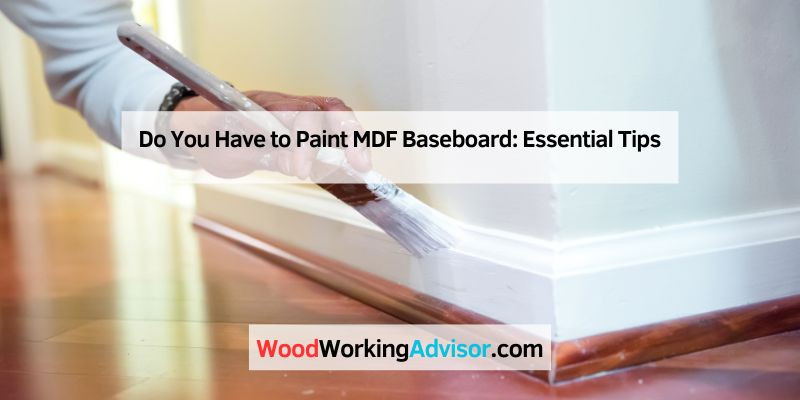
Do You Have to Paint MDF Baseboard: Essential Tips
Have you ever found yourself staring at those plain MDF baseboards in your home, wondering if they need a splash of paint to bring them to life? You’re not alone.
Many homeowners grapple with the decision of whether painting MDF baseboards is a necessity or just a decorative choice. If you’re looking for a way to elevate your living space without breaking the bank, this question might have popped up in your mind more than once.
Imagine walking into a room where every detail is polished and perfect, where the baseboards effortlessly complement your walls and floor. This transformation could be as simple as picking up a paintbrush. But before you dive into painting, wouldn’t you want to know if it’s worth your time and effort? By the end of this article, you’ll have all the insights you need to make an informed decision. You might discover that painting MDF baseboards is the missing piece in your home improvement puzzle. Let’s explore the reasons, benefits, and even the potential pitfalls of painting MDF baseboards. So, stick around, because what you’ll learn might just change the way you view your space forever.
/additional-coat-of-baseboard-paint-1822391-06-30e7ebff583749c785ec78534119ce5c.jpg)
Credit: www.thespruce.com
What Is Mdf Baseboard
MDF stands for Medium-Density Fiberboard. It is a type of wood product. It is made by breaking down hardwood or softwood. The wood is mixed with wax and resin. Then, it is pressed into panels. MDF is smooth and even. It is often used for baseboards and trims.
Many people choose MDF for its affordable price. It costs less than real wood. It is also easy to cut and shape. MDF baseboards have a plain look. But they can be painted any color. This makes them a popular choice for homes. MDF is not very strong. It can swell if it gets wet. So, it needs care and maintenance.
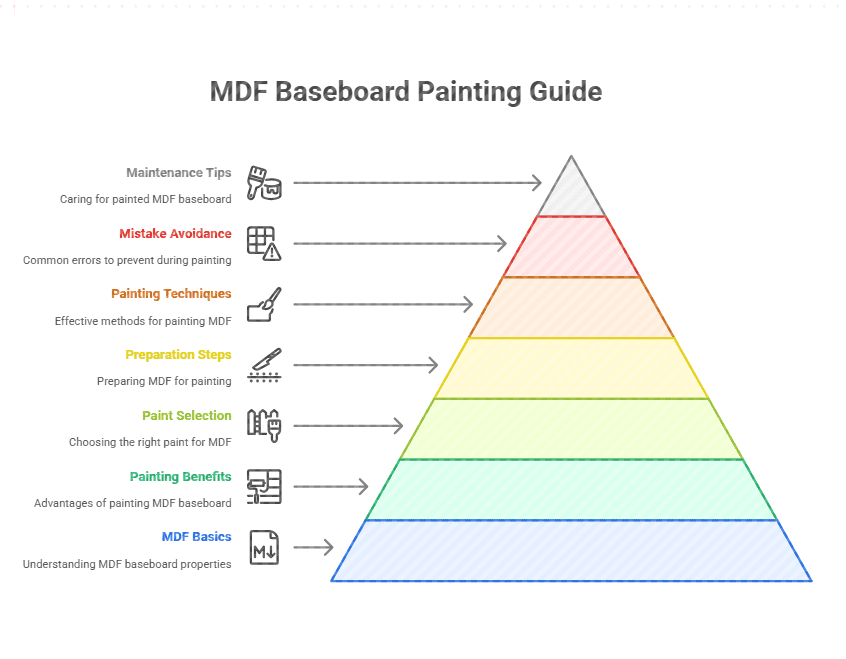
Benefits Of Painting Mdf Baseboard
Painting MDF baseboards makes them last longer. Colors protect the board from damage. Scratches and dents happen less. Paint acts like a shield. It keeps the board strong. Durable baseboards mean fewer repairs. Save time and money.
Painted baseboards look nice. Bright colors make rooms happy. Fresh paint hides marks and scuffs. Matching colors with walls is fun. Style your home easily. Beautiful baseboards uplift any room. Feel proud of your space.
MDF baseboards can get wet. Paint stops water from ruining them. Water-resistant coating keeps boards safe. Less chance of swelling or warping. Well-painted baseboards stay dry. No worries about mold or mildew.
Choosing The Right Paint
MDF baseboards need special care. Acrylic paint works well. It dries fast. Oil-based paint is durable. It gives a smooth finish. Latex paint is water-based. Easy to use. Choose wisely.
Pick colors that suit your room. Light colors make rooms look bigger. Dark colors add warmth. Match colors with furniture. Test small areas first. See how they look. Colors change in light.
Gloss finish shines bright. Easy to clean. Matte finish is smooth. Hides flaws well. Satin finish is in-between. Not too shiny. Not too flat. Each finish changes the look.
Credit: mdfskirtingworld.co.uk
Preparation Before Painting
First, wipe the baseboard with a damp cloth. This removes dust and dirt. Make sure every corner is clean. Dirt can ruin the paint. You might need a mild soap for tough spots. Rinse well after using soap. Let the baseboard dry completely.
Sanding makes the surface smooth. Use fine sandpaper for this task. Sand in gentle circles. This helps the paint stick better. Remove any rough edges. After sanding, wipe away dust with a clean cloth. Now, it’s ready for the next step.
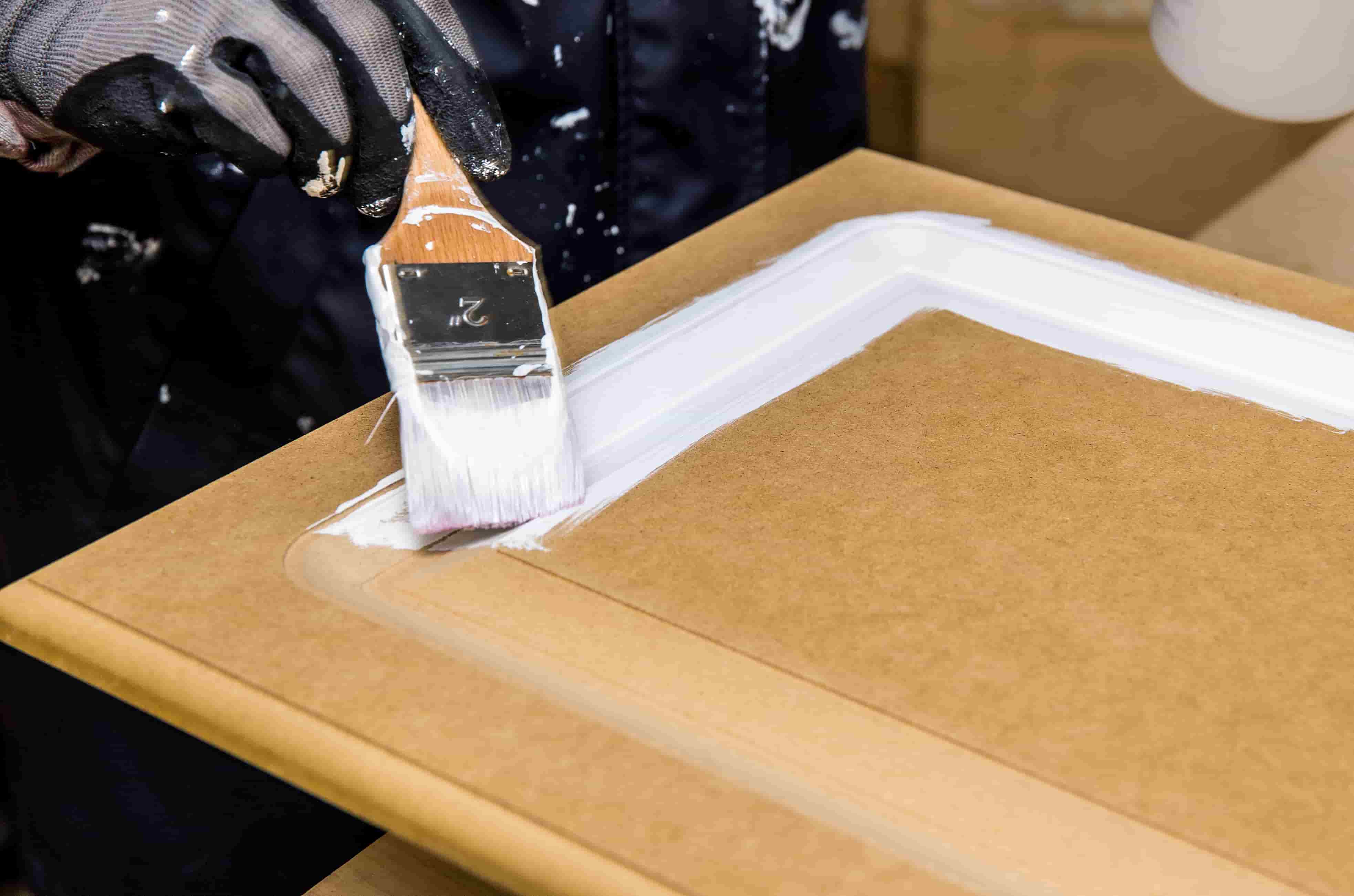
Primer helps the paint stick well. Use a brush to apply a thin layer. Cover all parts evenly. Let it dry fully before painting. Primer also hides small marks and stains. It prepares the baseboard for the final paint. This step is important for a neat finish.
Painting Techniques
Brushes are great for small areas. They help with precision. Rollers cover large areas fast. They make the job quicker. Choose based on your project size. Brushes can be slow. Rollers are faster but less precise. Mix both for best results.
Even coats make the paint look nice. Start with a thin coat. Let it dry. Apply another thin coat. Thin coats dry quickly. Thick coats can drip. Drips can ruin the finish. Patience is key.
Edges are tricky. Use a small brush for edges. Corners need careful attention. Paint can pool in corners. Use less paint in corners. Check for drips. Fix them quickly. A neat finish needs care.
Common Mistakes To Avoid
Many people forget to use a primer on MDF baseboards. Primer helps the paint stick better. It also makes the color look nice. Without primer, paint can peel off easily. The baseboard might not look smooth. Always use a primer first.
Paint needs time to dry. Rushing can make the paint messy. It may not stick well. Let each coat dry completely. This makes the baseboard look neat. Patience is key for a good finish.
Painting without good air is not safe. The smell can be strong. It can make you feel dizzy. Open windows for fresh air. Use a fan to help air move. Good ventilation keeps you safe.
Maintenance And Care
Keep your painted baseboards looking fresh. Use a soft cloth for dusting. A damp cloth can help with tougher spots. Avoid using harsh chemicals. They can damage the paint. Gentle soap and water work best. Dry the baseboard afterward. This prevents water damage.
Chips and scratches can happen. Touch them up with matching paint. Keep some extra paint for this. Use a small brush. Apply the paint gently. Let it dry completely. Your baseboard will look new again.
Protect baseboards from heavy impacts. Move furniture carefully. Place a soft pad under furniture legs. Regular maintenance is important. Check for any damage often. Repaint every few years. This keeps the baseboards looking good. Maintain them with care and they will last long.

Credit: mdfskirtingworld.co.uk
Frequently Asked Questions
Do You Have To Paint Mdf?
Painting MDF is recommended to protect it from moisture and enhance its appearance. Unpainted MDF can absorb moisture, causing damage. Use a primer before painting for better results. Painting also adds a finished look, making MDF suitable for visible applications.
Properly painted MDF lasts longer and maintains its structural integrity.
Is It Necessary To Paint Baseboards?
Painting baseboards enhances room aesthetics and protects them from damage. Fresh paint can cover scuffs and wear. Painted baseboards also complement wall colors, creating a cohesive look. While not mandatory, painting is recommended for maintaining a clean and polished home appearance.
What Are The Disadvantages Of Mdf Baseboards?
MDF baseboards are prone to moisture damage and swelling. They lack the natural aesthetics of wood. Susceptible to dents and scratches, MDF is less durable. Painting is required for a finished look, adding to maintenance. MDF can emit formaldehyde, affecting indoor air quality.
What Happens If I Don’t Prime Mdf?
Skipping primer on MDF leads to poor paint adhesion and absorption. The surface becomes uneven and can swell. Paint may chip or peel off, reducing durability. Proper priming ensures a smooth finish and extends the lifespan of your project.
Conclusion
Painting MDF baseboards can enhance their appearance and durability. It provides protection against moisture and wear. Painted baseboards blend well with room decor. Unpainted MDF can absorb moisture and swell. Painting helps maintain their shape and lifespan. It’s a cost-effective way to improve your home’s look.
Choosing the right paint is important for a smooth finish. Consider factors like color, finish, and durability. Proper preparation is key before painting. Sanding and priming ensure a better result. So, painting MDF baseboards might be worth considering for a polished look.