Can MDF Cabinets Be Painted? Yes – Here’s What Actually Matters
Yes – MDF cabinets can absolutely be painted, and done right, they hold paint better than solid wood because MDF has no grain or knots for the finish to telegraph through. The catch is that MDF is compressed wood fiber and glue, so it reacts to moisture and sanding differently than solid lumber, and skipping the MDF-specific prep steps is the single biggest reason a repainted cabinet chips or peels within a year.
What Makes MDF Different From Solid Wood Here
Best Paint For Cabinet Refinishing
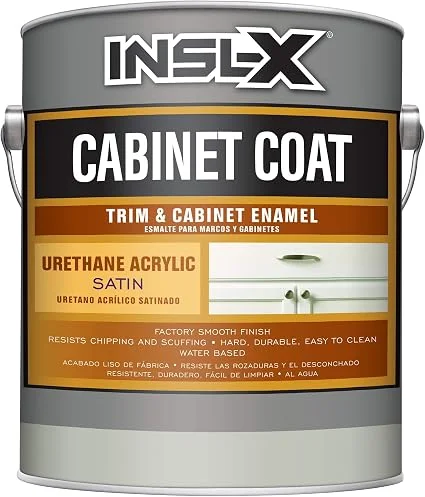 |
INSL-X Cabinet Coat Satin Enamel, 1 Gallon A purpose-built cabinet enamel that bonds to bare or previously-finished MDF without a separate primer coat on surfaces in good condition, and resists chipping/grease/water once cured.
|
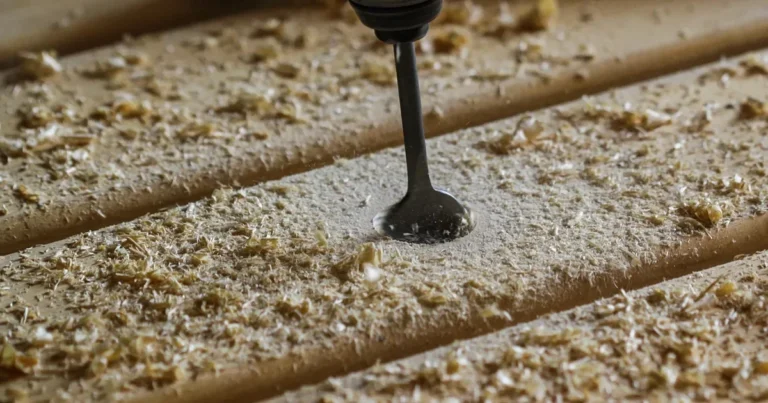
MDF (medium-density fiberboard) is made of wood fibers bonded with resin under heat and pressure, which is exactly why it takes paint so evenly – there’s no grain direction, knot, or open pore to fight. That same density means MDF has almost no flex, so it’s more prone to swelling at cut edges if water gets in, and sanding too aggressively can fuzz the surface fibers instead of smoothing them (a fine random-orbital sander with 180-220 grit avoids this; a heavy hand-sanding pass with coarse paper doesn’t).
Most kitchen and bathroom cabinet doors are one of two things: flat MDF slab doors, or a solid-wood frame around a routed MDF center panel. Either way, the factory finish is usually a thermofoil wrap or a pre-catalyzed lacquer, both of which are smooth and slightly slick – this is exactly why skipping the deglossing sand step is the most common reason a new paint coat beads up or peels off a factory-finished door instead of bonding to it.
DIY vs. Hiring It Out
| Option | Typical Cost (per kitchen) | Time | Best For |
|---|---|---|---|
| DIY paint job | $150-$400 in materials | 2-4 weekends | Comfortable with prep work and patient about dry/cure times |
| Professional spray finish | $1,500-$6,000 | 3-7 days | A factory-smooth finish with no visible brush/roller texture |
| Full cabinet replacement | $5,000-$25,000+ | Weeks | Boxes are structurally damaged, not just cosmetically dated |
Painting is almost always the cheapest way to change a kitchen’s look short of leaving it alone, and it’s the option that makes sense whenever the cabinet boxes and doors are still solid – swollen, delaminating, or water-damaged MDF should be replaced rather than painted over, since paint won’t fix structural damage.
Picking a Sheen
Sheen matters more on cabinets than on walls, because cabinet doors get touched, wiped, and bumped constantly. Satin and semi-gloss are the two sheens actually worth considering for cabinets: satin hides minor surface imperfections better and still wipes clean easily, while semi-gloss is more washable and slightly more resistant to grease staining but shows every sanding scratch and brush mark underneath it. Full gloss is the most durable and easiest to wipe down but is unforgiving of any prep flaws, and matte/eggshell finishes, while attractive, mark and stain more easily under repeated hand contact – most kitchens do best with satin or semi-gloss rather than either extreme.
Tools and Materials Checklist
- Screwdriver (to remove doors, drawer fronts, and hardware)
- Degreasing cleaner and lint-free cloths
- 180-220 grit sandpaper (plus 320 grit for between coats) or a random-orbital sander
- Tack cloth
- Wood filler or edge sealer for cut MDF edges
- Bonding primer (unless using a no-primer-needed cabinet enamel)
- Cabinet-grade paint in your chosen sheen
- Foam or microfiber mini-roller, plus an angled brush for edges/profiles
- Painter’s tape and a drop cloth
Preparing MDF Cabinets for Paint
Remove all doors, drawer fronts, and hardware first – painting in place around hinges is how most amateur paint jobs end up with drips and missed edges. Clean every surface with a degreaser (kitchen cabinets accumulate cooking grease even if they don’t look greasy) before sanding, since sanding grease into the surface just spreads it. Lightly sand with 180-220 grit to knock down the factory sheen, then wipe with a tack cloth.
Cut edges and drilled holes are the parts of MDF most likely to swell or chip, so seal exposed MDF edges with a wood filler or edge sealer before priming – this is the step most DIY guides skip and the one that causes the most callback repairs. For the full step-by-step process – sanding grit, primer choice, and exact coat counts for faces versus edges – see our complete guide to painting MDF cabinets.
Choosing Paint and Primer
A bonding primer is the traditional starting point for MDF, since it seals the porous cut edges and gives standard cabinet paint something to grip. Some purpose-built cabinet enamels (including the one above) are formulated to bond directly to bare or previously-finished MDF without a separate primer coat when the surface is in good condition – that’s a real time-saver, but it still doesn’t replace edge-sealing on cut/exposed MDF. Whichever route you take, a hard urethane-acrylic or alkyd enamel outlasts standard wall paint by years on a high-touch surface like a cabinet door.
Standard interior wall paint (even a “durable” eggshell) is formulated for large vertical surfaces that get touched occasionally, not a door that gets grabbed and closed dozens of times a day – it will look fine for a few months and then start showing wear right at the pull and the top corner where fingers catch it. That’s the real reason cabinet-specific enamels exist and cost more per gallon than wall paint: the resin blend is built to flex and resist abrasion at contact points instead of just covering color.
Preventing Paint Peeling
Peeling almost always traces back to one of three causes: painting over grease or dust, skipping primer on bare MDF, or recoating before the previous layer fully cured. Clean, prime, and respect the recoat window printed on the can – rushing the second coat is the most common shortcut that shows up as peeling months later.
Avoiding Brush Marks
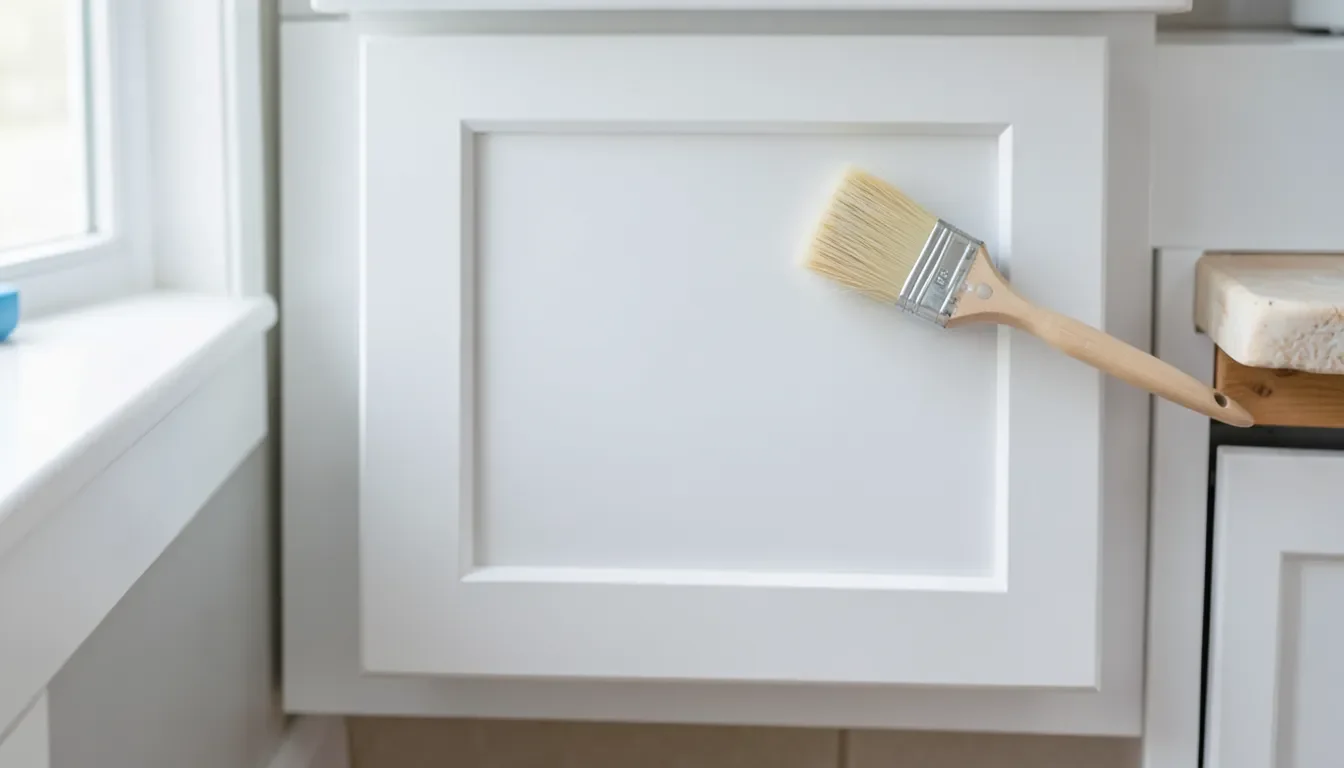
A foam or microfiber mini-roller lays down a smoother coat than a bristle brush on flat cabinet faces; save the brush for profiled edges and corners a roller can’t reach. Lightly sand with 320-grit between coats and wipe away the dust before the next coat goes on – this is what gives a DIY job the smooth, semi-professional look instead of visible ridges.
Caring for Painted MDF Cabinets
Clean with a soft damp cloth and mild soap rather than abrasive sponges or harsh solvents, which can dull or lift the finish over time. Dry cabinets promptly after cleaning – standing moisture around hinges and handles is where a painted finish fails first. Keep a small amount of matching paint on hand for touch-ups: a thin feathered touch-up on a fresh chip blends in far better than waiting until the damage spreads.
The area right around the sink and stove takes the most abuse – steam, grease splatter, and repeated hand contact all concentrate there – so it’s worth checking those doors first at the earliest sign of wear and touching them up before the surrounding finish is affected. A fully cured cabinet enamel (most need a week or more before reaching full hardness, even though it’s dry to the touch in hours) is meaningfully more chip-resistant than one still curing, so avoid heavy daily use of freshly painted doors during that window.
Frequently Asked Questions
Is it worth painting MDF kitchen cabinets?
Painting MDF kitchen cabinets is worth it. It enhances durability, updates style, and saves money compared to replacements. Choose high-quality paint for a lasting finish. Proper preparation ensures smooth, professional results. Transform your space with a fresh, personalized look. Add value to your kitchen with a cost-effective upgrade.
What kind of paint do you use on MDF cabinets?
Use acrylic latex paint or an oil-based paint for MDF cabinets. Both provide a smooth, durable finish. Prepare the surface with a primer first to ensure better adhesion and longevity. Choose high-quality paints to achieve professional results.
How long do painted MDF cabinets last?
Painted MDF cabinets can last 10-15 years with proper care. Regular cleaning and avoiding moisture prolong their lifespan. Quality paint and skilled application enhance durability. Protect surfaces from scratches and dents to maintain appearance. Regular maintenance ensures longevity and keeps cabinets looking fresh and appealing.
Can you paint laminate MDF kitchen cabinets?
Yes, you can paint laminate MDF kitchen cabinets. First, clean and sand the surface. Apply a primer designed for laminate. Use high-quality paint for durable results. Consider a topcoat for added protection and longevity.
Conclusion
MDF cabinets are not just paintable – their grain-free surface makes them easier to get an even finish on than solid wood, as long as you respect the prep steps that account for MDF’s sensitivity to moisture and sanding. Clean, sand, seal the edges, prime (or use a bonding enamel formulated to skip it), and give each coat its full cure time, and a painted MDF cabinet should hold up for a decade or more.
Sponsored / affiliate links. As an Amazon Associate I earn from qualifying purchases. I may earn additional commission from eligible campaigns.